
Gary Lineker and the shifting boundaries of broadcast punditry

The blurring lines of modern football analysis
Gary Lineker spent decades as the face of the BBC, a position defined as much by its constraints as its reach. Now operating as a lead voice for Netflix on their World Cup coverage, he has made it clear that those old boundaries no longer apply. While the former England striker maintains a rapport with his former colleagues, his recent move highlights a broader trend: top-tier talent is migrating toward streaming platforms that prioritize personality over institutional neutrality.
As reported by the Mirror, Lineker has spent his initial outings firing calculated shots at his former employers. It is a striking departure from the guarded tone expected of public service broadcasters. Modern viewers are no longer satisfied by the dry, clinical post-match breakdowns that once defined the industry. They demand the sharp, occasionally sarcastic edge that Netflix now funds, moving away from the sanitized environment of traditional linear television.
The cost of institutional neutrality
The transition from a guarded BBC presenter to a candid streaming personality raises questions about the value of impartiality. Lineker spent years navigating the corporation's rigid rules regarding social media and political discourse. Those rules often acted as a dampener on his natural instincts, resulting in a broadcast tone that felt increasingly disconnected from the raw passion of the match-going public.
By shedding these constraints, the quality of discourse has arguably improved. We are seeing a more authentic version of the pundit, one who is actually invested in the specific technical failures of a team rather than carefully navigating a PR handbook. However, this comes with a distinct downside. When a major voice is unfettered, the narrative often becomes centered on the individual personality rather than the sport itself. The focus shifts from the tactical errors on the pitch to the media circus surrounding the desk.
Moving beyond the script
Lineker’s pivot is indicative of a wider shift in how we consume football. The 90 minutes have become the baseline content, while the surrounding commentary is now a battleground for attention span. Netflix is betting that viewers want more than analytical diagrams; they want a clash of opinions. The success of this move will depend on whether this trend of aggressive, unfiltered banter can sustain viewer interest once the tournament novelty wears off.
One must wonder if the tactical depth suffers in this new arena. A notebook-heavy approach to analysis often requires a degree of restraint, a quality that is frequently discarded in favor of viral soundbites. It remains a gamble for Netflix to prioritize the pundit over the analyst, especially when the latter provides genuine utility to the viewer. For now, the audience seems to be voting with their attention, leaning toward the personality-driven model that the BBC spent years trying to suppress. Whether this remains a viable long-term strategy for high-level football coverage is the question of the tournament.
adidas Men's Tiro 23 League Pants
The iconic training pant that belongs in every fan's wardrobe.
Frequently Asked Questions
Why did Gary Lineker leave the BBC for Netflix?
How is football punditry changing on streaming platforms?
What is the downside of personality-led football analysis?
How does Netflix differ from traditional broadcasting in sports coverage?
What were the constraints of working as a BBC presenter?
More Coverage
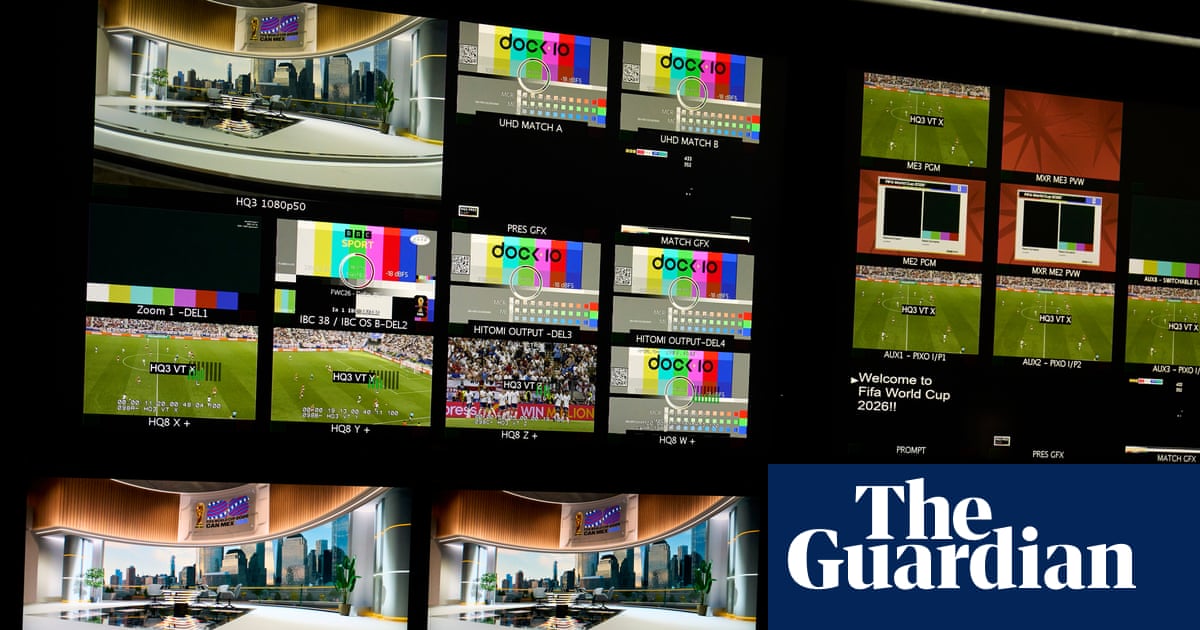
World Cup broadcasting has reached a crossroads
5 hours ago
World Cup highlights are missing and fans are losing their minds
6 hours ago
Netflix sports coverage is missing the mark on pundit chemistry
14 hours ago
The World Cup kickoff is here and the digital noise is already deafening
1 day, 11 hours ago
Top 10: Defining Moments in Football Media and Performance
3 days, 8 hours ago
Gary Lineker and the friction of football punditry
3 days, 17 hours agoMore Analysis
Netflix sports coverage is missing the mark on pundit chemistry
14 hours ago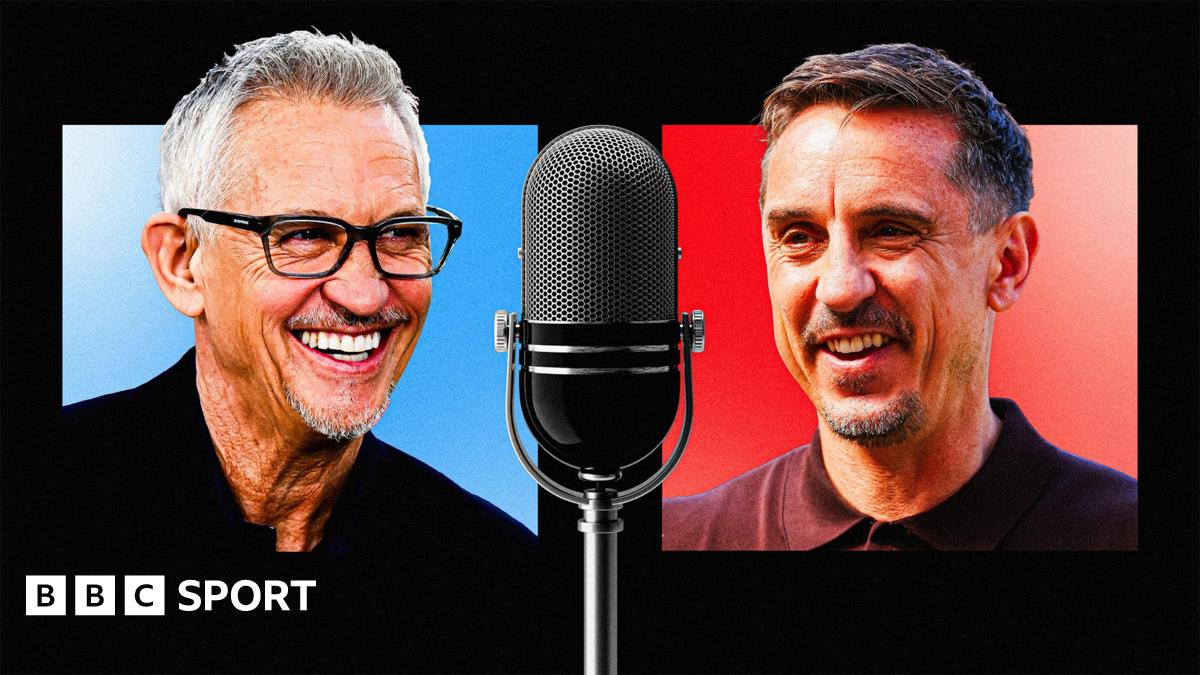
Lineker's Netflix World Cup Coup Redefines Football Media War
1 month, 2 weeks ago
Gary Lineker and the friction of football punditry
3 days, 17 hours ago
The Podcast Mogul War and the Death of Traditional Broadcasting
1 month, 2 weeks agoFootball Focus is dead because football media grew up
2 weeks, 5 days ago