The officiating crisis shifts the narrative
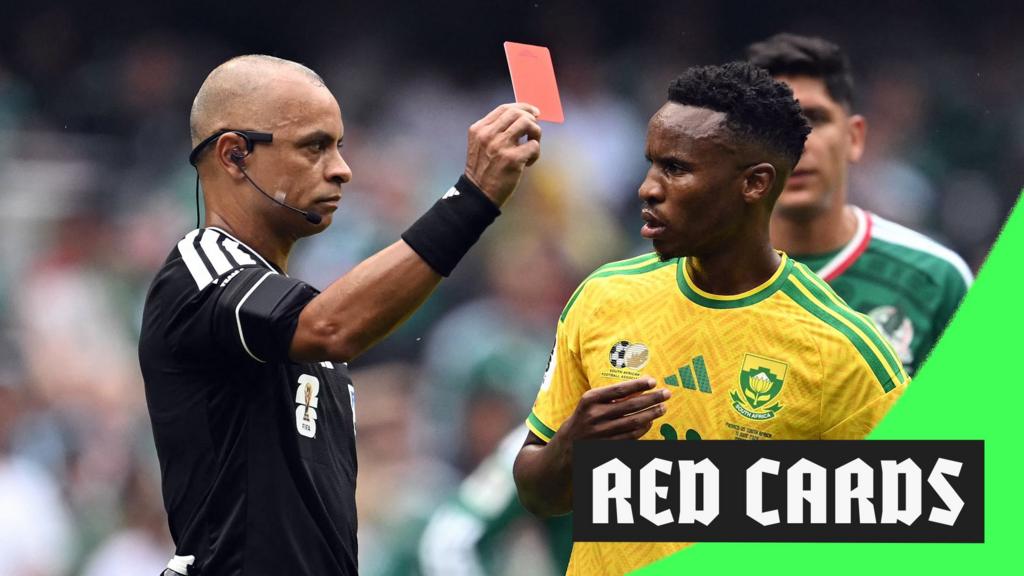
The 2026 World Cup opener between Mexico and South Africa was supposed to be a showcase of attacking flair, but we left the stadium talking about the officiating crew instead. Three red cards in a single opening match is objectively absurd behavior from a refereeing standpoint. It skews the underlying data of the match to the point where the 2-0 scoreline becomes an unreliable indicator of actual team quality.
We need to look past the score. Mexico certainly controlled the tempo, but they were gifted a massive advantage when South Africa was reduced to numerical disadvantage early. Tactical discipline disintegrated the moment the first card was shown. It turns the match into a lopsided affair, rendering xG metrics almost entirely useless for the remainder of the evening.
Predicting the impact on the group phase
The officiating controversy, as noted by former FIFA officials, highlights a fundamental inconsistency in how the tournament is being monitored. When referees inject themselves into the proceedings this aggressively, it changes how every other team in the group approaches their tactical setup. Coaches are now terrified of drawing a card early, which leads to passive defensive blocks rather than active pressing structures.
Why Mexico will crash out of the knockouts
Despite their opening win, Mexico lacks the structural integrity to deal with high-pressing European sides. Their transition game relies on chaos. When they faced a team forced to play with a man down, their lack of a patient buildup was masked by the numerical advantage. In a leveled game of 11-versus-11, their spacing in the final third has been consistently poor since the qualification cycle.
The pattern is clear. They rely on individual brilliance to break narrow defensive lines because their passing sequences lack the necessary verticality. When the opposition is not forced to panic, Mexico’s midfield anchors struggle to track runners in the half-spaces.
The statistical reality of the opener
If you look at the shot maps from the 74th minute onwards, Mexico was merely recycling possession rather than creating high-probability chances. They held 64 percent of the ball but failed to translate that into deep-zone entries. This suggests that the 2-0 lead was a product of the mid-game collapse by the South African defense rather than a dominant display of tactical superiority.
My prediction for the group outcome rests on this lack of clinical finish. Mexico is currently trading on the luck of a favorable whistle. Once they encounter a disciplined defensive unit that refuses to engage in a back-and-forth, their reliance on wide play will fall flat. Expect them to drop points in their final group match against a low-block opponent. They are a team built for highlights, not for the grueling consistency of a deep tournament run.
Read Next
- The divided loyalty of World Cup families is the ultimate sporting dilemma
- Tactical anarchy at the Azteca: What went wrong in the World Cup opener
- The World Cup's logistical nightmares are overshadowing the football
- South Korea will upset the group stage after that Mexico City performance
- 🏆 World Cup 2026 — Full Coverage Hub
- 🇲🇽 Mexico World Cup 2026 — El Tri Hub