Another chapter in football's biggest rivalry
Here we are again. Manchester City and Real Madrid, clashing in the UEFA Champions League semi-finals for what feels like the hundredth time. It’s the perennial powerhouse against the relentless modern machine, a fixture that has delivered nothing short of drama and tactical intrigue in recent seasons. This isn't just a semi-final; it's a measuring stick for both clubs.
With the first leg on April 28, the stakes are astronomical. Both teams have navigated challenging domestic campaigns and grueling European ties to reach this point. Neither side is entering this contest without questions, yet both possess the talent and managerial acumen to overcome any obstacle.
Manchester City: The relentless evolution
Pep Guardiola’s Manchester City arrives with their usual suffocating control and intricate passing patterns. The machine remains incredibly well-oiled, adapting and refining itself each year. Rodri is still the lynchpin, anchoring the midfield and dictating tempo with metronomic precision, boasting an almost absurd passing accuracy week after week. His ability to break up play and launch attacks is unparalleled.
Upfront, Erling Haaland remains a goal predator, even if his overall involvement sometimes raises eyebrows. The Norwegian’s sheer presence occupies defenders, opening space for the likes of Phil Foden and Bernardo Silva to operate in those treacherous half-spaces. City's wingers and inverted fullbacks provide constant width and overload options, making them incredibly difficult to contain for 90 minutes.
However, City isn't flawless. They've shown vulnerability on the counter-attack, especially against teams willing to commit bodies forward quickly. While Ruben Dias and John Stones are exceptional, a quick transition can catch them out, particularly when City's fullbacks push high. The reliance on individual brilliance from Foden or De Bruyne can sometimes mask moments of collective creative stagnation.
Real Madrid: The masters of chaos and control
Carlo Ancelotti’s Real Madrid is a different beast entirely. They don't seek to dominate possession for its own sake; instead, they excel at controlling the chaos. Bellingham and Valverde provide an engine room of energy, technical quality, and timely runs into the box, proving particularly difficult for opponents to track. Kroos and Modric, though aging, still possess an unmatched ability to slow the game down and unlock defenses with a single pass.
Vinicius Jr. and Rodrygo represent the cutting edge, their pace and trickery on the wings capable of dismantling any defense. Vinicius, in particular, has developed into one of the most decisive wide players in world football, turning even half-chances into genuine scoring opportunities. His one-on-one ability consistently draws fouls and creates numerical advantages.
But Real Madrid has their own Achilles' heel. Their defense can be susceptible to sustained pressure and quick combinations, particularly if Carvajal or Mendy are caught out of position. The veteran backline, while experienced, sometimes lacks the recovery pace needed against explosive forwards. Furthermore, their high defensive line has been breached before, often leaving Thibaut Courtois exposed.
Tactical Chess: Where the match will be won
This semi-final will likely be decided in two key areas: the midfield battle and the ability of each team to transition from defense to attack. City will attempt to starve Madrid of the ball, forcing them into deep defensive blocks and patiently probing for openings. Their goal will be to control the tempo and minimize Madrid's opportunities to launch swift counter-attacks.
Madrid, conversely, will aim to absorb pressure and then exploit the spaces left behind by City's advanced players. The duel between Rodri and Madrid’s midfield trio will be intense. If Kroos and Modric can bypass City's initial press, they can feed Vinicius and Rodrygo with space to run into, which is where Madrid is most dangerous. The sheer mental fortitude required for such a high-stakes encounter cannot be overstated; every player must be switched on, knowing that even a fleeting moment of hesitation can be fatal.
The Battle for the Wings and Goalkeeping Pressures
The wide areas will also be critical. Cancelo (for City, if he's playing in that role) versus Vinicius Jr. is a mouth-watering prospect, as is the matchup on the opposite flank. Who wins these individual duels will significantly influence ball progression and defensive stability. City’s ability to pin back Madrid’s fullbacks will be key to preventing their wide players from getting involved in attacks.
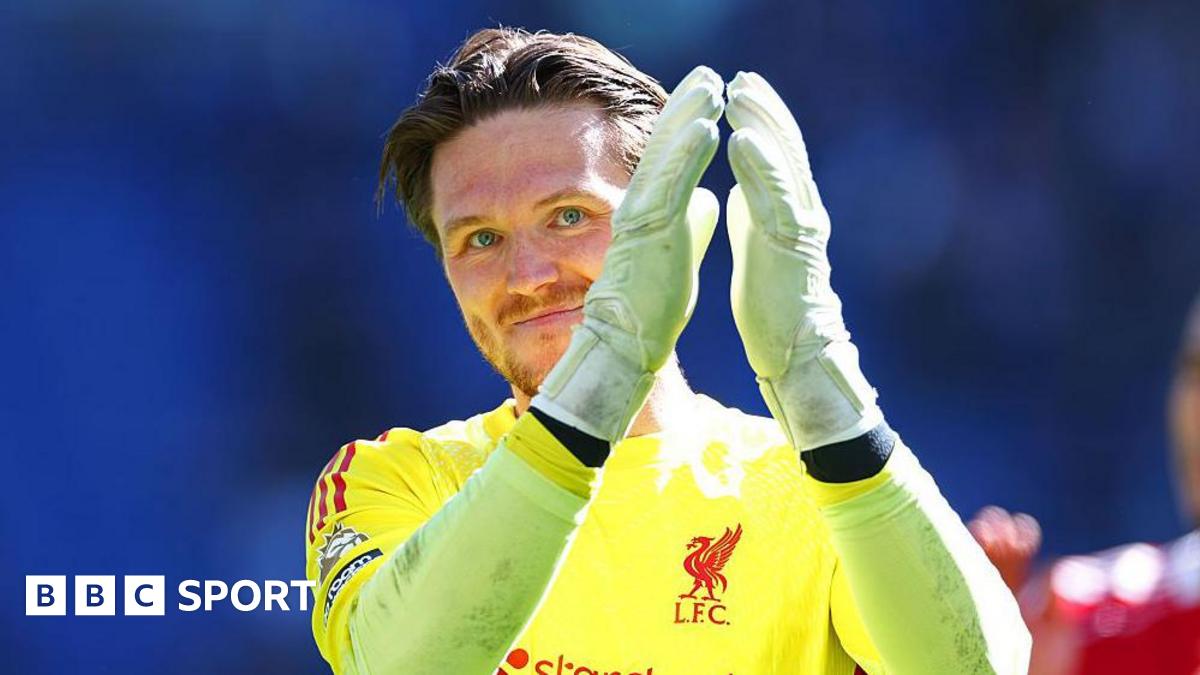
Goalkeeping will be paramount. Both Courtois and Ederson are world-class, but the pressure in these matches can be immense. Mistakes, however rare, can define legacies. Consider Freddie Woodman's unexpected dive into a Merseyside derby for Liverpool; even a third-choice keeper can be thrown into the deep end under immense pressure, highlighting the mental strain on every squad member in a top club.
City’s intricate set-piece routines, often involving Stones or Akanji, will test Madrid’s organization. Real Madrid’s experience in navigating these knockout ties, even when outplayed for large stretches, grants them a psychological edge. They have a knack for finding a way to win, a trait that cannot be quantified by xG metrics.
The Verdict: Madrid's indomitable spirit prevails
While Manchester City possesses a more statistically dominant approach and arguably a deeper squad of technically gifted players, Real Madrid has an intangible quality in the Champions League. They know how to win these big games, often against the run of play. Their ability to switch gears from defense to devastating attack in a heartbeat is a constant threat.
My prediction leans towards Real Madrid advancing to the final. This will not be a comfortable victory. City will dominate possession, create numerous chances, and push Madrid to their absolute limits. But Madrid's resilience, coupled with the individual brilliance of Vinicius Jr. and Jude Bellingham's midfield surges, will be enough. I expect a narrow aggregate scoreline, perhaps even decided in extra time or by a moment of individual genius.
The critical observation here is City's occasional over-reliance on intricate passing within the final third. At times, against a well-drilled low block, their insistence on walking the ball into the net allows opponents to regroup and deny clear shooting opportunities. This hesitancy, however slight, could prove costly against a clinical Real Madrid side.
Ultimately, Ancelotti's experience and Madrid's innate ability to perform on the biggest stage will see them through. Guardiola’s tactical genius is undeniable, but Real Madrid's unwavering belief in their destiny in this competition is a powerful force.
Read Next
- Top 10: The Moments Defining the 2025/26 Season So Far
- Manchester City and Real Madrid are about to break the Champions League again
- Guardiola's Ghost: City's Camp Nou Test Is More Than a Semi-Final
- How Man City dismantled Arsenal's midfield to blow the title race open
- ⚽ La Liga 2025-26 — Title Race Hub
- 🏆 UCL Final 2026 — Munich May 28 — Full Coverage Hub