A tactical shake-up in Dublin
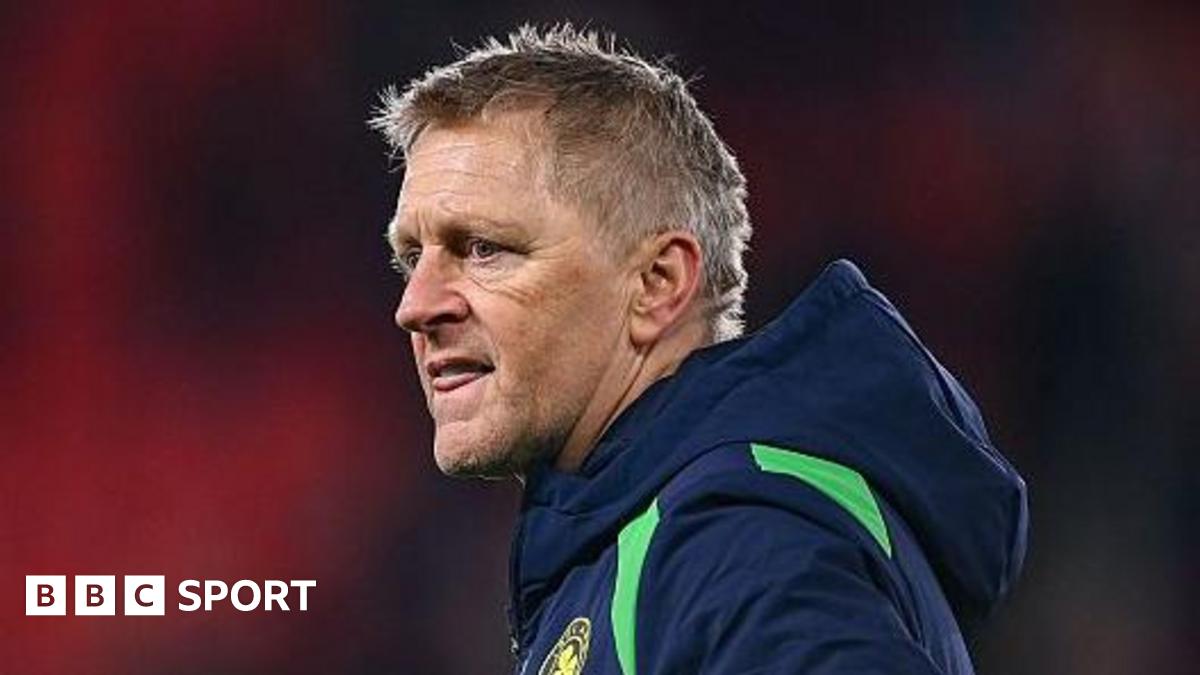
The Republic of Ireland’s path to the World Cup has been anything but straightforward, but the latest squad announcement has injected a fresh sense of intrigue into their upcoming play-off semi-final against the Czech Republic. The headline news—the inclusion of former England U19 captain Harvey Vale—has sent shockwaves through the Irish setup. While some may view this as a desperate move, a deeper dive into the data suggests it is a calculated gamble by Heimir Hallgrímsson to address a glaring lack of creativity in the final third.
Why Harvey Vale matters
For those unfamiliar with Vale’s progression, he represents a high-ceiling prospect who has struggled to find consistent minutes at the senior level but possesses the technical profile that the current Ireland squad desperately lacks. Ireland’s recent form has been defined by a reliance on defensive solidity, often at the expense of attacking fluidity. In their last five competitive fixtures, Ireland has averaged just 0.8 goals per game, with an Expected Goals (xG) output that consistently underperforms against mid-tier European opposition.
Vale’s ability to operate in the half-spaces and his delivery from set-pieces provide a different dimension. His pedigree as a former England youth captain speaks to his tactical intelligence, and his willingness to switch allegiances suggests a player hungry to prove his value on the international stage. If Hallgrímsson can integrate him effectively, Ireland gains a playmaker capable of unlocking the Czech low block, which has been their Achilles' heel throughout the qualifying campaign.
The Czech Republic threat
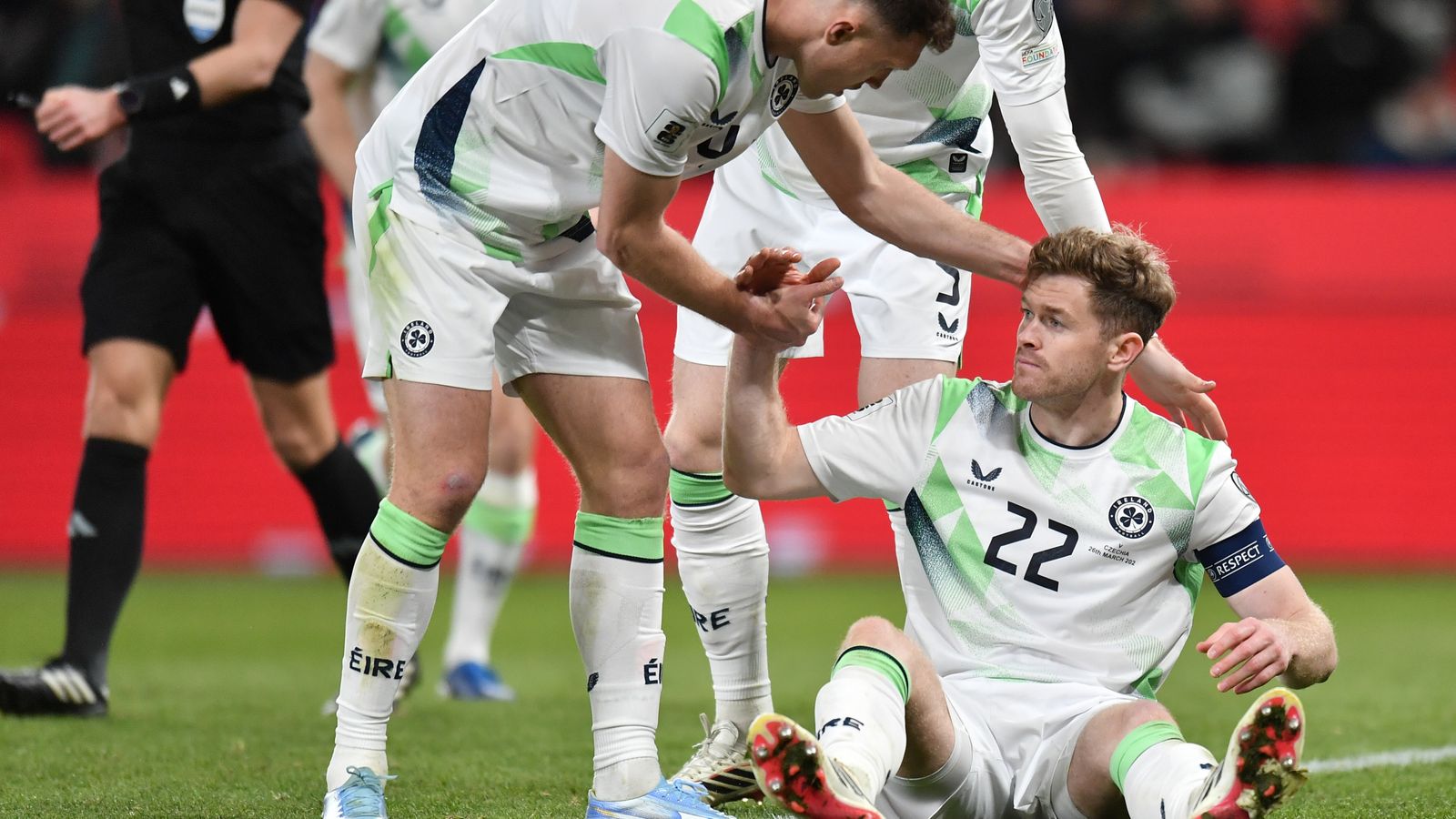
Conversely, the Czech Republic enters this match as the statistically superior side. Their defensive structure is robust, conceding only 0.9 goals per 90 minutes over the last calendar year. They excel in transition, utilizing quick vertical passes to exploit gaps left by teams pushing for a goal. Ireland’s tendency to commit full-backs high up the pitch could play right into the Czechs' hands. The key battle will be in the midfield pivot, where Ireland must contain the Czech transition game to prevent being caught on the counter-attack.
The data-driven outlook
When modeling this fixture, we look at the disparity in recent competitive performance. The Czech Republic has maintained a higher Elo rating over the last 18 months, buoyed by consistent results in the Nations League and qualifying stages. However, Ireland’s home advantage at the Aviva Stadium historically provides a 12-15% performance boost in terms of defensive efficiency. The inclusion of Vale acts as a 'variance multiplier'—he is an unknown quantity for the Czech scouting department, which could disrupt their defensive set-up for the first 30 minutes of the match.
Despite the optimism surrounding the new call-up, the reality remains that Ireland is the underdog. The Czech Republic’s cohesion and experience in high-stakes play-offs give them a distinct edge in game management. Expect a tight, low-scoring affair where one moment of individual brilliance or a single defensive lapse decides the outcome.
Ultimately, Ireland’s success hinges on whether Vale can hit the ground running. If he provides the spark, Ireland has a puncher's chance. If he fails to settle, the Czechs' superior tactical discipline should see them through to the final.