The Riyadh Coronation and the Devastating Snub
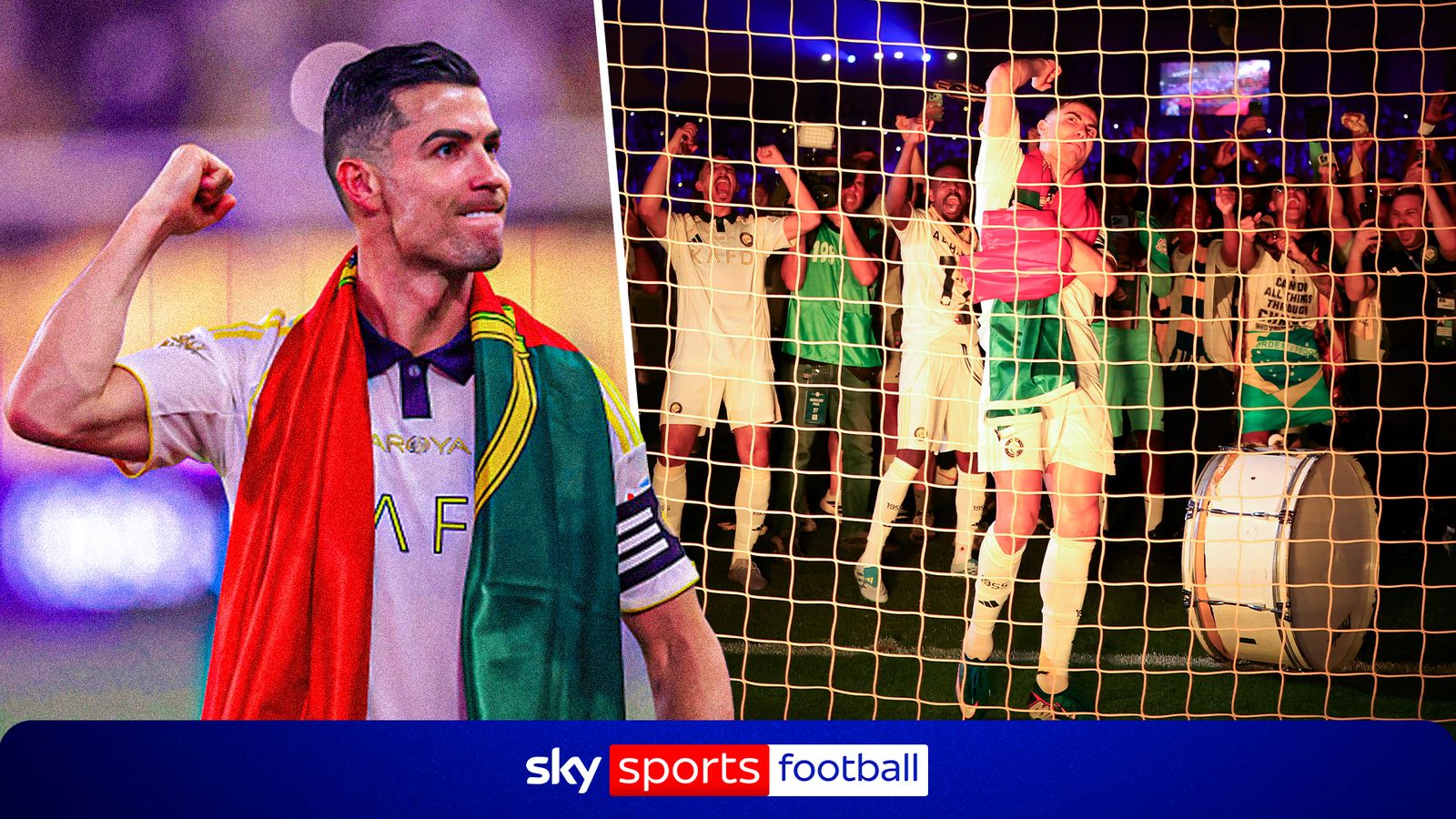
On Thursday night at Al-Awwal Park, Cristiano Ronaldo finally got the photo opportunity he spent three years buying. He hoisted the Saudi Pro League trophy, his teeth flashing under the Riyadh floodlights after a convincing 4-1 victory over Damac. It was supposed to be the definitive validation of his Gulf adventure.
Instead, less than twenty-four hours later, the league’s voting panel delivered a devastating analytical critique disguised as an individual award. They named João Félix, the former Chelsea loanee who arrived in Riyadh last summer, as the Player of the Season. The captain was left holding the collective silverware, but his crown had been cleanly snatched by his own teammate.
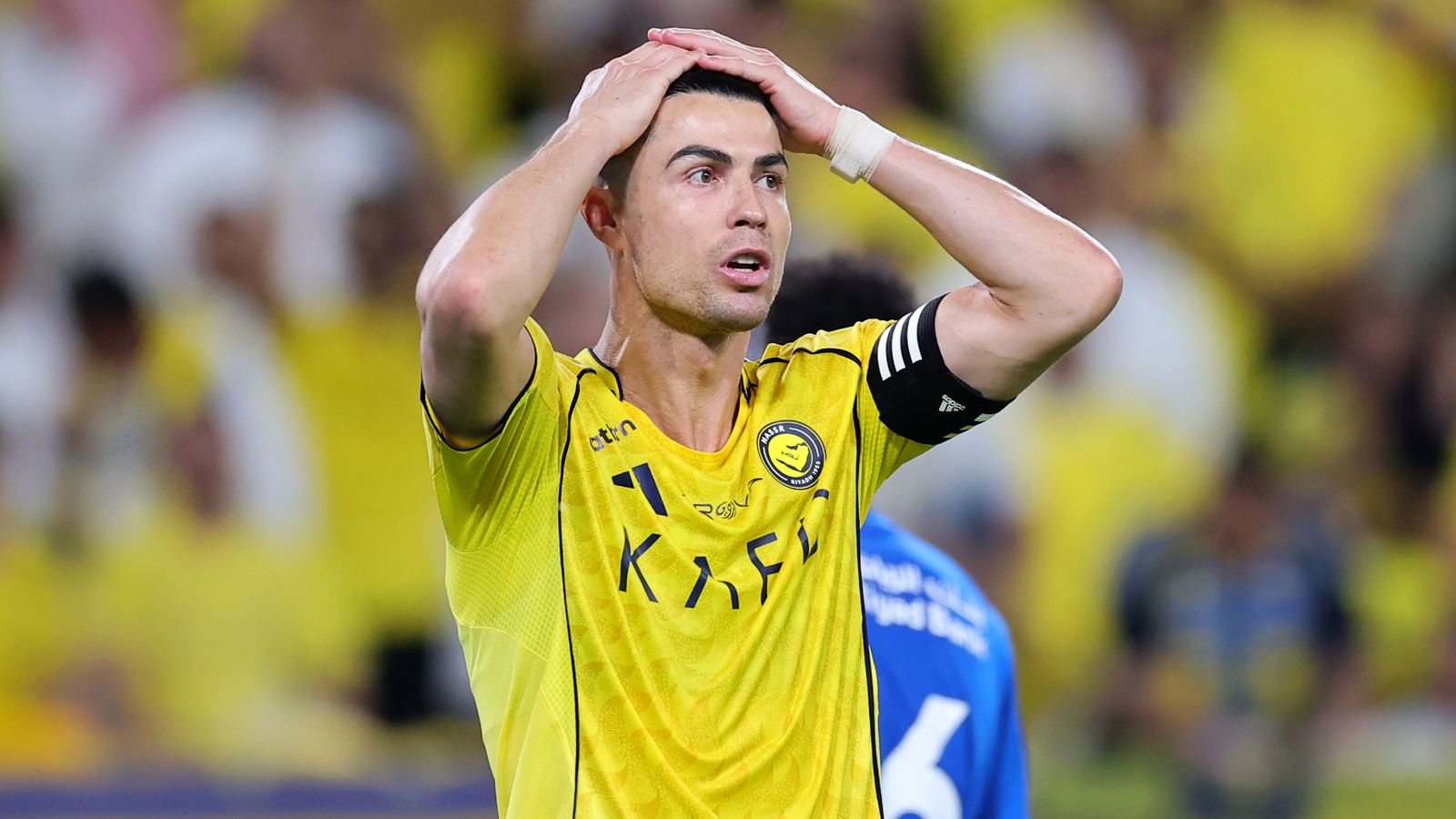
As The Daily Mail reported, the decision was a direct snub to the league's most expensive superstar. Despite scoring twice on the final day, Ronaldo was completely overlooked in favor of a player frequently dismissed in Europe as an expensive flop. The contrast between raw numbers and actual tactical value has never been more stark.
To understand why this decision was tactically correct, one must look past the simple raw goal tallies. It requires a hard look at how Jorge Jesus actually structured Al-Nassr’s title-winning run. It also reveals the massive tactical headache now facing Portugal manager Roberto Martinez as he prepares for the World Cup in less than three weeks.
The Tactical Disconnection: Why Félix Unlocked the Title
Jorge Jesus has spent the last nine months refining an asymmetrical 4-2-3-1 that shifts into a modern 3-2-4-1 during sustained possession. In this system, the left-back tucks inside to form a back three, allowing the double pivot to anchor the midfield. This structural shift is designed to solve a single, massive problem: Ronaldo's complete lack of defensive work rate.
At forty-one, the captain is a structural luxury that requires massive collective compensation. He occupied the central channel against Damac, hovering between their deep center-backs and refusing to participate in any phase of the press. Al-Nassr's Passes Per Defensive Action (PPDA) in matches where Ronaldo started averaged a sluggish 12.1.
When the veteran striker was rested or substituted, that PPDA number dropped to a much tighter 8.4, showing a far more aggressive collective press. To compensate for this defensive passenger, Jesus transformed João Félix into the team's tactical engine. Operating in the hole behind the striker, Félix acted as a defensive screen and a creative hub.
Félix covered an average of 11.4 kilometers per ninety minutes, acting as the primary trigger for the team's counter-press. Against Damac, this tactical division of labor was on full display. The first goal in the 14th minute was a masterclass in spatial manipulation.
Ronaldo's Brace vs. Damac: A Deceptive Masterclass
Félix dropped deep into the left half-space, dragging Damac’s defensive midfielder out of the central lane. This movement created a passing lane directly through the heart of the visitors' defense. Félix slid a perfectly weighted, low diagonal pass into the space behind the center-backs.
Ronaldo, starting his run from the blind spot of the left-sided defender, met the ball cleanly and chipped it over the advancing goalkeeper. It was a goal born entirely of Félix's spatial awareness, yet the headlines focused solely on the finish. The Portuguese playmaker created the vacancy; the captain merely occupied it.
The second goal, arriving in the 58th minute, followed a similar script. Kingsley Coman beat his marker on the right flank and sent a low, hard cross toward the near post. Ronaldo made a sharp, aggressive dart to stab the ball into the roof of the net.
While the clinical finish was vintage Ronaldo, the build-up was initiated by Félix recycling possession under pressure in midfield. The younger player's ability to resist the press allowed Al-Nassr to maintain their offensive shape. Without Félix’s ball retention, those transition opportunities simply do not exist.
When the individual award was announced, the reaction was swift and divided. As Mirror Football reported, the decision was viewed by many as an embarrassment for the Al-Nassr captain. Yet, the underlying data supports the panel's choice. Football is about more than just standing at the end of a production line.
- Cristiano Ronaldo: 28 goals, six penalties, 0.54 non-penalty expected goals (npxG) per ninety, 12.1 team Passes Per Defensive Action (PPDA).
- João Félix: 20 goals, 13 assists, 84.6% final third pass completion rate, 11.4 kilometers covered per ninety.
Ronaldo finished the campaign with 28 goals in thirty league appearances, a phenomenal return on paper. However, a closer look at his underlying metrics reveals a highly protected player. Six of those goals came from the penalty spot, and his non-penalty expected goals (npxG) per ninety stood at a modest 0.54.
Félix, on the other hand, delivered a far more complete statistical profile. He contributed 20 goals and 13 assists in his debut season in the Gulf after his move from Spain. More impressively, he recorded a final third pass completion rate of 84.6% under constant pressure.
This is a player operating at his creative peak, justifying Al-Nassr's massive investment. The £177 million-a-year forward line finally clicked, but it was Félix who proved to be the indispensable piece. While Ronaldo provided the exclamation mark, Félix wrote the entire sentence.
The presence of Kingsley Coman and Sadio Mané on the wings was pivotal to keeping opposing defenses stretched. Against Damac, Mané operated as an inside-forward, frequently cutting inside to occupy the half-space when Félix dropped deep. Coman maintained width on the right, forcing Damac’s left-back into isolated one-on-one situations.
This wide spacing prevented Damac from double-teaming Ronaldo in the box. Yet, when Damac did break through Al-Nassr’s mid-block, the home side looked highly vulnerable. In the 37th minute, Damac midfielder Morlaye Sylla won a penalty after a clumsy challenge from Al-Nassr’s retreating midfielder.
Sylla converted the spot-kick with composure, exposing the massive gaps that appear when Al-Nassr’s front line fails to assist in defensive transitions. This vulnerability is the chief concern for observers looking ahead to international football. If a mid-table Saudi side like Damac can exploit these transitions, elite international teams will run riot.
The Portugal Conundrum: Martinez's World Cup Headache
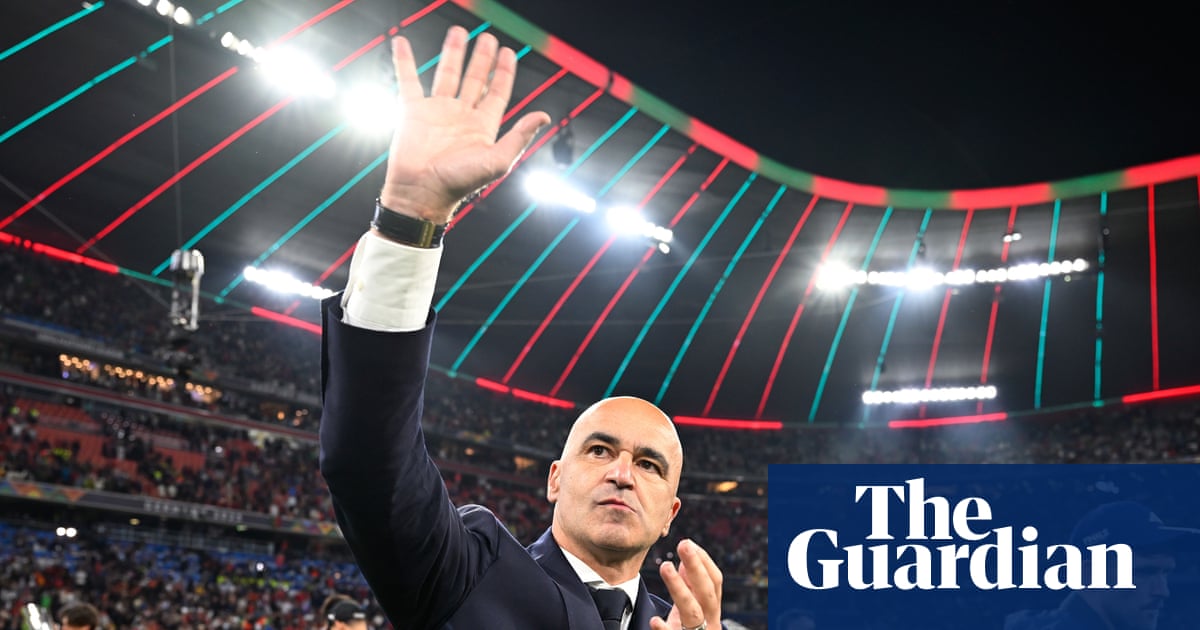
This is the exact dilemma that Roberto Martinez must solve before Portugal kicks off their World Cup campaign. The national team cannot afford to carry a defensive passenger against top-tier opposition. The international break arrives at the worst possible time for team harmony, but the best time for tactical intrigue.
Portugal faces Chile in a high-profile warm-up match on June 6, just five days before the World Cup kicks off on June 11. All eyes will be on the training pitch in Leiria to see how Martinez handles his two Saudi champions. The dynamic between the snubbed captain and the crowned playmaker will dominate the buildup.
In his recent fixtures, Martinez has favored a flexible 3-4-2-1 system. This shape utilizes wing-backs to provide width, with two creative playmakers operating in the pockets behind a single striker. On paper, this should allow both Félix and Bernardo Silva to start behind Ronaldo.
In practice, however, this configuration is a defensive disaster waiting to happen. If Martinez deploys Ronaldo as the lone striker, Portugal loses their ability to press from the front. With Félix also starting, the defensive burden on the double pivot becomes unsustainable.
Against a mobile, aggressive side like Chile, this lack of structural stability will be instantly exposed in transition phases. Chile transitions rapidly from a compact 4-4-2 low-block into a lethal 4-3-3. They rely on intense mid-block pressing traps, forcing turnovers in the central third before launching direct vertical passes.
If Portugal’s central midfielders are forced to cover the lateral spaces left open by a lazy front line, Chile will dominate the half-spaces. Martinez must make a hard choice that will define Portugal’s entire tournament run. He can choose the popular path, starting the legendary captain and hoping individual brilliance outweighs structural flaws.
Or he can make the bold analytical call, benching the forty-one-year-old and building the attack around the mobility of Félix and Diogo Jota. The evidence from the Saudi Pro League campaign suggests that Félix is ready to inherit the keys to the national team. His performance under Jorge Jesus proved that he can carry the creative load while maintaining tactical discipline.
Ronaldo, despite his clinical brace on the final day, remains a specialized finishing tool rather than a modern team player. If Martinez chooses to start Ronaldo, he must adjust his midfield to be hyper-defensive. This would mean sacrificing a creative passer like João Neves for a more industrious destroyer.
This defensive adjustment would inevitably starve Ronaldo of the high-quality service he requires. It is a self-defeating tactical loop that has plagued Portugal in recent major tournaments. Alternatively, Martinez could deploy a 4-4-2 diamond, placing Félix at the tip and Ronaldo in a two-man front line.
This would allow Félix to orchestrate from his preferred central spaces while a high-pressing forward does the defensive running for Ronaldo. However, this shape leaves the flanks wide open to overlapping full-backs, a weakness Chile's speedy wide players would exploit ruthlessly. The tactical tension is exacerbated by the personal pride of both players.
Ronaldo has spent his entire career fueled by individual validation. To see his first league title in three years overshadowed by a teammate he likely views as a junior partner must be incredibly grating. The atmosphere in the Portugal camp will be incredibly tense as the squad gathers in Leiria.
The Chile Blueprint: A Live Tactical Laboratory
The Chile friendly is not just a meaningless exhibition; it is a live tactical laboratory. Martinez will likely use the first forty-five minutes to test the coexistence of Félix and Ronaldo in a standard 3-4-2-1. Expect to see a slow, disjointed Portugal possession phase as Félix and Bernardo Silva occupy the same creative zones.
Meanwhile, Ronaldo will cut an isolated figure up front. In the second half, we will likely see Martinez shift to a more modern, dynamic front three without the veteran captain. The entry of younger, high-pressing forwards will immediately increase Portugal's tempo and defensive solidity.
This contrast will provide the definitive answer to Portugal's summer ambitions, regardless of the final scoreline in Leiria. Chile will provide the perfect physical test for this experimental squad. Their central defenders are notorious for their aggressive, front-foot defending, often stepping out of the defensive line to disrupt playmakers.
If Félix is denied space to turn, and Ronaldo remains stationary, Portugal's attack will look completely toothless in the opening period. Historically, Portugal has struggled to transition away from the gravitational pull of their legendary captain. Every attacking sequence must run through him, creating a predictable offensive pattern.
Top-tier modern defenses find this pattern remarkably easy to neutralize. We saw this exact pattern collapse at the last major tournament, and the tactical data suggests history is about to repeat itself. The rise of Félix in Saudi Arabia, playing under the same tactical manager who unlocked Al-Hilal's record-breaking run, shows a clear path forward.
Félix is no longer the fragile talent who struggled to find his position under Diego Simeone or failed to make an impact during his loan spell at Stamford Bridge. He has matured into a disciplined, highly intelligent playmaker who can lead a modern high-press. By contrast, the captain's refusal to adapt his game to the demands of the modern press is a glaring vulnerability.
Even in a league where the defensive intensity is far lower than the European standard, his defensive passivity stood out as a clear outlier. The voting panel's decision to snub him was not a personal insult; it was a cold, analytical recognition of this tactical reality.
For the warm-up clash in Leiria on June 6, expect a game of two halves. The starting lineup featuring both Saudi league champions will struggle to break down a resilient and aggressive Chilean low-block. Chile will likely exploit Portugal's slow defensive transitions to score an early goal on the counter-attack.
This goal will expose the structural flaws of Martinez’s preferred starting XI. However, once Martinez makes the necessary tactical adjustments in the second half, introducing high-pressing wide players and subbing off the veteran captain, Portugal will seize complete control of the match.
The increased mobility and superior spatial occupation will quickly overwhelm Chile's tired defense, leading to a late flurry of goals. My confident prediction is a hard-fought 2-1 victory for Portugal, with Félix scoring the decisive winning goal from the edge of the box in the 78th minute.
It will be the ultimate statement of intent from the newly-crowned Saudi Player of the Season, signaling a changing of the guard that Martinez can no longer ignore. The era of carrying defensive passengers at the international level is officially over.
Read Next
- Arsenal are about to expose PSG's biggest tactical flaw in Budapest
- Jonatan Giraldez thought he could rebuild Lyon but Barcelona just broke them
- Oli McBurnie just saved Hull City from Championship purgatory
- Why Hull City have the tactical edge in Wembley's surreal play-off final
- 🇵🇹 Portugal World Cup 2026 — A Seleção Hub
- ⭐ Saudi Pro League 2025-26 — Ronaldo, Al Nassr & the Title Race