The Champions League exit takes a physical toll
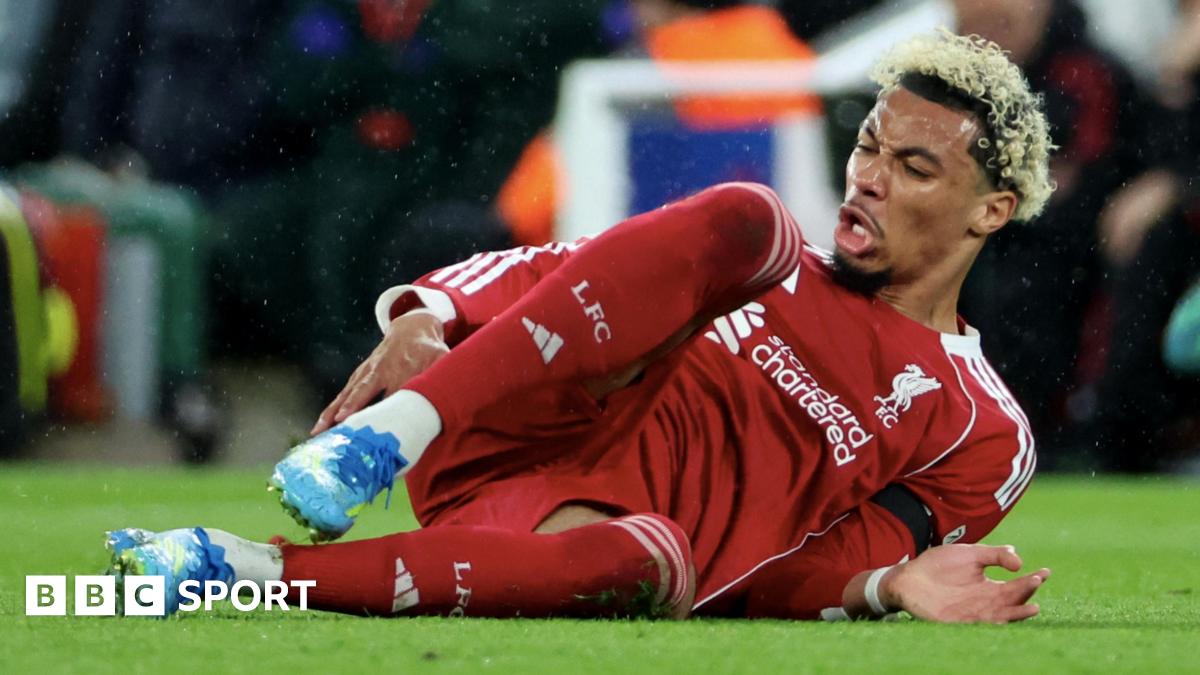
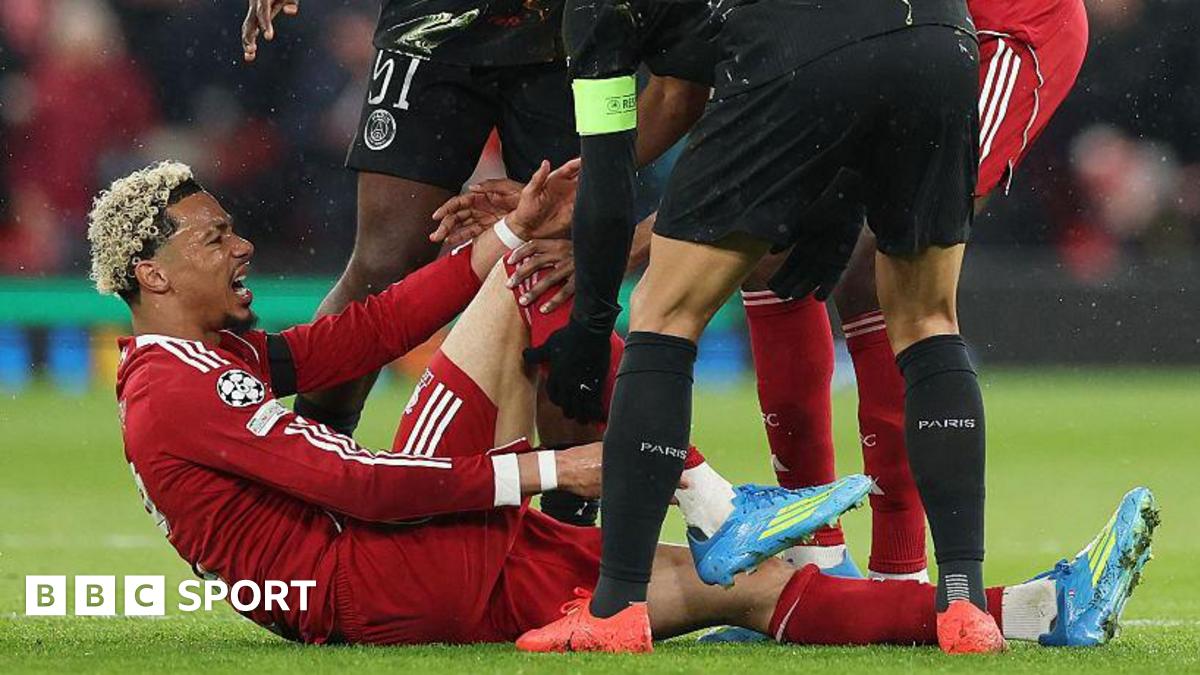
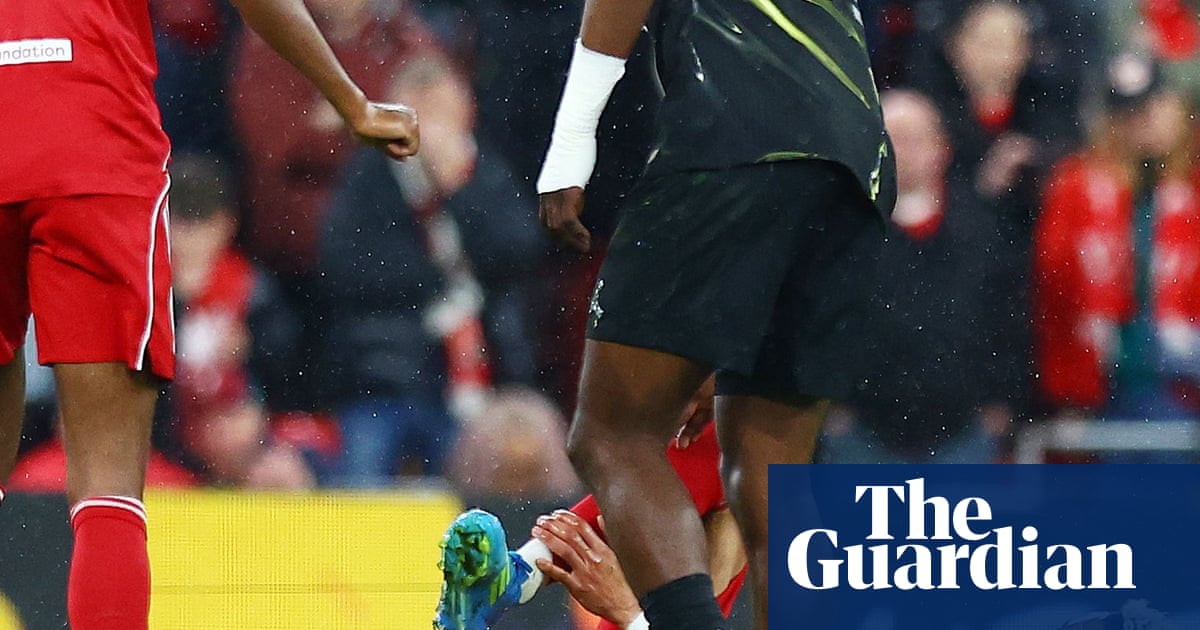
Liverpool’s European campaign terminated Tuesday night in dramatic fashion, but the scoreboard was not the primary concern at the final whistle. The club faces an immediate crisis after forward Hugo Ekitiké was carried off the pitch with what appeared to be a significant Achilles injury. Manager Arne Slot expressed clear distress regarding the midfielder's status following the match against Paris Saint-Germain.
Initial reports from the medical staff categorize the injury as severe, casting immediate doubt on Ekitiké’s ability to participate in the remainder of the domestic calendar. Loss of a key attacker is a tactical nightmare for any squad, but for Liverpool, the timing couldn't be worse as the campaign enters its final stretch.
The medical challenge ahead
Achilles tendon injuries represent some of the most complex rehabilitation cycles in professional football. Standard timelines for such trauma often span several months, necessitating a rigorous physical therapy regimen designed to restore both contractile strength and explosive fluidity. Given the date of this incident, it is virtually certain that his season has reached a premature conclusion.
Historically, players returning from such ailments face a high statistical risk of secondary issues if the transition back to competitive fitness is rushed. Medical teams typically favor a conservative approach, often looking at a 6-to-9 month recovery arc. Slot must now reconfigure his attacking rotations, a task compounded by the team’s ongoing inconsistency in finishing, as highlighted by recent reporting on the match.
Strategic implications for Slot
The manager’s frustration was palpable during his post-match assessment. By failing to convert key opportunities throughout the tie, Liverpool left themselves vulnerable to the very transition attacks that eventually dismantled their structure. Ekitiké’s departure forced an emergency reshuffle that lacked the requisite tactical coherence to bridge the deficit.
The club now enters a crucial period where they must stabilize their domestic output without their primary outlet. This loss exposes a lack of high-level depth in the current squad composition, a flaw that will likely dictate discussions during the upcoming summer recruitment cycle. Competition for attacking positions just became simplified for the remaining roster, but the quality drop-off is visible.
Broader industry concerns
Professional football continues to grapple with the toll of congested fixture lists and high-intensity match demands. Ekitiké’s injury is a singular event, yet it underscores a wider trend involving recurring lower-limb injuries across Europe’s top five leagues. Clubs are increasingly utilizing data to manage player loads, but even the most advanced metrics cannot fully eliminate the risk of a freak accident during a high-stakes competitive game.
The financial impact of a Champions League quarter-final exit—compounded by the loss of a major asset—is non-trivial for the internal balance sheet. As the team pivots to satisfy remaining Premier League obligations, the medical department must prioritize a long-term plan for Ekitiké’s return. Expediency at this stage would likely be counter-productive to his long-term career viability.
Assessing the competitive fallout
Liverpool remains one of the more scrutinized organizations regarding their use of the bench during vital stages of a tournament. Critics argue that the decision to maintain specific attacking partnerships throughout the winter months left Ekitiké, among others, overexposed to fatigue. The tactical reliance on a narrow set of players often precedes these catastrophic failures in physical integrity.
With no more European football to balance, the squad faces a lighter schedule, yet the psychological blow of the exit may impact their league finishing position. Slot’s ability to motivate a jaded dressing room that has just seen a primary threat removed from the pitch will determine their final standing in the table. The result of this setback, specifically the 1-0 aggregate scoreline against them, is now the defining narrative of Liverpool's spring.
Read Next
- Arne Slot's Champions League exit confirms a tactical regression at Anfield
- Liverpool’s defensive crisis deepens as injury report creates UCL headaches
- Anfield goes quiet as Liverpool crash out of Europe
- Hugo Ekitike's season could be over after Champions League stretcher exit
- ⭐ UCL 2026 — Champions League Quarter-Finals Hub