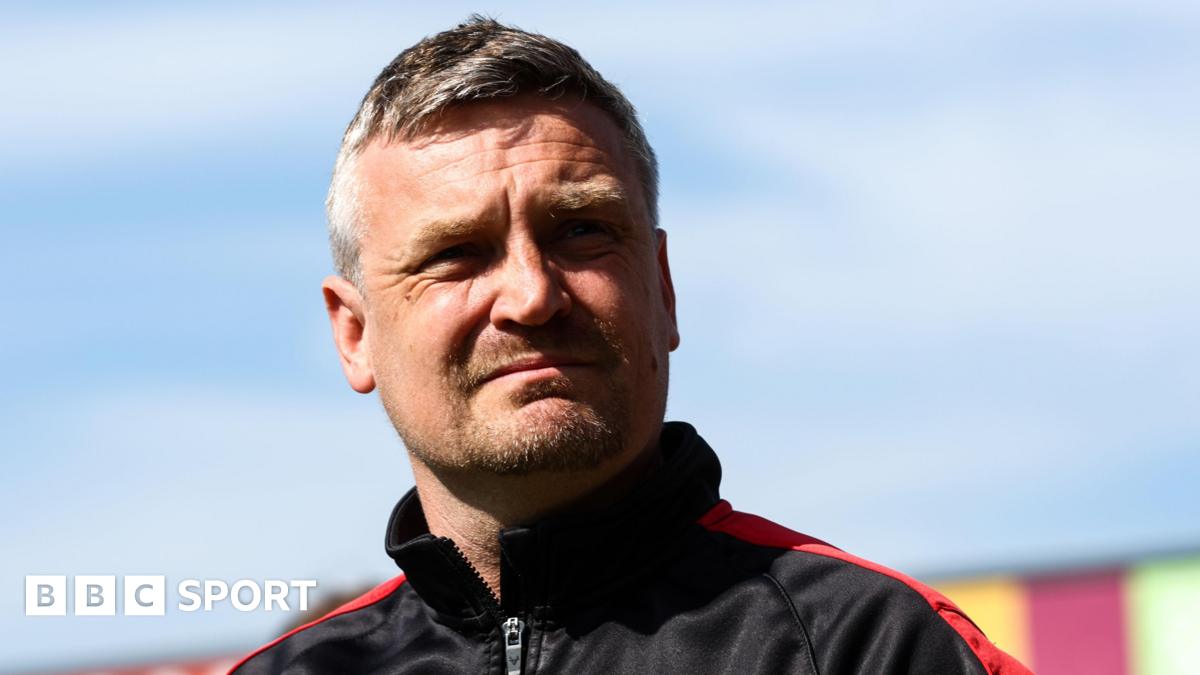
The data-driven rise of Kieran McKenna
Championship final days are usually less about technical mastery and more about who avoids a structural collapse under pressure. Ipswich Town provided the masterclass this afternoon. Just 12 months after dropping out of the top flight, Kieran McKenna has engineered an immediate return that felt more like an inevitability than a typical promotion scrap. The technical efficiency of this side is a outlier in a league often defined by attrition.
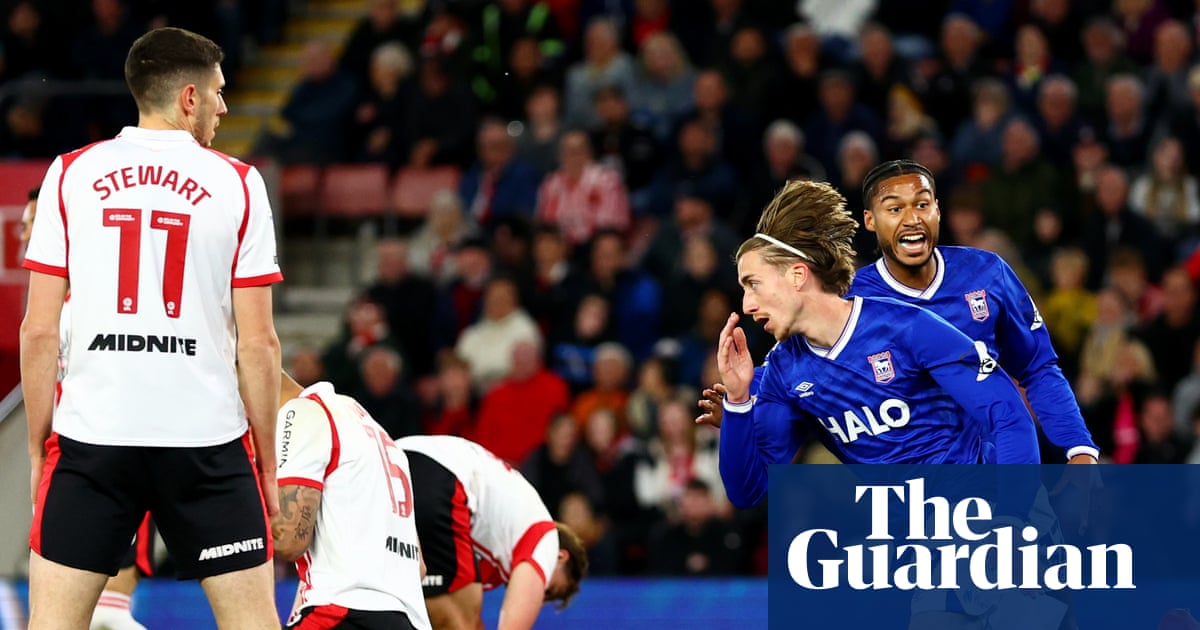
McKenna has refined a high-press system that triggers not on field position, but on specific technical deficiencies in opposition full-backs. At Portman Road today, we saw the culmination of that strategy. As the Daily Mail reported, the atmosphere was electric, but the performance was clinical. Ipswich didn't just win; they controlled the tempo from the opening whistle, taking a two-goal lead inside the first 10 minutes to effectively kill the contest before Millwall could even establish a low block.
The underlying metrics for Ipswich suggest this wasn't a fluke of momentum. Their progressive pass completion rate has remained in the top 5th percentile of the Championship all season. They don't rely on individual brilliance as much as they rely on a rotating cast of inverted wingers who exploit the half-spaces. While Ed Sheeran was in the stands celebrating, the real story was the tactical discipline of a squad that refused to panic when the promotion race tightened in April. It is a rare feat to see a team relegated and promoted in consecutive seasons without a total squad overhaul.
Hull City and the Jakirovic revolution
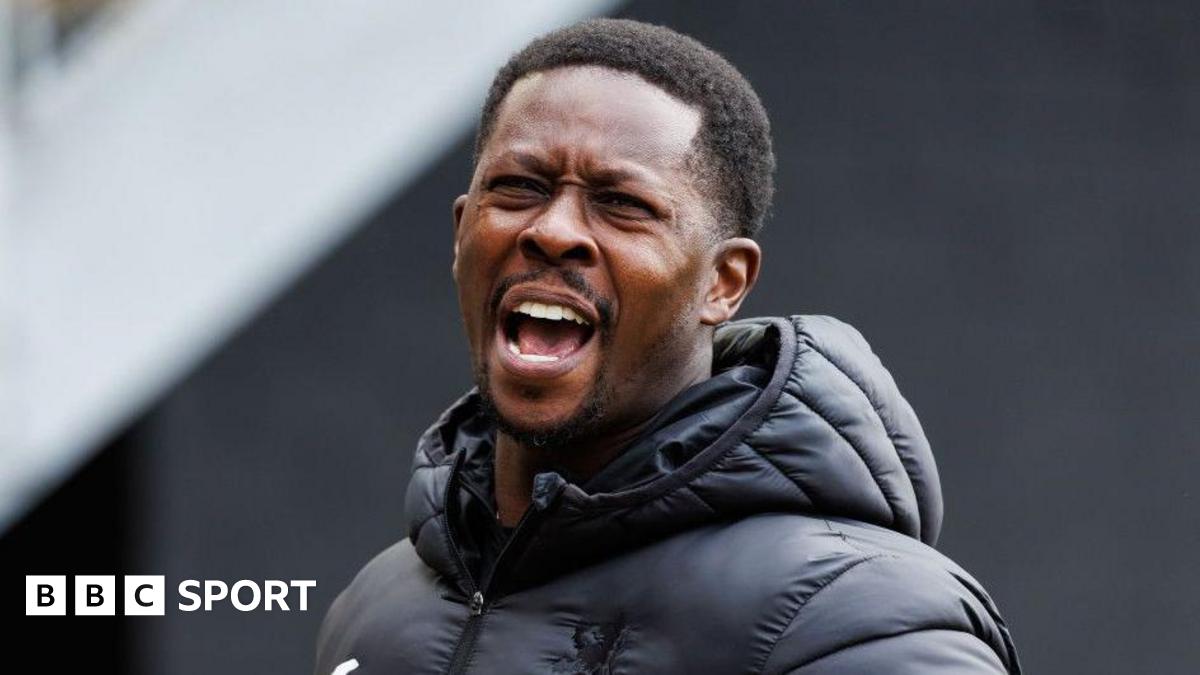
If Ipswich were the model of consistency, Hull City were the afternoon's ultimate disruptors. Sergej Jakirovic has turned the Tigers into a high-variance, high-reward machine that snatched the final playoff spot in the most dramatic fashion possible. Coming from behind against Norwich is a difficult task, but doing it with your season on the line requires a level of tactical flexibility that most Championship managers lack. Hull's 2-1 victory was a testament to their improved second-half adjustments.
Oli McBurnie has emerged as the focal point of this resurgence. His brace today wasn't just about finishing; it was about his ability to pin two center-backs and create space for Hull’s overlapping wing-backs. A year ago, this club survived relegation on goal difference alone. Today, they look like the most dangerous team entering the playoff lottery. The shift from a defensive shell to an expansive, possession-based style under Jakirovic has been the league's most underrated storyline of 2026.
However, there is a fragility to Hull that cannot be ignored. They often overcommit in transition, leaving their defensive midfielders isolated against counter-attacks. Norwich exploited this early on, and a better side would have put the game out of reach before McBurnie’s first goal. If they want to survive a two-legged playoff semifinal, they have to find a way to balance their attacking output with a more rigid defensive structure. The "entertainers" tag is fun for the fans, but it’s a dangerous way to live in May.
The Hollywood ceiling and Wrexham’s heartbreak
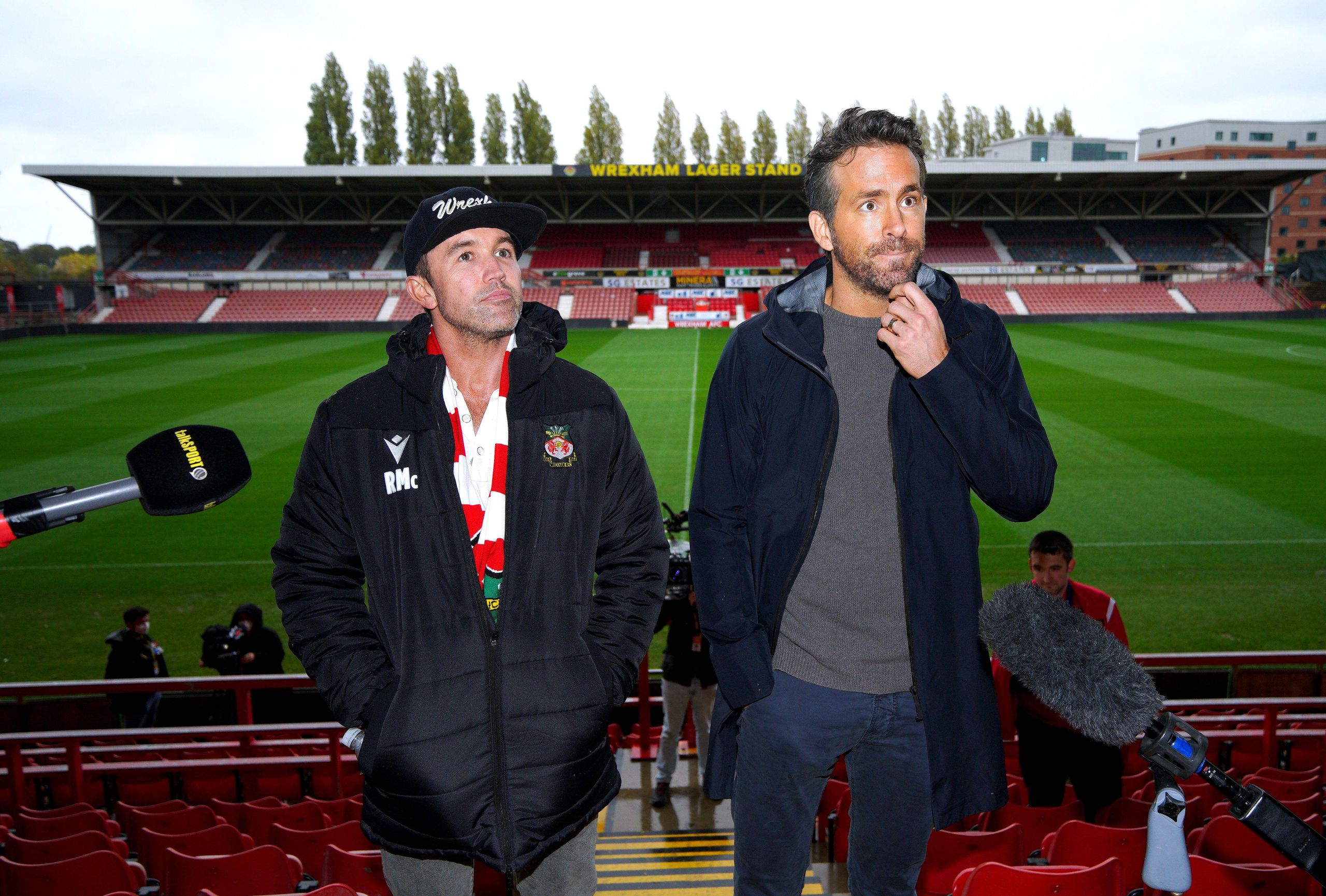
For all the global attention and Disney+ cameras, Wrexham finally hit the ceiling of their current sporting model. Missing out on the playoffs is a bitter pill for a club that has grown accustomed to perpetual upward mobility. As Nathan Salt noted, the pride in the stands was real, but the devastation on the pitch was a reflection of a team that simply ran out of ideas in the final third. The jump to the Championship has been a reality check for the Ryan Reynolds era.
The issue isn't a lack of investment, but a lack of technical depth. Wrexham’s reliance on a direct, physical style of play works in the lower leagues, but Championship defenders are too smart and too fast to be bullied for 90 minutes. They struggled to break down Middlesbrough today, and as the news filtered in that Hull were winning, the Wrexham players looked physically spent. The dream of back-to-back-to-back promotions was always a statistical anomaly, and today the math finally caught up with them.
There is also a growing sense that the club’s off-field branding is starting to outpace its on-field reality. Every missed chance was met with a groan that felt heavier than usual. The pressure of being the league's designated "main character" is a heavy burden, and it showed in their lack of composure during the final 20 minutes. They will need to pivot their recruitment strategy away from aging stars and toward high-ceiling youth if they want to break through this barrier next season.
Leeds survival and the Burnley collapse
While the Championship celebrated or mourned, the Premier League saw a definitive shift in its own basement battle. Leeds United all but secured their survival with a convincing 3-1 win over Burnley. Daniel Farke has been criticized for his pragmatism, but in a survival scrap, pragmatism is a currency. Leeds moved 9 points clear of the drop zone, effectively ending the conversation about their status for next year.
- Ipswich and Hull are the big winners of the afternoon.
- Wrexham and Millwall face a long summer of rebuilding.
- Livingston's relegation from the Scottish Premiership marks a grim end to their top-flight stay.
Burnley, by contrast, looked like a side that had already accepted their fate. They were passive, second to every ball, and lacked any coherent plan to break through the Leeds mid-block. Their relegation is a cautionary tale for clubs that prioritize a specific philosophy over the reality of the personnel available. They tried to outplay Leeds technically and were instead dismantled by a superior tactical setup that focused on quick transitions and clinical finishing.
"United are back, United are back" chorused a jubilant Elland Road as Leeds all but secured their place at English football's top table for another year.
The relegation of Livingston in Scotland after a heavy 3-0 defeat to Kilmarnock serves as another reminder of how quickly things can sour. One season in the Premiership is all they got, and the financial implications will be severe. It is a stark contrast to the jubilation at Portman Road, proving once again that football is a zero-sum game of extreme highs and devastating lows.
Hull City will win the playoffs
Predicting the Championship playoffs is usually a fool's errand, but the momentum is clearly with the Tigers. Hull City are playing with a house-money mentality that makes them incredibly dangerous. Unlike the teams that spent the entire season in the top six, Hull had to fight until the 87th minute of the final day to even get an invite to the party. That kind of battle-hardened psyche is exactly what wins at Wembley.
They will likely face Middlesbrough or Millwall in the semifinals, and based on today's evidence, Jakirovic has the tactical edge. His ability to switch formations mid-game to exploit specific matchups is something most Championship coaches haven't solved yet. If Oli McBurnie stays fit, Hull have the focal point they need to navigate the cagey nature of playoff football. They aren't the most polished side in the mix, but they are the most resilient.
Ipswich will be just fine in the Premier League. McKenna’s system is built for the top flight; it relies on space that is often harder to find in the congested midfields of the Championship. But for now, the focus shifts to the playoff bracket. Wrexham will watch from the sidelines, wondering what might have been, while Hull City prepare to complete one of the most remarkable turnarounds in recent English football history. The Tigers are peaking at exactly the right time.
Read Next
- Wrexham's Hollywood script just hit a rewrite after that playoff disaster
- Portsmouth and Birmingham end their campaigns with a forgettable whimper
- Ipswich proved the doubters wrong but the real work starts now
- Championship chaos is the perfect antidote to super league boredom
- 🏟 EFL Championship 2025-26 — Promotion Race & Play-Off Final Hub