The Pre-Match Protest
Friday's international friendly between Iran and Nigeria in Turkey was supposed to be a routine tune-up ahead of the 2026 FIFA World Cup. Instead, it became a profound statement of grief and defiance.
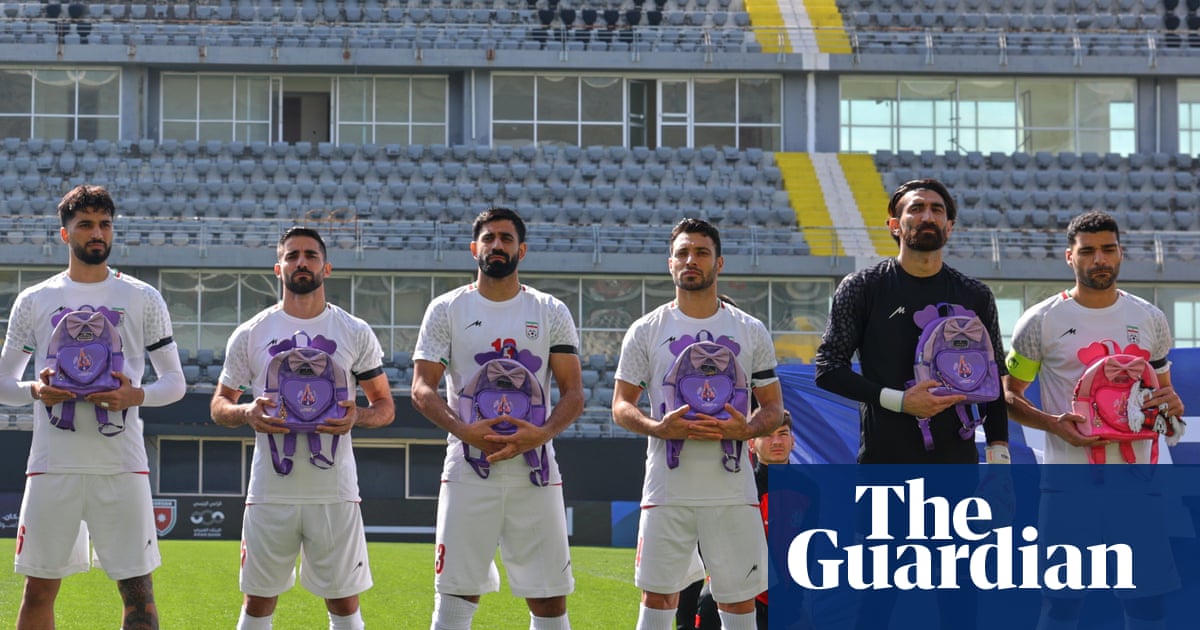
As the Iranian national anthem echoed through the stadium, the starting eleven stood shoulder-to-shoulder. They weren't just wearing the standard pre-match tracksuits. Every player wore a black armband. More strikingly, each player held a schoolbag.
It was a deliberate, highly visible demonstration. As The Guardian reported, the gesture was a direct protest following a devastating attack back home. A US bombing of an Iranian school recently claimed the lives of more than 175 people, with victims primarily being young schoolgirls.
"...a protest over the killing of schoolgirls."
The imagery was stark. Grown men, professional athletes preparing for the biggest sporting event on the planet, gripping children’s schoolbags. It forced everyone watching to confront the reality of the violence. Nigeria went on to win the match, but the 90 minutes of football felt entirely secondary to the seconds before kickoff against the Super Eagles.
The Shadow of the 2026 World Cup
We are exactly 76 days away from the June 11 kickoff of the 2026 FIFA World Cup. The tournament is being hosted across the United States, Canada, and Mexico.
This creates an unprecedented and highly volatile situation. The Iranian national team is preparing to travel to North America to compete in a tournament partially hosted by the nation responsible for the bombing they are currently protesting.
You cannot separate the football from the geopolitical reality here. The Iranian squad is attempting to focus on tactics, fitness, and squad cohesion while their home country deals with mass casualties from foreign airstrikes. The psychological burden on these players is immense.
Historically, the Iran men’s national team has often found itself at the intersection of global politics. During the 2022 World Cup in Qatar, the team famously refused to sing their national anthem before their opening match against England. That gesture was widely interpreted as support for domestic protests back home.
Now, four years later, they are making another massive public statement. But this time, the context is an external attack, and the target of their protest is the very country that will soon be hosting them.
The Psychological Toll on Elite Performance
While this column typically focuses on physical injuries—hamstring tears, ACL ruptures, and metatarsal fractures—the medical reality of this situation cannot be ignored. From a sports science perspective, the impact of national trauma on athlete performance is profound.
Elite football requires split-second decision-making, spatial awareness, and absolute concentration. When athletes are dealing with the psychological fallout of a mass casualty event in their homeland, their cognitive load is maxed out before they even step onto the grass.
Sports psychologists refer to this as ambient trauma. The players are physically in Turkey, going through the motions of a warm-up, executing dynamic stretches and possession drills. But mentally, their focus is split. The central nervous system cannot easily separate the hyper-vigilance caused by anxiety from the focus required for elite competition.
We saw elements of this during the Ukraine national team's qualification run shortly after the invasion of their country. The players pushed themselves to the absolute limit, fueled by adrenaline and national pride, but the emotional crash after the matches was severe. Cortisol levels spike, recovery times increase, and the risk of soft-tissue injuries jumps significantly when athletes operate under extreme psychological stress.
Fitness and Tactical Fallout
For the Iranian medical staff, monitoring the squad right now is a nightmare. You cannot track grief on a GPS vest. You cannot measure heartbreak with blood lactate tests. The staff has to manage players who are likely suffering from sleep disruption, anxiety, and emotional exhaustion.
The loss to Nigeria is a red flag for their on-pitch readiness. Friendlies are about building rhythm and testing combinations, but it is impossible to evaluate the squad's tactical execution under these circumstances. How do you analyze a midfield pivot or defensive transitions when the players just stood on the pitch holding the schoolbags of murdered children minutes prior?
The preparation window is closing fast. Following the UEFA Champions League final on May 28, the international calendar will take full focus. Squads will finalize their 26-man rosters and head to their respective base camps.
For Iran, the next 76 days will be an absolute grinder. They have to manage the physical demands of a long club season, integrate their key players, and somehow navigate the intense media scrutiny that will follow this protest. Every press conference from now until their opening group stage match will be dominated by questions about the US bombing, the 175 victims, and their stance on playing in North America.
With the World Cup rapidly approaching, the fitness team has a monumental task. They have to prepare this squad for the grueling conditions of a North American summer, potentially playing in massive NFL stadiums under the blazing sun. But you cannot build peak physical conditioning on a foundation of severe mental distress.
FIFA's Inevitable Headache
The governing body of world football hates this. FIFA has spent decades trying to sanitize the pre-match rituals of international football, enforcing strict regulations against political, religious, or personal statements on equipment.
Law 4 of the game strictly prohibits any political messaging. FIFA regularly hands out fines for unauthorized gestures or symbols. But how do you fine a team for holding schoolbags in memory of dead children?
The optics for FIFA would be catastrophic. Punishing the Iranian federation for a silent tribute to victims of a bombing would draw massive international backlash. Yet, if FIFA ignores it, they open the door for other nations to use the pre-match anthem as a platform for geopolitical protests.
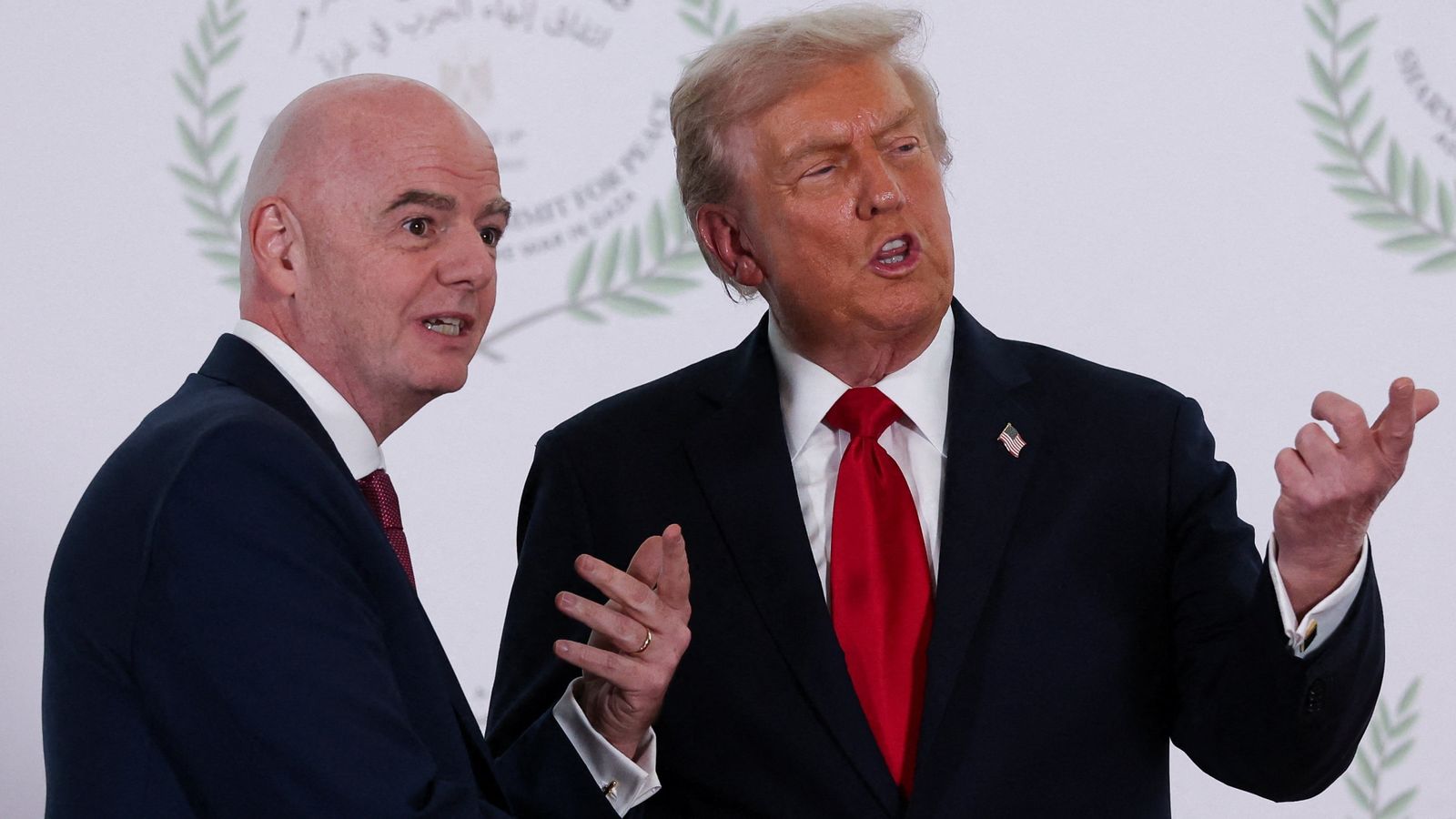
This is the exact scenario FIFA president Gianni Infantino always tries to avoid. But the reality of the world constantly bleeds onto the pitch. You cannot schedule a World Cup involving 48 nations and expect global conflicts to politely pause for a month.
As the football world moves toward the summer, the focus will naturally shift to the pitch. We will talk about tactical setups, physical conditioning, and breakout stars. But Friday's friendly in Turkey serves as a brutal reminder that the players wearing the shirts are human beings tethered to the realities of their homelands. The image of the Iranian starting eleven holding those schoolbags will be one of the defining moments of the pre-tournament build-up. It demands attention, and it ensures that the tragedy of the school bombing will not be quietly ignored.
Read Next
- Iran's Devastating Protest: The Unseen Medical Toll Behind the Nigeria Friendly
- Italy’s Bergamo blueprint is the ultimate warning for Haaland’s Norway
- Ben White's return and the tactical puzzle facing Thomas Tuchel
- Iran's school bag tribute makes the football world stop and stare
- 🏆 World Cup 2026 — Full Coverage Hub
- 🇮🇷 Iran World Cup 2026 — Team Melli Hub