Infantino Draws a Line in the Sand
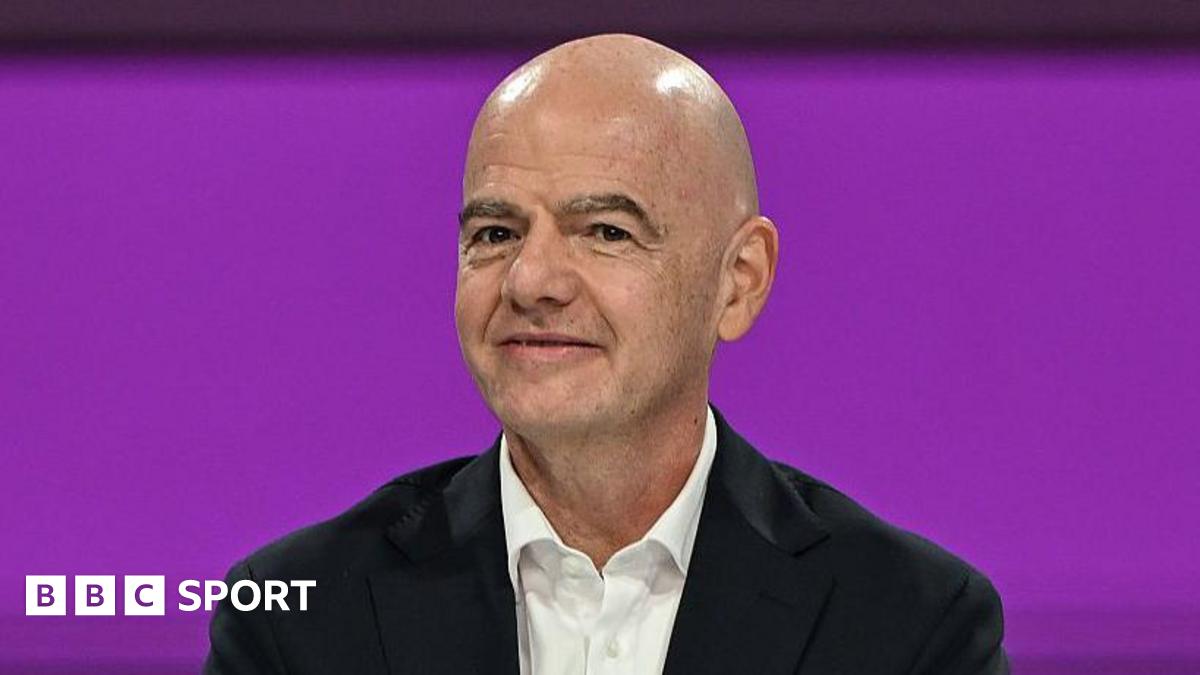
FIFA President Gianni Infantino has shut down speculation and political pressure, confirming Iran will play its 2026 World Cup matches on United States soil as planned. The declaration, reported by Sky Sports, dismisses calls from a block of US politicians to ban the Iranian team over geopolitical tensions and the nation's human rights record.
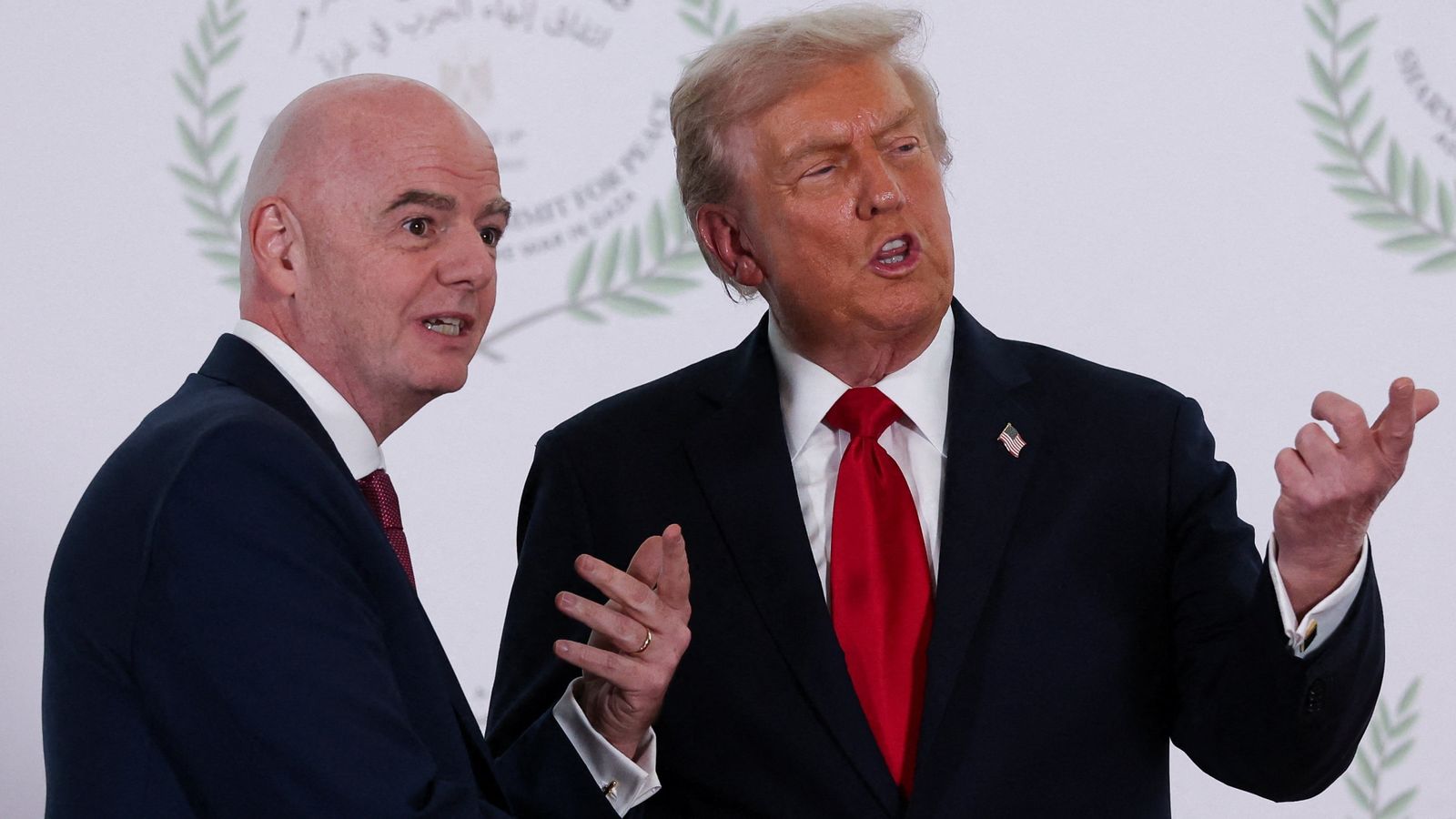
The decision sets up a high-stakes scenario just over a year from the tournament's kickoff. Former US President Donald Trump weighed in, telling reporters to "Let them play," a simple statement that belies the complex political currents swirling around the event. FIFA's stance is clear: the World Cup is a sporting event, not a political stage for international disputes. The organization intends to hold that line, no matter how intense the pressure becomes.
The Political Firestorm
The push to exclude Iran is not a fringe movement. A vocal group of lawmakers has been lobbying the State Department and US Soccer for months, citing Iran's foreign policy and internal oppression as reasons for a ban. They argue that allowing the team to compete on US soil effectively endorses the regime in Tehran.
This campaign gained significant traction following the qualification rounds, placing enormous pressure on FIFA, which has historically tried to separate its tournaments from global politics. The core of the argument against Iran's participation is that it violates the very spirit of international sportsmanship. However, Infantino's statement serves as a direct rebuttal, positioning FIFA as the ultimate authority on who participates in its flagship event.
FIFA's Questionable Consistency
Infantino's position is that football transcends politics. Yet critics are already pointing to FIFA's recent history as evidence of a selective and inconsistent application of this principle. The organization, along with UEFA, moved swiftly to ban all Russian teams from competition following the invasion of Ukraine in 2022. That decision was framed as a necessary response to an act of aggression that made normal sporting contact impossible.
This is the critical observation that undermines Infantino's high-minded rhetoric. Why was one political situation grounds for immediate expulsion while another is ring-fenced as off-limits? FIFA would argue the circumstances are different, but for many, it looks like a double standard. It suggests that FIFA's apolitical stance is, in itself, a political calculation — one based on a complex matrix of broadcast rights, host nation relations, and confederation politics. The decision on Iran, when contrasted with Russia, reveals that the line between sport and statecraft is not just blurry; it's drawn in pencil, ready to be erased and redrawn as powerful interests see fit.
Echoes of '98: The Mother of All Games
For seasoned football fans, this entire situation brings back vivid memories of the 1998 World Cup in France. The draw placed the USA and Iran in the same group, a match immediately dubbed "the most politically charged game in World Cup history." The tensions between the two nations, which had not had formal diplomatic relations since 1980, were at a peak.
What unfolded was a remarkable display of sportsmanship that temporarily defused the political animosity. The Iranian players famously presented their American counterparts with white roses, a symbol of peace in Iranian culture, before the kickoff. The teams posed for a joint photograph, a powerful image that resonated globally. Iran went on to win the match 2-1, their first-ever World Cup victory, but the result felt secondary to the occasion itself. That night in Lyon provided a blueprint for how football can, even for just 90 minutes, build a bridge over a political chasm. Infantino is undoubtedly hoping for a similar outcome in 2026.
Security and Logistics: The Unspoken Challenge
While FIFA projects an image of control, the practical realities of hosting the Iranian national team in the US are staggering. The security operation will be immense, likely involving federal agencies coordinating with local police departments across multiple host cities. The cost and complexity of ensuring the safety of players, staff, and fans will be unprecedented for a World Cup group stage match.
Beyond the official team, there is the question of supporters. The tournament is expected to draw fans from around the globe, and the presence of a large number of Iranian nationals will require careful management. The potential for protests, both for and against the Iranian regime, outside stadiums is a major concern for organizers. This isn't just about protecting the team; it's about managing a potential flashpoint for activism that could easily overshadow the football itself.
Probability and Expected Impact
With Infantino's public declaration, the probability of Iran playing in the USA is now extremely high. It would take a dramatic and unforeseen geopolitical event for FIFA to reverse course now. They have invested their credibility in this decision. Trump's apparent non-objection, while not an official endorsement, removes a significant potential obstacle, making a U-turn even less likely.
The impact will be felt across several domains. For the 2026 World Cup, it guarantees a series of group-stage matches freighted with political narrative, which will undoubtedly be a huge media draw. For FIFA, it reinforces their authority but also opens them up to further accusations of hypocrisy. And for the sport itself, it is another powerful reminder that despite the official platitudes, the world's biggest sporting event can never truly escape the world itself.
Read Next
- Pochettino's USMNT reality check is the wake-up call a naive squad needs
- The Cristiano Ronaldo Problem Is Real, and Portugal Fans Are Nervous
- Gianni Infantino is never leaving and his handshake stunt was a disaster
- Trump backs FIFA on Iran's World Cup status in the US
- 🏆 World Cup 2026 — Full Coverage Hub
- 🇺🇸 USMNT World Cup 2026 — Team USA Coverage Hub