The Confirmation
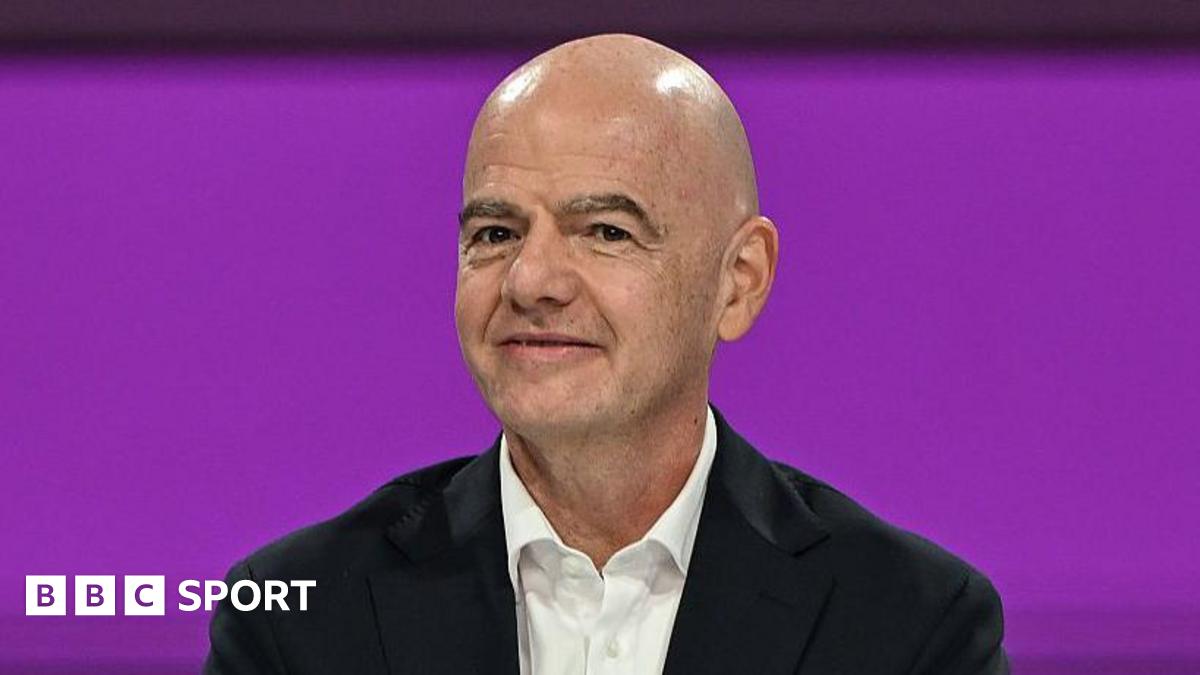
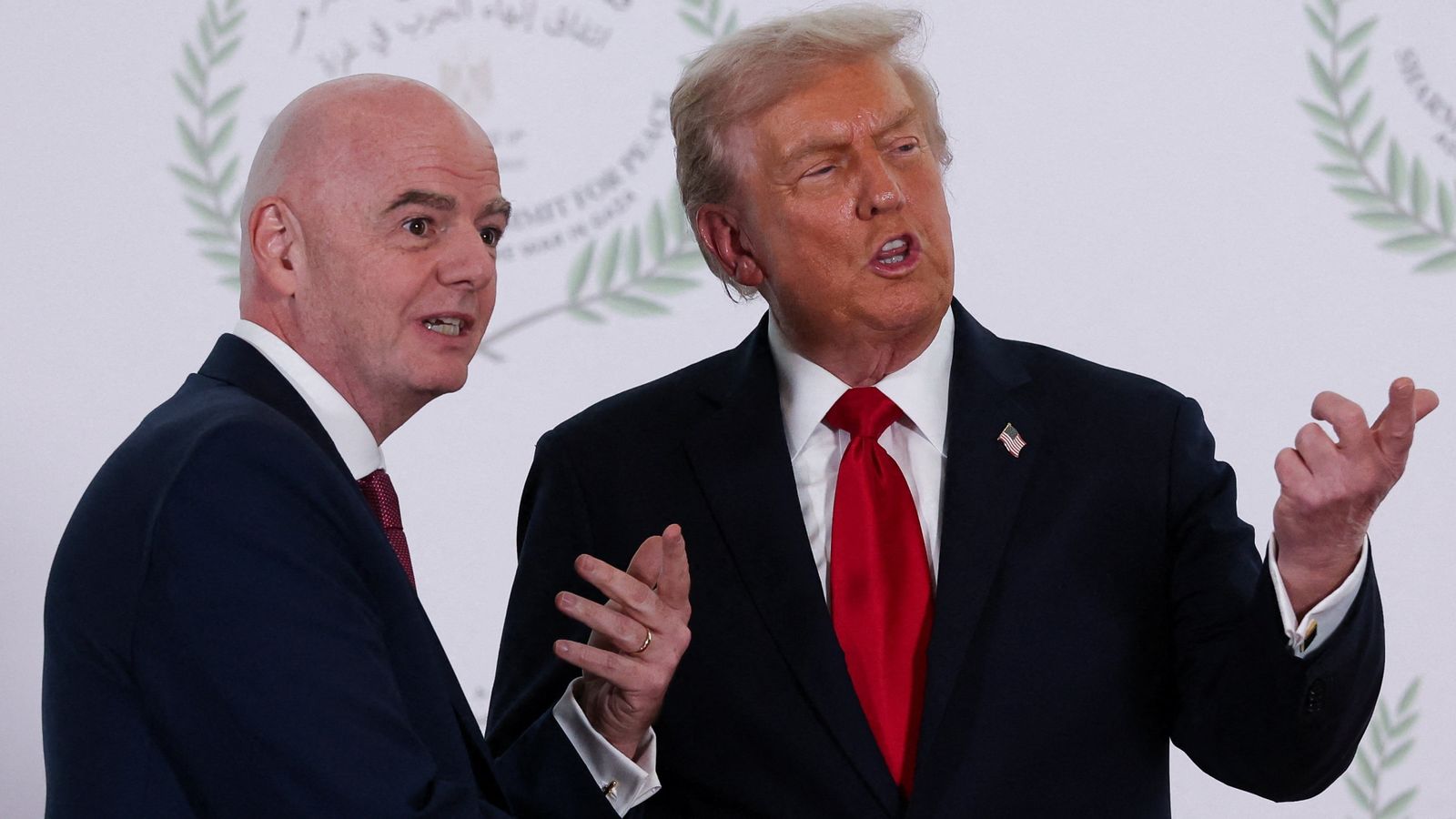
Tier 2 source Sky Sports has outlined the parameters of the summer's most complex arrival. Gianni Infantino has drawn a line, confirming that Iran will participate in the 2026 World Cup in the United States without restrictions. This ends weeks of speculation regarding potential visa denials or political maneuvering that could have blocked the team.
The surprising element is the backing from Donald Trump. The former president offered a blunt assessment of the situation, providing unexpected political cover for the tournament organizers.
"Let them play."
This places a massive geopolitical football issue right at the center of the pre-tournament build-up. While it is not a traditional transfer, securing Iran's safe passage and participation requires the same level of intense, high-stakes negotiation.
The Political Tightrope
FIFA hates political interference until they can use it. Infantino spent the Qatar 2022 cycle dodging human rights questions and the Russia 2018 cycle posing with Vladimir Putin. Now, he faces an entirely different challenge.
He must manage a tournament co-hosted by a nation with no diplomatic relations with one of the participating teams. The United States and Iran have a complex, often hostile history. Bringing the Iranian national team to American soil requires massive coordination between the State Department, local law enforcement, and tournament organizers.
Visas for players, coaching staff, and traveling media will be heavily scrutinized. The public directive simplifies the narrative, but the backstage logistics remain an absolute nightmare. Security costs will spike rapidly, and host cities will need dedicated task forces just to manage the periphery of these matches.
Historical Precedent
This is not new territory, though the stakes feel significantly higher. The United States and Iran played each other in the 1998 World Cup in France, a match Iran won 2-1. That fixture was preceded by floral exchanges and a joint team photo, creating an iconic moment of sports diplomacy.
They met again in Qatar in 2022, a tense fixture the US won 1-0. That match was overshadowed by protests in Iran and the US Soccer Federation temporarily altering the Iranian flag on social media to show solidarity with demonstrators.
That digital move caused outrage from Tehran and threats of FIFA sanctions. Bringing that exact dynamic to US soil in 2026 amplifies every single action. There is no neutral ground here.
The Security Detail
Look at the actual staging of the tournament. The 2026 World Cup spans three countries and multiple time zones. If Iran is drawn into a group playing primarily in the United States, the security apparatus will need to treat their base camp like a fortress.
Protests are guaranteed outside the venues. Exiled Iranian opposition groups frequently organize in major American cities, and the World Cup presents a massive global platform. When the Iranian team steps onto the pitch, the stands will be heavily divided.
We saw this exact scenario in Qatar, where stadium security regularly clashed with fans wearing politically charged clothing. US venues, bound by First Amendment protections, will struggle to enforce FIFA's strict bans on political messaging in the stands. The resulting clashes between stadium policy and local law will be a massive headache.
The Footballing Reality
Lost in the political noise is a highly capable football team. Iran has consistently been one of the strongest sides in the Asian Football Confederation. They possess players with significant European experience who are accustomed to high-pressure environments.
Their tactical setup is usually rigid, defensive, and incredibly frustrating to break down. They are not traveling to North America just to make up the numbers. However, the external pressure on these players is immense and often unfair.
In 2022, the squad faced massive domestic pressure regarding whether they would sing the national anthem. That level of scrutiny destroys tactical focus. Preparing for a World Cup is difficult enough without carrying the weight of a geopolitical standoff on your shoulders.
The Financial Angle
Beyond the politics, there is a massive commercial reality driving this decision. The 2026 tournament features an expanded format, designed to maximize broadcast revenue and global engagement. FIFA cannot afford asterisks on this specific tournament.
If a major Asian market team were excluded due to host-nation politics, the precedent would threaten FIFA's control over future events. Broadcasters in the Middle East and Asia pay premium rates for rights, and keeping Iran in the tournament protects those vital relationships.
The political endorsement of their participation is bizarrely helpful for Infantino on the corporate side. Sponsors despise uncertainty and bad press. This early public assurance is designed to settle the market as much as the political sphere.
The U.S. Soccer Perspective
The United States Soccer Federation finds itself in a strange, uncomfortable position. They are co-hosts, but they do not dictate federal border policy. The federation caught massive heat in 2022 for their social media activism regarding Iran.
Current leadership likely wants to distance themselves entirely from the geopolitical mess. They want to focus strictly on their own squad's progression. However, if the USMNT draws Iran again, the federation will be thrust right back into the center of the storm.
The preparation for such a match would require an absolute media blackout. The focus would inevitably shift from tactical breakdowns to State Department press briefings. A diplomatic incident involving the Iranian team is the exact scenario they are spending millions to avoid.
The Player Experience
Consider the daily environment for the athletes. The Iranian players will be walking into a relentless media circus. In modern football, the mental toll of off-pitch controversy often dictates on-pitch performance.
We saw the French squad collapse in 2010 due to internal strife. The Iranian squad will face daily interrogations about their government, protests, and their own safety. It is an impossible situation for a professional athlete.
The team hotel will require heavy rings of security. Training sessions will be highly restricted and closed to the public. The isolation required to keep the team safe might also break their spirit entirely before a ball is kicked.
Probability Assessment
Looking at the likelihood of these matches proceeding without political interference, the probability is high. Trump's public backing essentially green-lights the visa process for the Iranian delegation. The expected timeline for visa approvals will now likely accelerate, ensuring the team arrives well before the tournament begins.
What Happens Next
The upcoming draw will dictate the severity of the situation. If Iran is placed in a group hosted primarily in Mexico or Canada, the US-specific logistical hurdles decrease slightly. Cross-border travel during the knockout stages would still present major issues.
Infantino's early confirmation is a preemptive strike. By securing public backing from a major American political figure, FIFA is attempting to box out any lower-level bureaucratic attempts to block the team. The State Department rarely bends for sports organizations, but the World Cup operates on a different level.
The tournament is simply too big to fail. The matches will happen, and the players will arrive on time. But the idea that this will be a purely sporting event is completely fictional. Kickoff is still 42 days away, and the friction has already begun.
Read Next
- FIFA stands firm on Iran playing in the States this summer
- Fans react to Infantino confirming Iran will play World Cup games in the US
- Gianni Infantino is actually making Iran play their World Cup games in the US
- The World Cup hype train is off the rails and I am here for it
- 🏆 World Cup 2026 — Full Coverage Hub
- 🇮🇷 Iran World Cup 2026 — Team Melli Hub