The diplomatic whistle blows
Football and geopolitics are crashing together again, and this time, the collision is happening squarely on American soil. With the 2026 World Cup kicking off in exactly 41 days, the operational framework of the tournament is suddenly bending under the weight of international relations.
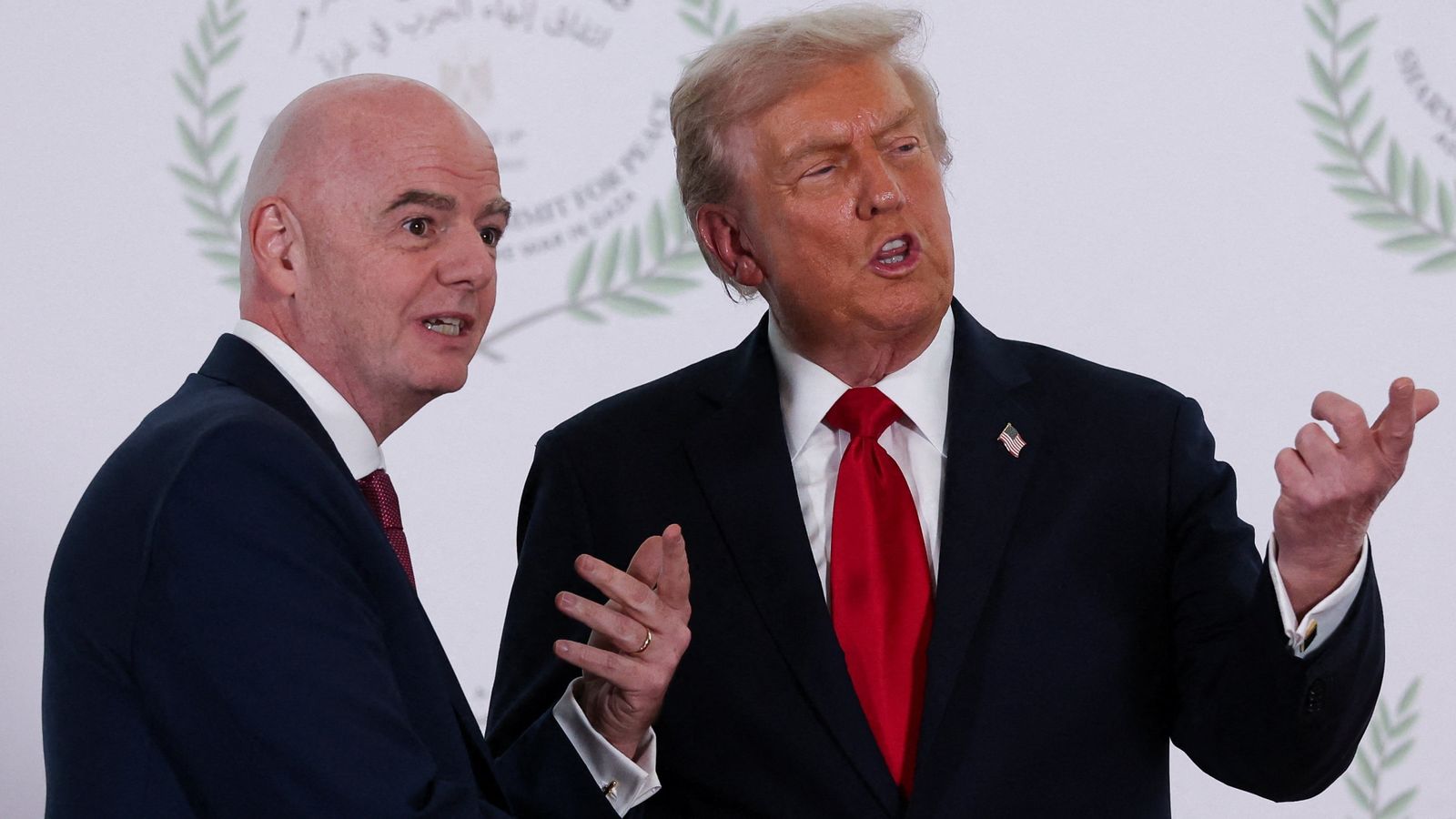
The news that Iran plans to play all three of their group-stage matches in the United States is jarring enough on its face. The catalyst makes it even more surreal. Donald Trump has reportedly executed a stark U-turn, giving his blessing for the Iranian squad to compete within US borders. This decision comes despite the severe, ongoing conflict in the Middle East.
This isn't just a minor administrative update. It is a massive disruption to the expected order of the tournament. The fact that we are sitting weeks away from the opening match and showdown talks with FIFA are only now being scheduled is genuinely alarming. A firm deadline has been set, according to the Mirror's latest report. The very existence of these eleventh-hour negotiations points to a severe lack of foresight from the governing body.
Preparing in a pressure cooker
From a purely footballing perspective, the situation is a disaster. Successful tournament runs are built on meticulous, almost obsessive preparation. Managers spend months finalizing base camps and analyzing travel times down to the minute. They establish a fortress-like environment where players can focus solely on tactical execution.
Iran is now being asked to build their tactical foundation while navigating a diplomatic minefield. How do you drill a cohesive pressing structure when your players are uncertain about the status of their travel documents? The modern international game does not forgive distractions. Tactical setups are far too complex. Set-piece routines require hours of unbothered repetition.
The Iranian squad has traditionally relied on a deep, compact defensive shape and explosive counter-attacks. Executing that kind of reactive, high-discipline system requires absolute mental clarity. A single lapse in concentration against elite opposition means conceding a goal. When your pre-tournament environment is dominated by security briefings rather than video analysis, those lapses become a mathematical certainty.
Consider the midfield pivot. In a standard 4-2-3-1, the two holding midfielders must act in perfect synchronization. They trigger the press, cover the half-spaces, and shield the center-backs. That synchronization requires relentless drilling on the training pitch. If those sessions are delayed, shortened, or overshadowed by off-field chaos, the midfield spacing will be fundamentally broken.
The logistical reality of a US-based group stage
The expanded 48-team format was always going to stretch the operational limits of the host nations. Adding this layer of geopolitical tension turns a difficult task into an unprecedented security challenge. Hosting the Iranian national team in the current political climate requires an operation that goes far beyond standard matchday protocols.
We are looking at specialized travel corridors and heavily fortified training facilities. There will be massive police presences at the stadiums. The atmosphere around these three group-stage matches will be tense. The players will essentially be living in a bubble within a bubble.
This brings us to a harsh, unavoidable criticism of FIFA. Expanding the tournament across three massive nations was a financial triumph, but the governing body clearly failed to scenario-plan for this exact reality. The United States has strict, complex diplomatic relations with several qualified nations. Leaving the resolution of Iran's participation to a high-stakes deadline just weeks before kickoff is administrative negligence. FIFA should have secured these guarantees years ago. They certainly shouldn't be scrambling days before the squads are due to arrive.
The FIFA intervention
We need to talk about these showdown talks. What exactly is FIFA bringing to the table at this late stage? When a governing body sets a deadline this close to the tournament, it usually means they are out of options. They are trying to force a resolution through sheer panic.
The logistical demands Iran will place on FIFA are massive. We are not just talking about securing visas for the 26-man squad. We are talking about the extended coaching staff, medical personnel, kit men, and the official delegation. Every single name on that list will require intensive background checks and security clearance from US authorities.
If FIFA fails to streamline this process, the Iranian federation will be forced to leave key personnel behind. Imagine trying to navigate a World Cup without your lead physiotherapist or your primary video analyst. The margins in modern football are razor-thin. Losing even one member of the backroom staff can throw off the entire matchday preparation.
Furthermore, FIFA has a duty of care to the players. By allowing this situation to drag on, they are actively harming the sporting integrity of the group stage. The teams drawn against Iran will also be impacted by the circus. Their pre-match press conferences will be dominated by political questions rather than tactical analysis. The entire group will be dragged into the diplomatic mud.
The weight of history and travel
We have seen the United States and Iran share a pitch before. The 1998 encounter in Lyon remains one of the most politically charged matches in World Cup history. The 2022 meeting in Qatar was similarly fraught, carrying immense weight for both nations. But playing these matches in a neutral venue is entirely different from the Iranian national team setting up a permanent base camp in the US.
The host nation dynamic amplifies everything. The media scrutiny will be relentless. Every training session, every press conference, and every movement outside the hotel will be broadcast and analyzed through a political lens. For the players, the football almost becomes secondary. They are being asked to act as diplomats while trying to compete against the best athletes on the planet.
There is also the brutal reality of North American travel. The 2026 tournament is spread across three massive geographic zones. If Iran's base camp options are restricted by security concerns, they may be forced into suboptimal travel schedules. Flying four hours across time zones between matches destroys physical recovery.
You cannot separate the performance on the pitch from the environment off it. The physical toll of the tournament is hard enough. Adding the mental exhaustion of this geopolitical circus will inevitably drain the squad's energy reserves. When you are defending a narrow lead in the 75th minute, you rely on muscle memory and sheer willpower. If that willpower is eroded by weeks of off-pitch stress and jet lag, the defensive block will shatter.
Tactical compromises on the pitch
Let's look at what this means for the actual football. When a team's preparation is severely disrupted, managers usually default to survival tactics. You strip away the complex offensive patterns and focus entirely on damage limitation.
I expect Iran to sit deeper than usual. They will likely abandon any high-pressing triggers. The coaching staff will recognize that they do not have the physical or mental freshness to sustain a high line. The fullbacks will be pinned back, effectively creating a flat back six out of possession. This invites pressure. Against top-tier sides, inviting 90 minutes of sustained pressure usually ends in defeat.
The transition game will suffer heavily. Quick, progressive passing requires players to anticipate each other's movements perfectly. That anticipation is built on the training ground. If their training sessions are compromised by limited facility access or restricted movement, the timing of those counter-attacks will be off by fractions of a second. A pass that should split the center-backs will instead be intercepted. The team will be forced straight back into their low block.
Set pieces will also be a major vulnerability. Without the necessary hours to run defensive drills, zonal marking systems tend to fail. Players hesitate, unsure of their specific responsibilities when a ball is whipped into the six-yard box. In international football, over 30 percent of goals come from dead-ball situations. A disorganized defense is a death sentence in these moments.
The final verdict
The reality is that Donald Trump's blessing, while clearing the immediate political hurdle, does not solve the footballing problem. The damage to Iran's preparation is already being done. As the clock ticks down to the summer, every day spent negotiating with FIFA is a day lost on the training pitch.
The tournament begins on June 11. The margin for error is officially zero. Iran's players are tough, tactically disciplined, and capable of frustrating superior opponents. But they are being placed in an impossible situation. The structural integrity of a team relies on routine, and all routine has been stripped away.
My prediction is grim but realistic. Iran will take the pitch in the United States, but the lack of focused preparation will be blindingly obvious. They will struggle to maintain their defensive shape in the latter stages of matches. Expect a disjointed, physically exhausted team that fails to make it out of the group stage. The political circus will simply prove too heavy a burden for the football to shine through.
Read Next
- Trump backs FIFA on Iran's World Cup status in the US
- FIFA stands firm on Iran playing in the States this summer
- Fans react to Infantino confirming Iran will play World Cup games in the US
- Gianni Infantino is actually making Iran play their World Cup games in the US
- 🏆 World Cup 2026 — Full Coverage Hub
- 🇮🇷 Iran World Cup 2026 — Team Melli Hub