
Politics is already overshadowing the 2026 World Cup

Logistical maneuvering and the shadow of the state
The arrival of the Iranian national team at Tijuana International Airport this past Sunday was meant to be a routine logistical milestone for the 2026 World Cup. Instead, it served as a stark reminder that professional sport rarely operates in a vacuum. Forced to pivot away from their planned Arizona training base, the ripple effects of international policy are once again altering the technical preparation of a tournament squad.
When a federation is compelled to scramble for new lodging and training pitches just three days before the opening whistle, muscle memory and rhythm are the first casualties. The movement of staff, kit, and medical records from an established facility to a makeshift one causes unnecessary friction. Even the most disciplined coaching staffs struggle to maintain intensity when external forces dictate their living arrangements.
The cost of geopolitical friction
As reported by the Mirror, the visa row involving Donald Trump creates a narrative that distracts from the pitch. It is difficult to analyze scouting reports or pressing triggers when players are being grilled about foreign policy in airport terminals. Professional athletes excel through repetition and singular focus, but the current situation imposes a chaotic element that no strength and conditioning coach can account for.
Tactical continuity requires a stable environment. Training sessions in the 82 hours leading up to the competition are vital for cementing set-pieces and defensive transitions. The shift in base camp suggests that Iran's physical prep has likely taken a back seat to administrative firefighting. Relying on a new facility often means dealing with sub-optimal pitch surfaces or insufficient gym space, which can lead to fatigue or soft-tissue injuries.
The danger of a distracted camp
We see the impact of external stress on performance constantly in league football. When a squad lacks a permanent home, the small margins that decide outcomes shift elsewhere. If a team experiences a drop in pass completion rate or defensive cohesion during their opener, the blame is often fixed on the manager. Often, the reality is far more mundane: poor sleep, travel fatigue, and the psychological drain of a public dispute.
The Iranian squad will need to bunker down quickly if they hope to manage the pressure of the group stages. History suggests that teams who allow themselves to be caught in the crossfire of political headlines struggle to find their tactical identity. Unless the federation can insulate the players, the tournament will be a brief stay rather than a deep run. The politics of this visa row are not just headlines; they are direct contributors to the team's potential failure or success on the pitch.
With kickoff only 72 hours away, the emphasis must shift back to the technical requirements of the group. If the players are consumed by the diplomatic failure surrounding their entry, their recovery times will lag and their focus during high-intensity pressing sequences will diminish. Every moment spent discussing a visa is a moment not spent studying the space between the midfield lines or the opponent's defensive vulnerabilities.
This disruption, while unfortunate, is a clear failure in management. A major tournament base should provide a sanctuary, not a flashpoint. Whether the squad can overcome this remains the primary variable in their opening strategy, and frankly, I expect the lack of preparation to be visible in their first defensive rotation.
Read Next
- Diplomatic friction is already looming over the 2026 World Cup
- Three days to kickoff and nobody knows what to expect from Saudi Arabia
- Denmark faces a grim reality as the World Cup countdown begins
- Steve Clarke's tactical gamesmanship is already backfiring
- 🏆 World Cup 2026 — Full Coverage Hub
- 🇮🇷 Iran World Cup 2026 — Team Melli Hub
Yufree Anti Slip Soccer Socks for Men 4-Pack
Say goodbye to foot slippage inside your boots.
Frequently Asked Questions
How do sudden changes in training bases affect football players?
What impact does political distraction have on tournament preparation?
Why is the final 82 hours of training important for World Cup squads?
What are the physical consequences of a squad lacking a permanent home?
How does international policy interfere with professional football logistics?
More Coverage

Thomas Tuchel's England selection prioritizes rigidity over creative flair
9 hours ago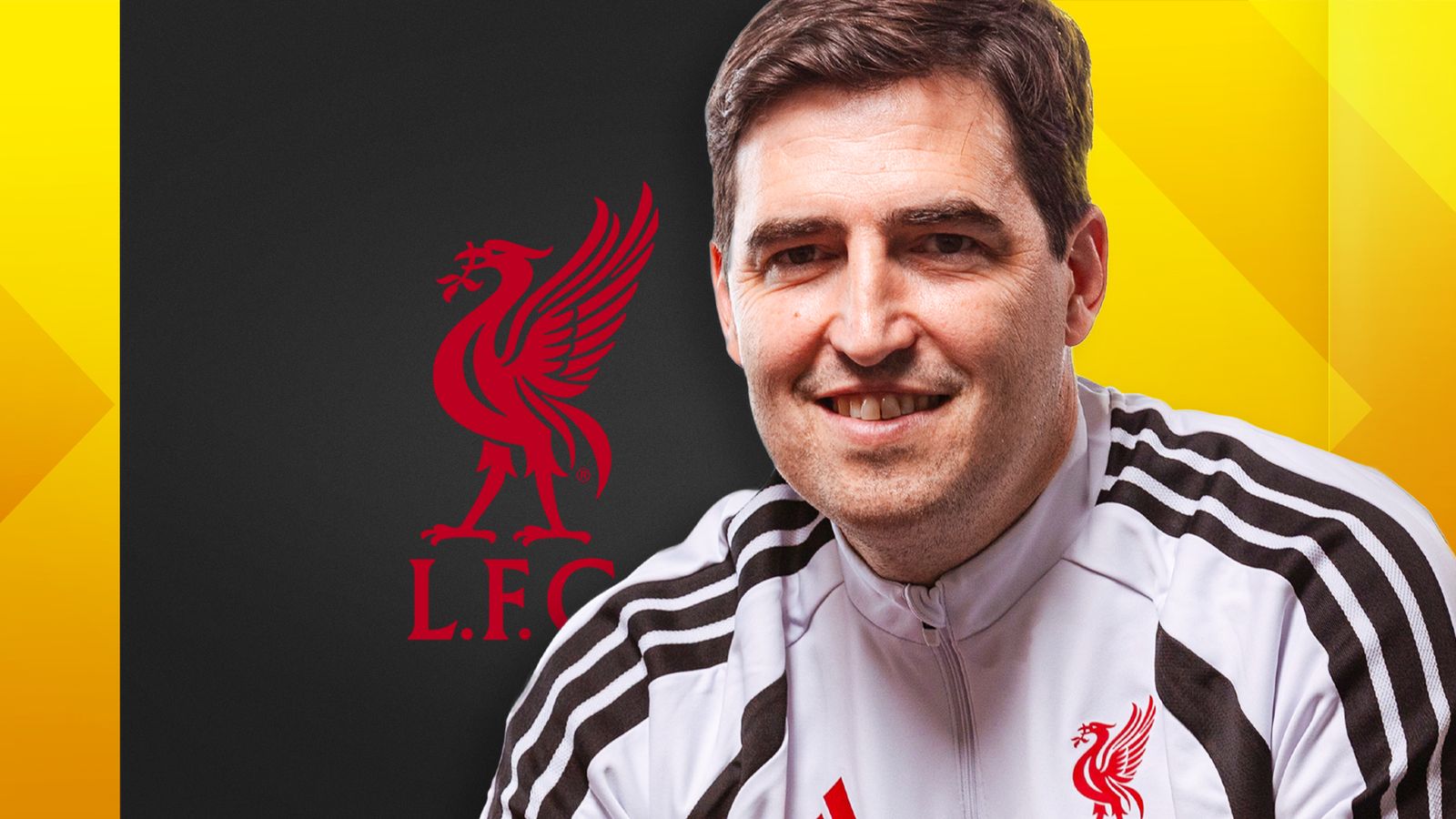
Liverpool’s backroom exodus is a massive gamble for Arne Slot
19 hours ago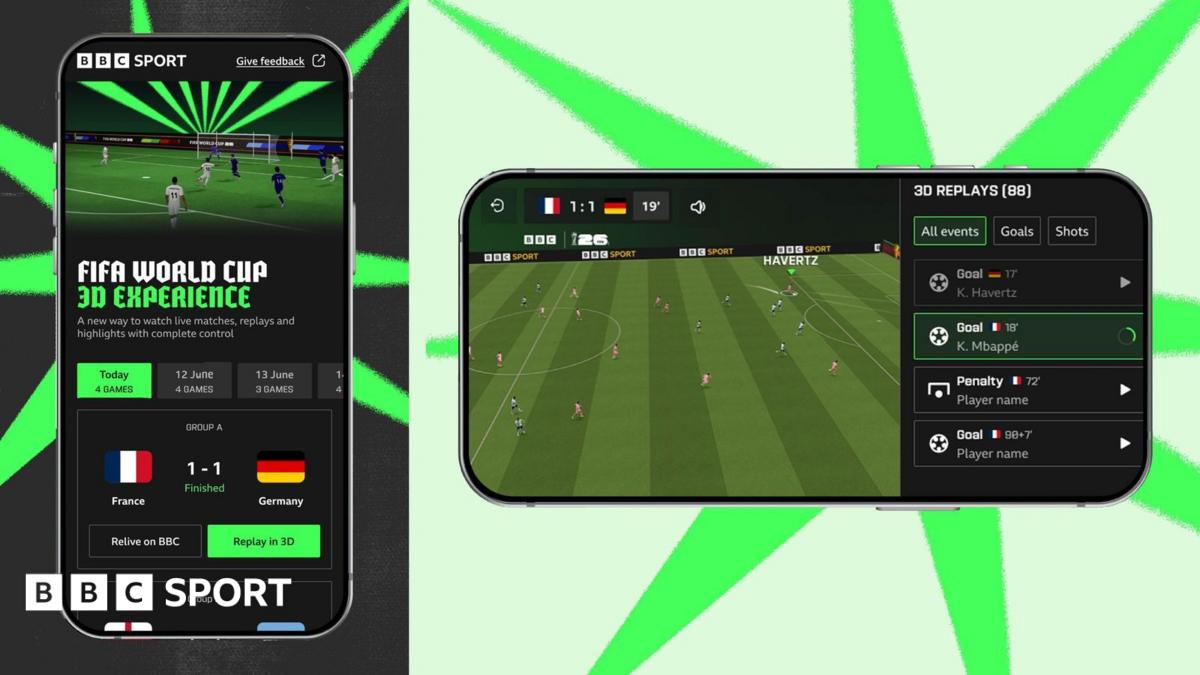
Tactical cameras are changing how we watch the World Cup
19 hours ago
Iran’s World Cup opener is more a security operation than a football match
1 day, 7 hours ago
Thomas Tuchel's disciplined approach to England's World Cup quest
1 day, 8 hours ago
Newcastle and Wolves prove identity crises are more costly than poor results
1 day, 8 hours agoMore Analysis
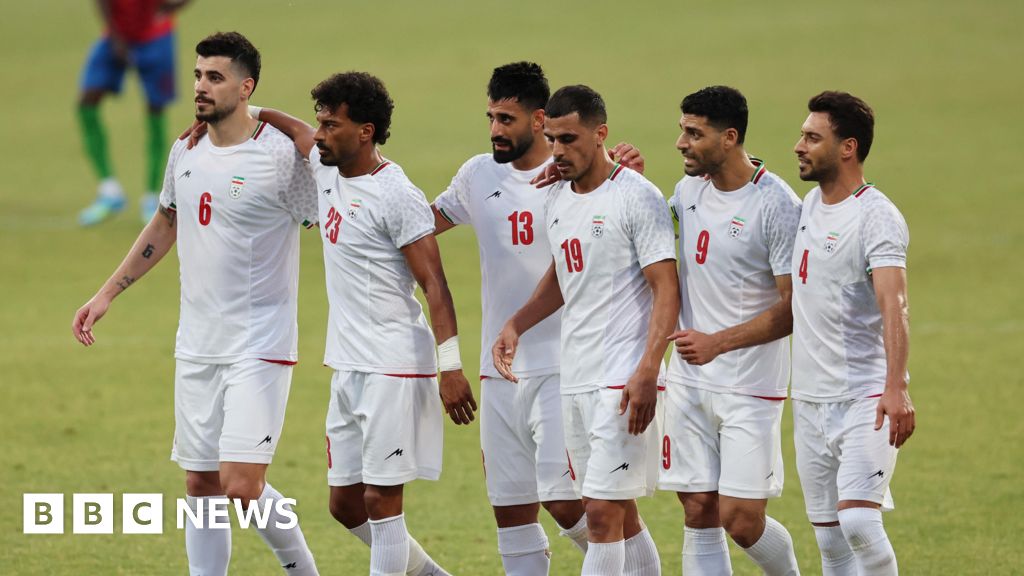
Bureaucracy is already sabotaging Iran's World Cup buildup
6 days, 15 hours ago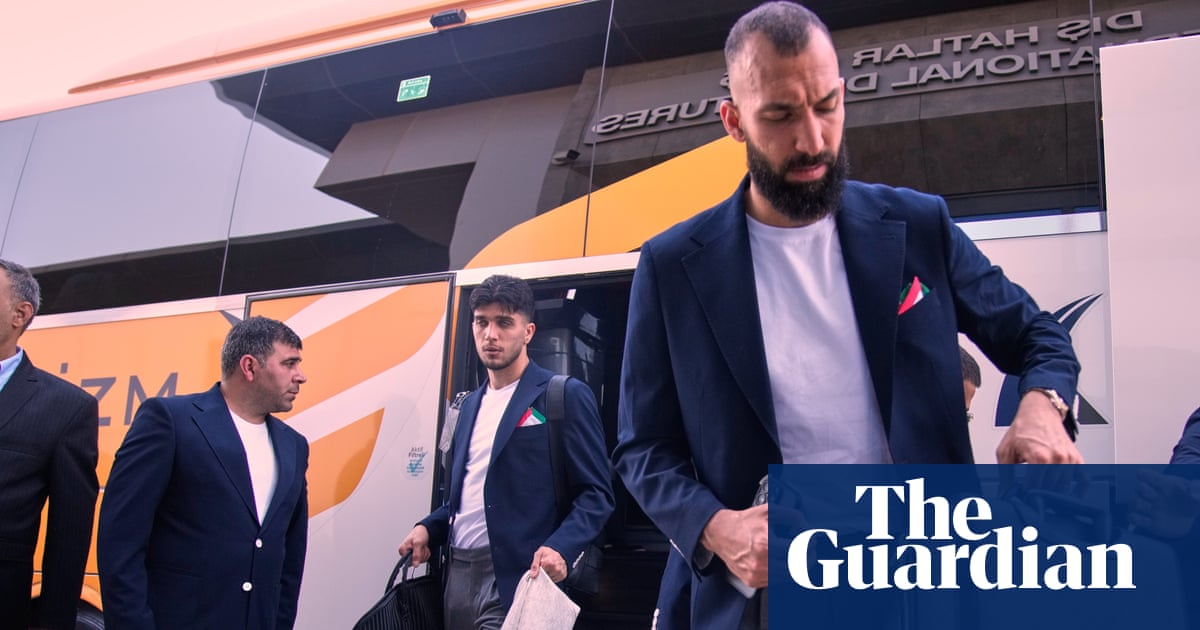
Diplomatic friction is already looming over the 2026 World Cup
5 days, 19 hours ago
Iran's World Cup fate rests on a bizarre Trump U-turn
1 month, 1 week ago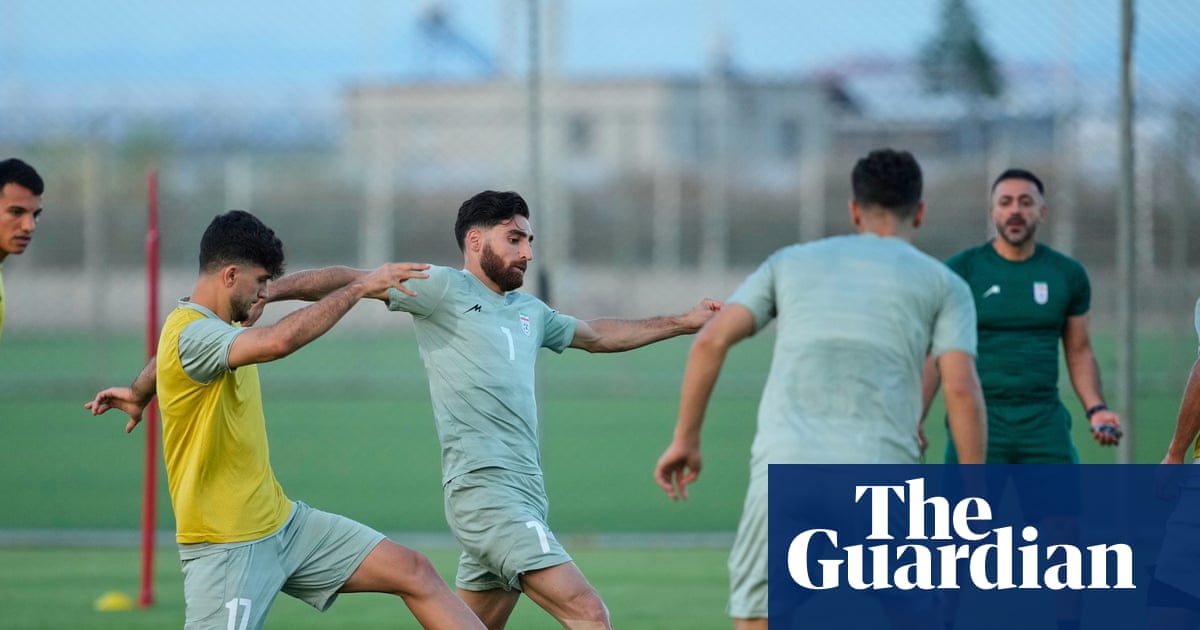
Iran’s visa crisis proves the World Cup is already stumbling
6 days, 18 hours ago
Politics keeps hijacking the pitch before the World Cup even starts
3 days, 19 hours ago