Italian football is obsessed with its own ghosts
Milan must look forward instead of clinging to Allegri
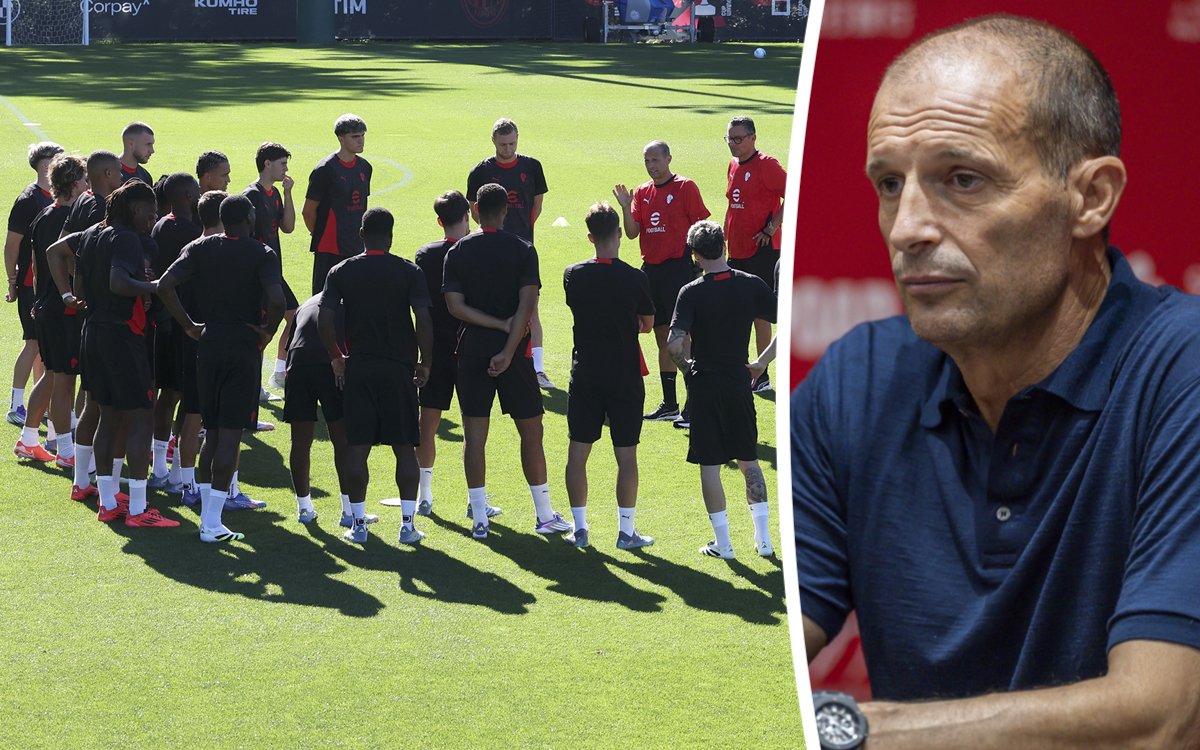
The Italian football chatter has reached a point of circular stagnation. Reports suggest that Carlo Pellegatti has urged Milan to shield Massimiliano Allegri from the swirling rumors linking him to the national team vacancy. It feels like a desperate attempt to manufacture a narrative where none should exist. Allegri’s tactical footprint—conservative, reactive, and often stifling—hardly aligns with the urgent need for a progressive overhaul in the Italian national setup.
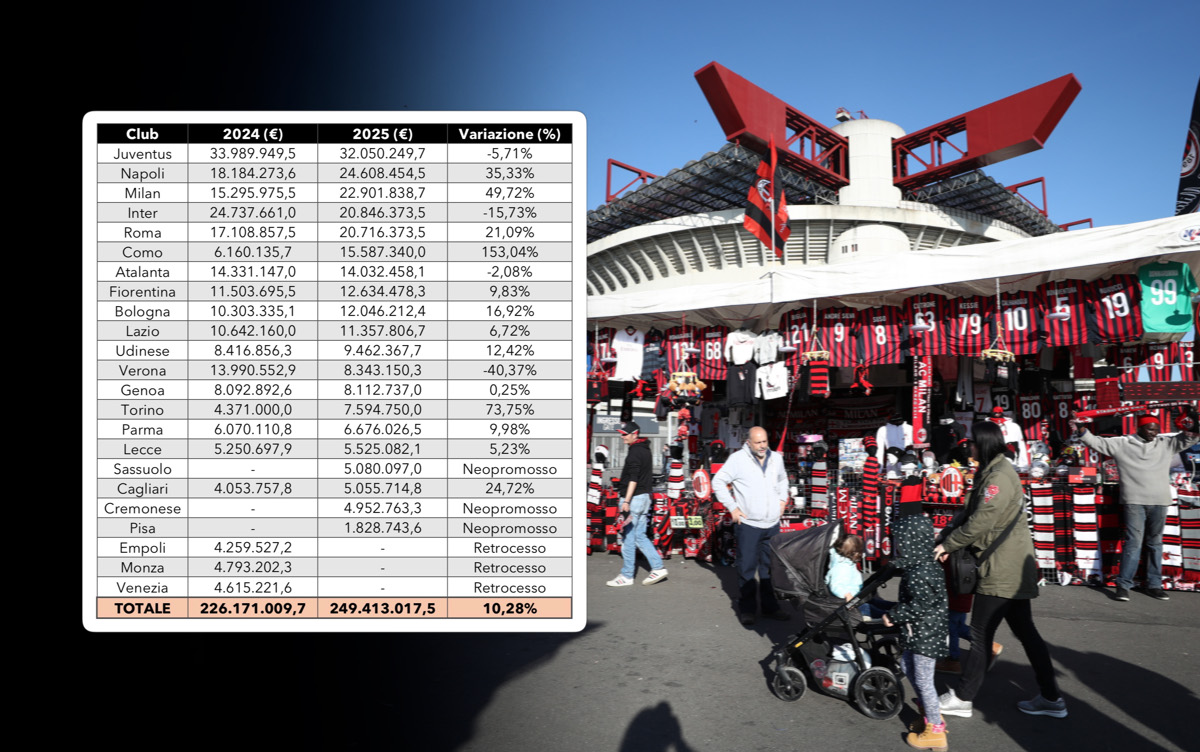
We have seen this cycle before. Clubs cling to familiar names because they provide a false sense of security during periods of transition. Meanwhile, the actual mechanics of modern coaching are evolving elsewhere. While Pellegatti worries about protecting a specific manager from the Azzurri, Milan is grappling with the far more practical issue of financial logistics, specifically their standing in the latest FIGC report on agent commission payments. Managing the wage bill and professional relationships with intermediaries is where championships are managed, not in the punditry debates over Allegri’s next destination.
The Maldini factor remains a strange obsession
Beyond the managerial carousel, the constant speculation regarding Paolo Maldini’s return to the fold is tiring. Recent analysis suggests his involvement is limited to a binary choice: either the Italian national team or a return to an official capacity at Milan. This framing is reductive. It suggests that a single figure serves as a magical cure for a system that has been broken for a decade.
Maldini’s pedigree is undeniable, but modern football governance is a grimy, bureaucratic grind. Inserting a club legend into a FIGC post will not fix a grassroots pipeline that has been leaking talent for years. Italy needs a structural blueprint, not a romantic reunion with a player whose managerial and directorial skills are still debated in the harsh light of reality. The obsession with bringing back the past at the expense of developing new methodologies is a sign of intellectual lethargy.
Ashley Cole and the reality of the Italian dugout
Contrast this nostalgia with the actual, gritty experience of Ashley Cole. Taking over at Cesena in mid-March, Cole is currently navigating a, as he called it, 'whirlwind' start to his managerial career. He has stepped out of the comfort zone of Lee Carsley’s England U21 staff and into the volatility of Italian football management.
Cole’s admission that having an Italian wife hasn’t magically bridged the language gap is a refreshing splash of cold water. It highlights the granular challenge of the job. Management is about communication, tactical alignment, and the ability to influence a dressing room under pressure. It is not about the aesthetic appeal of a 'big name' or the comfort of a familiar face from the 2000s. Cole is at least attempting to build a resume outside of the safe confines of English developmental football.
His venture into Serie B or C management—depending on the specific tier—is a legitimate risk. Every match is a stress test for his philosophy. If the team drops points in the 88th minute due to a failure in low-block discipline, it will not be because he lacked a romantic connection to the history of the game. It will be because the tactical spacing was off. Italy would do well to stop debating the ghosts of the past and start examining the harsh reality of the current tactical landscape.
Milan, in particular, needs to move past the Pellegatti-style agitation over Allegri. If they want to challenge for titles, they need to scrutinize how they allocate their budget rather than worrying about whether an old guard manager feels targeted by national team speculation. The club has spent €50 million on various operational costs and agent fees in recent cycles, and holding those figures accountable to on-pitch output is far more vital than protecting a coach’s ego. The fascination with the old guard is a distraction from the fundamental work required to compete at the European level.
Read Next
- AC Milan’s coaching hunt heats up as Allegri and Conte wait in the wings
- Milan's injury plague is finally ending, but the goals are missing
- Milan and Napoli face high-stakes tactical chess match on Sunday
- AC Milan scouts are cooking something dangerous with this Eredivisie target
- ⚽ Serie A 2025-26 — Title Race Hub (Inter, Napoli, Juve, Milan)
- 🇮🇹 Italy at the 2026 World Cup — Full Coverage Hub
SKLZ Star-Kick Solo Soccer Trainer
Stop chasing the ball and start mastering your first touch.
Frequently Asked Questions
Why are Milan rumored to be protecting Massimiliano Allegri?
What is the primary financial issue currently facing Milan?
Why is the expectation of Paolo Maldini's return considered reductive?
How is Ashley Cole managing his current role at Cesena?
What is the core criticism of the current state of Italian football?
More Coverage
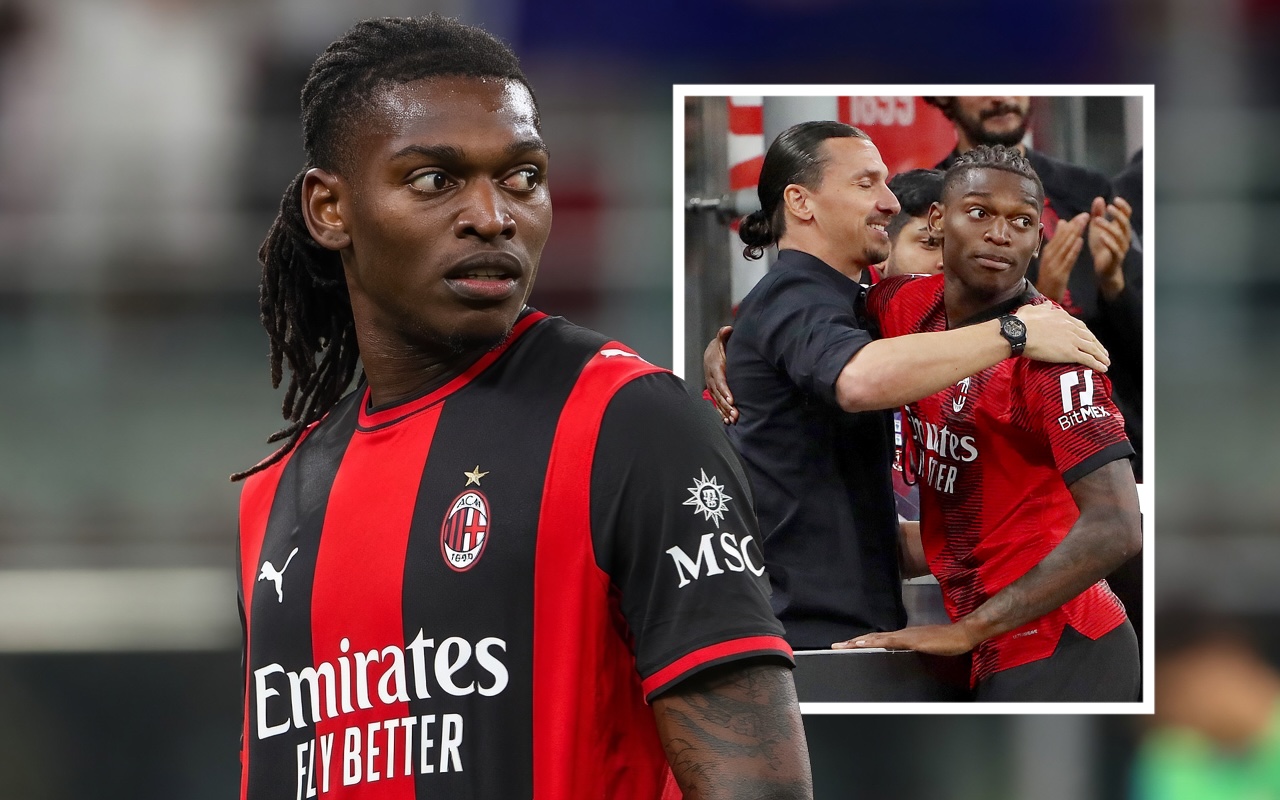
Rafael Leao's Milan future remains uncertain as summer window opens
27 minutes ago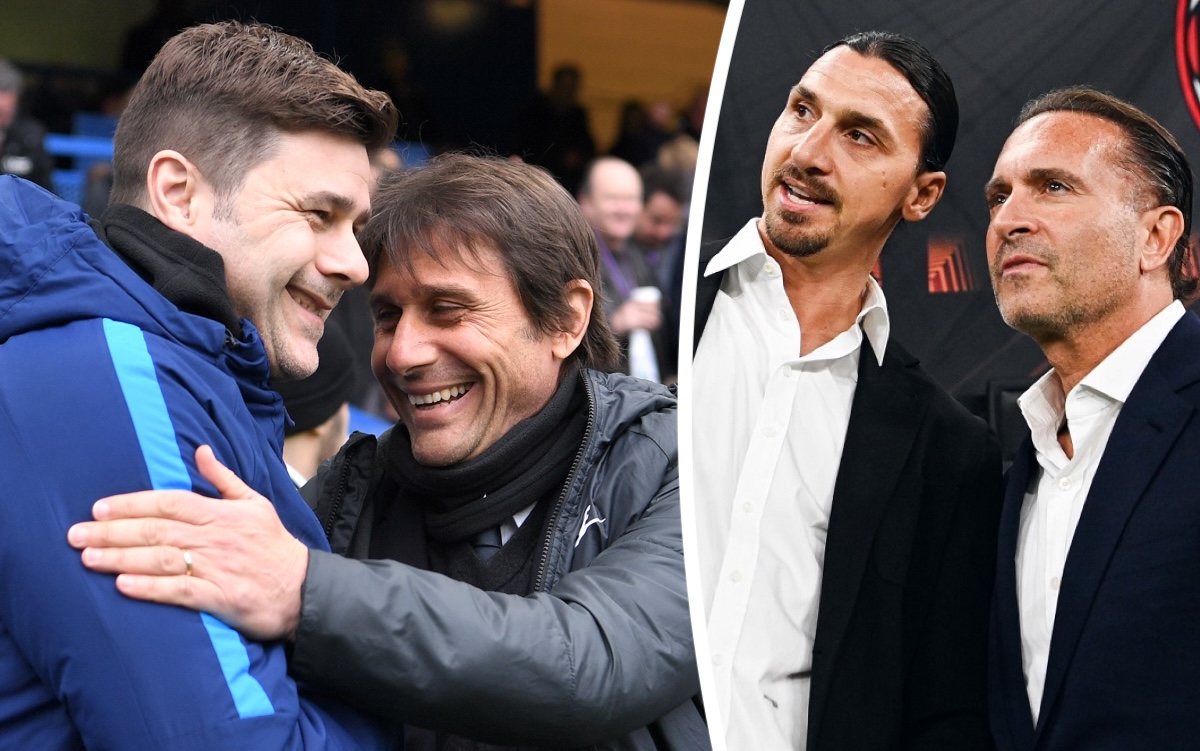
Why AC Milan courting Mauricio Pochettino is a massive gamble
2 hours ago
Pochettino moving to Milan mid-cycle is a dereliction of duty
11 hours ago
Milan is in a boardroom crisis before the UCL final
20 hours ago
AC Milan are flirting with Pochettino while the fans are losing their minds
1 day ago
The Andoni Iraola derby is making everyone look like a clown
1 day, 2 hours agoMore Analysis
Massimiliano Allegri is the chaotic ghost haunting Milan right now
3 weeks, 2 days ago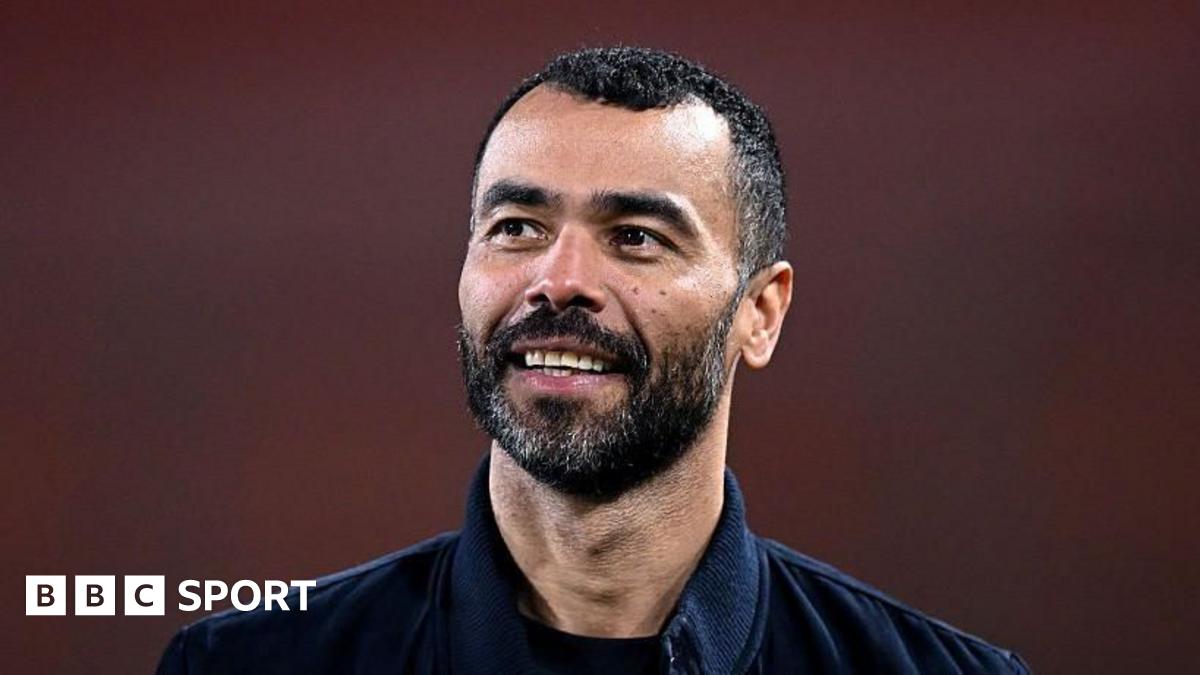
Ashley Cole is proving that England's coaching path is fundamentally broken
1 month, 1 week ago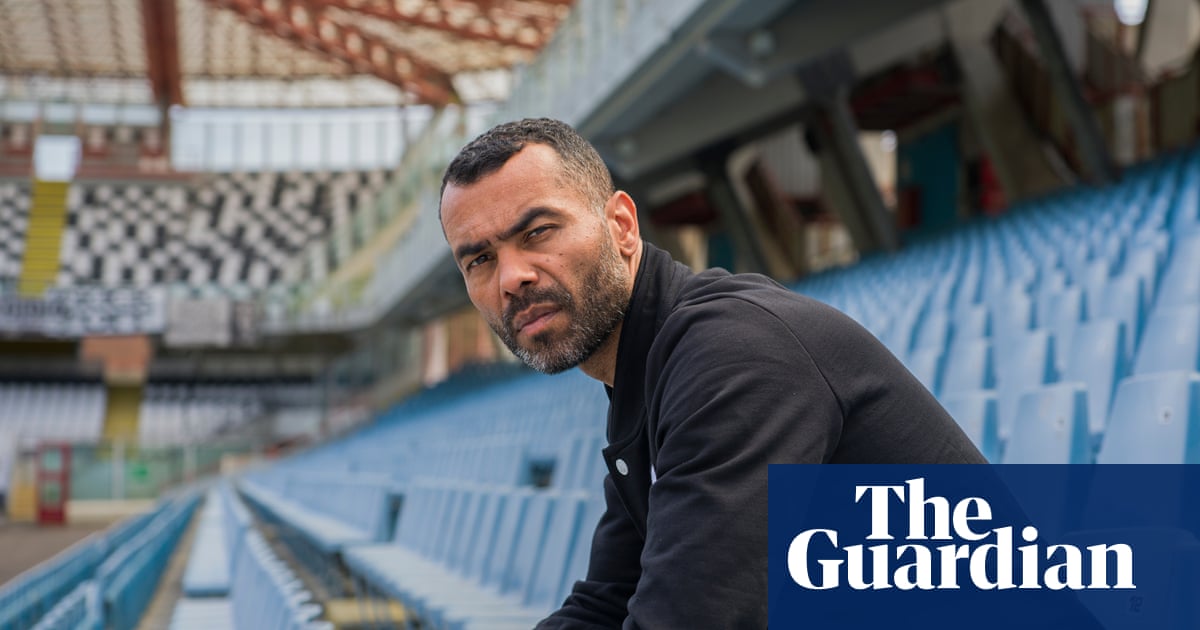
Ashley Cole is walking into a Serie B nightmare at Cesena
1 month agoAC Milan's 'Ritiro' Obsession Is a Joke That Stopped Being Funny
2 weeks, 1 day ago
Allegri is coaching a Milan team he doesn't actually trust
1 month, 1 week ago