The weight of history in Bergamo
There was a heavy, suffocating anxiety inside the stadium in Bergamo long before kickoff. Italy, terrified of missing a third consecutive World Cup, looked like a team playing under the crushing weight of recent failures. They passed the ball with hesitation and took extra touches. They looked across the pitch and saw a Northern Ireland side perfectly happy to suffer without the ball.
To understand what happened in Bergamo, you have to understand the ghosts haunting the Italian national team. Missing out on the World Cup in Russia was considered a national disgrace. Missing out on Qatar was viewed as an apocalyptic failure of the entire footballing system. They stepped onto the pitch knowing that a third failure would permanently scar this generation of players.
This anxiety manifested in their spacing. Instead of pushing high and pinning Northern Ireland back with aggressive positioning, the Italian midfielders dropped too deep. They wanted to pad their completion stats rather than risk playing a penetrative pass. It was safe, sterile possession.
When a heavily favored team plays with fear, the underdog gains a sudden burst of energy. You could see the Northern Ireland players growing in confidence with every blocked shot. They realized the monsters they were facing were actually terrified.
Frustrating the Azzurri
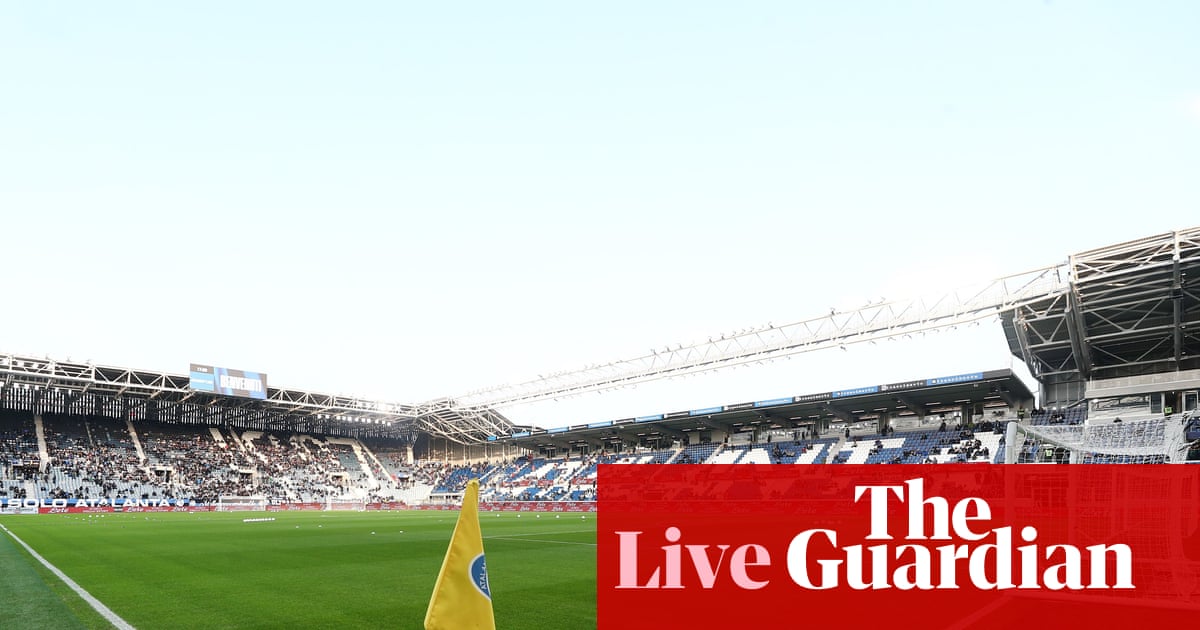
It is worth noting the specific impact of the venue on this match. The Gewiss Stadium is normally a cauldron of noise, famous for the aggressive support of the Atalanta ultras. The Italian football federation often takes national team games to these intense stadiums to create a hostile environment. But tonight, that intense atmosphere completely backfired.
Because the stands are close to the pitch, the players can hear every groan and every whistled insult. As Northern Ireland's block held firm, the Bergamo crowd turned entirely on the Azzurri. By the fortieth minute, sections of the home support were openly whistling their own team. Sky Sports reported that the home side were visibly rattled.
This toxic environment affected the Italian midfield trio. The deeper playmakers stopped showing for the ball in tight areas, terrified of making an error. It became a game of hot potato. The center-backs were left holding the ball near the halfway line, frantically waving their arms.
The mechanics of the green wall
Let's look closely at exactly how Northern Ireland managed to frustrate their hosts. It was not a chaotic scramble; it was a highly deliberate 5-4-1 mid-to-low block. The wing-backs stayed incredibly narrow, almost playing as auxiliary centre-backs to clog the half-spaces. This forced Italy to circulate the ball in a U-shape around the penalty area.
The midfield four operated on a string. If the ball moved to the Italian right, the entire Northern Ireland midfield shifted in unison. They removed the central areas from the game. Italy's creative players were forced to drop all the way to the halfway line just to get a touch of the ball.
This defensive structure requires immense physical conditioning. You spend the entire match reacting, sliding, and scanning your blind spots. The concentration required is exhausting. Trai Hume was the vocal leader, constantly pulling the defensive line up when Italy played backwards.
The Italian full-backs were presented with acres of space out wide, but their delivery was incredibly poor. Rather than driving to the byline to cut the ball back, they repeatedly hit early, floated crosses from deep positions. This is exactly what a packed defense wants to deal with. The Northern Ireland centre-halves were able to attack the ball facing forward, comfortably heading away the danger without ever being stretched or turned.
You cannot break down a low block with slow, predictable crossing. It requires rapid ball circulation, third-man runs, and intelligent positional rotations. Italy offered none of this in the first half. The wingers hugged the touchline, isolating themselves from the central midfielders, while the forwards remained entirely static inside the penalty box waiting for service that never arrived.
The cost of zero offensive threat
The fatal flaw in this brilliant defensive blueprint was what happened when Northern Ireland actually won the ball. Defending deep naturally isolates your attacking players. When the ball was cleared, it was usually aimed at a lone forward completely surrounded by Italian defenders. There was no outlet to build an attack and relieve the pressure.
This is where the game was truly lost. You can frustrate a superior team, but eventually, the relentless wave of attacks will find a crack in the wall. You have to force the opposition to respect your counter-attack. Northern Ireland’s transitions were rushed and inaccurate.
Trai Hume summarized the regret perfectly after the final whistle. Speaking to BBC Sport NI, the captain was visibly devastated. He rued the missed opportunities his side failed to convert when the match was still finely balanced. Those fleeting moments on the break were the key to pulling off a historic upset, and they simply could not capitalize.
Hume is not a player prone to making excuses. He understands the ruthless math of international football better than anyone. When he spoke to the press, he didn't complain about refereeing decisions or bad luck. He pointed directly to the tactical execution in the final third. The captain knows that against top-tier opposition, your forwards have to hold the ball up and draw fouls to give the defense a breather.
The inevitable breakthrough and the Moise Kean closer
When you sit deep and invite pressure, the margins for error shrink to zero. You can defend perfectly for eighty-nine minutes, but one missed assignment ruins the entire game plan. Italy eventually found their breakthrough, forcing Northern Ireland to abandon their defensive shell and chase the game.
This shift in momentum changed the entire geometry of the pitch. Suddenly, the spaces that Northern Ireland had so aggressively protected were left completely open. They had to commit bodies forward, exposing their tired defensive line to Italian counter-attacks. It was a brutal transition from a controlled defensive shape to an open, chaotic chase.
As Northern Ireland threw caution to the wind in search of an equalizer, the inevitable gaps appeared. Italy, now playing with the handbrake off, exploited the transition brilliantly. The second goal arrived through Moise Kean, who doubled the lead and effectively ended the contest.
Kean represents a completely different profile of striker compared to the rest of the Italian squad. He does not want to drop deep and link play. He wants to sit on the shoulder of the last defender and terrorize them with pure vertical speed. Bringing him into the game was the correct tactical adjustment, even if it was born out of sheer desperation rather than a pre-planned strategy. He changed the entire dynamic of the final fifteen minutes.
When Kean entered the fray, the Northern Ireland defenders were already running on empty. You could see the physical toll of the match in their heavy legs and delayed reactions. Kean exploited that fatigue instantly. He didn't just score the second goal; his sheer presence forced the defensive line to drop five yards deeper, which ironically created more space for the Italian midfielders to finally operate.
Kean's goal was a direct consequence of the game state. With Northern Ireland pushing high, he found the room he had been denied all evening. The finish was emphatic. It served as a sudden release of pressure for an Italian team that had spent most of the match terrified of making a catastrophic mistake.
The 2-0 scoreline flatters Italy slightly, disguising just how nervous they were for large portions of the night. But in knockout football, style points do not matter. They survived the test, navigated the anxiety, and booked their place in the play-off final.
Looking ahead
For Northern Ireland, the post-mortem will be painful. The World Cup dream dies in Bergamo. They executed the majority of their game plan perfectly, but international football is unforgiving. The inability to transition from a solid defensive shape into a threatening attacking force remains their fundamental limitation.
It has been forty years since Northern Ireland last appeared at a World Cup, a famous run in Mexico 1986. The traveling fans in Bergamo were desperate to see a new generation of players emulate those legends. That historical drought adds a profound emotional weight to these qualification failures. Every campaign that falls short feels like another missed opportunity for a fanbase that consistently travels in huge numbers and provides exceptional support.
This specific group of players knew this might be their best remaining chance. Reaching a play-off semi-final is notoriously difficult for nations with a smaller talent pool. The margins are so incredibly tight that a single favorable draw or a sudden burst of momentum can be the difference between making history and watching the tournament on television. That reality makes the result even more bitter to swallow.
Looking forward to the play-off final, Italy will have to dramatically improve. If they play this passively against a side that actually commits bodies forward, they will be eliminated. However, the emotional release of this victory might be exactly what they need to reset their mentality. I expect them to scrape through the final with a gritty, unconvincing 1-0 win. They are flawed, nervous, and tactically rigid, but they possess just enough individual brilliance to drag themselves across the line and finally book their tickets to North America.
Read Next
- Top 10: Italy's Most Vital National Team Moments of the Modern Era
- World Cup 2026: The Ultimate Transfer Audition For England's Next Generation
- Anfield's Emotional Canvas: Klopp and Gerrard Return to Paint New Memories
- Gyokeres is making Arsenal fans dream while Europe ignores the signs
- 🏆 World Cup 2026 — Full Coverage Hub
- Northern Ireland at the 2026 World Cup — Full Coverage Hub
- 🇮🇹 Italy at the 2026 World Cup — Full Coverage Hub