Heartbreak in the Italian Foothills
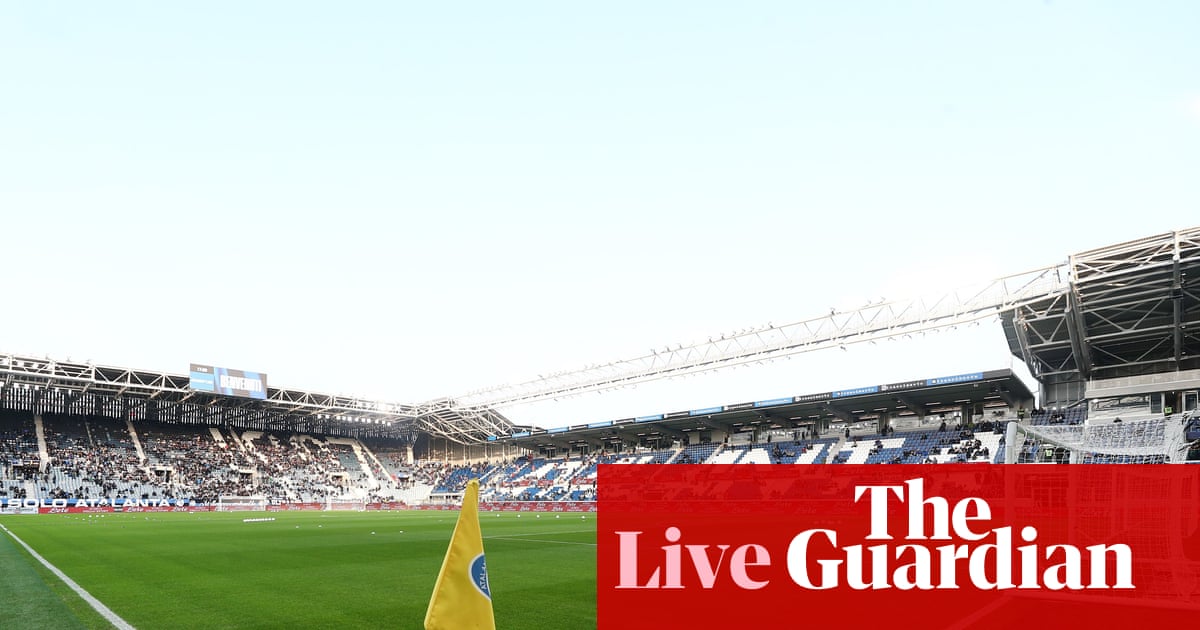
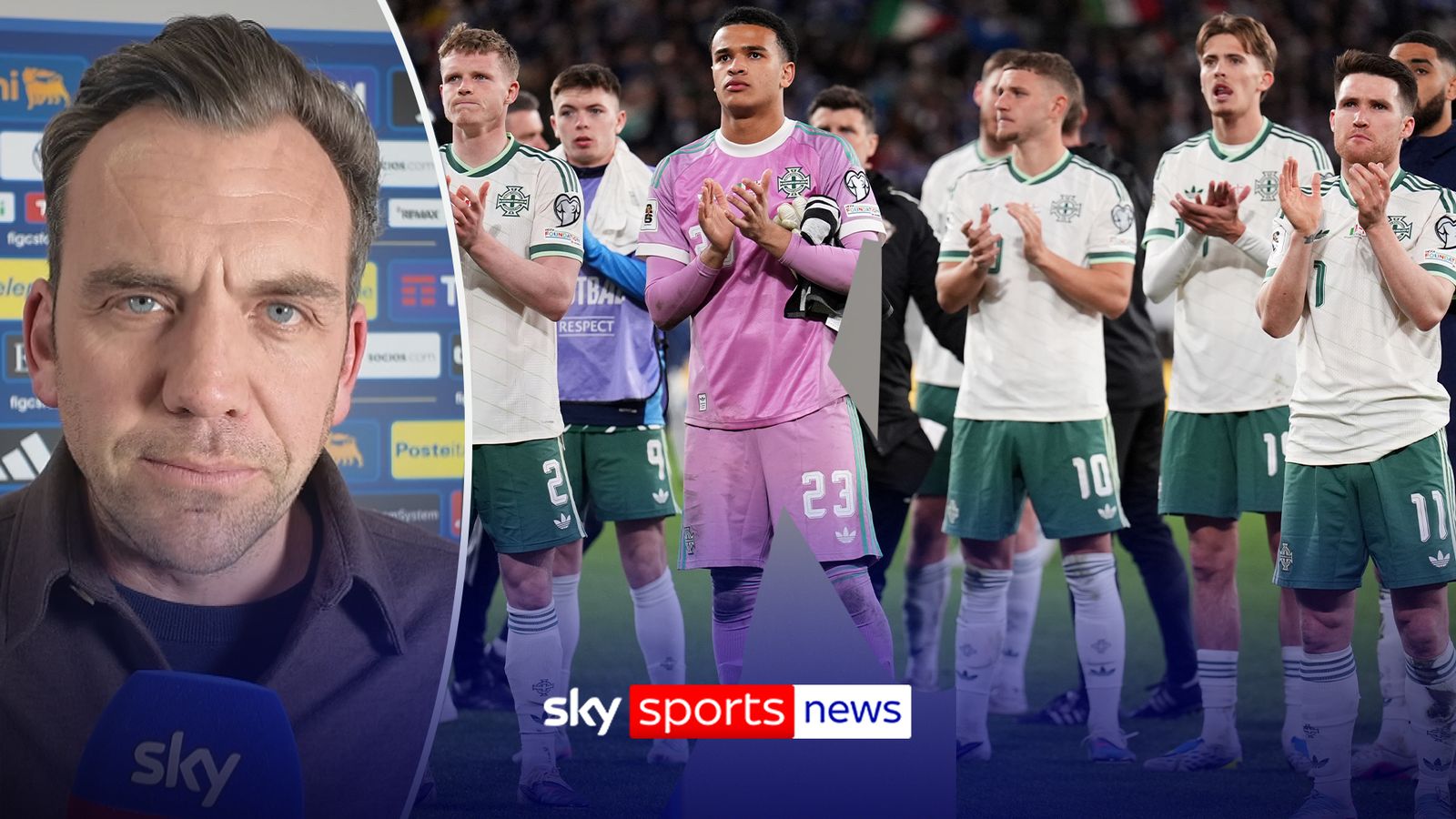
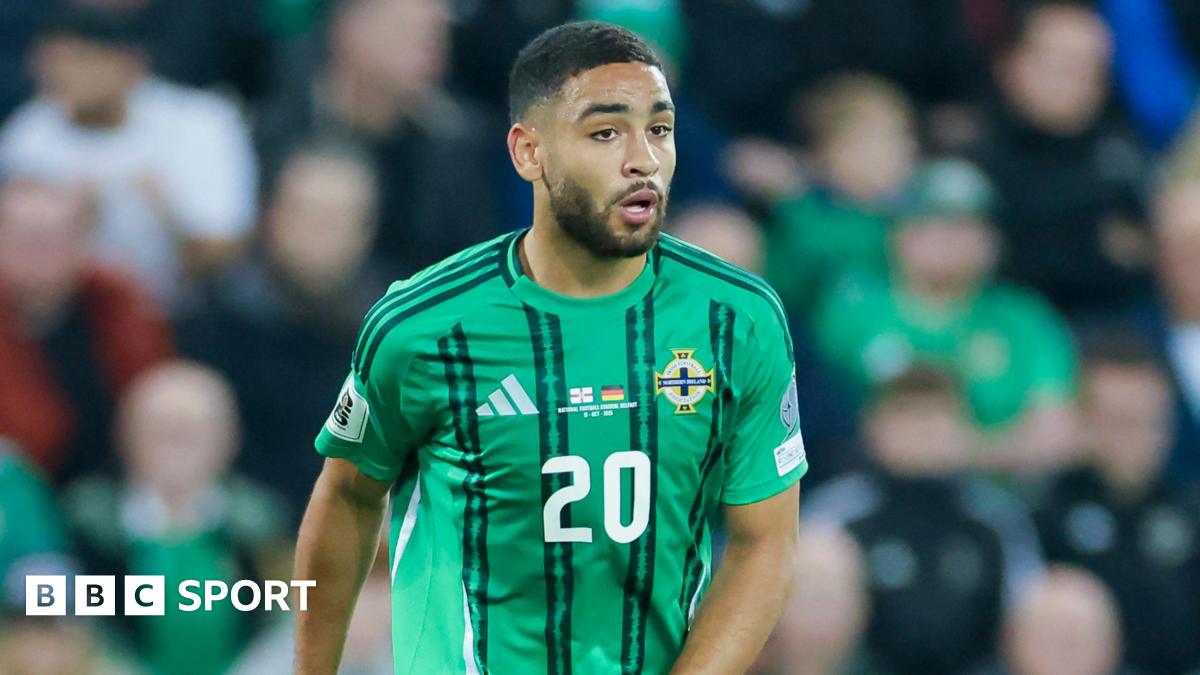
The final whistle at Gewiss Stadium wasn't just the end of a football match; it was the definitive, crushing silence on Northern Ireland's World Cup 2026 dreams. A 2-0 defeat to Italy in the play-off semi-final wasn't unexpected for many, but for the Green and White Army, it was another gut punch that left them sprawled on the canvas, gasping for air. Captain Trai Hume, looking every bit the weary warrior, spoke to BBC Sport NI's Gavin Andrews afterwards, his words tinged with the kind of regret that only a footballer who has left it all on the pitch can truly understand.
Hume's immediate assessment? Missed chances. It’s the perennial lament of the underdog, the 'what if' that haunts the quiet flight home. But was it truly just missed opportunities, or a deeper chasm in class that ultimately proved insurmountable?
The Two-Goal Deficit: A Tale of Clinical Finish vs. Fading Hope
The match itself, played out in the cool evening air of Bergamo, followed a script agonizingly familiar to Northern Ireland fans. Italy, with their customary blend of tactical discipline and moments of individual brilliance, found the net twice. These weren’t smash-and-grab goals; they were the product of sustained pressure and a clinical edge that Northern Ireland simply couldn’t match. While the details of the goals themselves weren't widely disseminated, the scoreline tells its own brutal story.
Northern Ireland's efforts were, by all accounts, spirited. They battled, they chased, and they did create moments that, on another night, might have turned the tide. But 'might have' doesn't get you to the World Cup. The Italian defence, marshalled with experienced precision, absorbed much of what was thrown at it, then sprang forward with venom. It was a boxing match where one fighter landed clean jabs while the other swung wildly, hoping for a knockout blow that never materialized.
When Chances Go Begging
Hume's post-match comments specifically highlighted the 'missed chances,' and this is where the real agony lies. Against a team of Italy's caliber, you don't get many clear-cut opportunities. Each one is a golden ticket, a lottery win. To squander even one feels like a betrayal of all the effort expended. Whether it was a heavy touch in the box, a shot dragged wide, or a header glancing off the post – these are the moments that define campaigns. It’s the fine margins that separate heroes from nearly-men, and for Northern Ireland, those margins were once again on the wrong side of the ledger.
There's a frustration that bubbles up when a team fights tooth and nail, only to be undone by a lack of composure in front of goal. It speaks to a long-standing issue for the national side: the struggle to find a consistent, prolific goal-scorer who can turn those fleeting opportunities into tangible results. Passion and grit are admirable, but goals win games, and ultimately, qualify nations for major tournaments.
The Weight of a Nation's Dream
For a country of Northern Ireland's size, football success isn't just about sporting achievement; it's a source of national pride, a unifying force. Memories of World Cup appearances in '58, '82, and '86 are etched deep into the collective consciousness, flickering like distant bonfires. Each qualifying campaign begins with a fresh surge of optimism, a belief that this time, *this time*, they can recapture that magic.
The fans, the Green and White Army, are legendary for their unwavering support, traveling in their thousands, their voices often out-singing larger, more illustrious fanbases. They believe with a fervor that often defies logic, investing their hopes and dreams into a squad that, more often than not, punches well above its weight. To see those hopes dashed, particularly in a high-stakes play-off, leaves a palpable ache across the land.
Hume's Candid Reflections
Trai Hume, as captain, carries a heavy burden. His words weren't an excuse, but a raw, honest reflection of the pain felt by every player in that dressing room. When a leader admits to missed chances, it’s an acknowledgement of shared responsibility, a recognition that the game slipped away not just through superior opposition, but also through their own shortcomings. This kind of introspection, while difficult, is vital for any team hoping to improve.
However, one could argue that focusing solely on 'missed chances' might be letting Italy off the hook slightly. The reality is that Italy are a vastly more experienced and technically gifted side. They controlled large portions of the game, dictating the tempo and restricting Northern Ireland's attacking avenues. Perhaps the 'chances' Hume refers to were never truly high-percentage opportunities to begin with, but rather desperate lunges at fleeting half-openings.
What Now for the Green and White Army?
With the World Cup dream officially over, the focus inevitably shifts to the future. What lessons can be learned from this play-off defeat? The immediate aftermath will be filled with introspection, and likely, a fair bit of frustration. Manager Michael O'Neill will need to assess not just the performance in Bergamo, but the entire qualifying campaign.
The squad possesses a core of committed players, but the question remains: is there enough depth, enough genuine top-tier quality, to truly compete with Europe's elite on a consistent basis? The gap between Northern Ireland and teams like Italy isn't just about one or two players; it's a systemic issue, from youth development to the sheer pool of talent available. Bridging that gap is a generational project, not a quick fix.
The Inevitable Rebuild
This cycle of hope and heartbreak is familiar territory. The next target will be the qualifiers for Euro 2028, and the task will be no less daunting. It will require fresh talent to emerge, young players to step up and seize their opportunities. The spirit of the Green and White Army is undeniable, but spirit alone cannot carry a team to major tournaments. A more ruthless edge, both in front of goal and in tactical execution, will be absolutely paramount.
The challenge for O'Neill and his coaching staff is to ensure that this latest disappointment doesn't fester into despondency. They must harness the raw emotion, the sting of defeat, and channel it into a renewed determination. The path to a major tournament for Northern Ireland is always an uphill battle, but it's one they've undertaken with pride for decades. The hard work starts now, picking up the pieces, analyzing what went wrong, and daring to dream once more.
Read Next
- Italy are staring down another World Cup disaster in Bergamo
- Real Madrid panic as Arda Güler suffers playoff injury
- Italy is absolutely terrified of Northern Ireland and it is hilarious
- Top 10: The Highs and Heartbreak of Wales' World Cup Play-off Drama
- 🏆 World Cup 2026 — Full Coverage Hub
- Northern Ireland at the 2026 World Cup — Full Coverage Hub