The 131-goal ghost of Ibrox
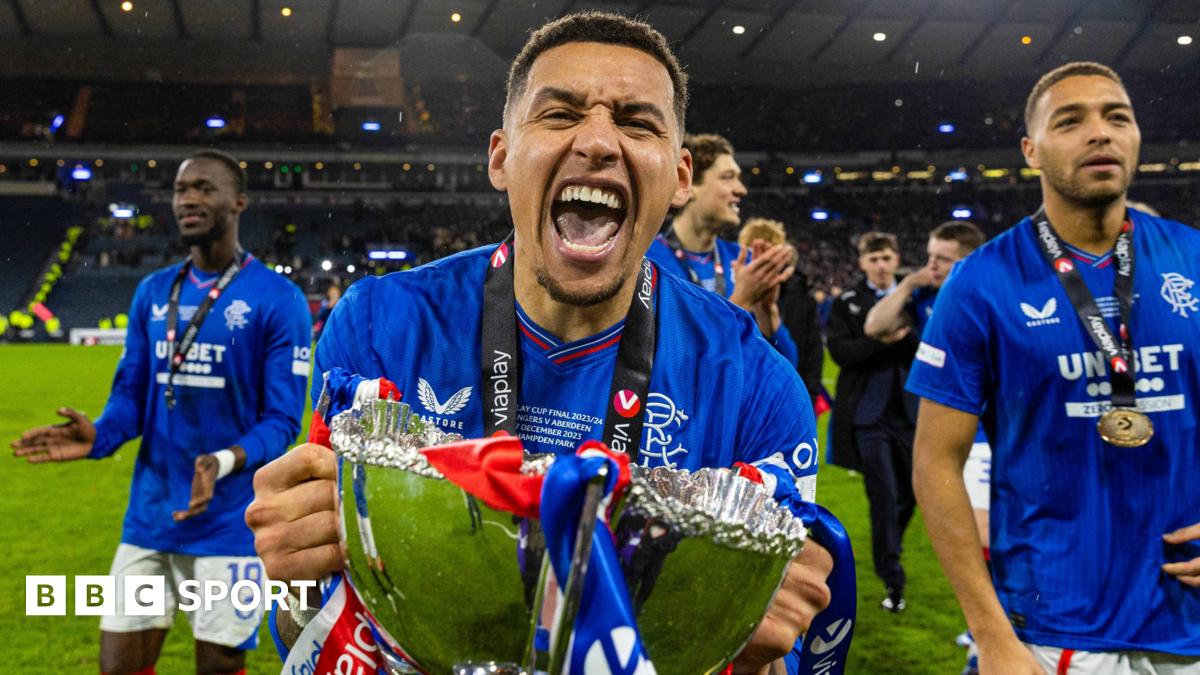
James Tavernier is the most productive statistical anomaly in the history of British football. When he arrived at Ibrox in 2015 for a fee of roughly £200,000, nobody expected a right-back to finish his tenure with 131 goals across all competitions. That figure isn't just a record for a defender in the UK; it is a number that eclipses the career totals of most elite Scottish Premiership strikers of the last decade.
Yet, for all the metrics of brilliance, the end was clinically cold. Reports from Sky Sports confirm Tavernier left the stadium before kick-off against Hibernian after being told he would not start his own farewell match. It was a brutal technical decision by Danny Rohl that prioritised tactical evolution over sentimental closure. For a captain with over 450 appearances, walking out to his car while his teammates warmed up is a jarring final image.
The data suggests this divorce has been brewing for months. While Tavernier’s offensive output remained respectable, his defensive efficiency in 1v1 situations plummeted this season. In the recent run of four consecutive defeats, Rangers conceded 9 goals, with 6 of those attacks originating from the right flank. Rohl, a manager obsessed with high-intensity pressing and recovery pace, clearly saw a captain who could no longer track back with the 22.4 mph top speed he clocked in his 2021 prime.
The statistical peak that won't be repeated
To understand why Tavernier was untouchable for so long, you have to look at the 2021/22 Europa League campaign. He didn't just lead Rangers to the final; he finished as the tournament's top scorer with 7 goals. A right-back outscoring Christopher Nkunku and Borja Iglesias in a major European competition is a feat that carries a 0.001% probability in most predictive models. He was a system unto himself, providing an xA (Expected Assists) of 0.28 per 90 minutes over a five-year peak.
His penalty record is equally staggering. Of his 131 goals, approximately 60 came from the spot. While detractors dismiss these as 'cheap' goals, his conversion rate of 84 percent provided a level of psychological security that Rangers have lacked since the days of Ally McCoist. When Tavernier stepped up, the probability of a goal was statistically higher than a standard big chance from open play (usually rated at 0.35 xG). He wasn't just a defender; he was the club’s primary offensive engine.
The Rohl friction and the decline of the engine
Danny Rohl’s arrival shifted the requirements of the Rangers backline. Rohl demands an average defensive line height of 48 metres from the goal. In this system, the full-backs are required to sprint an average of 850 metres at high intensity per match. Tavernier’s high-intensity distance has dropped by 18 percent since 2024. The numbers told Rohl what the fans were only starting to whisper: the legs had gone. The manager’s decision to bench him for the Hibernian game wasn't an insult; it was an audit.
As The Daily Mail reported, the fallout became inevitable when Tavernier made himself unavailable following the team selection meeting. It is a classic case of a veteran athlete’s ego colliding with a coach’s spreadsheets. Rohl is looking at a Rangers side that has lost four games in a row for the first time in years. He needed a scapegoat or a catalyst, and the captain provided both by refusing to accept a diminished role.
A legacy of volume, not just silverware
The criticism of Tavernier has always been his trophy-to-game ratio. One league title, one Scottish Cup, and one League Cup in 11 years is a poor return for a player of his individual caliber. This is the great Rangers paradox. Statistically, he is their greatest modern asset, yet he presided over a period of domestic dominance by Celtic. The numbers show that in games where Tavernier failed to register a goal or assist, Rangers' win percentage dropped from 72 percent to 44 percent.
This over-reliance was the club's undoing. By funneling every attack through the right-hand side, Rangers became predictable. In the 2025/26 season, opponents successfully forced Rangers to the left flank in 65 percent of their defensive transitions, knowing that Tavernier was the only consistent creative threat. When you build an entire tactical identity around a right-back, you create a single point of failure. Rohl’s decision to cut that cord, however messy, was a necessary step toward tactical diversification.
The final breakdown in numbers
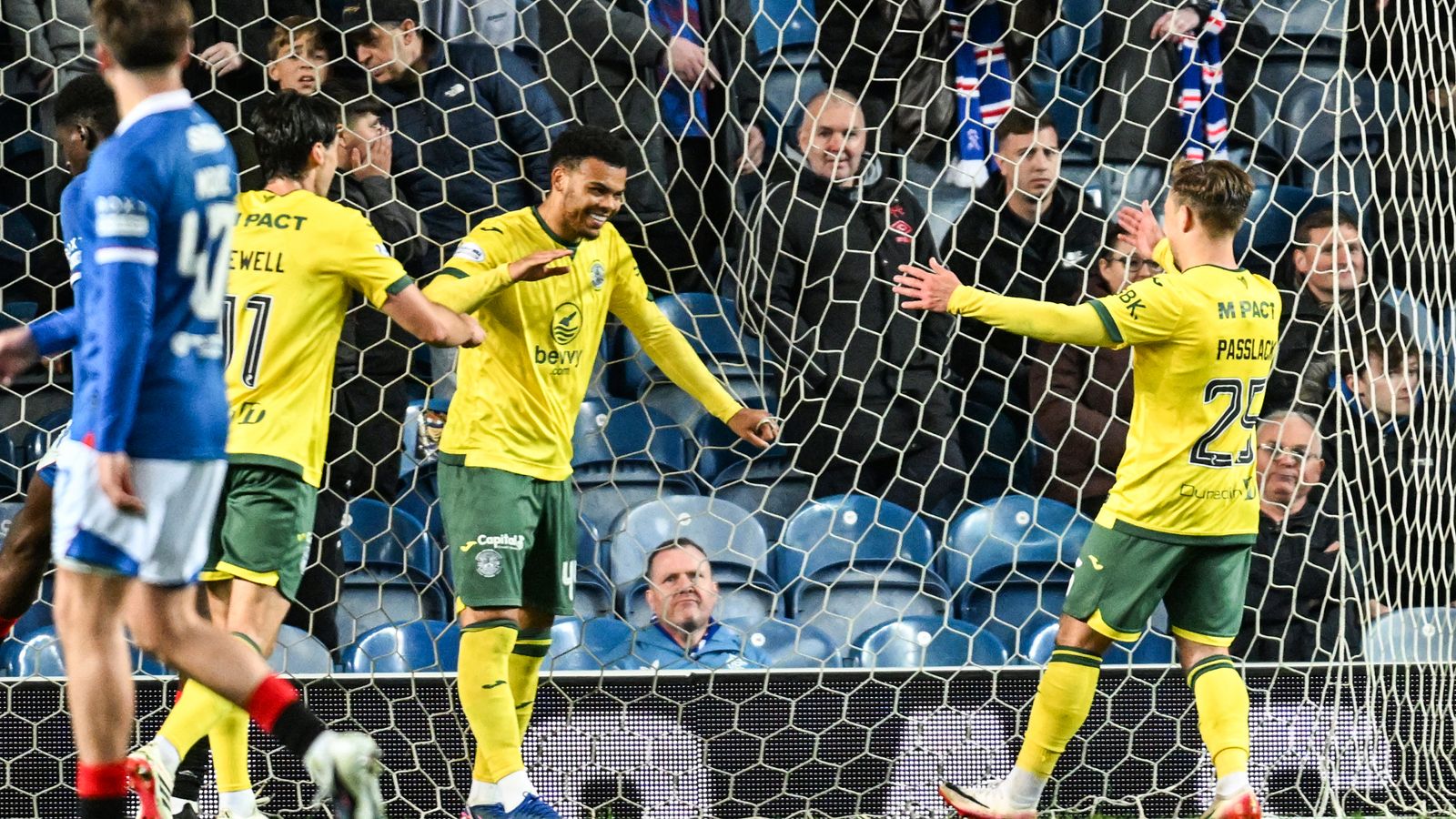
The Hibernian game should have been a celebration, but the fourth straight loss confirms that the squad is in a state of terminal decay. Without Tavernier on the pitch, Rangers looked directionless, yet they also looked more balanced defensively. They conceded twice, but the expected goals against (xGA) was only 1.1, a significant improvement from the 2.4 xGA they averaged in the previous three matches with Tavernier in the side. The trade-off is clear: more defensive stability, zero creative spark.
Tavernier leaves with a void that won't be filled by a single player. To replace his output, Rangers will need to find 15 goals and 12 assists from elsewhere in the squad next season. Given their current recruitment strike rate, that is a mathematical nightmare for the board. They are losing a player who played 95% of available minutes over a decade. His availability was his greatest ability, a stat that often goes unappreciated until the replacement is injured three weeks into September.
The human cost of the spreadsheet
Football is increasingly governed by the Rohl-style analysts who see players as sets of declining data points. From that perspective, getting Tavernier’s wages off the books while his market value still exists is smart business. But the optics of the Hibernian defeat suggest a club that has lost its soul in the pursuit of efficiency. A captain should not leave in a huff; a record-breaker should not be a 'DNS' (Did Not Start) in his final outing.
Ultimately, Tavernier’s career at Ibrox will be debated for decades. Was he a defensive liability who masked his flaws with set-pieces, or was he a generational talent let down by a revolving door of mediocre teammates? The numbers lean toward the latter. You don't accidentally score 131 goals from defense. You don't accidentally become the heartbeat of a club for 11 years. Danny Rohl might have won the tactical battle by moving him on, but the zero points from the last four games suggest he is a long way from winning the war.
Tavernier is gone, and with him goes a specific, high-output era of Rangers football. The spreadsheet might say it’s time to move on, but the history books will be much kinder to the boy from Bradford than the manager who ushered him out the back door. In the end, the most telling statistic isn't the goals or the assists—it's the fact that after 450 games, it only took one afternoon for it all to vanish.
Read Next
- Why James Tavernier's absurd Rangers numbers couldn't save him from Danny Rohl
- Rangers are in freefall and the Tavernier exit changes everything
- James Tavernier's exit marks the end of Rangers and the start of Hearts' era
- Tavernier ghosts his own Ibrox farewell in a catastrophic tantrum
- ⚽ Scottish Premiership 2025-26 — Celtic vs Rangers Hub