The Day the Music Died at Ibrox
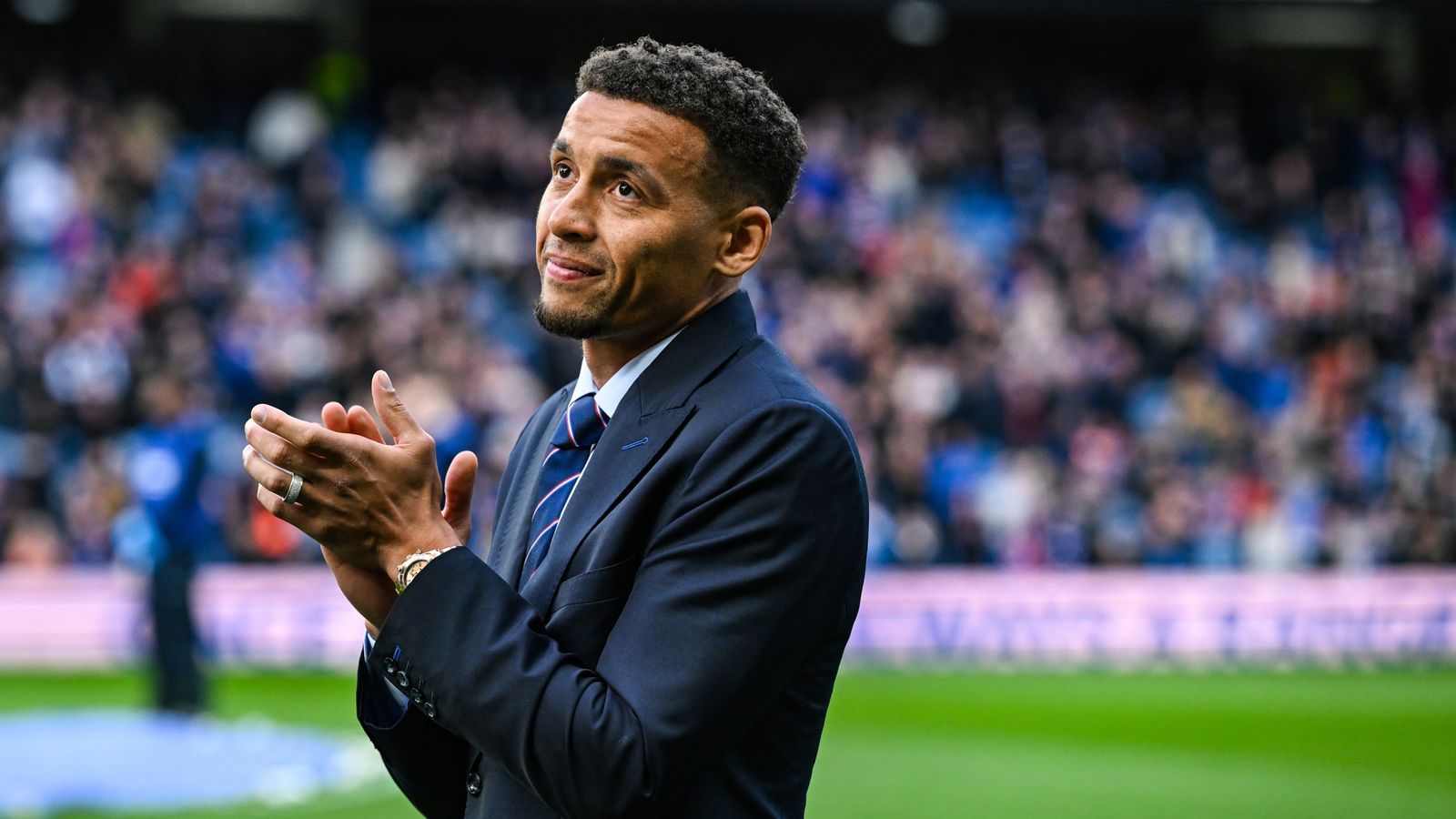
James Tavernier has almost certainly kicked his last football for Rangers. The manner of his departure tells you absolutely everything you need to know about the dysfunction festering inside Ibrox.
According to reports from the Daily Mail, the club captain made himself completely unavailable for his own farewell appearance following a spectacular fallout with manager Danny Rohl. Being informed you are not starting your own send-off match is not just a tactical decision. It is a brutal, highly calculated message delivered by a manager operating under severe pressure.
Tavernier reportedly left the stadium entirely after being told he would not be in the starting eleven against Hibernian. For a player who has fundamentally defined the tactical identity of this football club for nearly a decade, walking out the front door before a massive domestic fixture is an earth-shattering development.
Rangers have now lost three consecutive league games. The atmosphere around the club is toxic, but the underlying tactical reality on the pitch is arguably even worse. You do not simply bench a captain who has carried the creative burden of an entire institution without a bulletproof contingency plan.
Yet, looking at Rangers’ recent performances, it is deeply unclear if Rohl has any plan at all beyond sheer survival.
Deconstructing the Defensive Collapse
To truly understand why Rohl felt compelled to make the ruthless call to drop his captain, you have to look closely at the transition maps from the last month. Rangers have been repeatedly, almost comically exposed down the right channel.
Tavernier's attacking output is legendary within Scottish football. However, his recovery pace and defensive awareness have visibly waned over the last eighteen months, leaving him increasingly caught out of position.
Smart opponents have completely figured out the trigger. They wait patiently for Rangers to commit bodies forward during settled possession. Then, they deliberately bypass the disjointed counter-press with a single, raking diagonal ball into the exact space Tavernier vacates.
The resulting domino effect is consistently disastrous. The right-sided central defender is repeatedly dragged into wide, isolated, one-on-one situations near the touchline. This is an area where they look intensely uncomfortable and physically vulnerable.
Rohl's preferred system theoretically demands aggressive, vertically compact pressing from the front. When the right-back is caught 30 yards ahead of the rest of the defensive line during a sudden turnover, the structural integrity collapses entirely.
Dropping Tavernier isn't merely about a clash of massive egos. It is a desperate, flailing attempt to plug a leaking hull before the ship sinks entirely beneath the waves of a disastrous domestic campaign.
The Ghost of Tactics Past
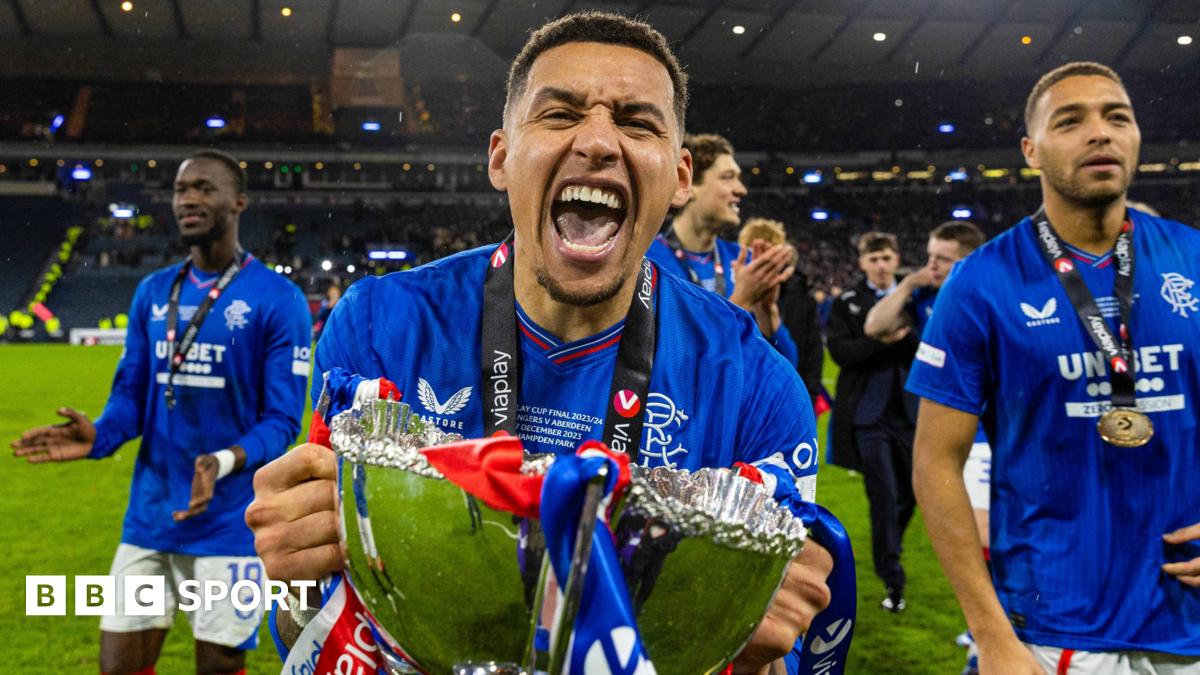
It is impossible to analyze this current crisis without acknowledging how uniquely Rangers were built around Tavernier. Under previous managers, most notably during the title-winning campaign under Steven Gerrard, the entire attacking structure was designed specifically to isolate Tavernier in crossing positions.
He was not a traditional full-back. He was a high-volume playmaker operating on the extreme right periphery of the pitch. The midfield would deliberately shuttle laterally to cover his attacking forays.
The central midfielders acted essentially as water-carriers, whose primary responsibility was to win the ball back and feed it wide. This created a highly predictable but incredibly difficult-to-stop attacking machine. Every team in the league knew the cross was coming.
The sheer volume and quality of Tavernier's delivery made defending it a nightmare. Rohl represents a massive ideological shift from that era. The new manager desires intricate central combinations, aggressive ball-winning high up the pitch, and full-backs who can invert into midfield.
Tavernier is a classic touchline-hugging overlapping full-back. He does not possess the tight-space technical proficiency to operate seamlessly as an inverted midfielder under intense pressing. This was a tactical marriage doomed to fail from the moment Rohl walked through the doors.
What Hibernian Will Try to Exploit
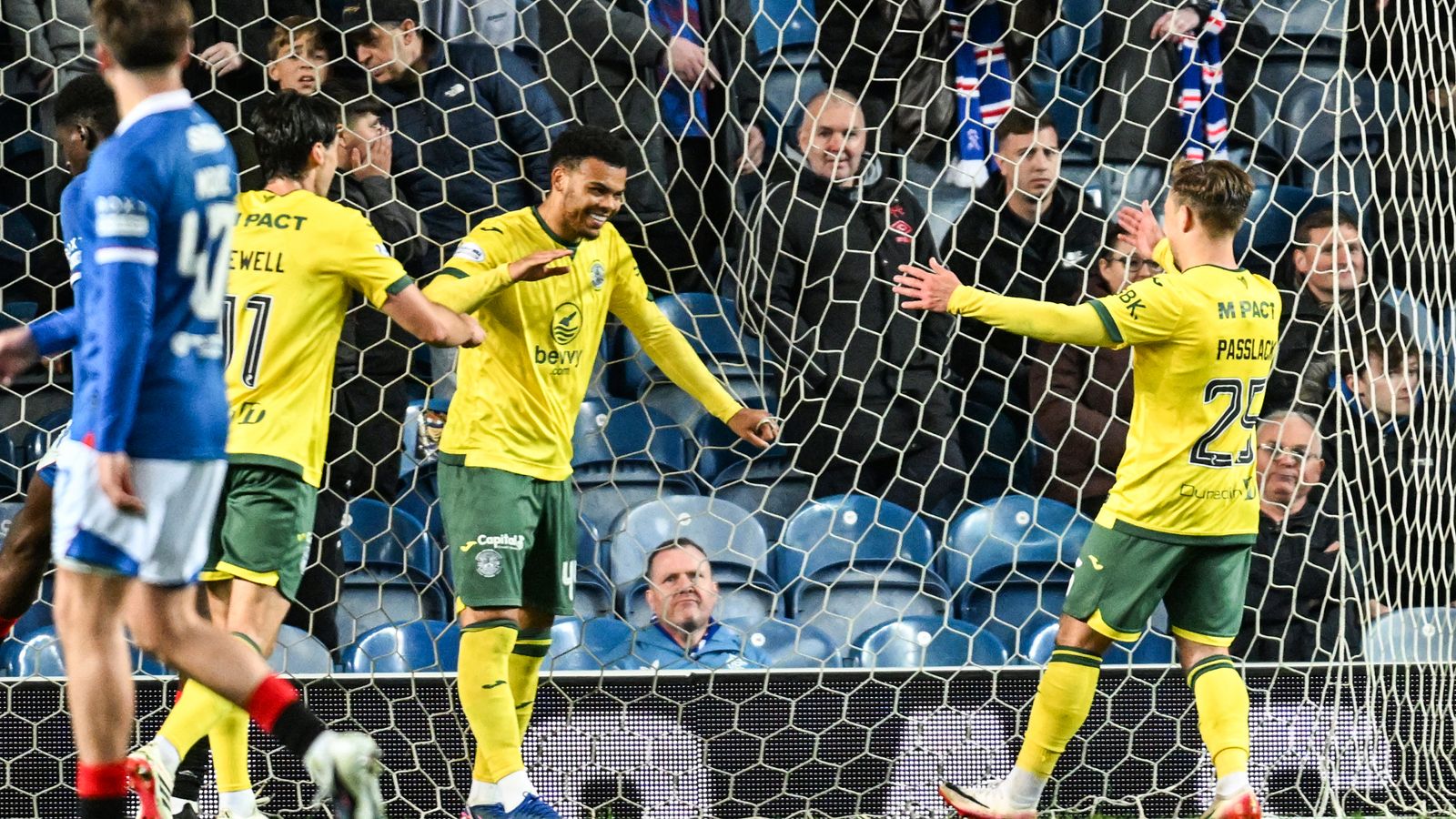
Hibernian arrive at Ibrox this weekend smelling blood in the water. They are facing a notoriously fragile defense, an incredibly anxious home crowd, and a Rangers team suddenly devoid of its primary creative outlet.
For all his well-documented defensive flaws, Tavernier was still Rangers' most reliable and progressive passer. Without him pushing aggressively high to pin back the opposition left-winger, Hibernian can afford to be far more courageous with their own defensive line height.
Expect them to deploy a highly organized, narrow mid-block. They will choke the center of the pitch and essentially dare Rangers to build from the back through their makeshift defense. This is a conceptual challenge the Rangers squad still struggles to execute cleanly under pressure.
When Rangers inevitably attempt to build out from the goalkeeper, Hibs will look to jump the central midfielders immediately. Without Tavernier offering an easy, reliable out-ball on the touchline, the pressure on the Rangers midfield pivot will be immense.
They will be forced to turn under duress and find forward, line-breaking passes. If they panic—and recent evidence suggests they absolutely will—Hibernian will feast aggressively on the turnovers in dangerous central areas.
Life After the Captain
So, what exactly does a Danny Rohl side look like without the man who routinely took all the set-pieces, penalties, and scored double-digit goals from defense? Rohl is highly likely to prioritize a much more traditional, rigid defensive shape.
We might finally see a flatter back four, operating strictly to close spaces rather than constantly stretching the pitch horizontally. This fundamentally and permanently alters the team's attacking dynamic.
Rangers relied heavily on early, sweeping crosses and late overlapping runs to break down stubborn low blocks at home. Now, the heavy burden of creativity shifts entirely, and unfairly, to the central attacking midfielders and the wingers operating in the half-spaces.
It is a truly massive ask to rewire a football team's core attacking philosophy overnight. Attempting to do so during a nightmare three-game losing streak that has shattered confidence is almost suicidal.
Rohl is essentially betting his entire job security on the radical idea that structural discipline will yield better results than individual brilliance.
Furthermore, the psychological vacuum left by his absence cannot be overstated. When Rangers have found themselves trailing in difficult matches, Tavernier has consistently been the player demanding the ball, taking the difficult shots, and trying to force an outcome through sheer force of will.
Without him on the pitch, there is a gaping void in on-field leadership. The current squad is noticeably lacking in vocal personalities who can drag the team through difficult periods.
If Hibernian score early, the pressure inside the stadium will become suffocating. I seriously doubt whether the remaining players have the mental resilience to fight back without their captain.
The Verdict: A Nervous Afternoon Looms
Ibrox will be a relentlessly toxic environment this weekend. The passionate fanbase is rapidly turning against the project, the legendary captain has effectively walked out of the building, and the football served up recently has been agonizingly turgid.
Rohl absolutely needs a commanding, statement performance to justify his incredibly ruthless treatment of a genuine club legend. I simply do not see that commanding performance materializing.
You cannot strip out your primary source of goals, assists, and leadership without a highly coherent, fully functional replacement strategy already humming on the pitch. Hibernian possess the raw pace in transition to ruthlessly exploit a deeply nervous Rangers backline.
They also have the requisite physicality to disrupt a fragile, low-on-confidence midfield. Rangers will likely dominate possession statistics, but it will be slow, predictable, horizontal, and largely sterile.
When you remove a chaotic but brilliant variable like Tavernier from the equation, you entirely remove the fear factor for the opposition defense. Expect a fractured, desperate, heavily disjointed performance from the home side.
Rohl's massive tactical gamble might eventually make long-term structural sense, but in the brutal short term of Scottish football, it leaves his team looking completely toothless and incredibly vulnerable.
I am predicting a narrow, deeply frustrating defeat that will push this crisis entirely past the point of no return. Hibernian to take all the points and hand Rangers a fourth straight defeat with a chaotic 1-0 victory.
Read Next
- Tavernier ghosts his own Ibrox farewell in a catastrophic tantrum
- James Tavernier's exit marks the end of Rangers and the start of Hearts' era
- Why James Tavernier's absurd Rangers numbers couldn't save him from Danny Rohl
- James Tavernier’s Rangers exit is a cold reminder that numbers don’t buy loyalty
- ⚽ Scottish Premiership 2025-26 — Celtic vs Rangers Hub