
Bellingham's Rest Signals England's New World Cup Strategy
A Meaningless Friendly, A Monumental Statement
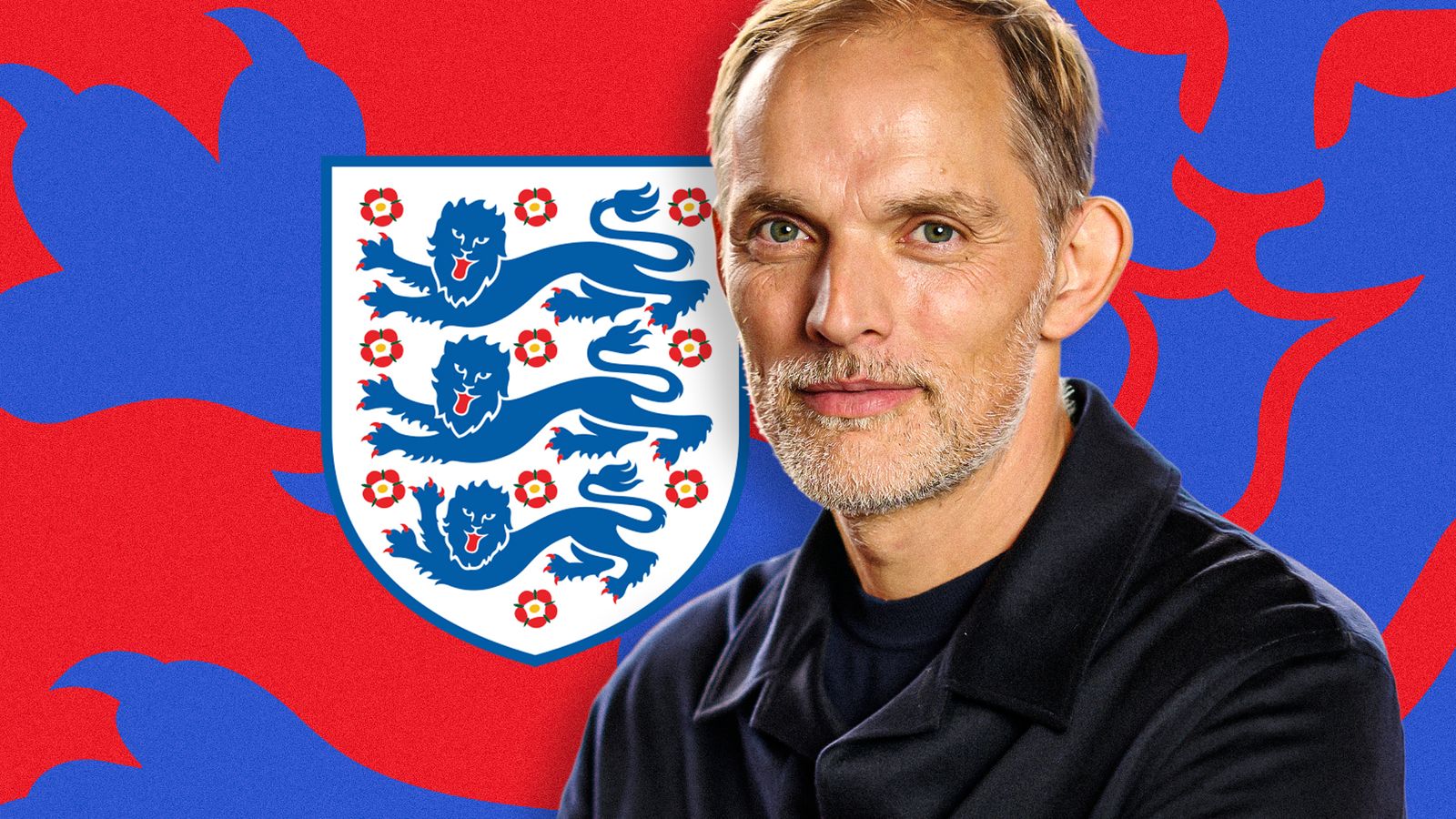
Jude Bellingham will not play against Japan. On the surface, it’s a footnote. A non-event. A key player rested for a low-stakes friendly wedged into a relentless calendar. But to dismiss it as such is to miss the point entirely. This isn’t a simple rotation; it's a declaration of intent. Under the new, hypothetically-appointed regime of Thomas Tuchel, England is finally, ruthlessly, adopting a club-like mentality to international football. The mission is singular: win the 2026 World Cup. Everything else is noise.
The news, as reported by Sky Sports, that Bellingham wouldn't be risked is the clearest signal yet of this new philosophy. For decades, the England setup has been a blend of bulldog spirit and chaotic hope, often running its stars into the ground for the sake of 'passion' and 'tradition'. Players were expected to turn up, play hard, and put the shirt above all, regardless of the match's significance. This often came at the expense of both their clubs and their own long-term fitness. Tuchel's decision to sideline his most important player for a match with no competitive meaning is a deliberate break from that past.
Protecting The Generational Asset
To understand this decision, you must first understand what Jude Bellingham represents. He is not just England’s best player. He is arguably the most complete midfielder in the world, the engine of Real Madrid, and a legitimate Ballon d'Or candidate. He is a generational talent whose value, both in sporting and financial terms, is astronomical. For Real Madrid, he is the present and future. For England, he is the difference between being a contender and a champion.
His workload is immense. At Madrid, he operates as a hybrid 8/10, expected to contribute to every phase of play. He presses with intensity, carries the ball through midfield, and still arrives in the box to be the team's leading goal threat. The physical and mental toll of performing this role for 50+ games a season, under the relentless pressure of the Bernabéu, is something few players have ever shouldered. England, for once, seems to recognize this reality. They understand they are borrowing a priceless asset, not owning it.
The old England would have played him. He would have been hailed for his commitment. The media would have praised his passion. And he would have returned to Madrid with another 90 minutes of fatigue in his legs, increasing the risk of the muscle strain or ligament issue that could derail both his club season and England's World Cup hopes. This new England, guided by a manager steeped in the pragmatism of elite club football, sees the bigger picture. Why risk a £100m+ player for a friendly when the real prize is two years away?
The Tuchel Doctrine: Pragmatism Over Patriotism
Thomas Tuchel’s hypothetical appointment was always going to be divisive. Here is a manager who is the antithesis of the traditional English gaffer. He is a cool, detached tactician, a systems man who builds teams based on structure, control, and efficiency. He has managed egos and expectations at PSG and Chelsea, winning the Champions League not through bluster, but through meticulous planning and risk management. Applying that same logic to the England job is both his greatest strength and, for some, a potential weakness.
There is a certain romance to international football that this approach threatens. It’s supposed to be about passion, not periodisation. It’s meant to be an escape from the cold logic of club finance and player management. Herein lies my one key criticism of this new era: while it is undoubtedly smarter, it feels colder. Seeing Bellingham on the bench for a home friendly might be the 'correct' decision, but it's not what a sold-out Wembley, with ticket prices as they are, wants to see. It’s a move that prioritizes the future over the present moment, the ultimate prize over immediate gratification.
This is the Tuchel doctrine in action. It is the cold, hard calculation that a fully fit Jude Bellingham in June 2026 is infinitely more valuable than a 7/10 performance against Japan in March. He is treating the England job not as a four-game tournament burst every two years, but as a continuous, two-year campaign of asset management. The goal is to deliver a squad to North America at peak physical and mental condition. That involves making unpopular decisions and managing minutes with the same diligence he would before a Champions League final.
Every Decision Through The Lens of 2026
The FIFA World Cup 2026, with its expanded format and brutal schedule, will be a war of attrition. It will not be won by the team with the most passion, but by the team with the deepest, fittest, and best-managed squad. Every choice made by the England setup from now until that tournament must be judged on one criterion alone: does it increase the probability of lifting the trophy on July 19th?
Resting Jude Bellingham against Japan does exactly that. It reduces the chance of injury. It provides a crucial, if small, window of physical and mental recovery. It allows Tuchel to experiment with other midfield combinations, building the tactical flexibility and squad depth that will be essential in a major tournament. It sends a message to the entire squad that form and fitness will be managed intelligently, not squandered.
This single, seemingly minor, personnel decision is a microcosm of a much larger strategic shift. It’s an admission that England can't just hope for the best anymore. They must plan for it. They must be smarter, more ruthless, and more pragmatic than their rivals. By wrapping their most precious talent in cotton wool, England are not showing weakness. They are showing, perhaps for the first time, that they finally understand what it takes to win.
Read Next
- Tuchel needs to stop overthinking England before the World Cup starts in June
- A Familiar Frustration: England's Problems Mount For Tuchel
- Thomas Tuchel is betting the house on John Stones' fitness
- Thomas Tuchel needs to stop the experiments before Japan arrives at Wembley
- 🏆 World Cup 2026 — Full Coverage Hub
- 🏴 England World Cup 2026 — Three Lions Hub
Liverpool FC "You'll Never Walk Alone" Knit Scarf
Carry the spirit of Anfield wherever you go.
More Coverage

Why England must fear Panama's disciplined low block
55 minutes ago
Arsenal and PSG are locked in a tactical chess match for the trophy
3 hours ago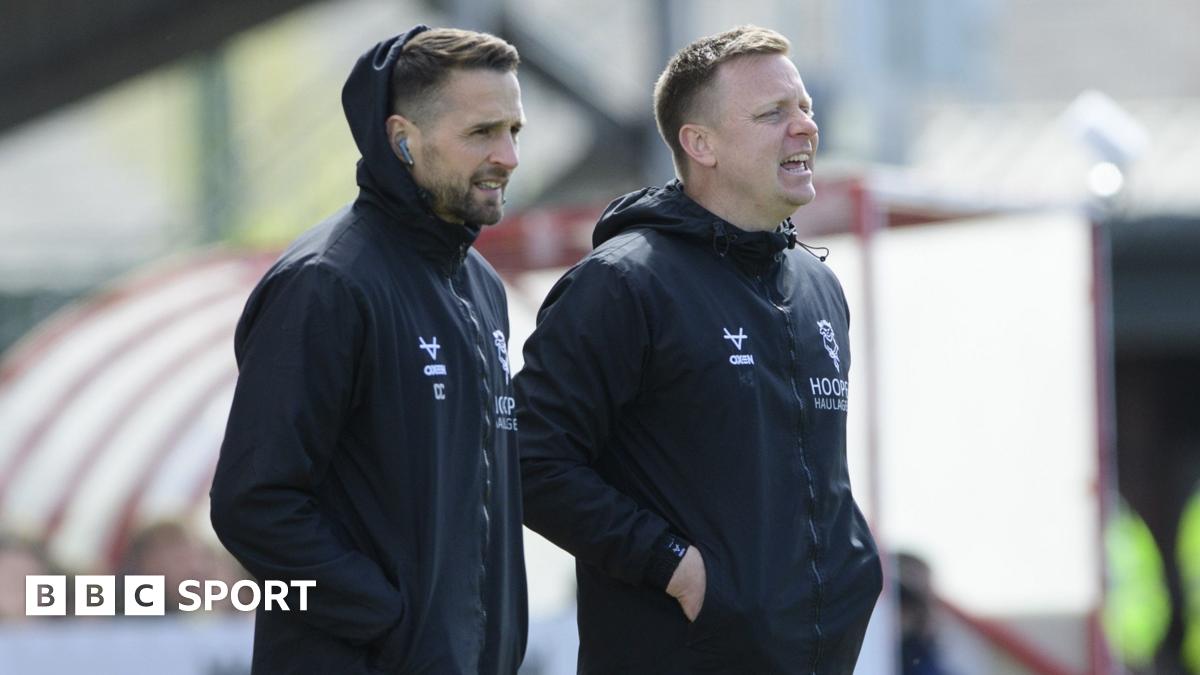
Lincoln City's joint-manager gamble is a blueprint for disaster
4 hours ago
Ella Toone is the most realistic window into the modern footballer's life
4 hours ago
Arsenal's Champions League final gamble rests on Timber's fitness
4 hours ago
Arsenal’s Champions League final run is pure Arteta obsession
5 hours agoMore Analysis

Thomas Tuchel is taking a massive gamble with his England World Cup squad
2 months, 1 week ago
Thomas Tuchel is already stripping England down to the studs
2 months, 1 week ago
Tuchel's England squad choices reveal his tactical obsession
1 week, 1 day ago
Thomas Tuchel's first England squad is a brutal mathematical cull
6 days, 17 hours ago
Thomas Tuchel's ruthless England squad cuts are exactly what we needed
6 days, 17 hours ago