A Disjointed Night in Atlanta
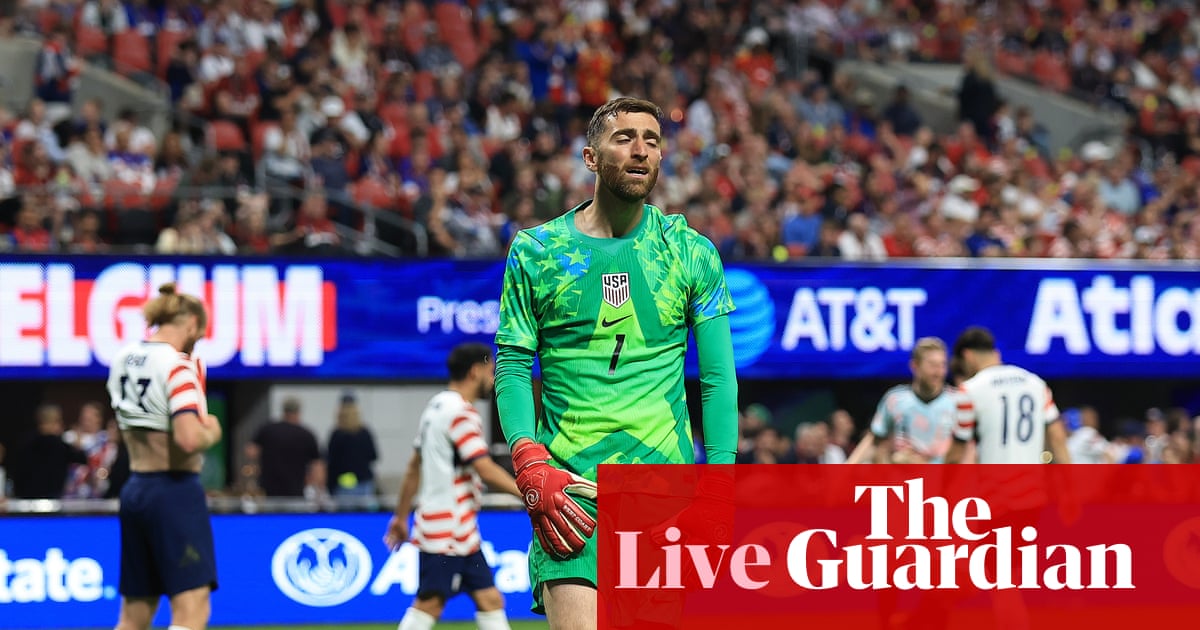
We are exactly 74 days away from the kickoff of the 2026 FIFA World Cup. The United States men's national team is supposed to be dialing in the final details. Instead, Saturday's friendly against Belgium at Mercedes-Benz Stadium offered a surreal, disorganized spectacle.
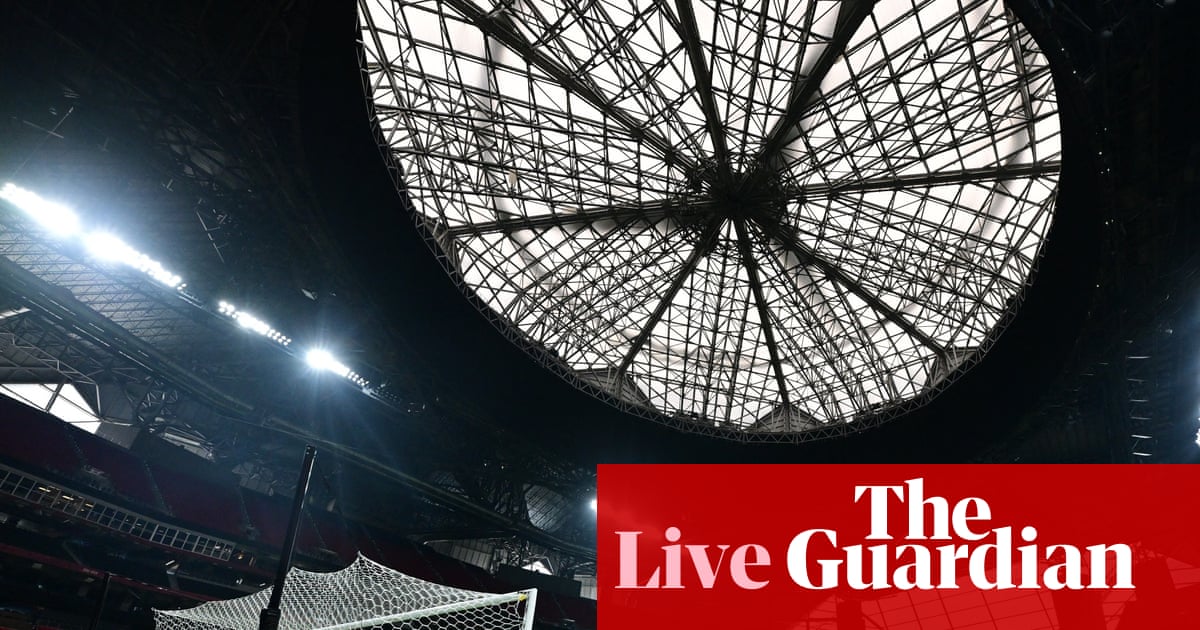
The match was played indoors, under a closed roof, in a climate-controlled environment. U.S. Soccer and the local organizing committee went through the massive expense of laying down a temporary natural grass pitch. They wanted to simulate the exact conditions the players will face when the real tournament begins in June.
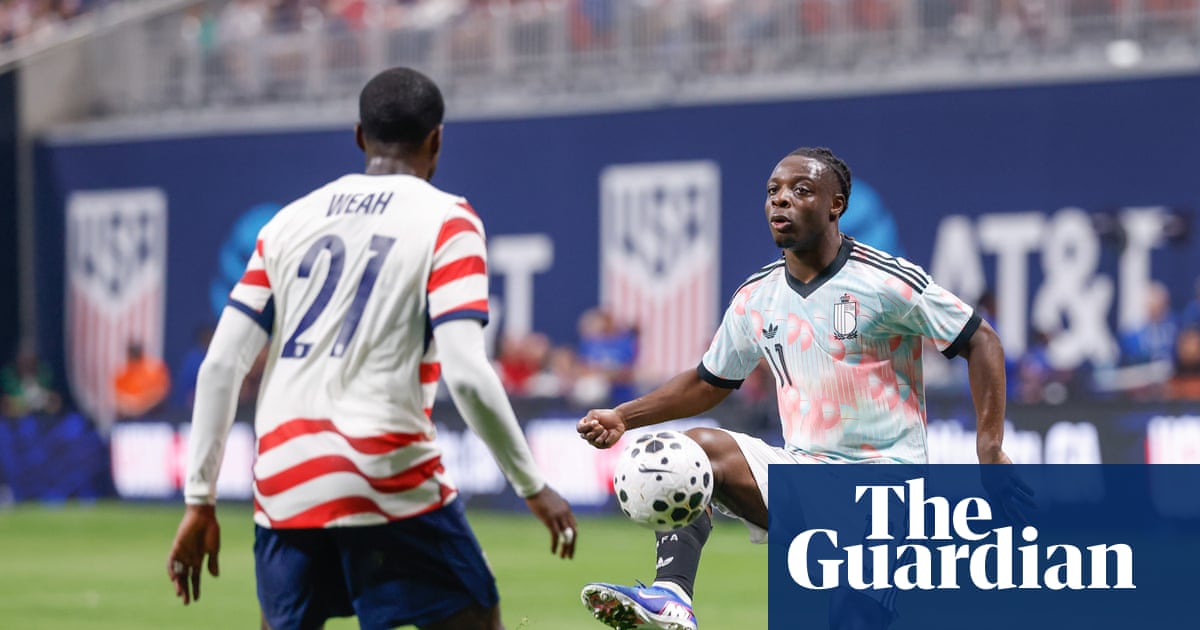
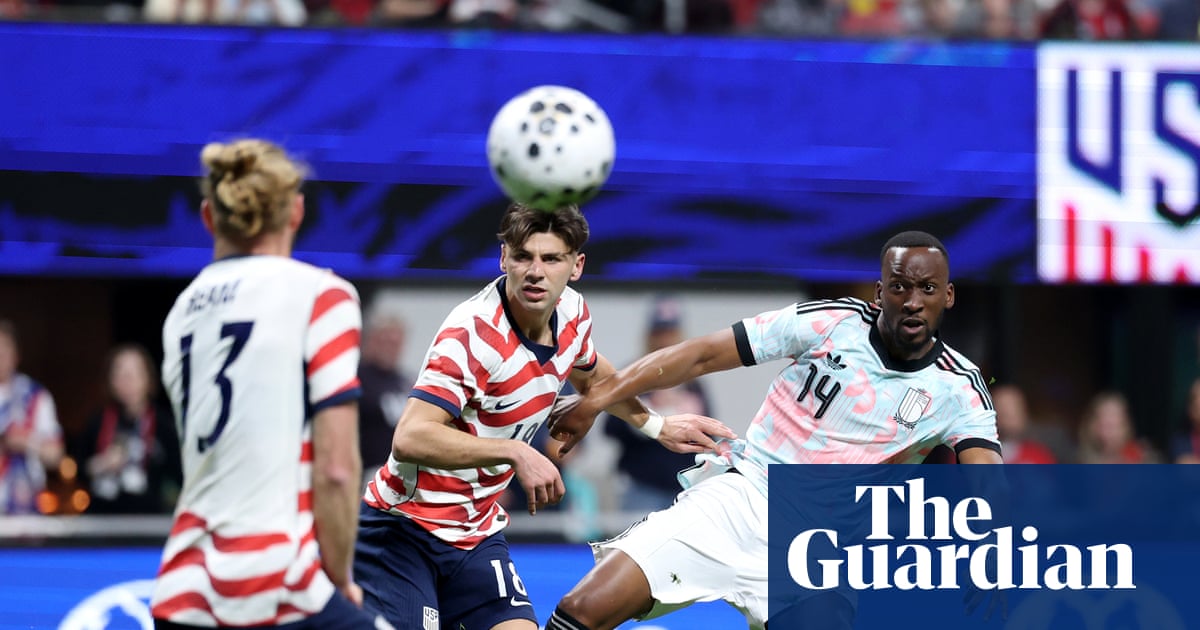
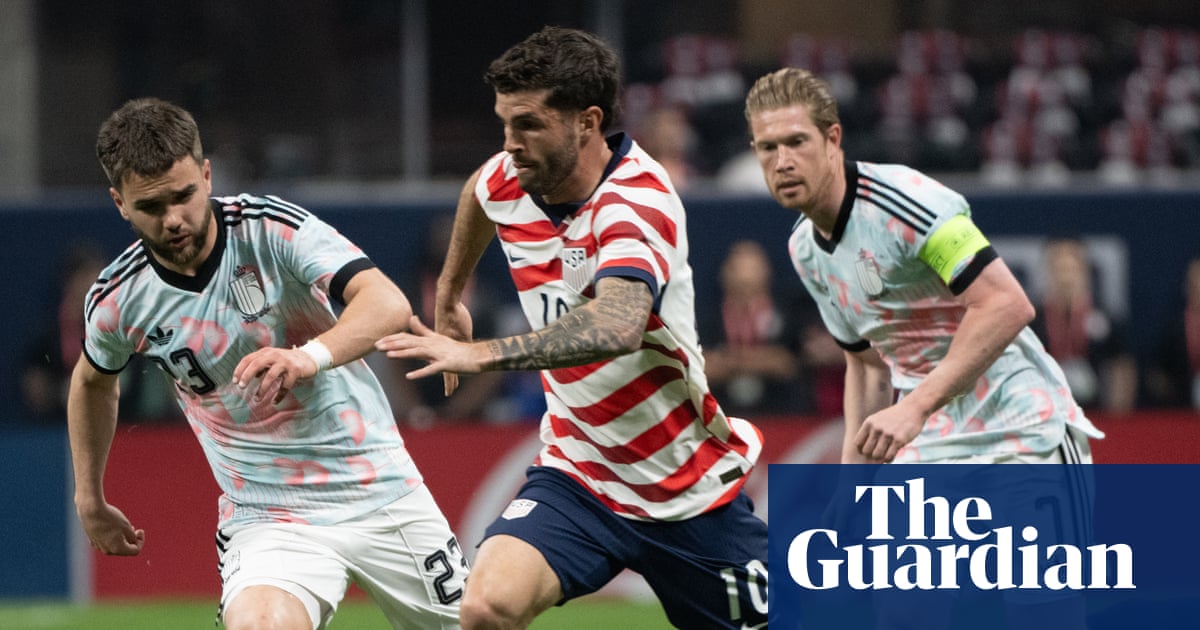
Yet, the primary talking point wasn't the grass, the tactics, or even the eventual USMNT loss. It was a completely avoidable logistical farce. The US and Belgium took the field in a light-on-light kit matchup that left everyone squinting.
The Visual Nightmare
Viewers at home immediately began adjusting their television settings, convinced there was a broadcast error. Fans in the expensive lower bowl rubbed their eyes in disbelief. The players themselves clearly struggled to pick out teammates in the visual wash of pale shirts moving rapidly across the green turf.
As The Guardian reported, players and viewers alike were baffled by the visual mess. One frustrated player bluntly summarized the situation in the aftermath.
"It’s tough."
That might be the understatement of the entire international window. At the absolute highest level of international football, kit assignments are normally ironed out months in advance. Federations have home kits, away kits, and third kits specifically designed with high-contrast options to avoid this exact scenario.
Someone, somewhere in the administrative chain, failed to flag that putting both teams in light colors would create a viewing nightmare. It drastically affected the rhythm of the game, especially in the frantic opening twenty minutes.
Passes were wildly misplaced. Players hesitated for a fraction of a second before switching the play. When your split-second decision-making is compromised by simply not being able to identify a teammate out of your peripheral vision, the overall quality of the match plummets immediately.
Climate Control and Hydration
The kit clash was only half of the weirdness in Atlanta. Midway through the first half, the referee abruptly paused the game for a mandated hydration break.
Let that sink in for a moment. A hydration break in a completely climate-controlled dome. The temperature inside Mercedes-Benz Stadium was heavily regulated, sitting at a comfortable room temperature specifically designed to protect the freshly laid natural grass.
There was no searing summer sun beating down on the pitch. There was no oppressive southern humidity suffocating the players. Yet, the match ground to a halt so players could take on fluids, completely killing whatever limited momentum the USMNT had managed to build in the final third.
Perhaps it was a mandated trial run for the World Cup protocols. FIFA has strict guidelines about player safety, and these friendlies are often used to test match-day operations and broadcast timings.
But the optics matter. Watching top-tier athletes take a mandated water break in an air-conditioned building felt entirely performative. It added another strange, disruptive wrinkle to an evening that already felt entirely disjointed from reality.
Tactical Red Flags
Strip away the sartorial errors and the bizarre stoppages, and you are still left with a deeply concerning result. The USMNT lost to a Belgian side that is actively rebuilding.
Belgium is not the terrifying force they were during the previous decade. Their fabled golden generation has largely retired. They left behind a transitional squad still trying to find its tactical footing under manager Domenico Tedesco.
This was a benchmark game for the United States. It was a prime opportunity to prove they can dictate terms against European opposition on home soil. Instead, they looked completely reactive and thoroughly second-best for long stretches of the evening.
The midfield, usually the reliable engine room of this American side, was repeatedly bypassed with alarming ease. Belgium found constant joy operating in the half-spaces, easily playing through the initial lines of pressure with simple, vertical passing.
Whenever the US attempted to press high up the pitch, the coordination was slightly off. A late trigger by a forward here, a missed marking assignment by a fullback there. Against standard CONCACAF opposition, you can often recover from those micro-mistakes through sheer athleticism.
Against players operating at the highest European level, those mistakes end up in the back of your net. The Belgian transitions were sharp and punishing. They exposed a U.S. defense that looked incredibly vulnerable when forced to retreat at pace.
Sterile Possession
The attacking output was equally frustrating for the capacity crowd in Atlanta. The USMNT managed to string together prolonged periods of possession, but it was entirely sterile and devoid of any real threat.
They moved the ball in a predictable horseshoe shape around the Belgian penalty area. They passed from the left wing, back to the center halves, and out to the right wing, without ever penetrating the most dangerous zones in the middle of the pitch.
Crossing the ball blindly from deep areas against a physically imposing Belgian backline was an exercise in futility. It lacked imagination. It lacked the ruthless, cutting edge required to succeed in a knockout tournament environment.
The forwards made runs, but the service was either too late or hopelessly inaccurate. When a team resorts to hitting hopeful balls into a crowded box, it usually signals a complete breakdown in their primary offensive game plan.
The Ticking Clock
We are rapidly running out of road before the biggest sporting event in North American history. The window for experimentation and tinkering slammed shut months ago. This is supposed to be the refinement phase, where the starting eleven is locked in and the tactical identity is absolute.
Instead, the entire program looks hopelessly muddled. The off-field logistics in Atlanta were a humiliating embarrassment for the federation. The on-field product was flat, uninspiring, and tactically naive.
You can excuse a bad performance against a good team in a friendly. You absolutely cannot excuse the sloppy administrative errors that lead to a kit clash at this level of the sport. When combined, it paints a terrifying picture of an organization not fully prepared for the massive spotlight that is about to hit them.
Mercedes-Benz Stadium will host several massive matches this coming summer. The grass installation seemed to hold up reasonably well under the stress of a full match. That is a massive relief for tournament organizers who are notoriously nervous about temporary pitches failing.
That is the one piece of genuinely good news to emerge from the entire weekend. The surface played true. The ball rolled cleanly across the deck, without the awkward, unpredictable bounces often associated with grass laid over an artificial turf foundation.
No More Excuses
But a good pitch means there are absolutely no excuses for poor technical execution. The U.S. players cannot blame the playing surface for heavy touches, misplaced passes, or poor shooting. The problems were entirely of their own making, between the white lines.
The technical staff now faces a brutal, unforgiving film session. They have to critically dissect how easily Belgium carved through the center of the park. They have to figure out why the attacking movements looked so predictable and slow.
Time is the one commodity they cannot buy, and they are rapidly running out of it. The clock is ticking down relentlessly. The pressure cooker is only going to get significantly hotter from here on out.
Fans are rightly demanding answers and accountability. They paid exorbitant ticket prices to watch a cohesive, well-drilled national team. Instead, they were treated to a confusing intra-squad scrimmage aesthetic and a disjointed tactical display.
The margin for error is officially zero. Every single training session, every upcoming friendly, and every administrative decision from here to the opening match must be flawless.
If Saturday night was intended to be a dress rehearsal, the USMNT missed their marks, forgot their lines, and quite literally wore the wrong costumes. They need to rewrite the script, and they need to do it immediately.
The rest of the footballing world is not going to wait for the host nation to figure out its kit assignments or its midfield rotation. The heavyweights of international football are finalizing their master plans right now.
The United States cannot afford another embarrassing night like this. The media scrutiny will only intensify as the summer approaches, and the easy excuses have completely run out. It is time to deliver on the promise, or face the grim reality of a deeply disappointing home World Cup campaign.
Read Next
- USMNT defensive disasterclass against Belgium is a massive wake-up call
- USMNT face Belgium's midfield trap while Anfield chases nostalgic ghosts
- Belgium's 5-2 rout exposes massive USMNT tactical flaws before World Cup
- This Week in Football: USMNT Panic & Squad Dropouts (Mar 23–Mar 29, 2026)
- 🏆 World Cup 2026 — Full Coverage Hub
- 🇺🇸 USMNT World Cup 2026 — Team USA Coverage Hub
- 🇧🇪 Belgium World Cup 2026 — Red Devils Hub
- ⚽ MLS 2026 Season Hub — World Cup Year Guide