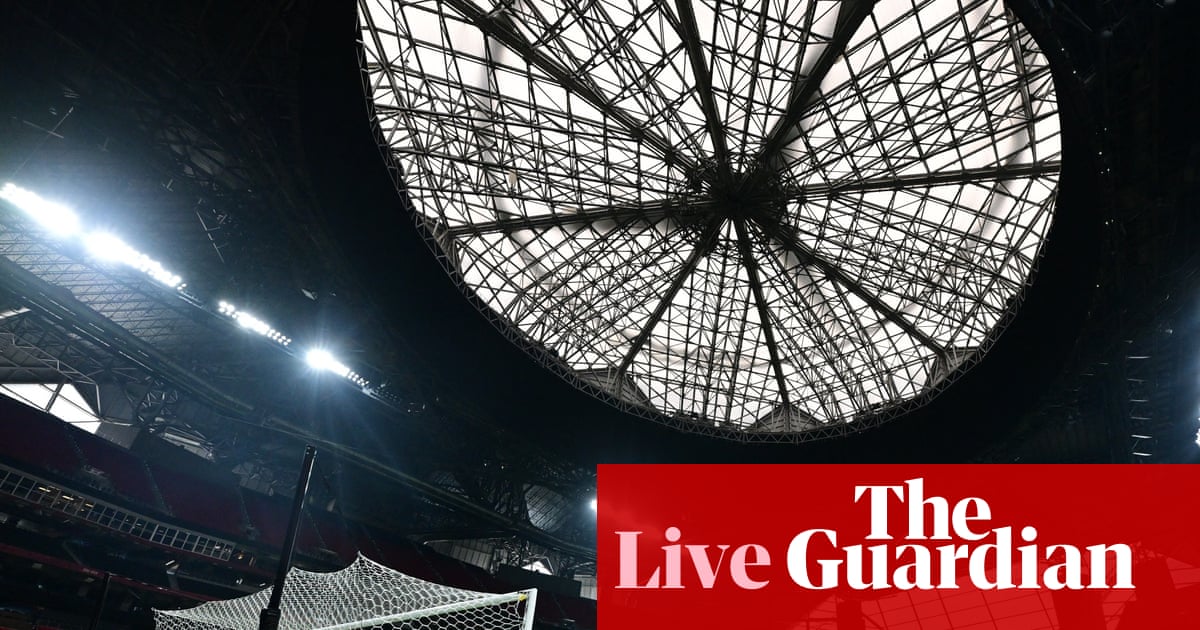
Welcome to the panic room
We are exactly 74 days away from the 2026 World Cup kicking off on home soil. That is not a lot of time. That is barely enough time to figure out a group chat for a bachelor party, let alone fix whatever the hell we just watched the United States Men's National Team do against Belgium on Saturday.
We have spent the last two years desperately trying to convince ourselves that the talent pool is deeper than ever. We talk about our guys starting in the Premier League, Serie A, and La Liga. We puff out our chests and declare that this generation is different. But then a game like this happens, and you realize we are still miles away from the grown-up table.
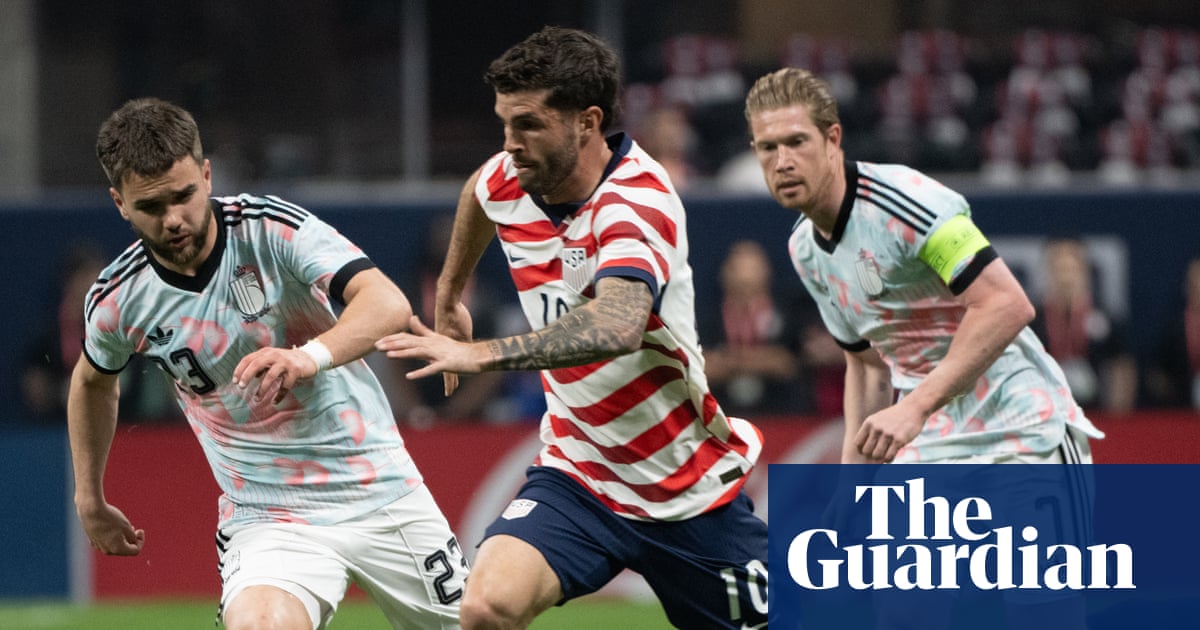
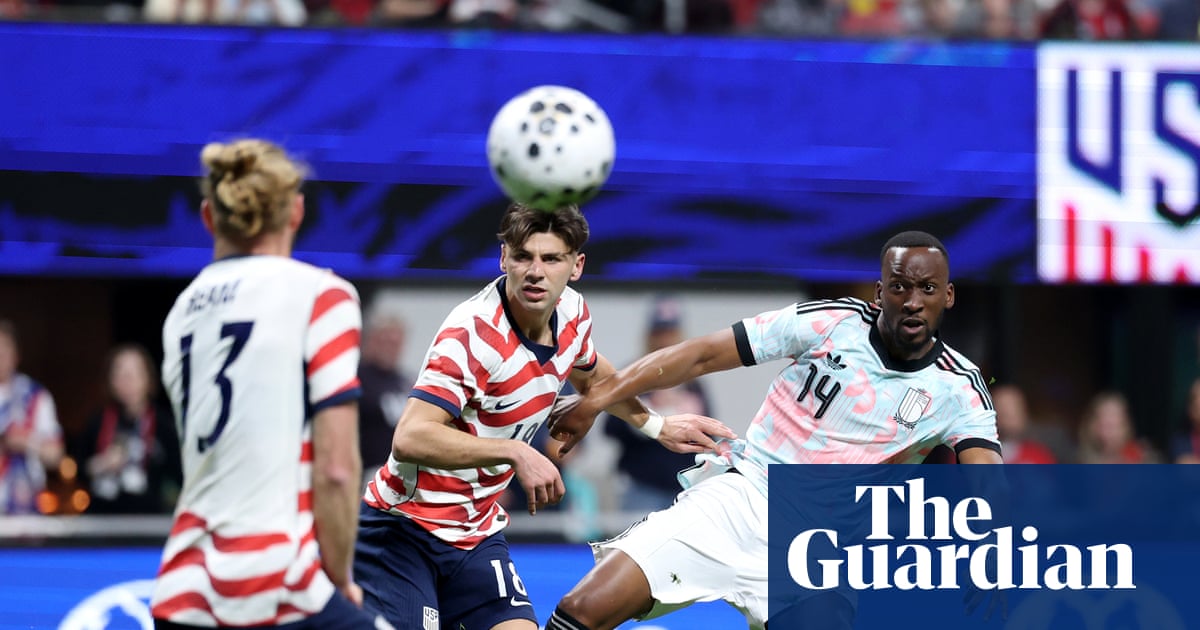
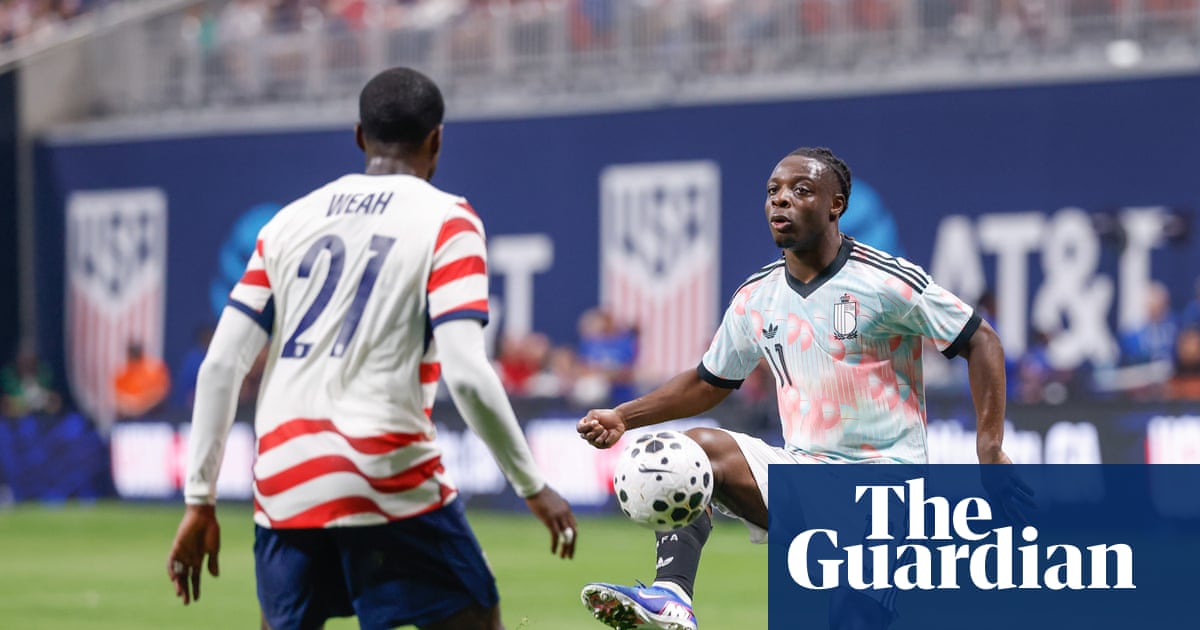
If you missed it, consider yourself lucky. Jérémy Doku didn't just beat the US defense. He took their lunch money, stuffed them in a locker, and then charged them rent for the privilege. It was an absolute bloodbath from the opening whistle to the merciful end. Every time the ball shifted to the left flank, you could actively see the American defenders backpedaling in absolute terror.
You would think that with the biggest tournament in the sport's history happening in our own backyard, there would be a raging fire lit under them. A basic defensive shape. Maybe someone tracking back to actually help the fullbacks when they are getting cooked. Nope. Doku spent the entire afternoon treating the right side of the American defense like a Sunday league training cone drill.
The help that never arrived
Here is the harsh reality of playing against someone like Doku. You cannot leave your fullback on an island. You just cannot do it. He is too fast, too twitchy, and far too ruthless. The USMNT defensive game plan seemed to rely entirely on crossing fingers and hoping he would magically trip over his own shoelaces.
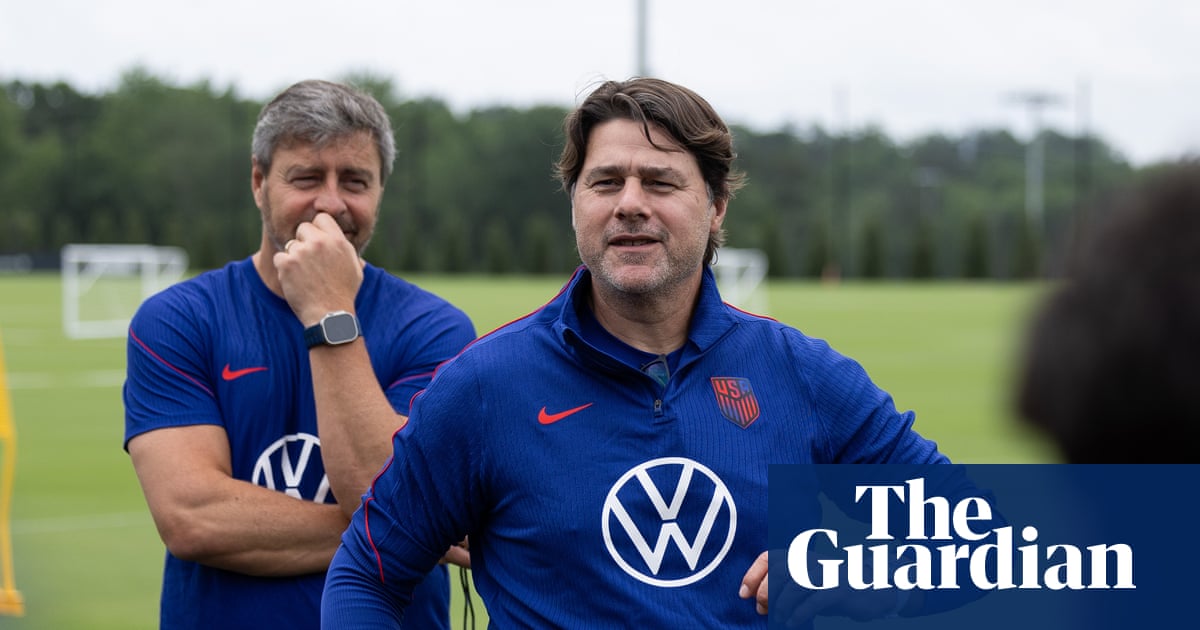
As Jeff Rueter brutally pointed out in The Guardian, the defense was counting on help that simply never came. The midfield was a ghost town whenever the ball turned over. The wingers stayed pushed high up the pitch, watching the carnage unfold from a comfortable distance like they had front-row tickets to a disaster movie. It was disjointed. It was incredibly uneven. It looked entirely unrehearsed.
In a game where communication and shape are everything, the USMNT looked like eleven strangers who met in the parking lot an hour before kickoff.
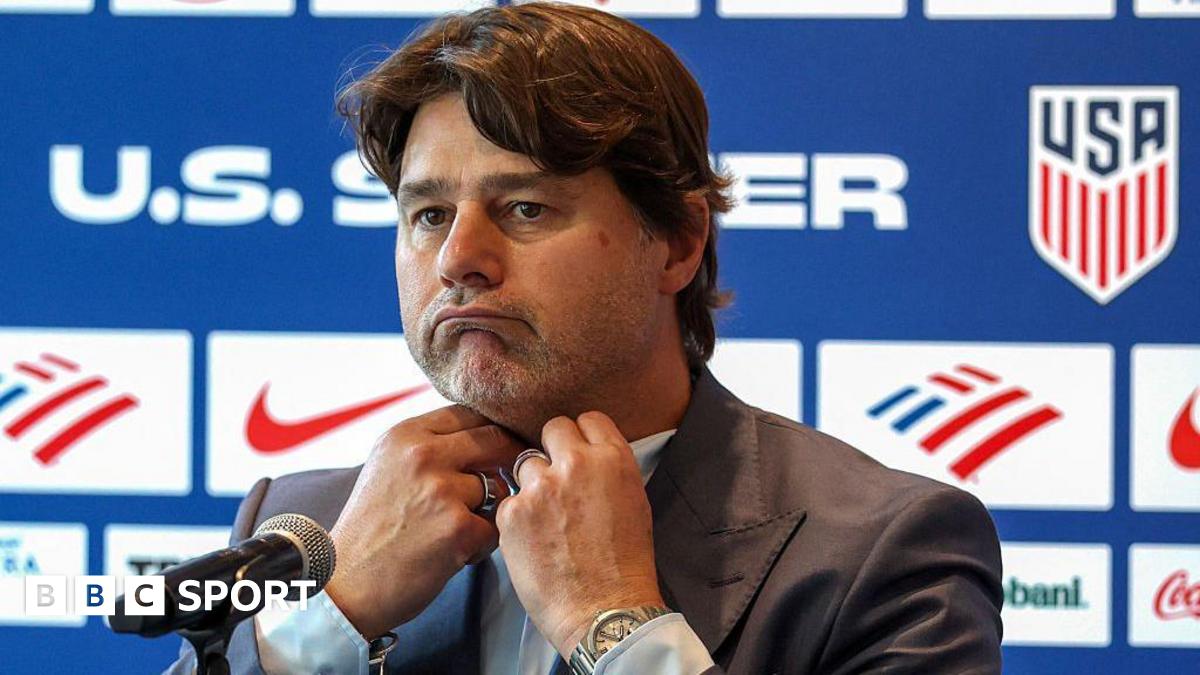
It honestly makes you wonder what exactly they have been doing in training camp all week. Two years can feel like an absolute eternity in regular life. In international football, it is a blink of an eye. The US hit the big red restart button on this entire 2026 cycle at its midpoint, binning the old regime after that absolutely miserable group-stage exit at the 2024 Copa América.
We were promised a new vision. We were promised accountability. We were promised that this squad would be hardened and ready for the massive spotlight of a home tournament. But changing the guy wearing the suit on the touchline does not magically fix fundamental tactical illiteracy on the pitch. You cannot out-manage players actively refusing to track back.
A frightening preview
Look at how Belgium set up. They didn't reinvent the wheel. They didn't come out with some absurd, avant-garde tactical formation. They simply looked at the US shape, identified the glaring weakness out wide, and hammered it repeatedly.
Doku didn't even have to get out of second gear for most of the match. He just waited out wide, received the ball in acres of space, isolated a terrified defender, and went to work. Step-over, burst of pace, cutback. Rinse and repeat. It was sickeningly simple, incredibly effective, and completely devastating.
If Doku can do this in a Saturday friendly, what happens when they play a team with real tournament stakes on the line? What happens when it's a world-class winger staring down our fullbacks in a knockout match? If Saturday was any indication, the result will be a highlight reel of defensive lowlights that will live on YouTube forever.
Running out of runway
Let's be brutally honest here for a second. The honeymoon period for this coaching setup is officially over. You do not get a grace period when the World Cup is kicking off on June 11. The runway is completely gone.
We are currently taxiing toward the terminal, and half the passengers are fighting the flight attendants instead of putting their seatbelts on. Every friendly from here on out was supposed to be about fine-tuning the machine. Instead, we are still trying to figure out how to start the engine.
When you look at this current roster, there is undeniable talent. We have guys playing regular minutes in top European leagues. We have players who know exactly what a high-level tactical setup looks like because they function within them every single weekend for their clubs.
So why does putting on the national team shirt suddenly cause collective amnesia? Why do perfectly capable professionals suddenly look like they have forgotten the basic principles of defensive cover? Against Belgium, the lack of basic communication was staggering.
Center-backs were caught pointing fingers at the holding midfielders. Fullbacks were throwing their arms up in the air in sheer frustration. Midfielders were aggressively pointing to spaces they should have been occupying themselves. Doku would receive the ball out wide, isolate his unfortunate man, and easily bypass him while three US players jogged back lightly as if they were on a cool-down lap.
The midfield ghost town
You cannot survive against elite European opposition with a soft, marshmallow center. Belgium understood exactly where the gaps were and exploited them with surgical precision.
Every single time the US tried to build out from the back, a loose pass or a heavy touch would instantly trigger a counter-attack. The gap between the defensive line and the midfield was so massive you could have landed a commercial jet in it. And who was there to stop the bleeding? Nobody.
The transition defense was practically non-existent. It is wildly infuriating to watch a team with this much raw athletic capability get completely outworked and out-thought in the middle of the park. Effort is the absolute bare minimum required at this level, and somehow, the US managed to fall short of even that baseline.
The critical failure here wasn't just physical; it was deeply mental. Elite teams recognize when they are getting overrun and they make on-the-fly adjustments. They foul. They slow the damn game down. They grab a jersey, take a yellow card, and let their teammates reset. They drop a midfielder deeper to double-team the hot hand.
The US did literally none of that. They just kept rolling the ball out and letting Belgium run at them again and again like they were expecting a different result.
Reality checks and panic buttons
Maybe this is the harsh reality check this squad desperately needed. Maybe getting publicly embarrassed by a top-tier European side is the cold bucket of water to the face required to wake everyone up. But let's stop pretending everything is fine. The toxic positivity around this program needs to end right now.
This isn't just a minor bump in the road. This is a flashing red engine light on the dashboard. If they defend like this against group stage opponents in June, it won't matter that the games are on home soil. The fans will turn on them by halftime of the second match. The media will tear them apart. The incredible opportunity of hosting a World Cup will turn into a waking nightmare.
There are no more free passes to hand out. No more moral victories. No more talking about learning experiences in post-match pressers.
The team needs to figure out how to actually cover for each other, how to track late runners, and how to survive when an elite winger decides to completely take over a game. If they don't figure it out in the next 74 days, it is going to be a very short, very miserable summer. Time is officially up.
Read Next
- Kit clashes and indoor hydration breaks mark a messy USMNT loss to Belgium
- USMNT face Belgium's midfield trap while Anfield chases nostalgic ghosts
- Belgium's 5-2 rout exposes massive USMNT tactical flaws before World Cup
- This Week in Football: USMNT Panic & Squad Dropouts (Mar 23–Mar 29, 2026)
- 🏆 World Cup 2026 — Full Coverage Hub
- 🇺🇸 USMNT World Cup 2026 — Team USA Coverage Hub
- 🇧🇪 Belgium World Cup 2026 — Red Devils Hub
- ⚽ MLS 2026 Season Hub — World Cup Year Guide