Ownership shift resets West Ham board
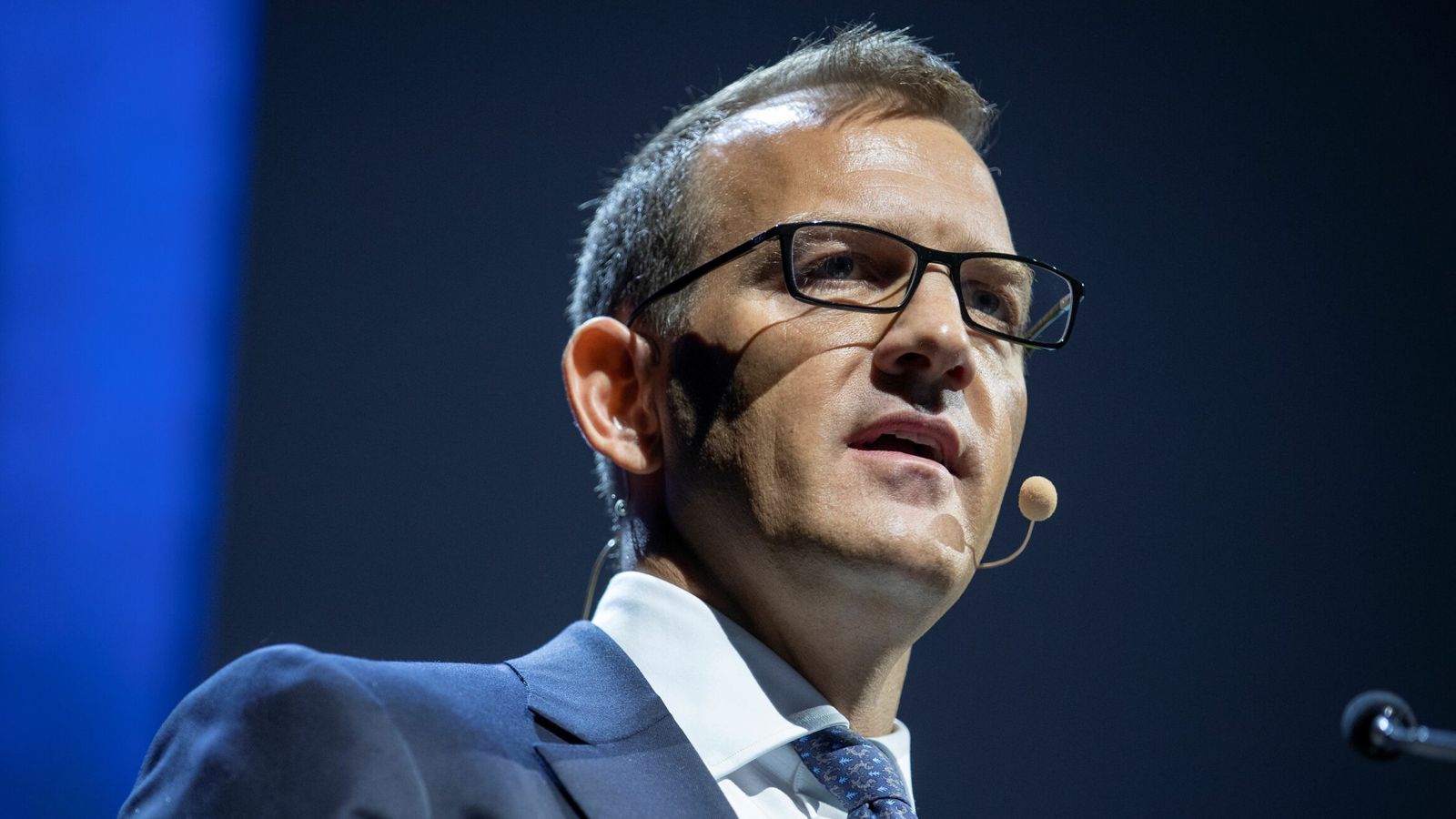
Daniel Kretinsky is set to become the largest shareholder at West Ham United following an agreement to acquire a significant stake from the family of the late David Gold. The Czech billionaire will increase his ownership interest from 27 percent to 43 percent, effectively moving into the primary decision-making seat at London Stadium. This transition occurs under the heavy cloud of internal upheaval.
David Sullivan resigned from his position as co-chair last Saturday. The departure followed an investigation by the BBC regarding historical allegations. As the BBC reported, the shift in control is a reaction to immediate pressures surrounding the club's governance. The stability of the club's administration is now firmly in the hands of the new majority.
The Gold family stake and future stability
The deal finalized this morning dictates that the Gold family will offload a portion of their holding to Kretinsky. For years, the club operated under the duality of the Sullivan-Gold partnership. With Sullivan out and the Gold family reducing their exposure, the power vacuum has been filled with startling speed. Kretinsky, also known for his involvement in Royal Mail, now faces the task of justifying this increased investment to a skeptical fanbase.
Vanessa Gold remains involved in the organization and has joined Kretinsky in expressing public concern over the allegations against Sullivan. Sources indicate that this joint statement was necessary to reassure corporate partners that the club remains a viable entity. As reported by The Guardian, the shift is not merely a financial transaction but a moral distancing exercise.
Questionable optics behind the boardroom door
While Kretinsky is now the man at the helm, the move leaves significant questions regarding the club's long-term sporting strategy. Scaling ownership is usually a precursor to a summer transfer budget reshuffle, yet there has been no word on capital injection for the upcoming window. Fans will rightfully demand to know if this deal includes a mandate for immediate spending or if it is purely an institutional change.
Critics point to the lack of a clear plan for the post-Sullivan era. Simply swapping one set of shareholders for another does not solve the underlying requirement for a modernized recruitment setup. If the primary focus remains on legal mitigation rather than pitch-side performance, the 2026-2027 season could be defined by administrative stagnation rather than growth.
Probability assessment and expectations
This deal is a done deal, or as close as it gets in the corporate world. Kretinsky has already cleared the logistical hurdles required to move his stake to 43 percent. The expected timeline for final regulatory sign-off is the end of the current month. There is almost zero chance of a collapse given that the terms were settled between the existing major stakeholders.
The impact of this shift will be immediate. West Ham is currently navigating a summer where the identity of the ownership group was in doubt until this morning. Expect a period of heavy personnel turnover in the front office. If Kretinsky fails to appoint a fresh leadership team, the vacuum left by Sullivan will continue to hurt the club's bargaining power in the market.