
Why Liverpool must lock down Ibrahima Konate before the World Cup
The strategic silence of a pre-tournament extension
April in a World Cup year is a period of quiet desperation for sporting directors. While the fans focus on the immediate stress of tonight's Champions League quarter-finals, the real work is happening in glass-walled offices where contract expiry dates carry more weight than expected goals. For Liverpool, the priority has shifted from identifying external targets to securing the foundation they already have in Ibrahima Konate.
As Sky Sports recently reported, Konate is pushing to have his future settled before the 48-team circus begins in June. It is a logical stance from a player who knows his value will either skyrocket or become a point of contention during a high-stakes tournament in North America. For Liverpool, the urgency is even greater. Allowing a player of Konate’s profile to enter a major tournament with unresolved paperwork is a recipe for a bidding war they cannot afford to lose.
Konate has become the insurance policy for the most aggressive defensive system in the Premier League. In a world where managers demand a 45-yard gap between the goalkeeper and the back four, Konate is one of the few humans capable of patrolling that space. He isn't just a defender; he is a specialist in the art of the recovery sprint, a player whose physical data often defies the traditional limitations of a center-back.
The tactical firefighter in a high-line system
To understand why Konate is indispensable, you have to look at the 14th minute of almost every big game Liverpool have played this season. When the opposition triggers a transition and looks for the diagonal ball behind the left-back, it is Konate who covers the width of the pitch. He possesses a unique ability to decelerate from a full sprint into a controlled defensive stance, a mechanic that prevents elite wingers from cutting inside.
His statistical profile remains an outlier among Europe's elite. He currently ranks in the 91st percentile for aerial duels won, but it is his ground-coverage metrics that tell the real story. In the modern game, the 'pure' defender is dead; the 'space-occupier' is the new currency. Konate occupies more space than almost any other defender in the league, allowing his partner to play as a traditional sweeper while he engages in high-risk, high-reward duels.
"I want to be focused on the pitch, not the phone calls from my agent during the most important month of my career."
The quote above, circulating in French media, highlights the psychological burden of contract talks. A player with Konate's history knows that a single hamstring tweak in a group stage match can change the terms of a deal. By seeking a signature before June 11, he is looking for the security that allows him to play with his usual controlled aggression. For Liverpool, providing that security is a small price to pay for keeping a peak-age asset away from the clutches of Real Madrid or PSG.
The Van Dijk transition and the leadership vacuum
We are currently witnessing the sunset of the Virgil van Dijk era. At 34, the captain remains a formidable presence, but the frequency of his front-footed interventions has naturally decreased. Liverpool are in the midst of a delicate succession plan, and Konate is the only logical heir to the throne of defensive leader. He has spent four seasons absorbing the positioning and communication cues of the Dutchman.
The risk of losing Konate now isn't just about losing a set of legs; it is about losing the continuity of the system. If Liverpool were forced into the market this summer, they would find a scarcity of elite-level center-backs. The likes of Castello Lukeba or Goncalo Inacio are exciting prospects, but they lack the specific Premier League tempering that Konate has endured. He has already proven he can handle the physical directness of a wet Tuesday in the Midlands and the tactical complexity of a European night.
The fragility of the human engine
However, any objective analysis must address the elephant in the medical room. Konate's availability remains his biggest flaw. Since arriving at Anfield, he has averaged just 22 league starts per season. For a player demanding top-tier wages, that is a statistical red flag that cannot be ignored. His biomechanics, while impressive, seem to put immense strain on his lower muscle groups, leading to recurring absences that disrupt the rhythm of the back four.
Liverpool's medical staff have reportedly adjusted his training load this year, focusing on explosive power rather than endurance. It has yielded results, but the fear of a long-term setback is always present. When Konate is out, the team’s xG against rises by nearly 0.3 per 90 minutes. That is a massive swing for a side with title ambitions. The club is essentially betting on his ability to stay fit for 35 games a season, a mark he has yet to hit consistently.
Despite this, the decision to extend is a binary one. You either have Konate and accept the occasional three-week absence, or you don't have him and you watch your defensive structure crumble under the weight of its own ambition. There is no middle ground. The physical demands of the Slot-era press require a freak of nature in the right-sided center-back role, and Konate is that freak.
The French connection and the global market
Didier Deschamps has a history of favoring players with settled club situations. With the 2026 World Cup featuring a grueling seven-game path to the final, the French national team manager will be looking for stability. Konate is currently fighting for a starting spot alongside William Saliba, and being distracted by contract leaks in the British tabloids will only hurt his chances. A happy Konate is a better Konate, and a better Konate starts for France.
The financial reality of 2026 also plays a role. Transfer fees for elite defenders have reached a plateau where 90 million pounds is the baseline for a proven starter. By extending Konate now, Liverpool are effectively saving themselves a nine-figure sum in 2027. It is the kind of boring, efficient business that FSG has built its reputation on, even if it doesn't sell as many shirts as a new attacking midfielder.
Liverpool fans have grown used to the drama of the 'Big Three' contracts, but Konate's situation is arguably more pivotal for the next five years. He represents the bridge between the glory of the Klopp years and whatever comes next. He is the physical manifestation of the club's tactical identity: fast, fearless, and occasionally prone to a lapse in concentration that he fixes with a 22mph sprint.
Finalizing the deal before the first whistle
The timeline is tight. We are exactly 65 days away from the World Cup kickoff. In footballing terms, that is an eternity, but in legal terms, it is a blink of an eye. The reported likelihood of him staying at Anfield is a positive sign, but until the photo of him holding the shirt appears on the official website, there is a vulnerability to the Liverpool project.
Tonight, as the lights go up for the Champions League, watch Konate closely. Watch how he positions himself when the ball is on the opposite flank. Watch the way he organizes the space around him. He is a player entering his absolute prime, a 26-year-old who has already played in a Champions League final and a World Cup final. You don't let those players walk away because of a disagreement over a signing-on fee.
Liverpool have spent years building a team that can compete with the state-funded giants of the game. That competition is won not just on the pitch, but by making sure your best players never have a reason to look at the departures board at John Lennon Airport. Sorting Konate’s future by the end of May isn't just good management; it is a tactical necessity for a club that refuses to lower its standards.
Adidas Unisex-Adult MLS League Soccer Ball
A durable, high-quality ball perfect for weekend pickup games.
More Coverage
Michael Skubala takes the hot seat at Ashton Gate
3 hours ago
World Sevens brings high-octane chaos before the World Cup fever hits
4 hours ago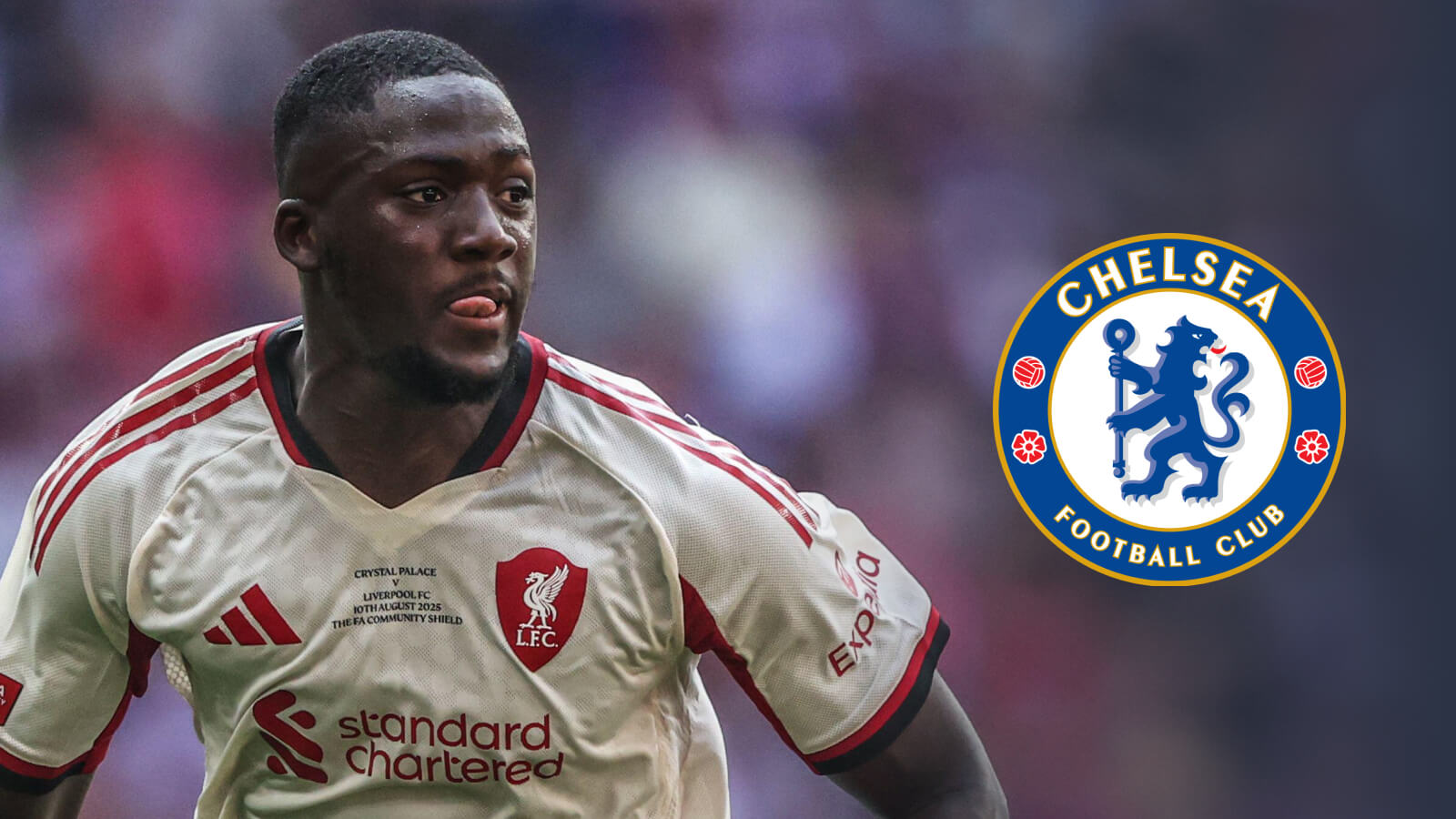
The Konate saga has Liverpool fans spiraling into absolute chaos
8 hours ago
Why Manchester United’s pursuit of Ederson makes tactical sense
12 hours ago
Arsenal must reconcile their tactical past with this final hurdle
13 hours ago
Manchester United are sleepwalking into another summer of uncertainty
16 hours agoMore Analysis

Liverpool cannot afford to lose Konate right now
22 hours ago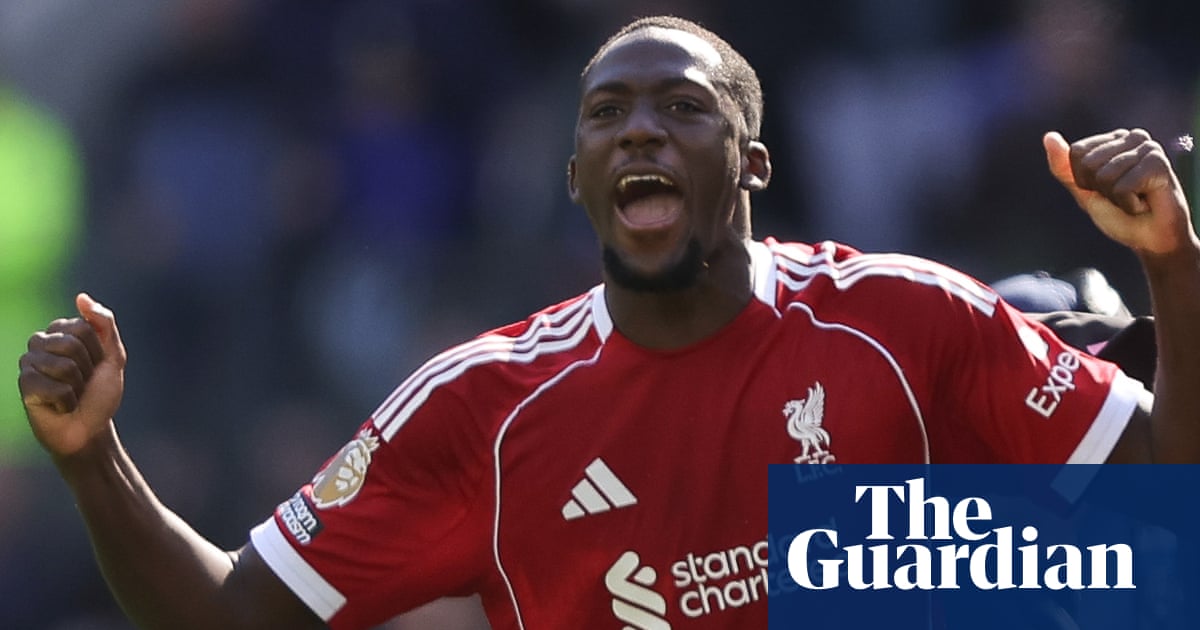
Liverpool are finally locking down Ibrahima Konaté
1 month, 1 week ago
Ibrahima Konate is finally locking down his Liverpool future
1 month, 1 week agoLiverpool is playing a dangerous game with Ibrahima Konate
2 weeks, 4 days ago
Liverpool cannot afford to let Ibrahima Konate walk away for nothing
1 month, 1 week ago