The Collision Course
Manchester City's pursuit of a historic double has been thrown into chaos, not by an opponent, but by a calendar. The club is reportedly furious after the Premier League scheduled three of their most decisive end-of-season fixtures to be played in the space of just seven days. The fixtures, now set for May 13th, May 16th, and May 19th, represent a brutal physical gauntlet that threatens to undermine both their Premier League and cup ambitions.
This isn't a simple case of fixture congestion; it's a pile-up that many at the club feel was entirely avoidable. As reported by The Guardian, the core of the issue stems from the league's delayed rescheduling of a postponed match against Crystal Palace. The failure to find a suitable alternative date sooner has backed City into a corner at the worst possible moment, creating a week-long test of endurance that no amount of elite conditioning can fully prepare a squad for.
An Unwanted Gift for Arsenal
Across North London, Arsenal captain Martin Odegaard has been issuing rallying cries, fully aware that his side is potentially just seven games from making history. As the Mirror notes, the pressure at the Emirates is immense but controlled. They are focusing on their own performances, but this scheduling calamity for their chief rival could be an unexpected, and perhaps decisive, factor in the title race.
The physical toll on City’s players could directly impact the title’s destination. While Arsenal prepares for their fixtures with standard recovery times, City will be forced into a state of perpetual pre-match and post-match recovery. A single muscle strain, a moment of fatigue-induced error, or a necessary squad rotation in one of the three games could be the opening Arsenal needs. The integrity of the title race is now in question, potentially being decided by attrition and scheduling as much as by skill and tactics.
The Anatomy of Player Burnout
Modern football already pushes athletes to their physical limits. A three-game week is common, but a seven-day stretch involving an FA Cup Final wedged between two must-win league matches is another level of demand entirely. The risk of soft-tissue injuries—hamstring, groin, and calf strains—skyrockets under such conditions. Pep Guardiola’s squad, renowned for its technical prowess, is now facing a battle of pure physical resilience.
This situation highlights a growing and often-ignored problem in the sport: the conflict between player welfare and the commercial demands of broadcasting and scheduling. While clubs invest millions in sports science to gain fractional advantages, those efforts are rendered almost meaningless by scheduling decisions that ignore fundamental principles of human physiology. There is simply not enough time for muscle fibers to adequately recover, for glycogen stores to be fully replenished, or for the nervous system to bounce back from the intense cognitive demands of top-flight football. It is, in effect, a self-inflicted injury on the part of the league.
The Strategic Nightmare
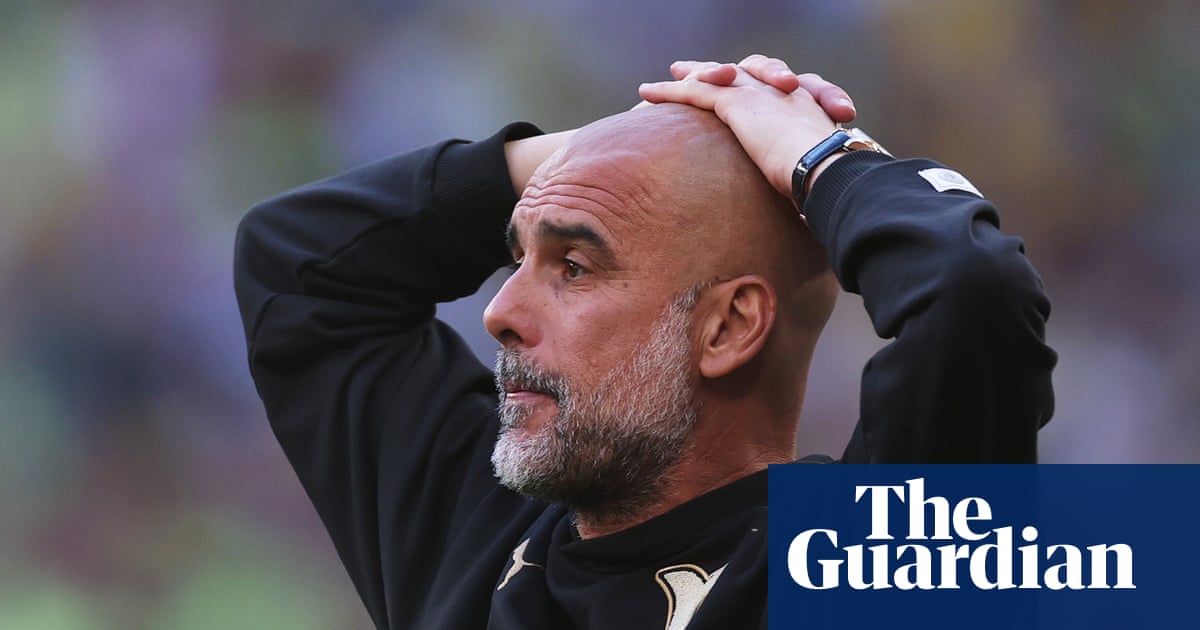
For Pep Guardiola, this presents a strategic nightmare. Does he risk playing his full-strength squad in all three matches and hope they survive? Or does he rotate for the FA Cup Final on May 16th, effectively conceding a major trophy to protect his players for the league run-in? It’s a gamble with no good options. A weakened team in a cup final is a concession, but a key injury to a star player in that game could cost City the far more lucrative Premier League title.
The decision-making process becomes less about tactical matchups and more about managing energy levels and injury risks. Substitutions will be made not just for tactical advantage but to preserve key assets. The situation is a stark reminder that for all the money and glamour in modern football, the entire enterprise rests on the physical well-being of the players, a factor that appears to have been a secondary consideration in this instance. The title may not be won by the best team, but by the team that is still standing at the end of this brutal, congested week.