The boardroom battle
The Premier League title race isn't always decided on the pitch. Sometimes it is decided in the boardroom, in the broadcast scheduling meetings, and in the sheer physiological reality of human recovery times. We have reached that point in the season. Manchester City are staring down a brutal, unforgiving stretch of three matches in seven days. This is the consequence of their own success. Progression to the FA Cup final on May 16 has created a localized fixture pile-up that threatens to derail their entire league campaign.
The Premier League bosses have completely rejected City's bid to switch matches. As the Daily Mail reported, the original plan was to reverse the Palace and Bournemouth fixtures. That request was denied outright. The broadcast schedules are locked, and the reigning champions are paying a steep price for their deep cup run.
"City were in talks over reversing the Palace and Bournemouth fixtures, the complexities of which would have meant an ability to spread matches across eight days."
Eight days would have provided a massive physiological relief. Seven days is a different animal entirely. In elite football, the difference between 72 hours and 96 hours of recovery is the difference between retaining the title and watching someone else lift it from afar.
The mathematics of fatigue
Muscle glycogen stores take roughly 48 to 72 hours to fully replenish. When you ask a squad to press high, to run aggressive half-space channels, and to dominate transition moments three times in a single week, you are asking for physical breakdown. There is no sports science department in the world that can magically erase the lactic acid buildup from that specific workload.
The science on this is largely undisputed. When players log more than 60 minutes in a high-intensity match, their central nervous system requires significant downtime to reset. You see the fatigue manifest not just in reduced sprint speeds, but in cognitive delays. A midfielder takes an extra half-second to scan the field before receiving the ball. A striker hesitates for a fraction of a moment before making a near-post run. In a league where margins are measured in millimeters, those cognitive delays are fatal. City are essentially being asked to play chess while sprinting on a treadmill for a week straight.
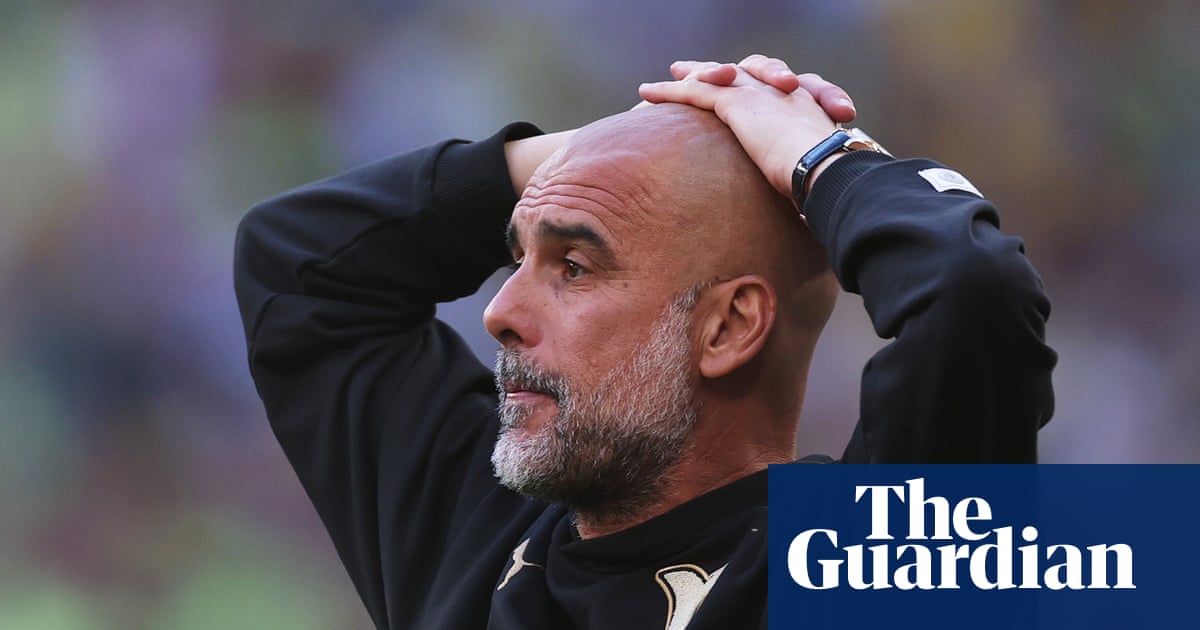
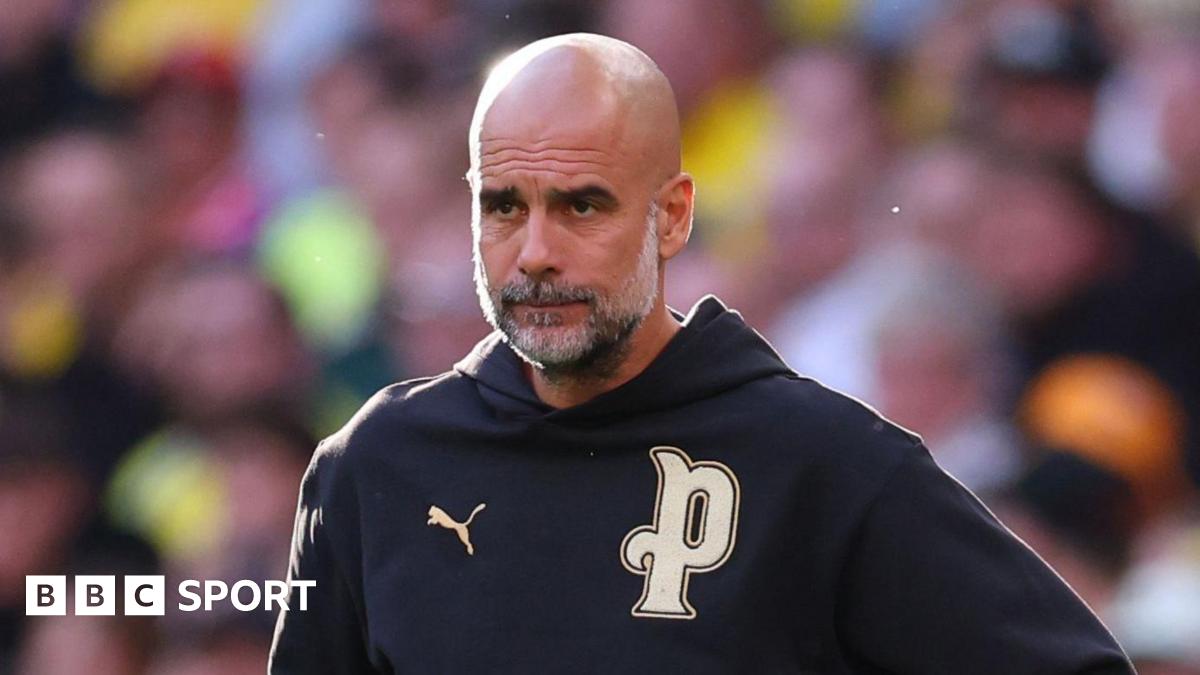
Pep Guardiola knows this better than anyone. He has managed fixture congestion more effectively than almost any manager in the modern era. But even his carefully calibrated rotation system has hard limits. Look at City's squad depth right now. On paper, it looks incredible. In practice, the drop-off in certain key defensive roles is stark.
When you are forced to rotate your primary holding midfielder or your main ball-playing center-back in the middle of a tense title run-in, structural vulnerabilities instantly emerge. The timing of their pressing triggers becomes slightly delayed. The distances between the midfield and the defensive line stretch by a few vital yards.
This is where my main criticism of City's front office comes in. The failure to secure this fixture swap is a massive administrative failure. The club should have anticipated the broadcast demands months ago and pushed harder behind the scenes. Instead, they find themselves backed into a corner, forced to play a grueling schedule that hands the initiative directly to North London.
Arsenal's clean runway
Contrast City's grim schedule with Arsenal's current trajectory. Mikel Arteta's side has been handed a massive structural advantage that they absolutely must capitalize on. They have clear weeks to prepare. They have time to rest, recover, and run detailed tactical walkthroughs on the training pitch.
Arsenal are in a vicious rhythm. They have settled into a tactical groove that relies heavily on their wide players isolating full-backs and their midfield suffocating opponents through sheer territorial dominance. Rio Ferdinand recently pointed out that a key Arsenal player has hit a rich vein of form, suggesting he could drag them over the line. The Metro highlighted this exact sentiment, and it maps perfectly onto Arsenal's recent ball progression metrics.
Look at how Arsenal are utilizing their full-backs right now. Instead of static overlapping runs, they are creating fluid overloads in the half-spaces, dragging opposition markers out of their designated zones. This requires immense energy and precise timing. Because Arsenal have managed their schedule effectively, they have the physical capacity to execute these complex tactical rotations for a full 90 minutes. They are not fading in the late stages. They are accelerating.
They aren't just winning matches. They are controlling the tempo of games with a cold, calculated maturity that was entirely missing during their collapse last season. Arteta has clearly learned from his previous mistakes. He is managing minutes better. He is trusting his bench in the second half of games that are already secured.
This is exactly what you need to do when your closest rival is bogged down in a fixture nightmare. You keep your own house in order and wait for the fatigue to crack their foundation.
Tactical compromises in Manchester
So how does Guardiola actually handle this brutal 168-hour bottleneck? He will have to compromise his core philosophy. You simply cannot sustain a high-intensity press for three games in seven days. The human body physically prevents it.
Guardiola's historical default when facing this kind of congestion is to completely overhaul his starting XI, making five or six changes at once. But he does not have that luxury right now. The title race is too tight. Every single point is a prisoner. If he rotates heavily against a mid-table side to save legs for the weekend, he risks dropping points to an inferior opponent. If he plays his best XI three times in a row, he risks severe muscular injuries to his most vital assets. It is a lose-lose scenario forced upon him by a rigid broadcast calendar.
I expect City will drop their defensive line deeper by about five yards in at least one of these upcoming matches. They will rely on slower, more methodical build-up play to dictate the tempo and conserve energy. This means a heavy reliance on sideways passing to kill the clock and rest on the ball.
They will try to bore the opponent into submission rather than overwhelming them with suffocating intensity. The problem with this cautious approach is that it invites pressure. If you drop the block deeper, you give the opposition more time on the ball in the middle third. You rely more heavily on your center-backs winning individual physical duels in the penalty area.
If one of those center-backs is carrying a slight knock or dealing with heavy legs from playing just three days prior, mistakes are guaranteed. A slightly delayed jump for a header. A missed interception on a low cross. That is all it takes to drop two points. And a draw at this stage of the season is essentially a defeat.
The Bournemouth trap
The match that stands out as the ultimate trap is the rescheduled Bournemouth trip. Originally slated for May 17, it has been moved due to City's progression to the FA Cup final. Bournemouth are the absolute worst type of opponent to face when you are running on fumes.
They press aggressively out of possession. They are relentlessly physical in the middle of the pitch. They will gladly turn the game into a chaotic track meet if you allow them the space to do so. If City attempt to play their usual patient possession game while dealing with heavy fatigue, Bournemouth will jump on those slightly under-hit passes.
We are seeing a fascination with this title race that extends far beyond the usual bubbles. Even a recent BBC podcast noted how fans of Scottish clubs like Hearts, Celtic, and Rangers are heavily invested in watching this tactical war of attrition unfold. It is a fascinating case study in squad management versus raw physical limits.
The final verdict
We are watching the definitive turning point of the campaign. The scheduling decisions finalized this week have fundamentally altered the probabilities of the title race. The boardrooms have spoken, and the fixture list is set in stone.
Arsenal have the momentum, the fitness advantage, and the structural benefit of a cleaner, more forgiving schedule. They have players hitting peak form at the exact right moment, peaking just as the finish line comes into view.
City certainly have the pedigree and the experience of navigating these late-season runs. But they are facing a physiological wall that cannot be bypassed. You cannot out-tactic exhaustion. At some point in the next ten days, the legs will simply stop responding to the brain's commands with the necessary speed.
My prediction is absolute. Manchester City will drop points during this three-game sprint. They will likely labor to a frustrating draw in the second match of the sequence, unable to find the required final-third intensity to break down a resilient, deep-sitting defense.
Arsenal will capitalize. They will win their remaining fixtures and lift the Premier League trophy. The post-season narrative will inevitably focus on Arsenal's tactical brilliance and Arteta's growth, but the cold reality is that the title was heavily influenced by a broadcast scheduling meeting that handed City an impossible recovery timeline.
Read Next
- Man City's Title Run Has Been Derailed By Fixture Chaos
- John Stones leaving Man City triggers £69m transfer war with Chelsea
- The Premier League just handed Arsenal and City a scheduling nightmare
- Manchester United are returning to the Champions League but the old guard must go
- ⭐ UCL 2026 — Champions League Quarter-Finals Hub