The Premier League has finally confirmed the fixture adjustments for the penultimate weekend of the season, and it is exactly the kind of mess managers dread. Arsenal, Manchester City, and Tottenham are all seeing their matches moved to accommodate television slots. This late in the campaign, a 24-hour shift in kickoff time is not just a logistical annoyance. It is a competitive earthquake.
When the margin between lifting a trophy and finishing second is a single point, sports science departments track sleep in minutes. Now, Mikel Arteta and Pep Guardiola have to tear up their periodization plans.
The TV networks write the checks, so they get to pick the slots. As The Mirror reported, the penultimate Matchweek 37 schedule is officially getting torn up. Broadcasters moving these games means less rest, altered travel plans, and a massive shift in the psychological warfare of the title race.
The psychological weight on Arsenal
Arsenal are right in the thick of it. Any schedule change this late in the year feels like a trap. When you are chasing down Manchester City, or trying to hold them off, the order of matches matters immensely.
The psychological toll of the title run-in is already suffocating. Every misplaced pass feels fatal. Every dropped point is a disaster. When you add erratic scheduling into that mix, you are asking for a complete mental breakdown. Players are creatures of habit. They want to wake up, eat their pre-match meal, and play football at the exact time they have played football since August. Ripping up that routine in the middle of May is reckless.
If Arsenal kick off first, they have the chance to put points on the board. The scoreboard pressure is real. But if the schedule shift means City play first, Arsenal are forced to react. That takes a different kind of mental resilience. You are sitting in the hotel watching your rival win 3-0, knowing anything less than a victory ends your season.
Arteta has built a robust squad. His defense is historically stingy. But the drop-off when certain players miss out is still noticeable. Changing the date of a match alters recovery windows. A Saturday afternoon kickoff compared to a Sunday night slot is a massive difference in muscle recovery. It dictates whether a tight hamstring heals or tears.
Look at how much ground Bukayo Saka and Martin Ødegaard cover every week. Fatigue hits wide players and pressing midfielders first. When their legs get heavy, Arsenal's entire out-of-possession structure sags. The high press loses its bite.
The Premier League does not care about your hamstrings. They care about eyeballs. Arsenal fans will inevitably view this as a conspiracy to derail their season. It isn't a conspiracy. It is just capitalism. But it still severely impacts their chances of surviving the run-in without dropping points.
Manchester City’s mechanical advantage
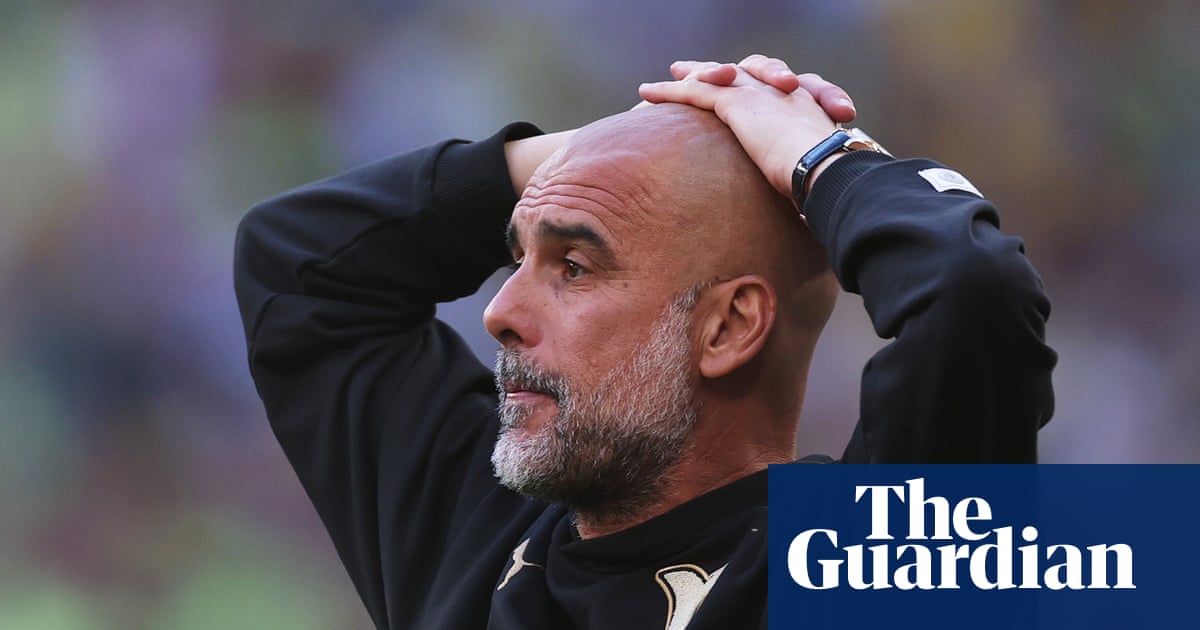
Guardiola will complain. He always complains about the schedule. He will sit in his press conference, rub his head, and make a sarcastic comment about the broadcasters trying to kill his players. And then he will send out a heavily rotated side that still costs half a billion pounds.
City are built for this exact scenario. While Arsenal rely on a core group of trusted starters, City have internationals warming the bench who would walk into any other starting eleven in the division. If a match is moved and the turnaround is tight, Guardiola just slots in a different configuration of elite technicians.
Rodri can sit out, and Mateo Kovačić steps in. Phil Foden takes a rest, and Jack Grealish or Jérémy Doku takes the flank. The system barely stutters.
This is exactly what Guardiola did during the title run-in last year. He rotated his fullbacks, benched his most creative players for pragmatic control, and ground out results. He knows that May football is rarely beautiful. It is about survival. The TV networks want end-to-end chaos, but City will try to pass the ball 800 times just to bore the life out of the opposition and protect their own legs.
But they are not totally immune to fatigue. The sheer volume of games they play across all competitions takes a toll. The Champions League semi-finals are kicking off today. They have multiple fronts to worry about. Shifting their penultimate Premier League game throws their rhythm off.
You can program a machine to run flawlessly, but if you randomly change the voltage, the gears might still grind. The fixture shift means City have to rethink their rotation strategy for the final three weeks of the season. They prefer absolute control. This schedule change strips a tiny bit of that control away from them.
Tottenham’s chaotic European push
Spurs are the wild card in all of this. Ange Postecoglou’s team is not fighting for the title, but their placement in the schedule directly impacts the teams that are. Their fixture being moved means their opponents also have their preparation disrupted.
Tottenham are fighting for European qualification. Their season has been a rollercoaster of high-wire attacking football and alarming defensive lapses. Changing their match date alters the dynamic of their run-in. Will they be playing a team desperate for points, or a squad that has already secured survival and is mentally on the beach?
Postecoglou does not do excuses. He will brush off the schedule change. He will demand his team play the exact same relentless, high-line football whether it is a Tuesday afternoon or a Sunday night. That stubbornness is both Tottenham's greatest strength and their most glaring weakness.
But let’s be honest about the quality of their recent performances. Spurs have looked leggy in transition. The intensity required to play Angeball is immense. Giving them a shorter recovery window or a disjointed training week is a recipe for a sluggish start.
Micky van de Ven and Cristian Romero are brilliant athletes, but they cannot sprint back to cover 40 yards of open grass for 90 minutes straight. When the midfield loses its legs, the center-backs are left completely isolated. A Tuesday or Thursday kickoff disrupts their tactical walkthroughs. When Angeball breaks down, it is usually because the players are physically shot, not because the opponent figured out a master plan.
If they concede early because their center-backs are slow to step up, the system collapses. Opponents know exactly how to exploit the space behind their fullbacks. A fatigued Tottenham is a highly vulnerable Tottenham.
The television tax ruins sporting integrity
This brings us back to the core issue. The Premier League sold its soul to the broadcasters decades ago. We all know the deal. We accept it because the money buys the best players in the world. But at what point does the television tax ruin the actual competition?
Moving games on the penultimate weekend is inherently unfair. In a perfect world, the final two weeks of the season should have synchronized kickoffs. Everyone plays at the exact same time. No advantage. No scoreboard pressure. Just 20 teams playing football under the exact same conditions.
Instead, we get a staggered, drawn-out weekend designed to keep people glued to their couches for three days straight. It is a manufactured drama. The league forces teams to jump through scheduling hoops, hoping someone stumbles so the cameras can zoom in on a crying fan in the away end.
It works. The ratings will be massive. But it lacks sporting integrity. The teams at the bottom of the table rarely get their matches moved for TV. They get a predictable schedule. The teams at the top are punished for being successful by having their routines shredded.
If a title is decided because a team had 24 hours less rest than their rival, we have failed the basic test of a fair sporting contest. The broadcasters dictate the terms, and the clubs just have to nod and accept the chaos.
What to watch for in Matchweek 37
Keep a close eye on the early exchanges in these moved fixtures. The first 20 minutes will tell you everything you need to know about how the schedule change has impacted the players.
Look for loose touches in midfield. Watch the fullbacks. Are they eager to overlap, or are they holding their position to save energy? When a team is physically compromised, the defensive line naturally drops deeper.
For Arsenal, watch Martin Ødegaard. He is the engine of their press. If he is walking instead of jogging between phases of play, Arteta has a massive problem.
For City, pay attention to their passing tempo. When Guardiola's side is fatigued, they don't necessarily play worse, but they play slower. They pass the ball horizontally to kill the game and rest in possession. If they are moving the ball sideways for long stretches, they are feeling the burn.
For Tottenham, watch the distance between their center-backs and their midfield pivot. When fatigue sets in, that gap widens, leaving them brutally exposed to counter-attacks.
The Prediction
Someone is going to drop points because of this. The physical and mental strain of a late schedule change, compounded by the immense pressure of the title race, will snap a team's focus.
My money is on Arsenal dropping points. Not because they are weak, but because they have the most to lose and the smallest margin for error. Arteta’s system demands absolute perfection out of possession. If a shifted kickoff time costs them even 1% of their sharpness, a mid-table team with nothing to lose will punish them.
City will survive the shuffle. They always do. Guardiola will complain, his players will look tired, and then they will win 2-0 without ever getting out of second gear. They have been down this road too many times to let a TV schedule derail them.
Tottenham will probably ship three goals in the first half of their moved fixture, score two late consolations, and Postecoglou will tell the press he liked the character they showed.
The Premier League will get the chaotic weekend it wanted. The broadcasters will get their money. And the fans will be left wondering what would have happened if the matches had just been played when they were originally scheduled.
Read Next