The Unyielding Squeeze of a Season's End
As April draws to a close, the air thickens with the weight of expectation for Europe's elite. For Manchester City, however, that familiar pressure is now compounded by a scheduling nightmare that has left the club feeling, as sources suggest, ‘frustrated’. The Premier League title race, European ambitions, and domestic cup glory coalesce into a brutal gauntlet, with the most severe test looming just over the horizon in May.
This isn't a theoretical concern or a managerial complaint for the sake of it. The cold, hard reality is that City faces an unprecedented barrage: three decisive fixtures crammed into a mere seven days next month. For a squad meticulously managed for peak performance, this kind of schedule can be the difference between silverware and crushing disappointment.
The Crystal Palace Conundrum and its Domino Effect
At the heart of this scheduling headache lies the postponed match against Crystal Palace. While individual game postponements are an unavoidable reality of the football calendar, their repositioning can create significant ripple effects. In City’s case, this single fixture, needing a new slot, has proven to be the ‘chief problem’ in contorting their end-of-season run-in.
The impact is immediate and profound. These three crucial games, now slated for May 13, May 16, and May 19, leave virtually no breathing room for recovery, tactical adjustments, or injury management. This compressed schedule demands an almost inhuman level of physical and mental resilience from every player who steps onto the pitch.
Guardiola's Strategic Tightrope Walk
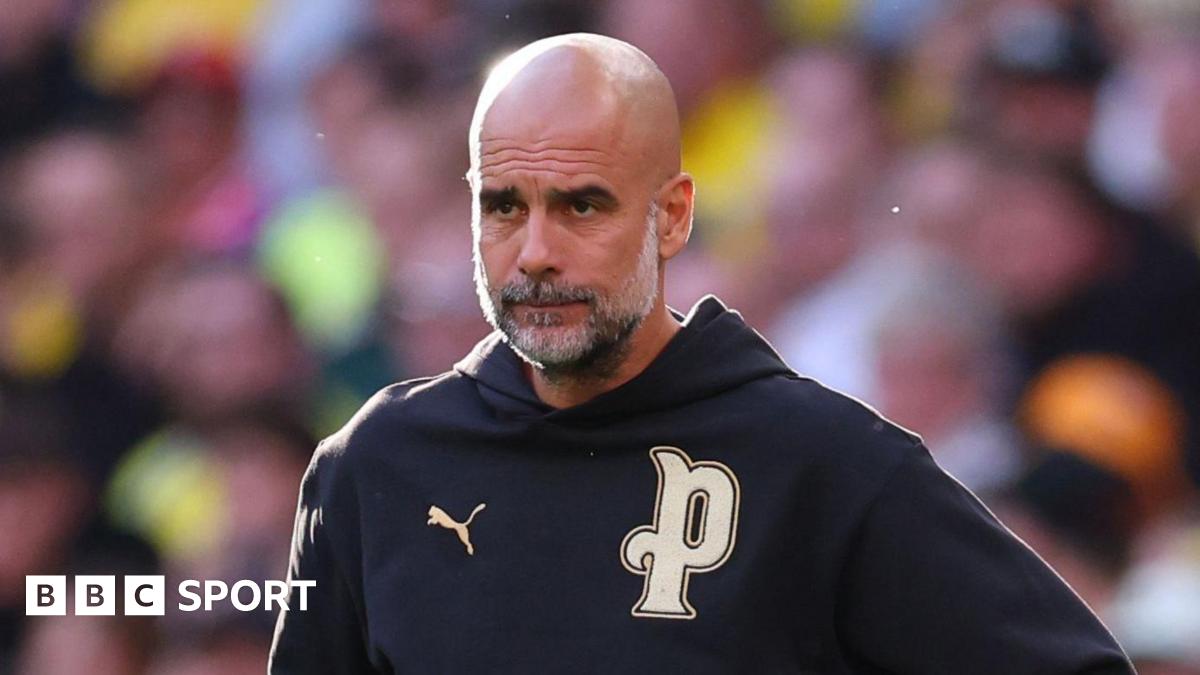
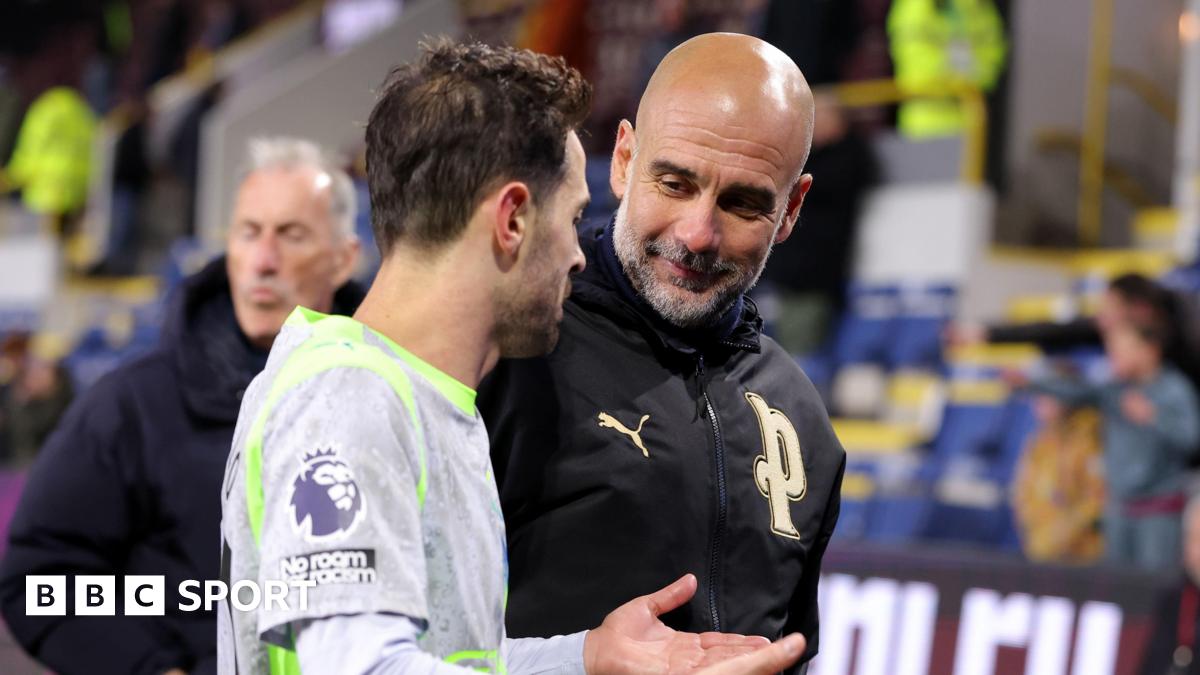
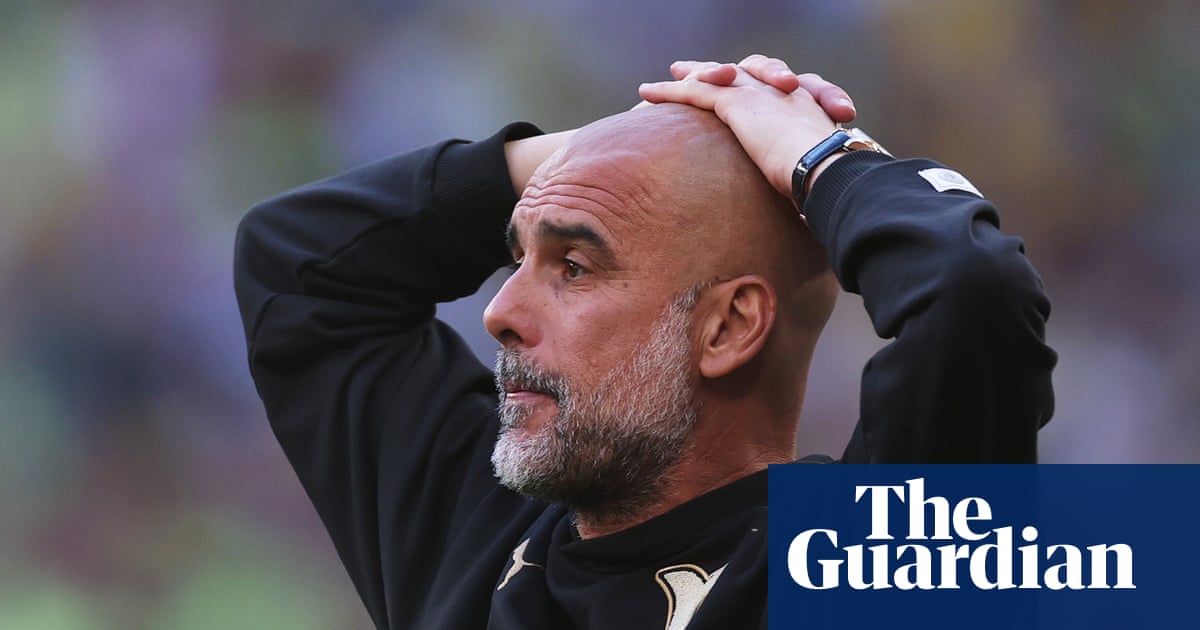
Pep Guardiola, a manager renowned for his intricate tactical planning and meticulous rotation, finds himself walking an exceptionally precarious tightrope. His squad depth, often touted as one of City's greatest assets, will be tested to its absolute limits. Every substitution, every starting XI selection, carries magnified risk.
Consider the potential for fatigue. Playing three high-stakes matches in less than a week inevitably leads to diminished returns in the latter stages of the third fixture. Sprint data drops, concentration wanes, and the risk of soft tissue injuries skyrockets. This isn't about fitness levels; it's about the biological limits of human performance under extreme duress.
“The schedule is relentless, and for a team like Manchester City, constantly competing on multiple fronts, these congested periods don’t just test their skill, they test their very will. It’s a genuine concern for player welfare.”
The philosophical question of squad rotation becomes a grim necessity, rather than a strategic choice. Does Guardiola gamble on a slightly weaker side in one fixture to preserve key players for another? Or does he push his strongest XI repeatedly, risking burnout or a critical injury to a pivotal player?
The Unseen Toll: Beyond the Ninety Minutes
Beyond the physical exertion, the mental load placed on players during such a period is immense. Each game carries season-defining implications, demanding unwavering focus and emotional control. The constant travel, the quick turnarounds, and the media scrutiny all contribute to a psychological drain that can manifest as errors on the field.
This is where the Premier League and FA's scheduling decisions, or lack thereof, come under scrutiny. While accommodating postponed fixtures is necessary, the seemingly arbitrary placement that creates such an imbalance for a team fighting for multiple honors raises questions about competitive fairness. A slightly more equitable distribution of rescheduled games would ease the burden, or at least spread it more evenly across the top contenders.
What's at Stake: A Defining Stretch
The next few weeks, culminating in this particularly congested period in May, will unequivocally define Manchester City's 2025-26 season. Whether it's the Premier League title, progression in Europe's premier club competition, or any other silverware, every ambition now hinges on navigating this fixture minefield. The margin for error is razor-thin; a single slip, a single poorly managed game, could derail months of effort.
Opponents, acutely aware of City's predicament, will look to exploit any signs of fatigue or rotation. High-pressing tactics, aggressive transitions, and a willingness to run City's players into the ground will be common strategies. The psychological battle will be as fierce as the tactical one on the pitch.
The Verdict: Resilience Under Fire
Manchester City's ability to overcome this May gauntlet will serve as a definitive statement about their collective character and the depth of their squad. Guardiola will lean heavily on his veteran leaders and the tactical versatility of his younger stars. While the 'frustration' is understandable, the mark of true champions is how they respond to adversity.
My prediction: City will navigate this period successfully, albeit not without visible strain and a few anxious moments. Their sheer quality and the winning mentality ingrained within the squad will see them through. However, expect at least one performance during this seven-day stretch to be notably below their usual dominant standards, a testament to the unyielding pressure of the fixture list. They will win two of the three games, drawing the other, but the cost will be evident in the energy expended.
Read Next
- John Stones is leaving Man City and everyone is losing their minds
- Top 10 Moments That Defined the 2025-26 Football Season
- Manchester City's calendar crunch threatens the title race
- Tottenham won against Wolves but Jamie Carragher isn't buying the hype
- ⭐ UCL 2026 — Champions League Quarter-Finals Hub