The end of the interim limbo
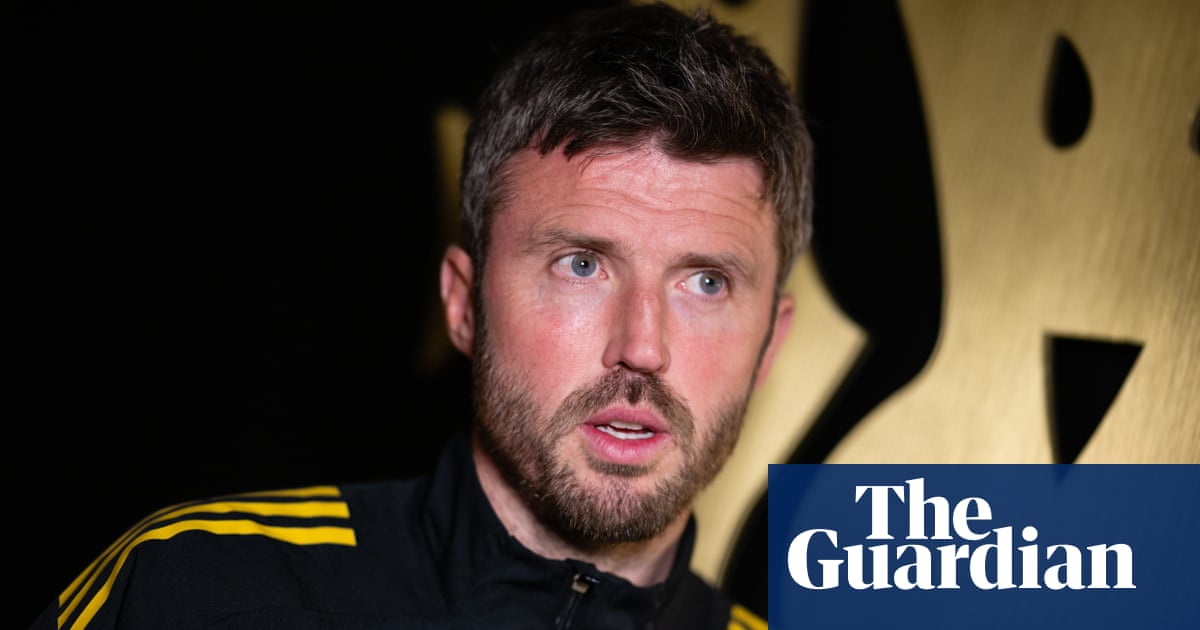
Manchester United executives have spent the last three months behaving like a club afraid of its own shadow. By keeping Michael Carrick in the interim role while conducting a supposedly exhaustive search for a permanent successor, they risked turning the 2025/26 season into another wasted chapter. The news that an agreement has finally been reached to install Carrick permanently is less a triumph of long-term planning and more an admission that the alternatives were either unavailable or unwilling to step into the Old Trafford furnace.
Carrick has been holding the fort since February, and while the results haven't been revolutionary, there is a distinct shift in the tactical floor of this squad. We are no longer seeing the erratic, high-variance transitions that defined the end of the previous regime. Instead, Carrick has imported the patient, structured build-up play that made his Middlesbrough side one of the most technically proficient units in the Championship. He has stopped the bleeding, but the permanent appointment brings a different kind of pressure entirely.
The first demand and the power shift
According to reports from Mirror Football, Carrick didn't just sign the contract; he made a significant first demand regarding the club's recruitment structure. For a man often viewed as a quiet, company-man figure, this is a necessary assertion of authority. United's recruitment has been a fragmented mess for a decade, and Carrick knows that without a veto on profiles that don't fit his 4-2-3-1 system, he will be gone by Christmas 2027.
His demand reportedly centers on the fast-tracking of a deep-lying playmaker, a 'number six' who can actually receive the ball under pressure and turn. It is ironic that Carrick, perhaps the best English player in that specific mold for twenty years, is now the one begging the board to find his spiritual successor. The current reliance on aging legs in the pivot has seen United's pass completion in the middle third drop to a mediocre 78 percent this season, a stat that simply cannot persist if they want to challenge for the top four.
Tactical evolution or a Solskjaer sequel?
The skeptics will immediately point to the ghost of Ole Gunnar Solskjaer. The pattern is identical: a former player steadies the ship, wins over a fractured dressing room with 'basic principles,' and is rewarded with a long-term deal based on a small sample size of improved morale. However, watching Carrick's United suggests a much higher tactical ceiling. He is obsessed with 'passing lanes' and 'occupying the half-spaces,' terms that were rarely heard during the Solskjaer era.
In the recent 1-1 draw against Chelsea, we saw United utilizing a 3-2-5 build-up shape that morphs into a 4-4-2 mid-block. The discipline was there, even if the individual quality was lacking in the final third. Carrick has successfully coached the 'chaos' out of the team, but in doing so, he has occasionally made them look sterile. They lack the punch of a title-winning side, often settling for 15-minute spells of possession that result in zero shots on target. It is a controlled form of mediocrity that requires high-level recruitment to transcend.
The FA Cup Final litmus test
The timing of this announcement is no accident. With the FA Cup Final at Wembley scheduled for this Saturday, May 16, the board wanted to remove the 'interim' distraction. It is a calculated gamble. If United lose to a superior Manchester City or Liverpool side, the 'Carrick Out' brigade will have their ammunition before the ink on the contract is even dry. If they win, Carrick starts the summer with a level of credit that even Ten Hag didn't enjoy after his first year.
United's xG (expected goals) under Carrick has stabilized at 1.45 per game, which is a marginal improvement but hardly elite. The defensive metrics are where the real work has been done. They are conceding 1.1 goals per 90 since February, down from a disastrous 1.8 earlier in the campaign. Carrick has traded flair for stability, a trade-off that United fans have accepted for now, but one that will be scrutinized heavily once he is no longer the 'underdog' interim boss.
The critical flaw in the appointment
There is a dangerous sentimentality at play here. Manchester United have a pathological need to feel 'connected' to their past, and Carrick is the ultimate link to the Ferguson era. But is he a world-class coach, or just a very good one who understands the building? The concern is that United have bypassed elite, proven managers in favor of a comfortable fit. When you look at the tactical sophistication of the managers currently occupying the top three spots in the Premier League, you have to wonder if Carrick has the reactive capability to win a tactical chess match when his Plan A is neutralized.
He has struggled when opponents switch to a high-intensity man-marking press. In the second half against Aston Villa last month, United were pinned in their own third for 25 minutes because Carrick failed to adjust the positioning of his full-backs to create an out-ball. This rigidity is the mark of a young manager still learning his trade. At United, you usually don't get the luxury of a three-year learning curve. The demand for immediate results in 2026 is absolute.
A prediction for the Carrick era
The next twelve months will be defined by how much of that 'first demand' is actually met. If the board retreats into their usual pattern of buying commercial 'stars' rather than tactical fits, Carrick will be set up for failure. He is a manager who requires specific tools to build his machine. Without a mobile holding midfielder and a more clinical edge in the wide areas, this appointment will end in the same way every United managerial cycle has ended since 2013.
I expect the initial 'bounce' to carry them through a respectable FA Cup performance, but the real test starts on July 1. Carrick is a cerebral, quiet leader who won't play the media games his predecessors did. That will be refreshing until the first three-game losing streak hits. Then, the silence will be interpreted as a lack of passion. It is a brutal job, and while Carrick is the most qualified 'internal' candidate they've ever had, he is walking into a trap that has claimed much bigger names than his.
My confident prediction: Carrick will provide the stability United crave, but he lacks the ruthless edge to overhaul the squad's mentality. Expect a top-four finish next season and a deep domestic cup run, but the gap to the Premier League title will remain at 12 to 15 points. He is the right man for a reset, but likely not the man for the ultimate return to glory. United have opted for a safe pair of hands when they probably needed a sledgehammer.