The Champions League tax returns to Old Trafford
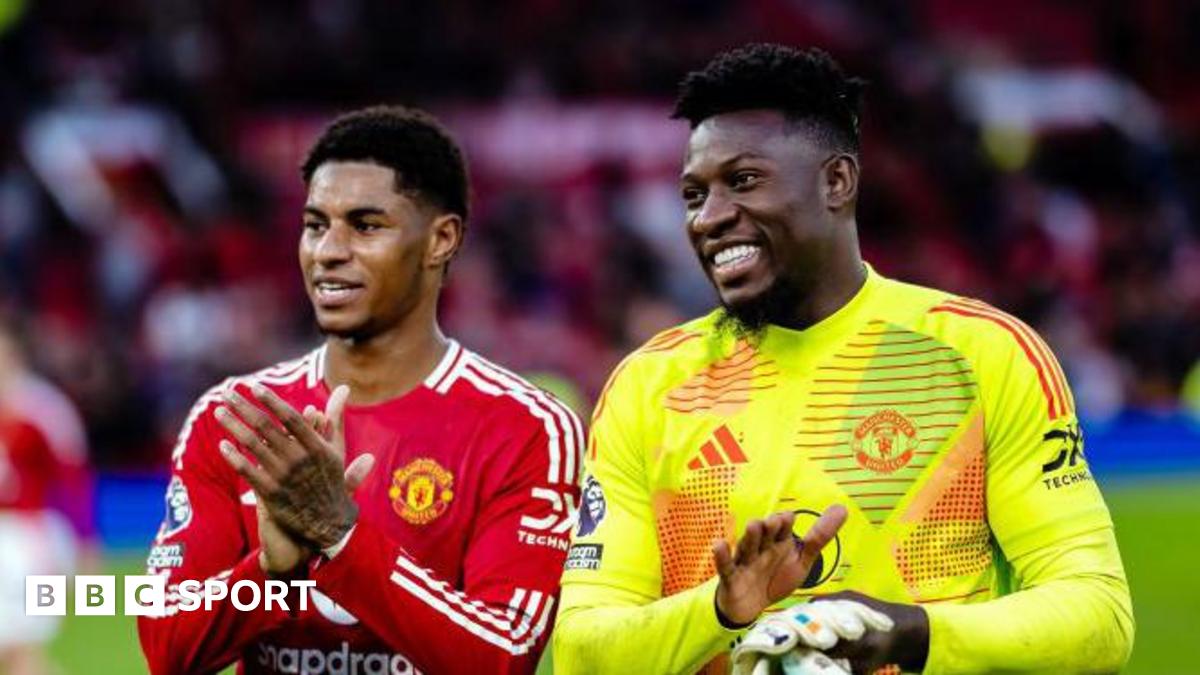
Manchester United’s wage structure has long been a source of fascination for forensic accountants and a headache for sporting directors. The confirmation of Champions League qualification for the 2026-27 season doesn't just change the summer transfer budget; it immediately triggers a contractual cascade across Carrington. For most of the first-team squad, the achievement represents a massive salary restoration rather than a traditional performance bonus.
The mechanism used by United is a blunt instrument of financial engineering. To protect the club against the revenue crater caused by Europa League football, contracts are structured with a 25% reduction for failing to reach the top four. With qualification now secure, those deductions vanish. It is effectively a £50 million swing in the annual wage bill occurring the moment the mathematical certainty of a top-four finish was confirmed.
The Bruno Fernandes benchmark
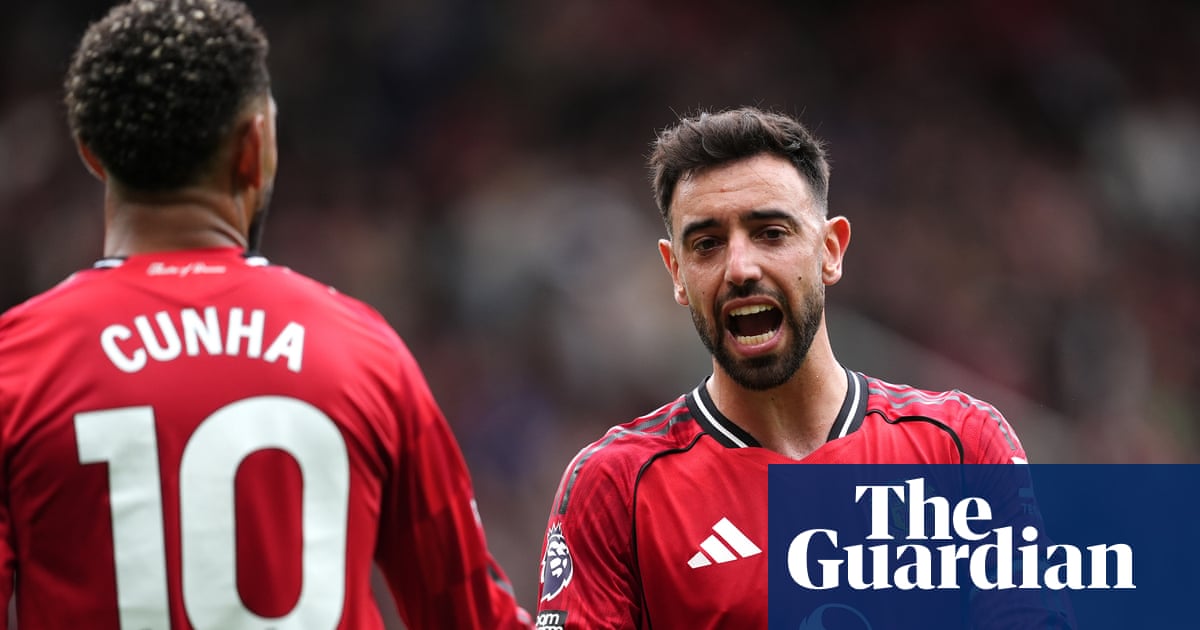
Bruno Fernandes remains the primary symbol of this fiscal volatility. Under the restored terms, Fernandes will earn approximately £250,000 a week. While his creative output remains the highest in the squad—averaging 2.8 key passes per 90 minutes this season—the jump in his salary highlights the precarious nature of United's overheads. At £250,000, he is being paid as a Tier 1 global playmaker, a status he frequently justifies, but one that puts immense pressure on the club’s Profit and Sustainability (PSR) calculations.
As The Guardian reported, the majority of the squad will benefit from this return to Europe’s premier competition. For a squad that has often struggled for tactical identity under high-pressing triggers, the financial reward for meeting the minimum requirement of a club this size feels disproportionate. It creates a scenario where a player can underperform for 38 games, yet still receive a massive pay rise because the collective managed to scrape into fourth place.
Performance vs. Payout: The efficiency gap
When you break down the numbers, the efficiency of United's spending becomes questionable. This season, United’s xG (expected goals) per £1m of wages is among the lowest in the top six. By restoring the 25% salary portion to the bulk of the squad, the club is essentially doubling down on a roster that has yet to prove it can challenge for a title. If we assume a squad of 25 players with an average weekly wage of £120,000, a 25% hike adds £30,000 per player, per week, to the outgoings.
This isn't just about the stars. The 'middle class' of the United squad—players earning between £80,000 and £140,000—see the most significant impact on their lifestyle and the club's balance sheet. A player on £100,000 suddenly moves to £125,000. Over a 52-week cycle, that is an extra £1.3 million for a single squad member. When applied to 18-20 players, the cumulative effect is what keeps United’s wage-to-turnover ratio dangerously close to the 70% threshold recommended by UEFA.
The recruitment paradox and PSR pressure
The irony of United’s qualification is that the very money they earn from the Champions League—estimated at £60-80 million depending on progression—is immediately cannibalized by these salary hikes. It leaves the sporting director in a paradox: you need the Champions League money to buy new players, but the current players take a huge chunk of that money as soon as you qualify. This reduces the 'net' financial gain of qualification to a much smaller figure than the headline UEFA prize money suggests.
There is also the critical issue of squad deadwood. Players who have contributed fewer than 500 minutes of league football this season will still see their salaries jump by 25%. This makes them significantly harder to sell in the summer transfer window. A fringe player on £80,000 is a movable asset; the same player on £100,000 becomes an albatross that mid-table clubs in the Bundesliga or Serie A cannot afford to take on.
The tactical cost of financial security
From a tactical perspective, these contracts can breed a dangerous level of complacency. The 'incentive' is to reach the top four, not to win the league. Once the 25% restoration is triggered, the financial motivation for the players peaks. We have seen in previous cycles at Old Trafford how the intensity of the press and the speed of transitions can drop off once the primary objective of European qualification is secured. The data shows a 12% drop in high-intensity sprints in the final three games of seasons where United secured top four early.
Ultimately, while the fans celebrate a return to the elite stage, the accountants at Old Trafford are looking at a wage bill that is about to swell by nearly a quarter. In an era where one point or one goal can determine PSR compliance, United are betting that the revenue from Tuesday and Wednesday nights will outpace the spiralling costs of a squad that is still very much a work in progress. It is a high-stakes gamble that rewards mediocrity as often as it compensates excellence.