Rashford’s fitness under the microscope
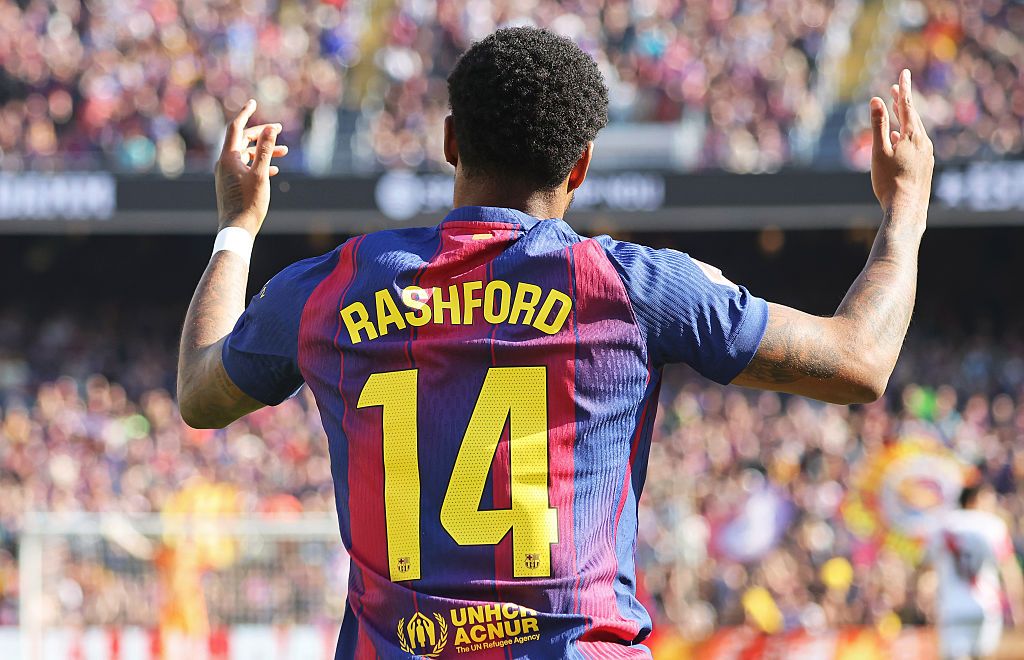
Manchester United’s Marcus Rashford is dealing with a lower-body ailment following his performance against Atletico Madrid this past Saturday. While the forward notched an equalizer at the Wanda Metropolitano, sources close to the club indicate he was limited in training Sunday morning. The urgency regarding his status is heightened by recent inquiries from Barcelona officials, who were reportedly impressed by his clinical finishing despite playing through discomfort.
The timing is brutal for Erik ten Hag. With high-stakes fixtures crowding the calendar, the medical team is currently weighing whether to risk him for the upcoming stretch. His involvement in recent tactical setups has been heavy, and there is internal skepticism about his ability to maintain this level of output without a mandatory period of rest. The current timeline for resolution remains fluid, with club doctors closely monitoring his recovery progress over the next 48 to 72 hours.
The broader strategic implication at Old Trafford
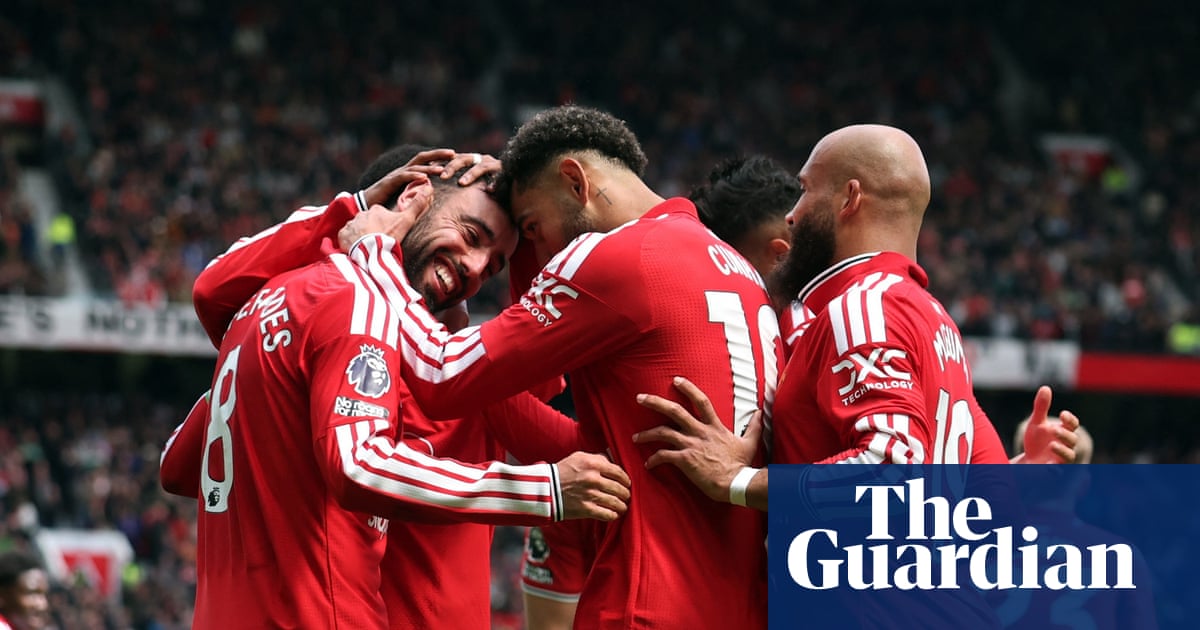
Manchester United’s attack is already stretched thin. With Gareth Barry publicly advocating for the club to spend 80 million pounds on new top-tier reinforcements, any extended absence for Rashford shifts the leverage back toward potential sellers. The club cannot afford to be thin at the top of the pitch while competing on multiple fronts, yet the current injury report threatens the very foundation of their attacking rotation.
This isn't an isolated incident for the squad's depth. The club recently saw marginal talent like Tyler Blackett depart for New Mexico United, leaving little room for error if senior players succumb to fatigue or injury. While fans focus on who might join the club, the inability to shield key assets like Rashford from recurring physical strain remains a glaring flaw in the team’s medical management. Relying on an injured starter ahead of a busy week of European football is a recurring gamble that has rarely paid dividends in previous seasons.
Historical context and the reality of squad management
In the modern game, the accumulation of matches often turns manageable knocks into season-altering setbacks. Similar scenarios involving rapid returns at Old Trafford have historically led to prolonged layoffs of 4 to 6 weeks. If the staff pushes Rashford back into the starting XI before full clearance, the risk of a secondary hamstring or calf strain increases significantly. The medical staff is reportedly erring on the side of caution this time, mindful of the £80 million market value tied to the club’s long-term offensive planning.
Some analysts suggest that the rotation policy has been far too restrictive. By over-relying on familiar faces rather than integrating fresh legs, the manager has left the team vulnerable to these exact fitness spikes. Even ex-professionals like those participating in amateur leagues—such as the side recently bolstered by Danny Drinkwater and Papiss Cisse, as noted by The Daily Mail—understand the toll of a long campaign better than the current tactical output on display suggests. The frustration at the training ground is real, with staff reportedly divided on whether to pull him from the lineup entirely for the next two matches.
Performance metrics and the path forward
Rashford’s goal in the 1-1 draw at the Wanda Metropolitano was his defining moment this weekend, yet it masked the fact that his sprint speed dropped by over 12% in the final twenty minutes of play. Data analysts tracking the squad’s workload are noting a sharp decline in his defensive tracking, an observation that has been pointedly noted by coaching staff during post-match briefings. His ability to hit these high-pressure moments is undeniable, but his inability to sustain that intensity across 90 minutes is becoming a point of contention.
As of April 6, 2026, the official word remains day-to-day. The focus is squarely on the next two days of light loading. If he does not clear the cognitive and physical tests scheduled for Tuesday, expect a change in the starting composition for the upcoming round of fixtures. The reality is simple: a healthy Rashford is the difference between a successful finish and a mid-table collapse, but a compromised one is a liability that the team can ill afford. Speculation regarding a permanent move to Spain will only heat up if he remains sidelined, but for now, the primary concern is preventing a permanent injury that could sideline him through the start of the summer tournaments.
Ultimately, management finds themselves in a corner. Pushing through pain for high-profile matches is expected at this level, but the cost of that grit is often a long-term medical absence. The decision to play him, or leave him out, will serve as a bellwether for how the club treats its prime assets during high-pressure cycles. The fans are watching, and the medical staff is officially on the clock.
Read Next
- Old Trafford is clearing house and Bruno is holding the broom
- Chelsea injury list mounts as FA Cup semi-final spot secured
- West Ham's goalkeeper crisis deepens after FA Cup heartbreak
- Portsmouth’s injury crisis threatens to derail Championship survival bid
- ⚽ La Liga 2025-26 — Title Race Hub
- ⭐ UCL 2026 — Champions League Quarter-Finals Hub