The absurdity of the Premier League seasonal honors
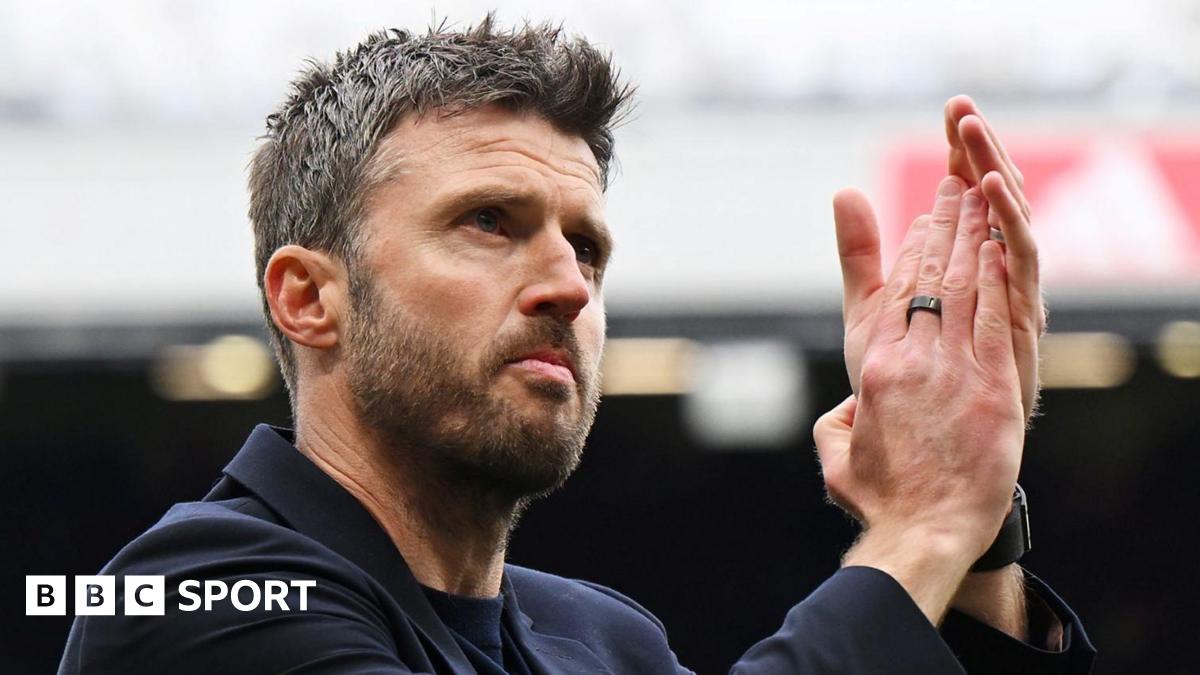
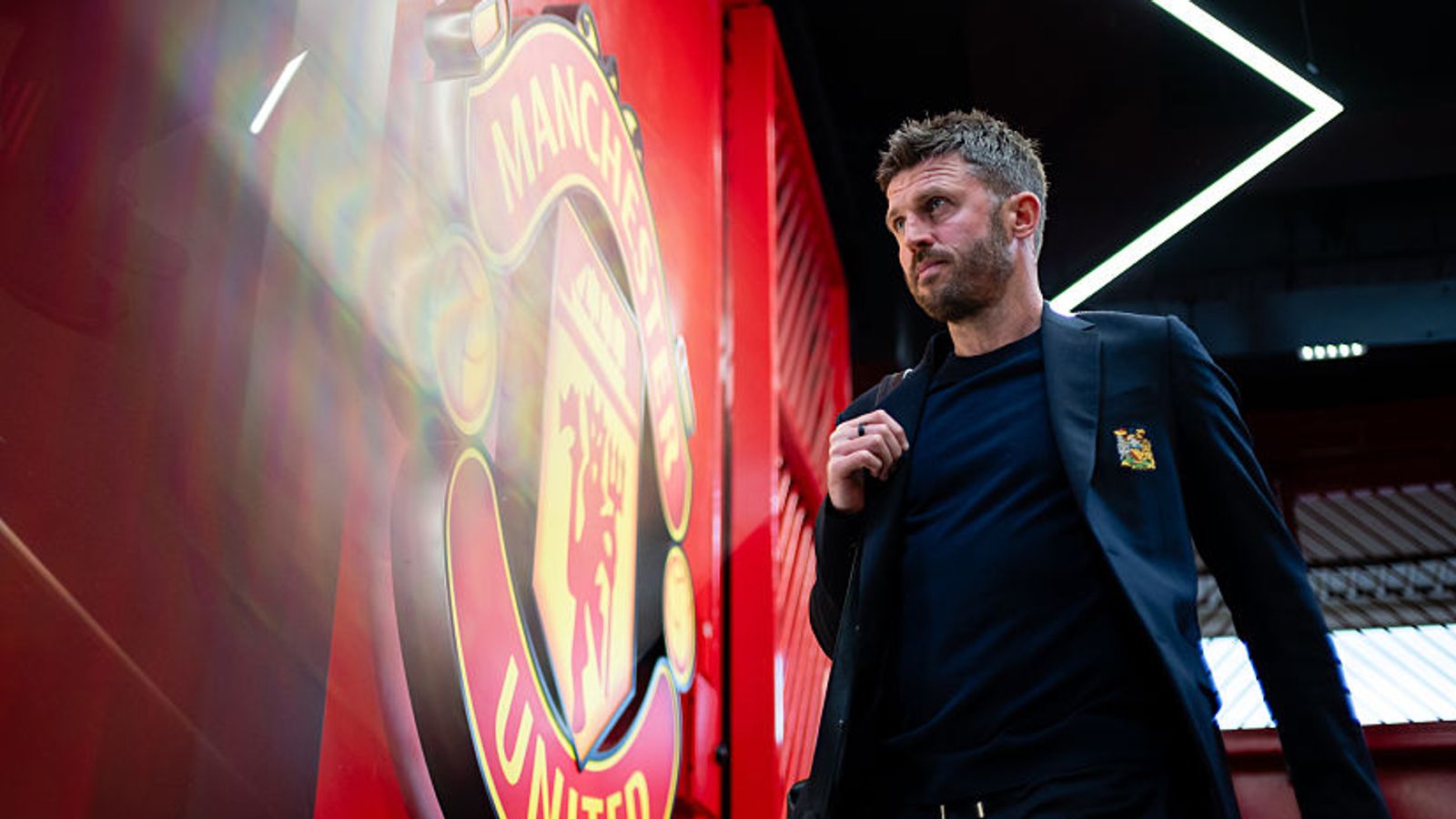
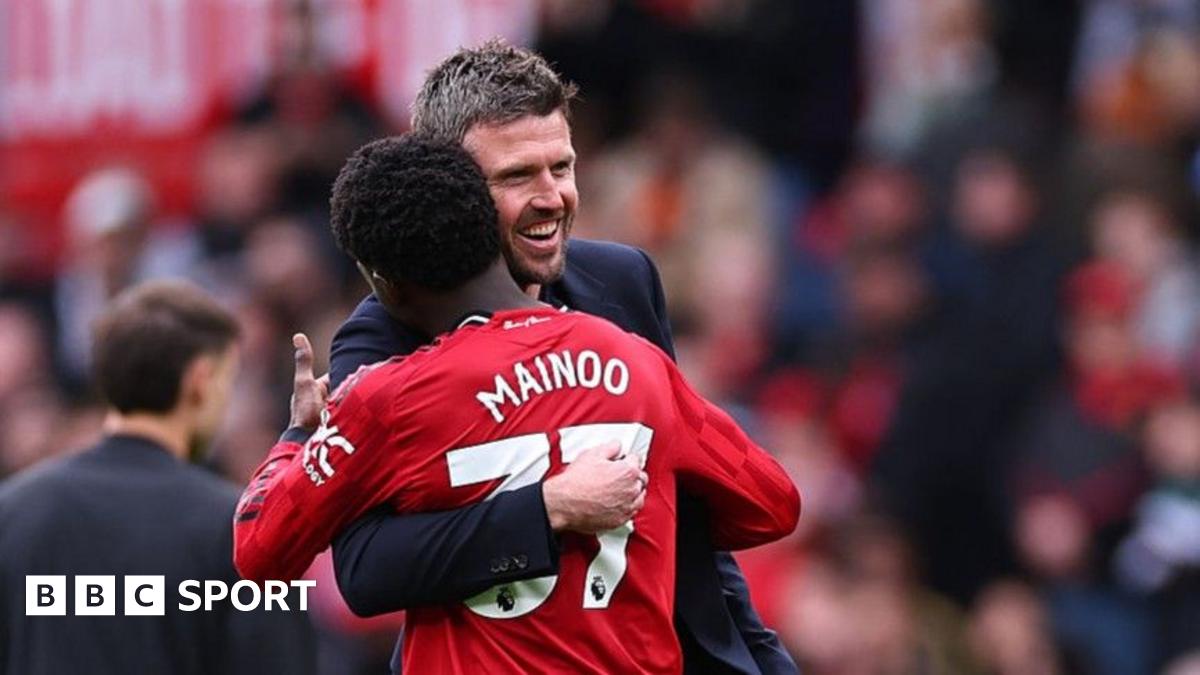
Look, I love a good underdog story as much as the next degenerate spending their Saturday afternoon shouting at a screen in a sticky-floored pub. But putting Michael Carrick on the shortlist for the Manager of the Season award for 15 games of work? That is not just recency bias. That is a collective hallucination brought on by too much lukewarm lager and too little common sense.
We are talking about a sample size smaller than the lifespan of a Tinder date in Manchester. Carrick has been in the dugout for just 15 matches, yet the powers that be have decided he belongs in the same conversation as men who have spent an entire grueling campaign navigating injuries, international breaks, and the sheer mental tax of keeping a locker room from imploding. It is the managerial equivalent of getting an A on a final exam because you showed up for the review session.
The math simply does not add up
Let’s talk numbers, because while feelings are great for banter, stats are why we pay our subscription fees to data-crunching sites. You cannot compare a 15-game sprint to a marathon where teams like Manchester City or Liverpool have been grinding since August. The intensity required to sustain a title challenge or a top-four push for 38 games is not just quantitatively different, it is a separate sport entirely.
For context, consider the workload of a manager like Unai Emery at Aston Villa. He has had to juggle European rotation, manage the egos of players who think they are bigger than the badge, and maintain a tactical identity through the inevitable mid-winter burnout. Carrick walked into a situation with the luxury of a short-term mandate and zero long-term expectations. If you are only playing for three months, the fatigue that destroys teams in March simply does not apply to you.
The flaw in the hype machine
Here is my honest take: Carrick has done a fine job, sure. He stabilized a ship that was taking on water, which is essentially the culinary student version of fixing a Michelin-star meal. But we need to stop rewarding mediocrity for suddenly performing at a baseline level of competence. When you hold a magnifying glass over his 15-game stretch, you see enough red flags to make a bull take a nap.
His tactical rigidity has been exposed in games where the opposition actually bothered to scout his three favorite patterns of play. During that home draw against West Ham, he looked like a wrestler trying to apply a headlock to a greased-up opponent; he had the grip, but absolutely no idea how to take the guy down. He is predictable in a league that eats predictable managers for breakfast, lunch, and dinner.
The danger of the shortcut mentality
Why are we doing this? It feels like the awards committee is desperate to stay relevant on social media by picking the name that generates the most engagement. It is the voting equivalent of a clickbait article that makes you want to throw your phone through a window. The optics of placing a 15-game caretaker next to names who have actually built a system from the bedrock up is insulting to the craft of coaching.
Imagine if a fighter came in for the final three shows of a calendar year, beat a few undercard warm-ups, and suddenly got named the promotion's Fighter of the Year while the champion fought through shredded ligaments for 12 months. That is what this feels like. It is a participation trophy for a league that prides itself on being the toughest, most cutthroat environment in world football.
If the 15-game wonders of the world take the hardware, we might as well shut the whole thing down. Let’s hand out the Golden Boot to the guy who scored a hat-trick in his first start in April and call it a day. The rigor of a full season matters, and by ignoring that, the Premier League is effectively telling every manager who grinds out a win at Turf Moor in the freezing November rain that their effort means nothing compared to a shiny new project in the spring.
Carrick might have a bright future, and maybe he is the next big thing, but let him earn the accolade when he has actually survived a full cycle of failure, success, and the dreaded post-Christmas slump. Right now, he is the shiny toy on the shelf that everyone is obsessing over for no other reason than he is new. By the time the World Cup kicks off on June 11, 2026, we will look back at this nomination and realize how caught up in the hype we really were.
The standard for excellence should not be a hot streak; it should be longevity. Giving a nod to a manager who has only been around for a quarter of the season is a slap in the face to the managers who had to rebuild, rethink, and reinvent themselves 38 times since the curtain went up last summer. Let’s keep it real: 15 good games do not make a season, and they certainly do not make a Manager of the Year.