Mohamed Salah is carrying an impossible weight at this World Cup
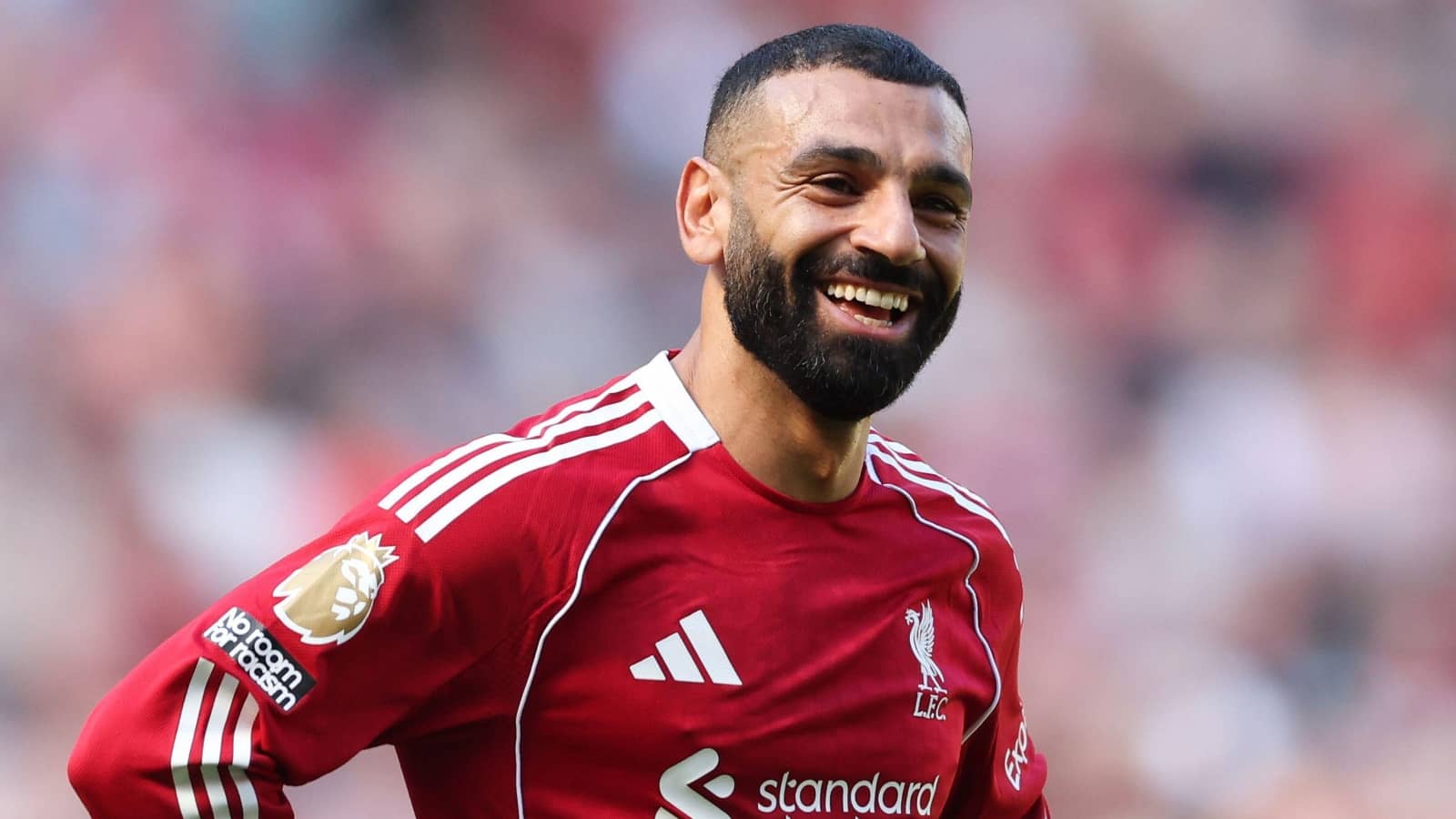
The burden of history on Anfield’s talisman
Mohamed Salah has dissected Premier League defenses for nearly a decade, creating a highlight reel that spans from his arrival at Liverpool to his current status as a club icon. Yet, as the 2026 tournament progresses, his focus shifts toward a prize that has eluded his nation for nearly a century. Egypt approaches its group stage fixtures under immense pressure, looking to break a 92-year drought without a victory in a World Cup match.
This isn't merely about individual capability. Salah has little left to prove in domestic football, though recent headlines suggest potential uncertainty regarding his future at Anfield. While Liverpool fans track rumors of a tactical pivot or the influence of managers like Jose Mourinho, the domestic noise feels secondary to the reality of the international stage. He is no longer just a winger; he is a national figurehead expected to deliver a breakthrough that has been pending since the early twentieth century.
The infrastructure of Egyptian expectation
Expectation in Cairo takes on a different geometry than in Merseyside. While the Anfield crowd values efficiency and pressing intensity, the Egyptian public views this side through a generational lens. The marketing buildup reflects this, with humorous ad campaigns featuring Ahmed Fatouh and Rami Rabia serving as a flimsy buffer against the crushing weight of history. Branding efforts often mask a fragile tactical setup, and relying on Salah to shoulder the creative output alone is a high-risk gamble.
Technical endurance is the baseline requirement for 2026 football. If Egypt’s supporting cast fails to provide secondary scoring options, opponents with disciplined mid-blocks will simply swarm Salah the moment he touches the ball in the final third. We saw the limitations of an over-reliant system during the qualification rounds, where the lack of verticality in the midfield often isolated the front line for minutes at a time.
Tactical flaws in the international game
The contrast between the modern club game and international football is stark. While England or Germany utilize high-pressing systems to win the ball back within 6 seconds of losing possession, national teams often lack the time to build such coherence. Egypt’s reliance on individual brilliance instead of a cohesive high-press could be their undoing. If they concede early, their lack of defensive organization might see the match spiral before Salah can find a pocket of space.
There is also the fatigue factor. Playing a full Premier League campaign followed by this intensity is a brutal physical tax. Even a clinical finisher can see their xG output dip when their legs hit the wall in the 75th minute. One critical observation: the current reliance on long-ball transitions to bypass a stagnant midfield will likely play directly into the hands of tactically rigid defensive units. They need to find a way to incorporate Fatouh into the attacking buildup to diversify their threat, or they will remain one-dimensional.
Finding inspiration in the neighbors
Scotland offers a blueprint for what a long-awaited victory feels like. Just recently, onlookers watched John McGinn and his teammates break a 36-year wait for a World Cup win. The emotional release for the Scottish fans provided a stark reminder that football is, at its core, a game of exorcising old ghosts. For Scotland, the tactical shift toward a more aggressive, front-foot approach under pressure allowed them to bypass historic limitations.
Salah occupies a similar position to the talismanic figures of past international squads who were expected to beat entire teams single-handedly. Unless the surrounding players elevate their technical output, the result will likely mirror past failures. History is indifferent to talent. Egypt doesn't just need their icon to show up; they need a structural shift that allows him to function as the final piece of a puzzle, rather than the entire frame.
Read Next
- Jurgen Klopp is already setting the football world on fire from the broadcast booth
- Why the math nerds are betting on the Dutch for 2026
- Brazil vs Morocco was a beautiful, chaotic mess
- England's World Cup prep has descended into farce
- 🏆 World Cup 2026 — Full Coverage Hub
- 🇪🇬 Egypt World Cup 2026 — Salah's Last Dance
adidas Unisex-Adult FIFA World Cup 2026 Competition Soccer Ball
Get ahead of the hype with the official look of the 2026 tournament.
Frequently Asked Questions
How long has Egypt gone without a victory in a World Cup match?
Why is the Egyptian national team currently struggling tactically?
What role do Ahmed Fatouh and Rami Rabia play in the team's prospects?
How does club football differ from the international game for Salah?
What physical challenges does Salah face during the 2026 tournament?
More Coverage

Germany’s 7-1 demolition of Curacao was a fever dream of defensive chaos
3 hours ago
Spain’s Euro 2026 title defense hinges on tactical evolution, not repetition
3 hours agoGermany show tactical fragility in underwhelming Curacao tie
5 hours ago
Jurgen Klopp is already setting the football world on fire from the broadcast booth
8 hours ago
Why the math nerds are betting on the Dutch for 2026
9 hours ago
Scotland’s path to the knockout round is a terrifying disaster
13 hours agoMore Analysis
Germany’s 7-1 slaughter of Curacao was a fever dream of defensive chaos
an hour agoAustralia just proved tactical discipline beats raw talent
an hour ago
Manchester United are betting on a squad overhaul to save their season
an hour ago
Ange Postecoglou is turning the Socceroos into a fever dream
an hour ago