The Anatomy of an Unprecedented Schedule
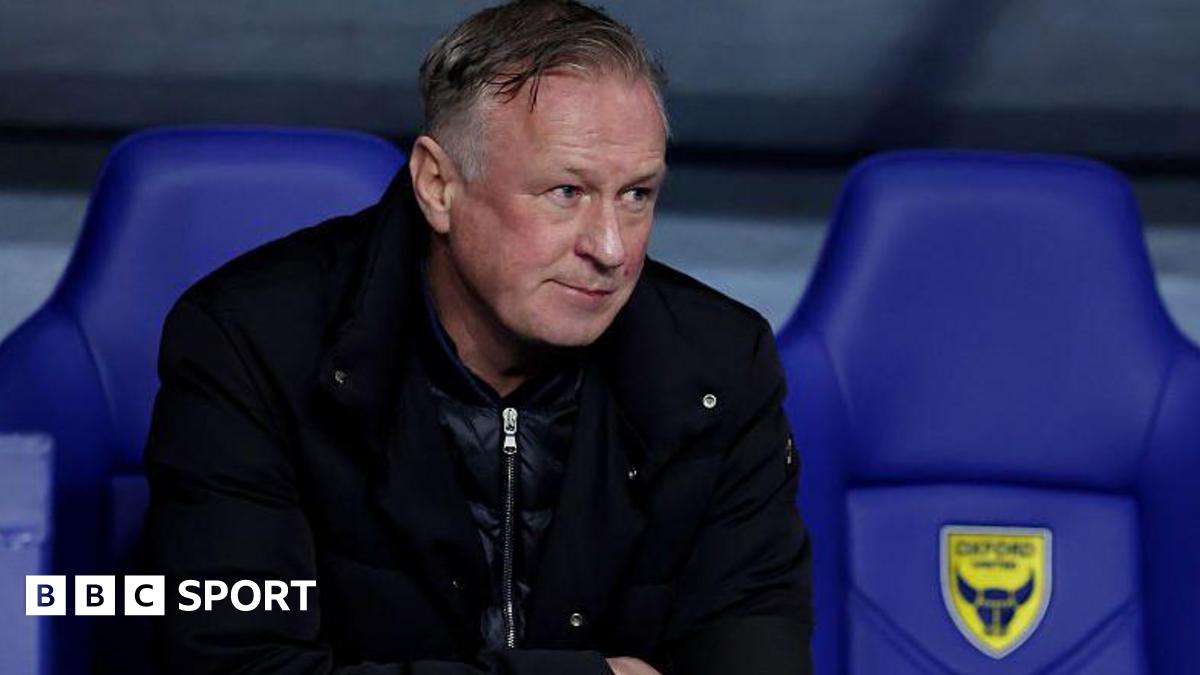
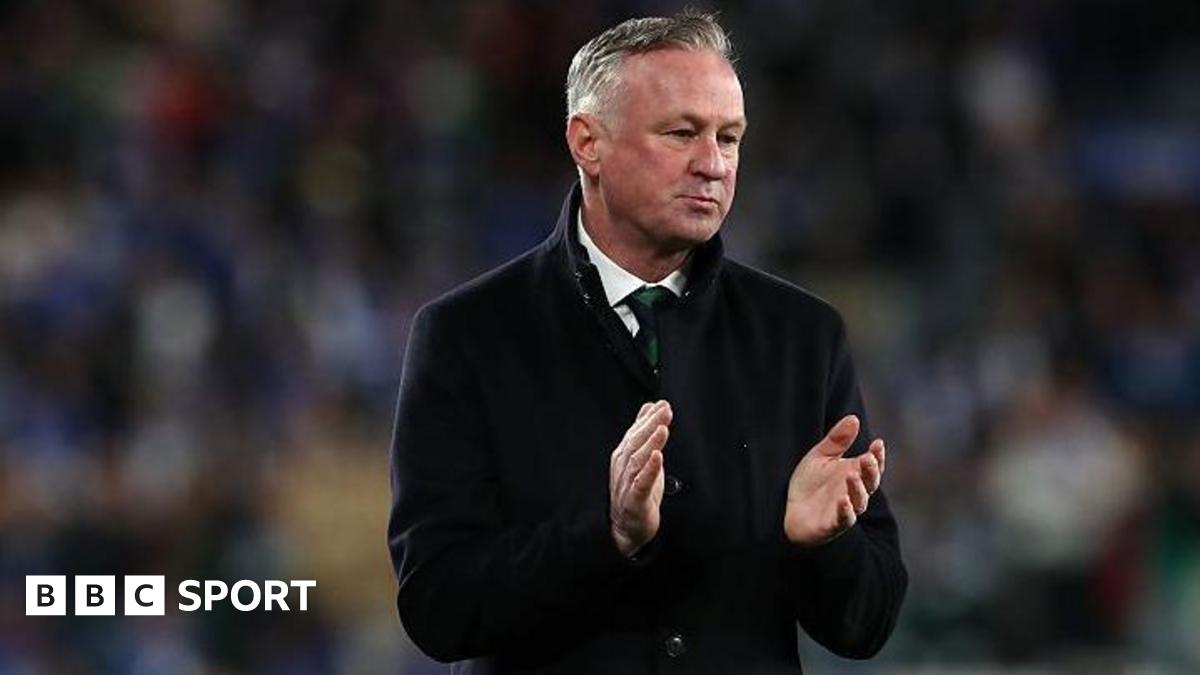
It boils down to a stark set of numbers: two teams, three matches, six days. For most managers, a single relegation six-pointer represents the peak of tactical and emotional pressure. For Michael O'Neill, it's just the final leg of a uniquely brutal triathlon. As reported by the BBC, the Northern Ireland and Blackburn Rovers manager is navigating a fixture pile-up that tests the very limits of modern football management.
The sequence is relentless. It begins with a national team friendly against Wales, transitions to a demanding league fixture against Birmingham City, and culminates in a match against West Brom that carries the weight of Blackburn's Championship survival. The calendar dictates the crisis. There is no comparable situation in elite European football today.
The Tactical Cost of a Dual Mandate
The core of the problem isn't just logistics; it's the inevitable tactical compromise. Preparation is the currency of modern coaching, and O'Neill's account is being drained from two directions. The friendly against Wales, normally a low-stakes environment for experimentation, is now a professional obligation sandwiched between two high-stakes club games. How much mental bandwidth can be allocated to Northern Ireland's shape when Blackburn's league status is on a knife-edge?
The true cost will likely be paid in the run-up to the West Brom match. A 'six-pointer' demands days of focused analysis on opposition weaknesses, set-piece routines, and specific pressing triggers. O'Neill will be doing that on a coach journey, his attention divided. For a team like Blackburn, whose position in the league suggests thin margins between success and failure, this lack of dedicated preparation time is a severe handicap. You cannot expect 100% effectiveness when focus is split 50-50.
The Relegation Equation
The term 'six-pointer' is no cliché; it is brutal mathematical reality. A win for Blackburn doesn't just add three points to their tally; it denies three to a direct rival. The net swing is six points. In a division where goal difference often decides fate, these head-to-head encounters have a disproportionate impact on the final table. A loss is catastrophic. It emboldens a competitor while simultaneously deflating your own squad.
Blackburn's presence in this fixture implies a season of underlying issues. Teams in this position typically concede more goals, create fewer high-quality chances, and carry a squad wrestling with confidence. Their margin for error is effectively zero. To enter such a defining game with a manager who has spent the preceding four days juggling an entirely different set of players and objectives is a significant gamble.
A Structurally Unsound Position
This is the critical, and perhaps uncomfortable, observation: the arrangement itself is flawed. While O'Neill's quality is not in doubt, the dual-role structure places both him and his employers in a compromised position. A club fighting for its financial future in the Championship deserves a manager whose every waking thought is on their survival. It is not an unreasonable expectation.
Simultaneously, a national team requires a leader building a long-term culture and tactical identity, even through friendlies. By allowing this arrangement, the Irish FA is implicitly accepting that for certain periods of the season, their manager's focus will be elsewhere. This six-day stretch simply exposes the inherent conflict of interest that exists beneath the surface year-round. It is a predicament that, in the high-stakes landscape of modern football, feels increasingly unsustainable.
Read Next
- Northern Ireland have a mess to clean up after the Italy heartbreak
- A Glimpse of the Future for O'Neill's Depleted Squad in Cardiff
- Bellingham's Rest Signals England's New World Cup Strategy
- Roy Hodgson's Bristol City return is a tactical nightmare
- 🏟 EFL Championship 2025-26 — Promotion Race & Play-Off Final Hub
- Northern Ireland at the 2026 World Cup — Full Coverage Hub