The desperation of the veteran manager
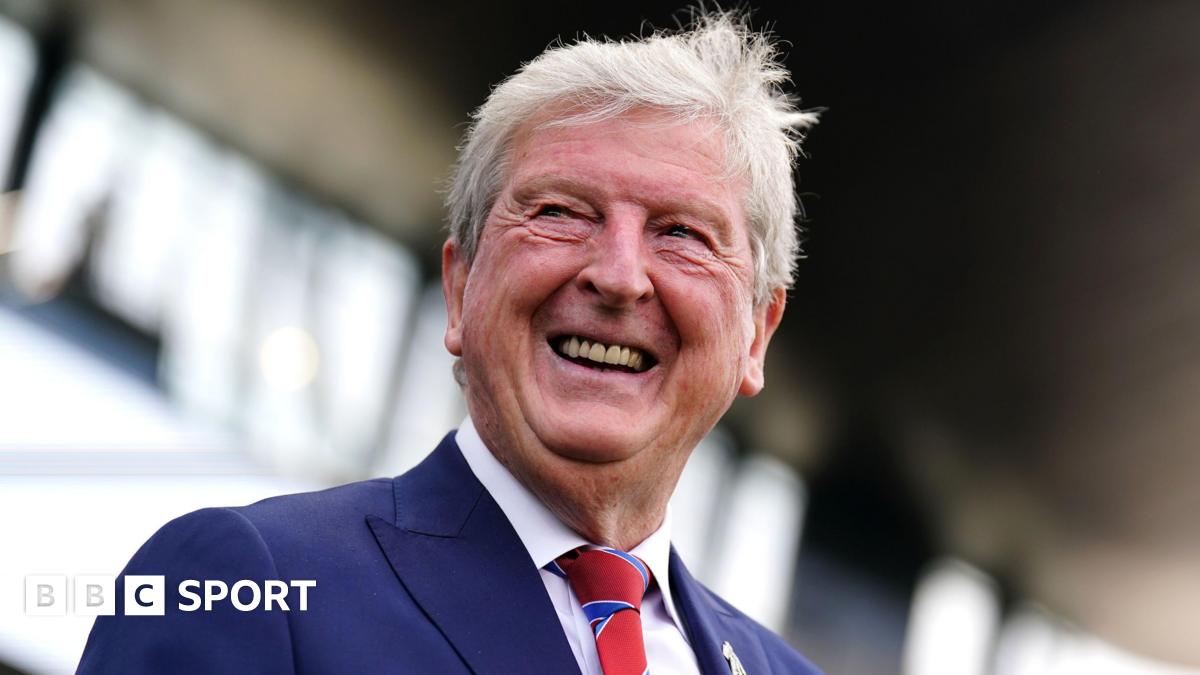
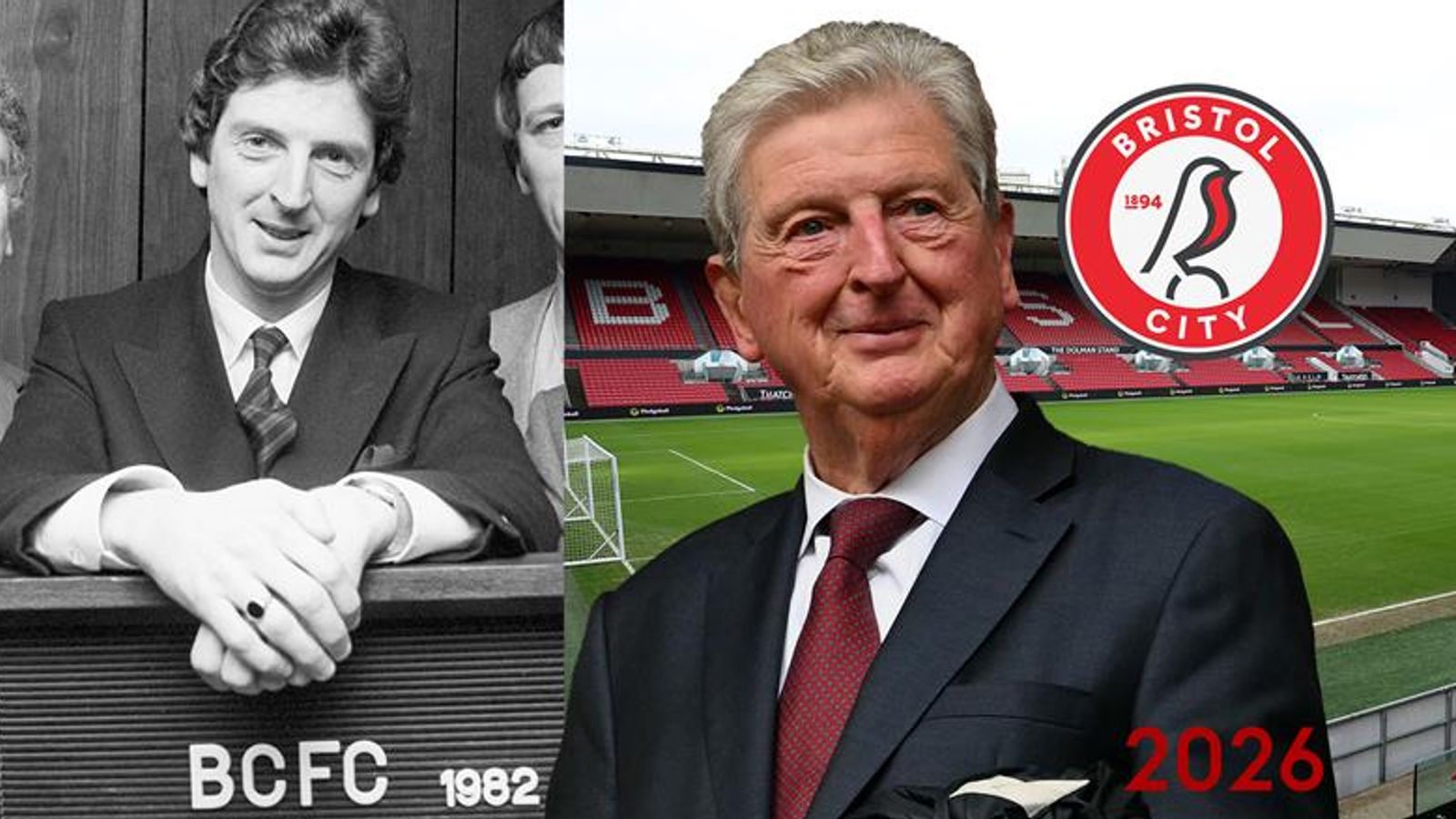
Roy Hodgson is supposedly returning to management at 78, taking the helm at Bristol City. It is a move that reeks of a board terrified of the drop zone, prioritising name recognition over any coherent long-term footballing philosophy. Putting a man nearing his eightieth birthday in charge of a Championship side battling for form is a gamble that rarely pays off in the modern, high-intensity game.
Reports from Sky Sports confirm that Hodgson views this as a challenge he cannot turn down. However, looking at the tactical requirements of the current season, it is difficult to see how his defensive-first approach keeps a sinking ship afloat. His recent tenure in the Premier League proved that his static low block is easily dismantled by wing-backs who can stretch the pitch, a feature prevalent in most top-half Championship squads today.
The tactical mismatch
Hodgson relies on a rigid zonal marking system that demands intense concentration and physical mobility. If he persists with a 4-4-2 or a modified 4-3-3, the gaps between his lines will be ripe for exploitation. Championship football is transition-heavy, characterised by rapid turnover rates and vertical passing. This is not the environment for a coach who prefers a cautious, methodical build-up that prioritises keeping the ball in safe areas.
Bristol City currently suffers from a lack of dynamism in central midfield. Their pass completion rate in the final third has dropped significantly over the last month, dipping to 68.4% in their most recent defeat. Changing the manager is often a panic-induced vanity project that fails to address the underlying issue of squad composition. Unless Hodgson has fundamentally rewritten his playbook to include high-press triggers and inverted full-backs, he is walking into a tactical dead end.
The reality of the relegation fight
Critics might point to his experience as his greatest asset. Yet, history tells us that Championship survival requires a manager who understands the specific physical toll of the 46-game season. Hodgson has been away from this grind for decades. The reliance on senior players to execute a complex defensive structure will expose the team's lack of pace against younger, hungrier attackers.
We have to be real about the outcomes here. Bringing in a manager of this age profile ignores the data-driven approach that most successful clubs now utilise to recruit players and analyse opponent weaknesses. It is a regression to an era where reputation was sufficient. Fans expecting an immediate turnaround will be sorely disappointed when they find the same structural frailties persisting 15 minutes into the manager's first match, likely exacerbated by an inability to adapt to in-game tactical shifts from younger, more flexible counterparts.
The club is clearly hoping for a brief spark of motivation, but professional football is won on the training ground, not via speeches. Without a complete overhaul of the attacking transition, Bristol City will continue to stagnate. They will likely lose their first match upon his return, failing to generate an xG higher than 0.95.
Read Next
- Scotland are about to find out exactly how hard it is to score on Ivory Coast
- Why Elliot Anderson is Thomas Tuchel's ultimate World Cup wildcard
- VAR is about to ruin the biggest week of the Champions League
- Tottenham's manager search exposes a completely broken tactical blueprint
- 🏟 EFL Championship 2025-26 — Promotion Race & Play-Off Final Hub