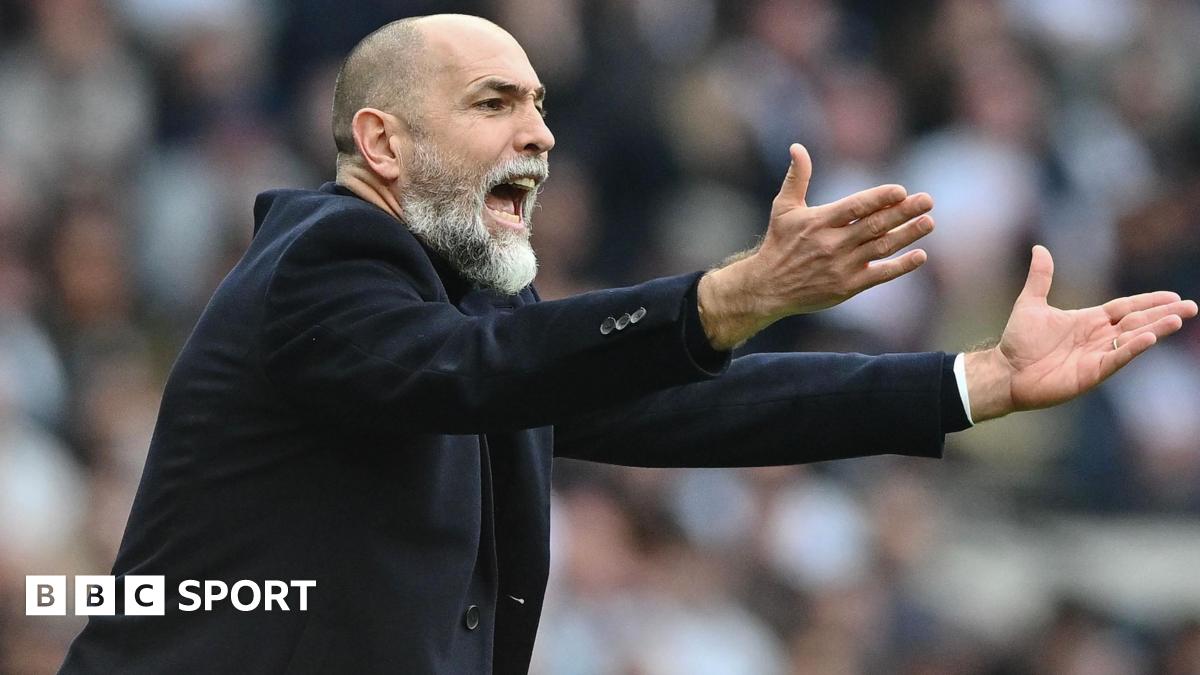
Tottenham are finally considering the one thing they've spent years avoiding

The Tudor experiment was a tactical suicide note
Sunday afternoon in North London usually carries a specific kind of dread for the Tottenham faithful, but the news breaking from the ENIC hierarchy today feels different. By parting ways with Igor Tudor after a disastrous interim stint, Daniel Levy has effectively admitted that his fourth attempt at a cultural reset in less than twelve months has failed. Tudor was supposed to be the man to bridge the gap, a tactical disciplinarian who would instill the 'DNA' everyone keeps talking about but no one can actually define.
Instead, Tudor’s brief tenure was a masterclass in man-marking masochism. His insistence on a high-octane, man-to-man defensive system in a squad built for transitional counter-attacking was always going to end in tears. We saw the breaking point in the 92nd minute against Aston Villa last weekend, where a fatigued midfield simply stopped tracking runners. It wasn't just a physical collapse; it was a structural one that left the center-backs isolated and the fans rightly mutinous.
The search for the 4th manager in a single calendar year is not just a statistic; it is a damning indictment of a recruitment strategy that lacks any discernible thread. You cannot swing from the positional play of a project manager to the chaotic energy of Tudor without expecting the squad to suffer from tactical whiplash. The players look confused, the metrics are plummeting, and the club's identity is currently a blank sheet of paper that everyone is too afraid to write on.
The Sean Dyche paradox in North London
And so, we arrive at the name currently causing a civil war in the Spurs WhatsApp groups: Sean Dyche. To some, the mere suggestion of Dyche at Tottenham is an affront to the ghost of Bill Nicholson. They see the gravelly voice and the perceived 'anti-football' of his Burnley days and recoil. But if you look at the tactical vacuum currently existing at the Tottenham Hotspur Stadium, Dyche isn't just a candidate; he might be the only one with a realistic plan to stop the bleeding.
Dyche’s work at Everton—and indeed his final years at Burnley—has been consistently misunderstood by those who don't look past the long balls. He is a master of defensive spacing. In a league where every team tries to play out from the back and gets caught in the press, Dyche’s teams excel at denying the 'zone 14' entries that have destroyed Spurs this season. Tottenham currently allow a staggering 14.2% of opposition passes to penetrate their defensive third; a Dyche-drilled team rarely allows more than nine percent.
The dilemma for the Spurs hierarchy is whether they are brave enough to be boring. For years, the club has chased a 'brand' of football that has resulted in a trophy cabinet that remains stubbornly empty. Hiring Dyche would be a total surrender of the aesthetic high ground, but it would be a calculated move toward structural integrity. He doesn't care about the 'Tottenham Way' if the 'Tottenham Way' involves losing 3-1 at home to mid-table opposition while having sixty percent possession.
Zone over Man: The defensive shift
If Dyche takes the reins, the first thing to go will be Tudor’s man-marking system. Dyche prefers a rigid 4-4-1-1 or a compact 4-5-1, where the distances between the lines are measured in inches, not yards. For a player like James Maddison, this could be a revelation or a prison sentence. Under Tudor, Maddison was expected to press like a madman for ninety minutes; under Dyche, his primary job would be to occupy the space in front of the opposition's deepest midfielder and trigger the break.
The transition would be brutal for the current defensive unit. Micky van de Ven’s recovery pace is a godsend in a high line, but in a Dyche low block, his positioning becomes far more important than his top speed. We have seen Van de Ven caught ball-watching too many times this season because he was too busy worrying about the man he was supposed to be marking. Dyche would force him to watch the ball and the space, a shift that sounds simple but requires a total rewiring of a defender’s instincts.
There is also the question of set-pieces. Tottenham have been aerially vulnerable for three seasons running, often looking like they’ve never seen a corner delivered with pace. Dyche’s teams treat set-pieces as a primary offensive weapon. In his best years, his teams accounted for nearly thirty percent of their goals from dead-ball situations. For a Spurs team that often struggles to break down a settled defense, this kind of 'dirty' efficiency could be the difference between Europa League qualification and another year in the wilderness.
Daniel Levy’s legacy of indecision
The problem, as always, sits in the director's box. Daniel Levy’s penchant for the 'big name' hire has consistently backfired because those names rarely align with the squad’s actual capabilities. He spent £45 million on creative outlets last summer only to hire a manager who wanted them to play like wing-backs. If he hires Dyche, he has to commit to the Dyche philosophy entirely. You cannot hire a pragmatist and then complain when the football isn't expansive enough for the Season Ticket holders.
The critical observation here is that the hierarchy seems more concerned with the optics of the hire than the utility of the manager. Dyche is not a 'sexy' appointment. He won't sell shirts in Asia or satisfy the 'tacticos' on Twitter. But he will stop the embarrassing defensive lapses that have turned the stadium into a place of toxic frustration. The fans are tired of the 'project' talk; they want a team that looks like it knows what it's doing for more than twenty minutes at a time.
There is a harsh reality facing the club as the World Cup kicks off in just 74 days. The players who are going to the US and Mexico are already mentally checking out, worried about injuries and fatigue. An interim-of-an-interim setup is a recipe for a total collapse in the final weeks of the Premier League season. If Levy waits until the summer to make a permanent move, he risks finishing in the bottom half of the table for the first time in two decades.
The mirror image of this situation is what happened at Everton when Dyche arrived. He didn't transform them into world-beaters overnight, but he gave them a floor. Tottenham currently have no floor. They are a team that can beat Manchester City one week and lose to a newly promoted side the next, solely based on whether their individual stars happen to be in the mood. That is not a football club; it is a high-stakes gambling syndicate.
If the Spurs hierarchy truly wants to face their dilemma, they need to stop looking for a savior and start looking for a builder. Dyche’s stance is reportedly clear: he wants the job, but he wants the authority to overhaul the training ground culture. He wants to end the 'comfort zone' that has plagued this squad through multiple managerial regimes. Whether Levy is willing to hand over the keys to a man who might tell him things he doesn't want to hear is the real question.
Ultimately, the Dyche-to-Spurs rumor is the ultimate litmus test for the club's ambition. Is the goal to look good while losing, or to be effective while winning? For too long, North London has chosen the former. As the search for the next boss begins in earnest, the shadow of the 'ginger Mourinho' looms large. It might be the most un-Tottenham appointment in history, and that is exactly why it might be the only one that actually works.
The next few days will be telling. If we see another 'project' name from the Eredivisie or the Bundesliga linked, we’ll know Levy hasn't learned his lesson. But if Dyche is spotted at the training ground, it’s a sign that the hierarchy has finally accepted that their current path leads only to mid-table mediocrity. It’s time for Tottenham to stop pretending they are something they aren't and start being something that teams actually fear playing against again.
There is zero room left for error. The Tudor departure was necessary, but it’s a move that should have happened three months ago. Now, the club is scrambling in a market that knows they are desperate. Dyche offers a way out of the chaos, but only if the club is willing to trade its vanity for some much-needed stability. It’s not the move the fans dreamt of, but it’s the one the club needs to survive its own identity crisis.
Read Next
- Spurs have sacked Igor Tudor, and the underlying numbers explain exactly why
- Spurs fans are in absolute meltdown after Igor Tudor walks away
- Igor Tudor's Tottenham disaster was entirely predictable
- Why Igor Tudor’s man-to-man experiment at Spurs finally collapsed
- 🏆 Europa League Final 2026 — Full Coverage Hub
Official Liverpool FC Liverbird Scarf
The classic fan scarf to show your support for the Reds.
Frequently Asked Questions
Why did Tottenham sack Igor Tudor?
How many managers has Tottenham had recently?
Who is Tottenham considering as their next manager?
What makes Sean Dyche a good fit for Spurs?
Why are Spurs fans divided on hiring Sean Dyche?
More Coverage

Why England must fear Panama's disciplined low block
11 minutes ago
Anthony Gordon to Barcelona marks a high-stakes gamble
an hour ago
Arsenal vs PSG: Why tactical rigidity will determine the European champion
an hour ago
Arsenal's 104 million gamble on Julian Alvarez is pure chaos
an hour ago
Top 10: The Definitive Arsenal Moments of the 2025/26 Season
2 hours agoLincoln City just entered the weirdest experiment in League One history
3 hours agoMore Analysis
Daniel Levy is about to gamble the house on Roberto De Zerbi
1 month, 4 weeks ago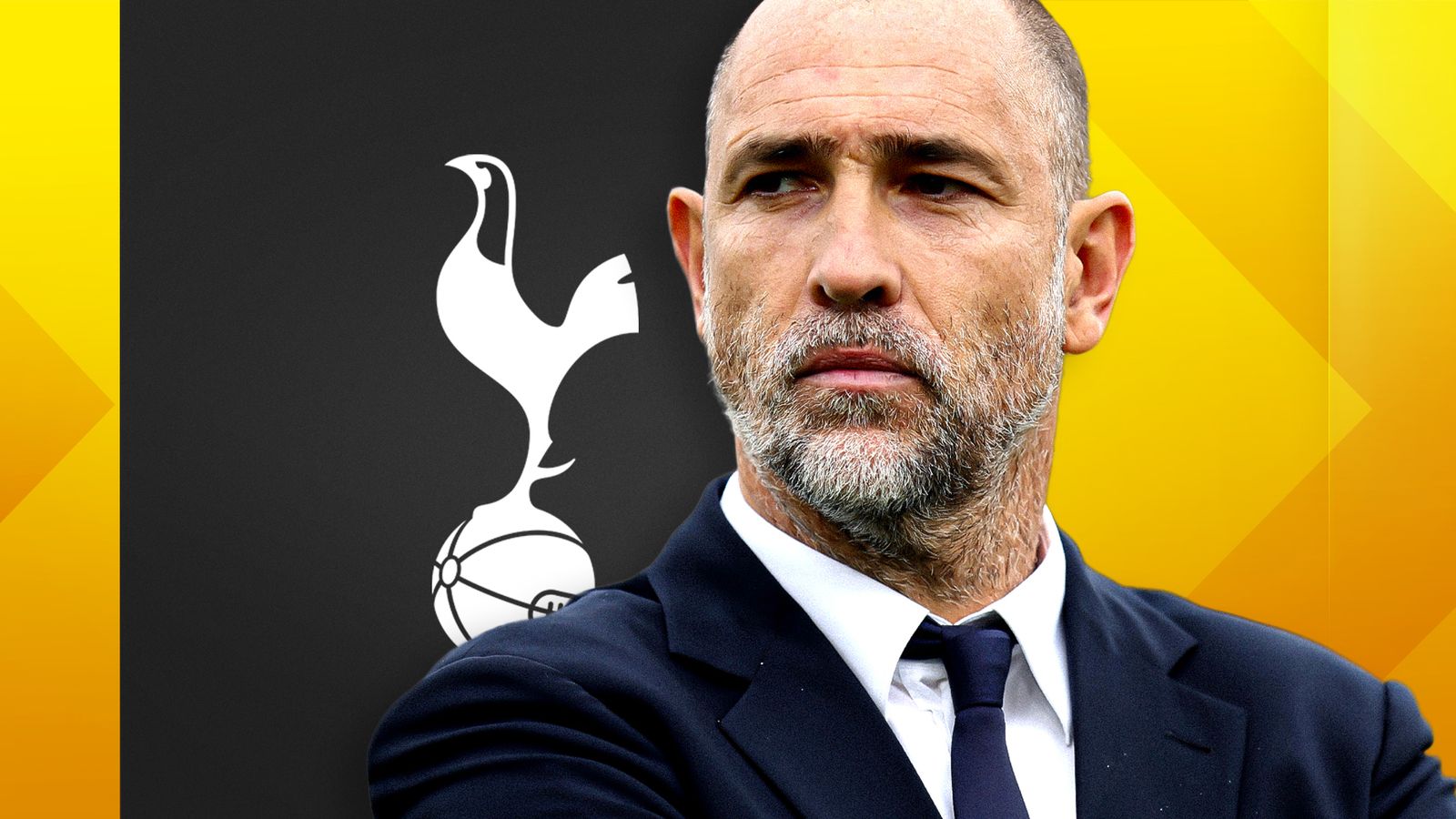
Spurs have sacked Igor Tudor, and the underlying numbers explain exactly why
2 months ago
Sean Dyche is exactly the kind of chaos agent the Premier League needs
1 month, 3 weeks ago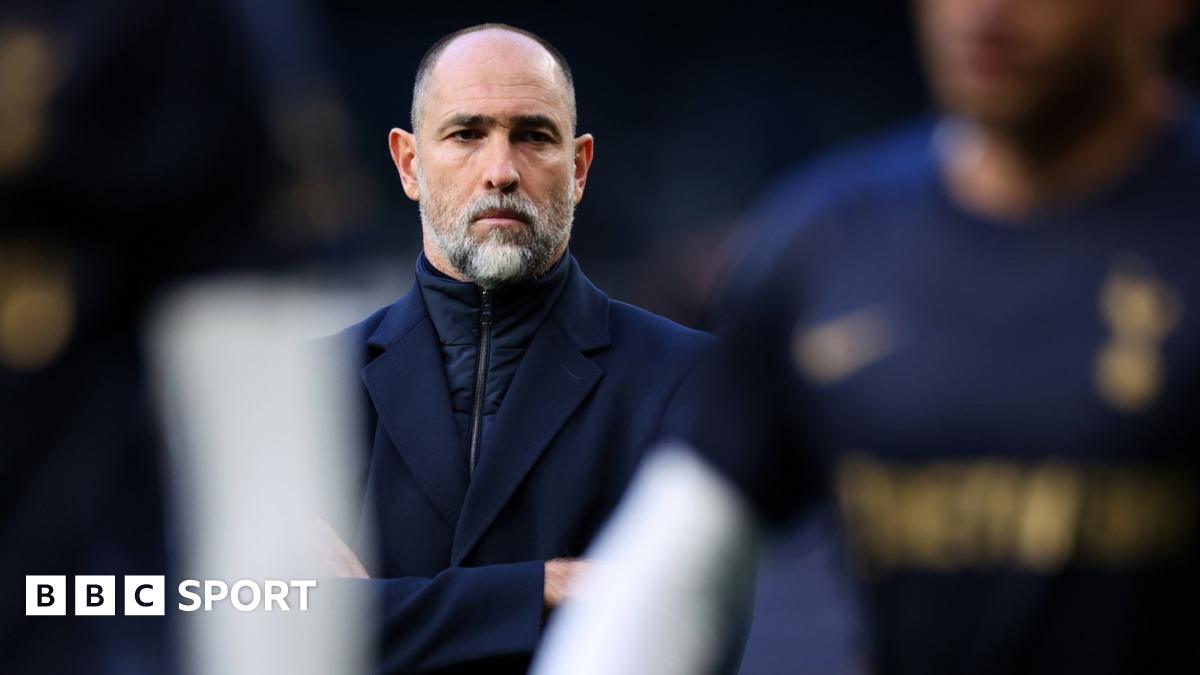
Tottenham cannot afford another hollow gamble in the dugout
2 months ago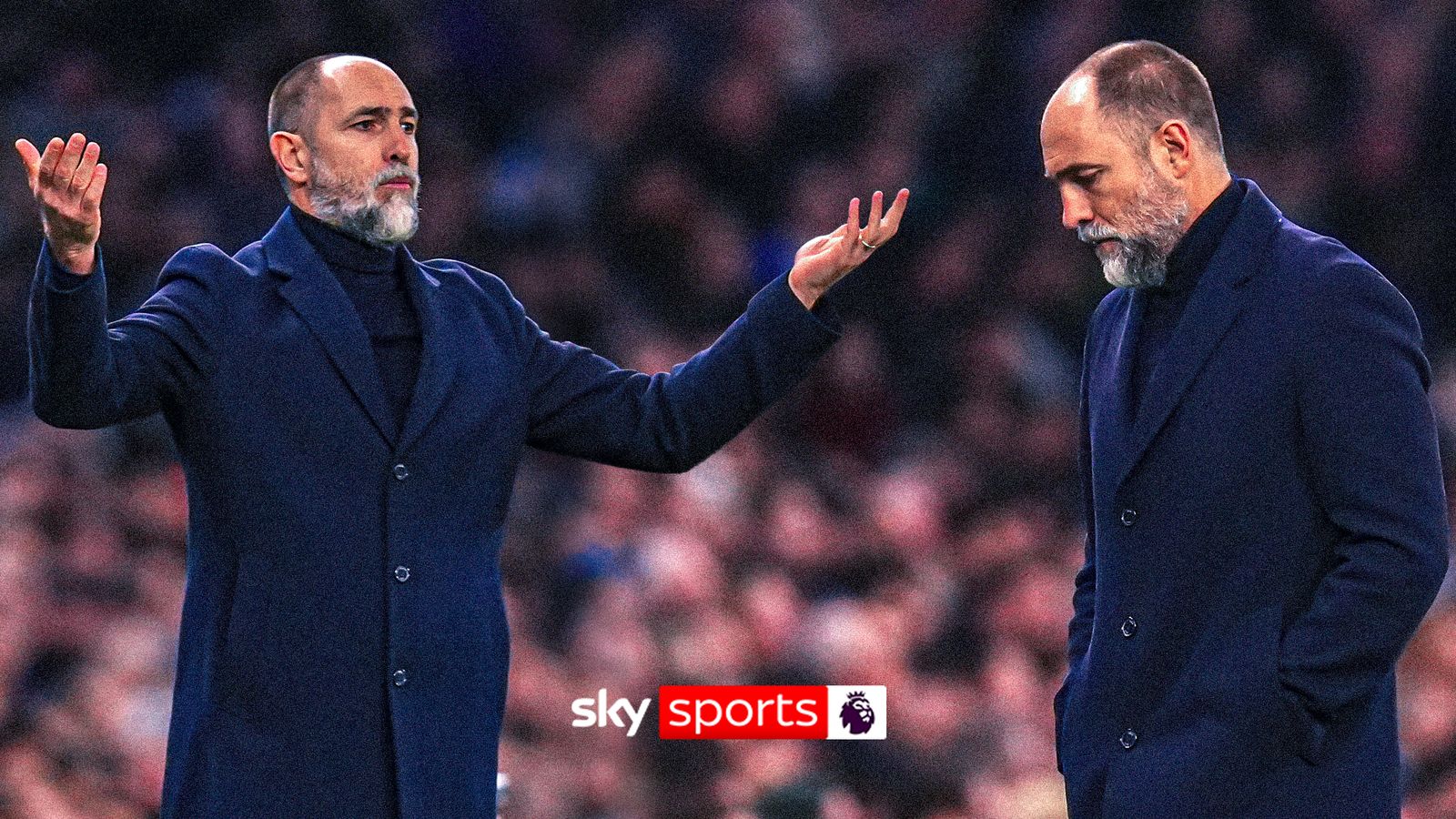
Igor Tudor's Tottenham disaster was entirely predictable
2 months ago