The mathematical threshold for Champions League security
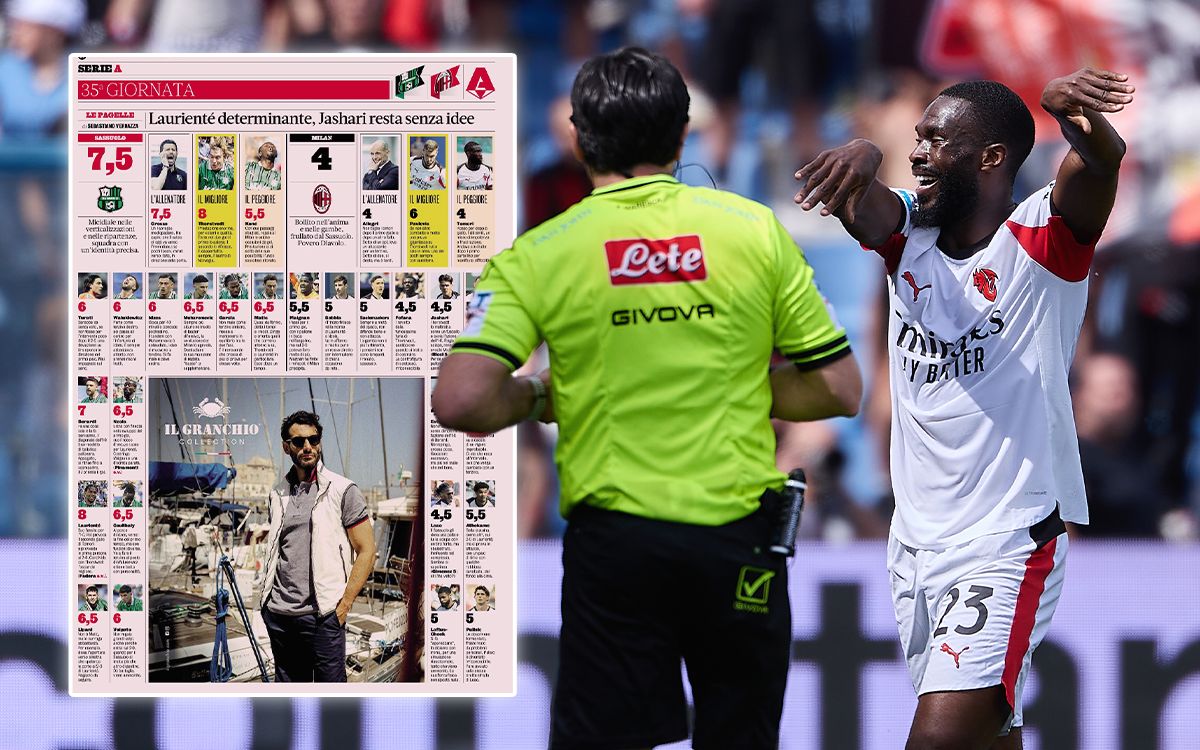
AC Milan currently occupies a position that suggests a comfortable run-in for the remainder of the season. Data projections indicate that securing a top-four finish is an 85% statistical probability based on the current point-per-game average of the chasing pack. However, reliance on these aggregate projections ignores the volatility present in recent defensive displays.
While the gap to fifth place provides a cushion, the frequency of conceded goals against lower-table opposition remains an outlier. Milan has allowed an average of 1.4 goals per game since February, a metric that does not correlate with title-winning sides. Stability is missing, regardless of how safe the table position appears.
The paradox of veteran influence
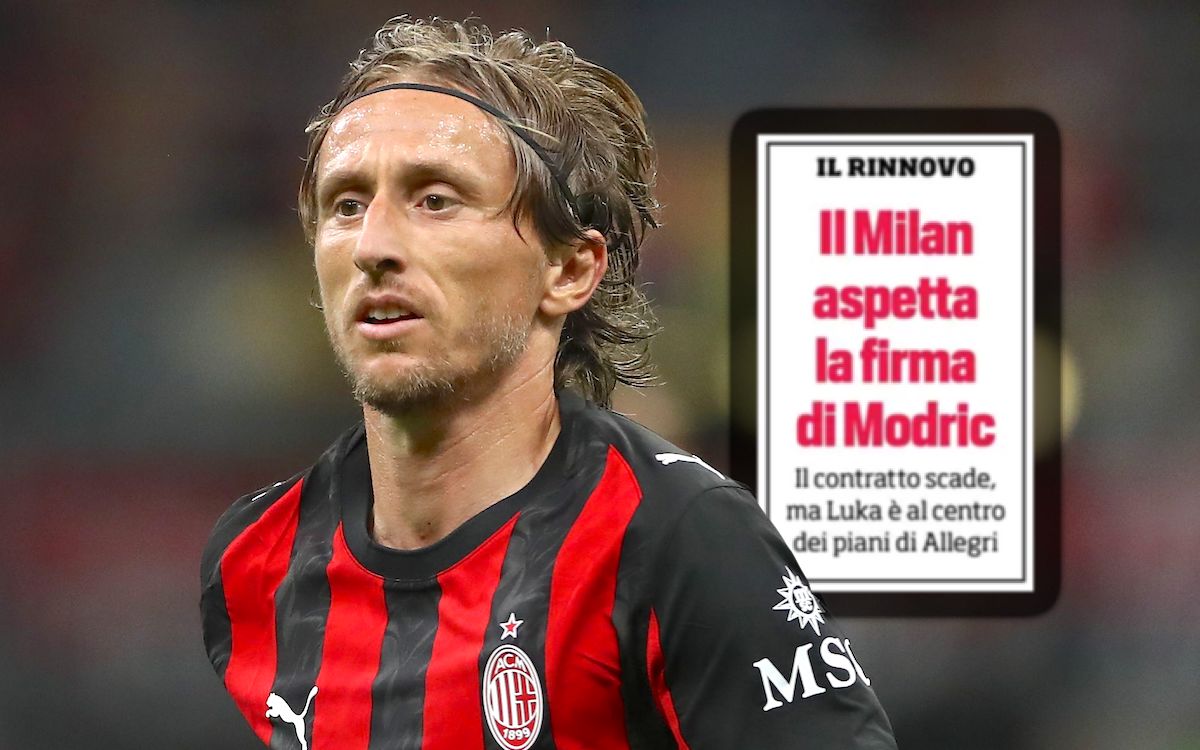
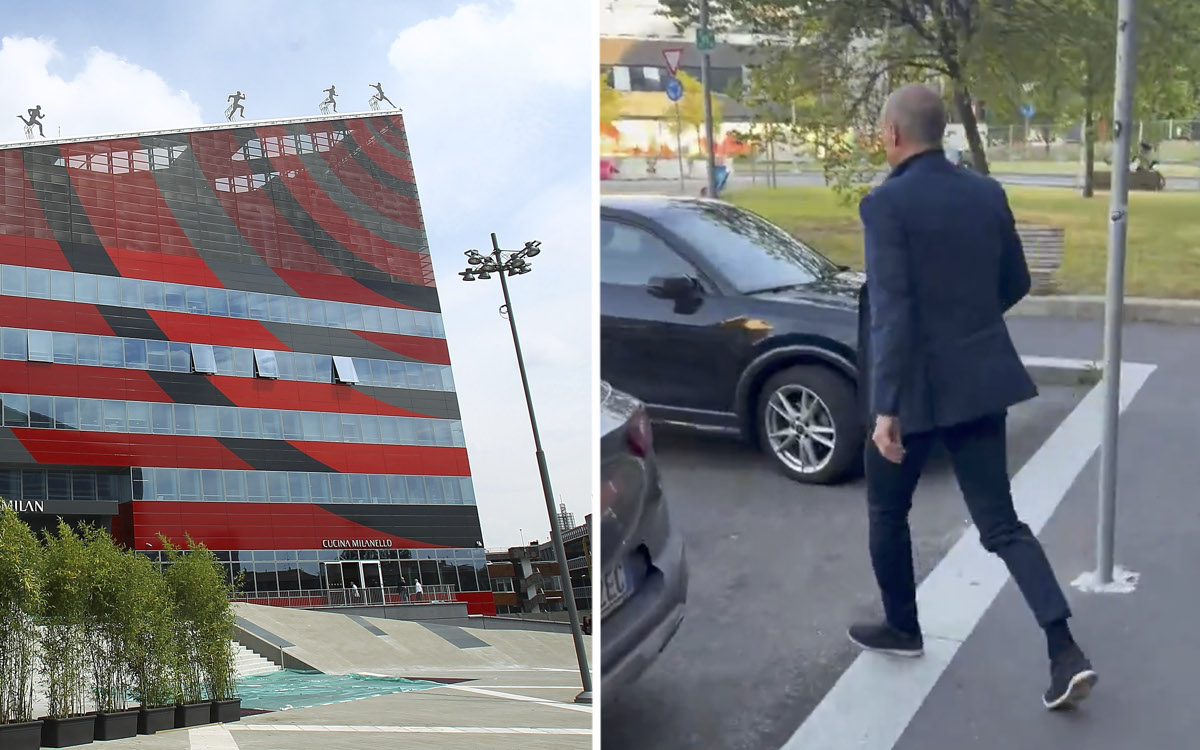
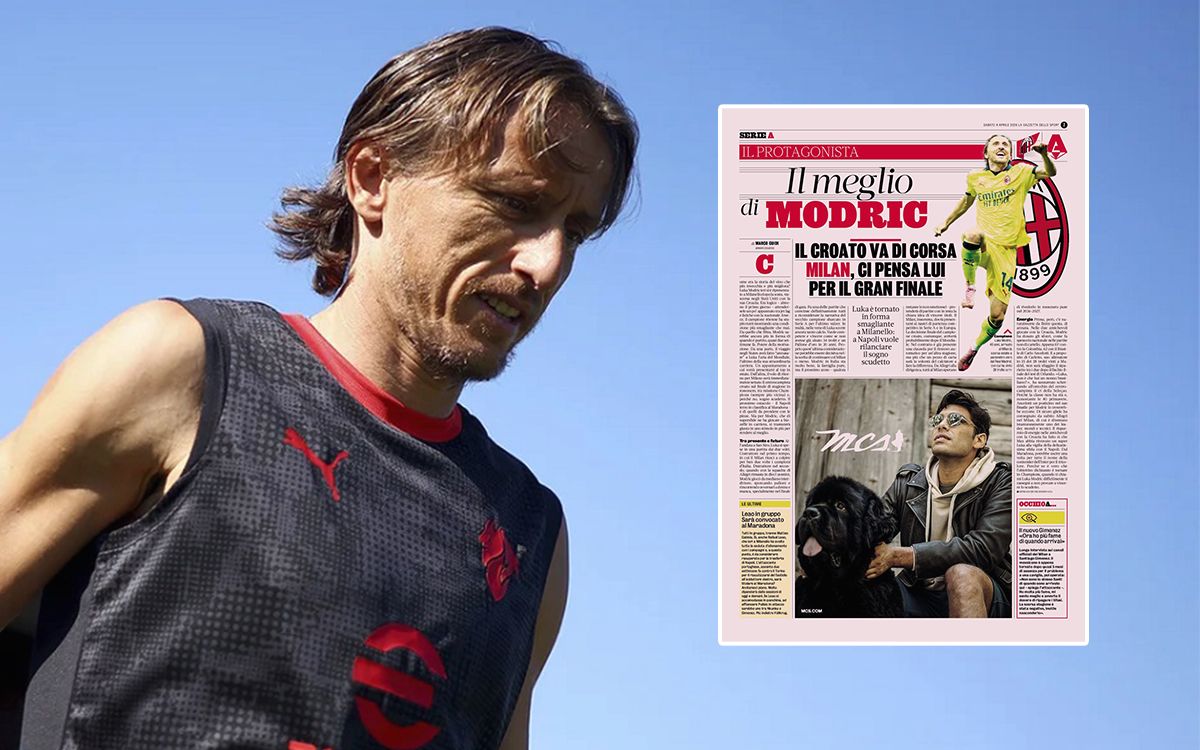
Luka Modric recently returned to Milanello, providing a narrative shift on the pitch. His technical efficiency is undeniable, but his integration should be viewed through the lens of tactical utility rather than sentimental value. In his limited appearances since arriving, his pass completion rate sits at 92%, orchestrating transitions with a clarity that has been absent for months.
Why the squad requires a striker pivot
The conversation regarding a potential move for Romelu Lukaku is less about individual quality and more about structural balance. Milan currently misses a focal point who can hold up play against deep blocks, a reality underscored by the club’s inconsistent xG conversion across the last six matches. If reports regarding a potential mercato switch bear fruit, the tactical benefit would be monumental for the transition phase.
Bringing in a target man changes the pressing triggers for the opposition. Currently, teams are comfortable pushing their defensive line higher against Milan because the threat of a long-ball release is minimal. A physical presence like Lukaku forces center-backs to drop five to ten yards deeper, creating space for the creative midfielders to operate between the lines.
The Allegri factor and long-term planning
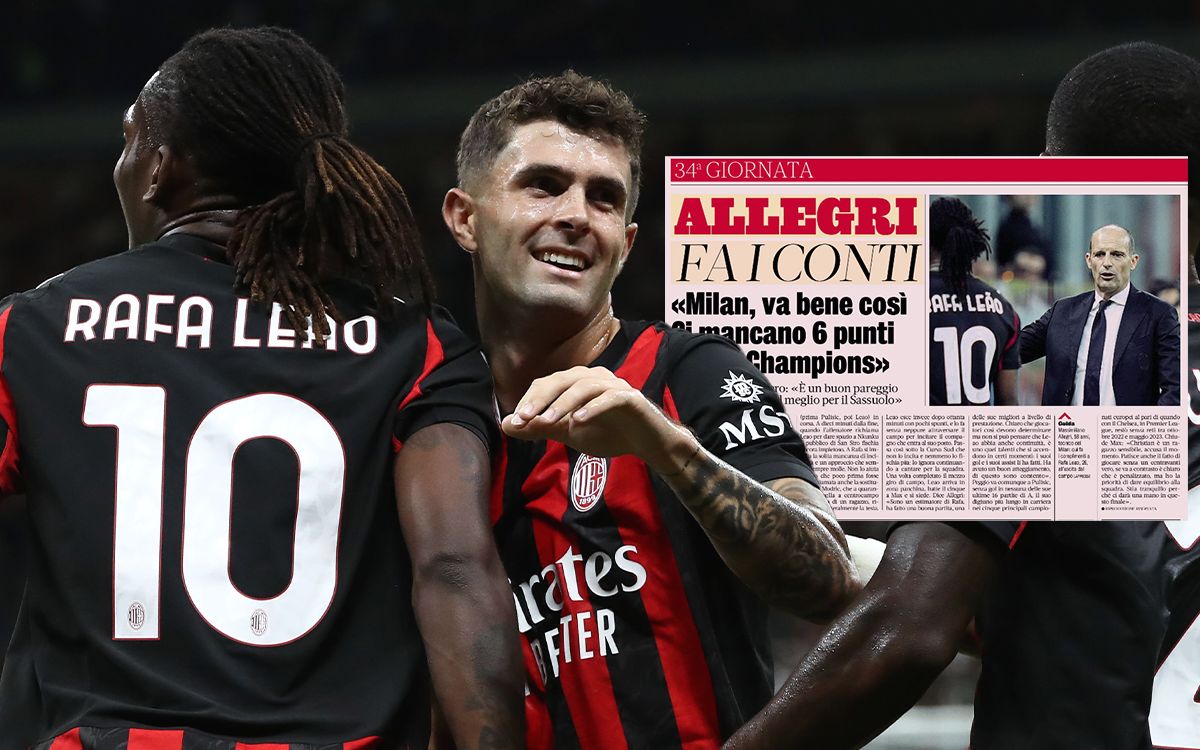
Speculation surrounding Massimiliano Allegri’s future continues to dominate the discourse, even as the top-four target appears almost certain. Coaches are often evaluated on their ability to manage the squad through high-pressure periods, yet Milan’s current trajectory raises questions about defensive identity. As sources have indicated, complacency could prove more damaging than the current points gap is helpful.
We have to look at the defensive intensity dropping after the 70th minute in three of the last five fixtures. This suggests a conditioning issue or a breakdown in tactical discipline when energy levels dip. When a team routinely concedes late opportunities, it is rarely bad luck. It is a systematic failure to maintain spacing and pressure.
The road to stability
If the season ended today, the results would be viewed as a success for the record books. Yet the granular data paints a picture of a team that has not mastered game management. The 12% increase in shots faced from inside the penalty area over the last month is a worrying trend that suggests the midfield screen is leaking. Fixing this requires more than squad depth; it requires tactical surgery. Relying on current momentum is a mistake when the underlying efficiency metrics have been trending downward since the mid-season point.
Read Next
- Allegri's Milan experiment is a tactical train wreck waiting to happen
- AC Milan ultras descend on training ground to demand focus before Napoli clash
- Gattuso walks as Allegri keeps his head down in Milan
- Allegri is playing dangerous games with Rafael Leao in Naples
- 🇧🇪 Belgium World Cup 2026 — Red Devils Hub
- 🇭🇷 Croatia World Cup 2026 — Modrić's Farewell