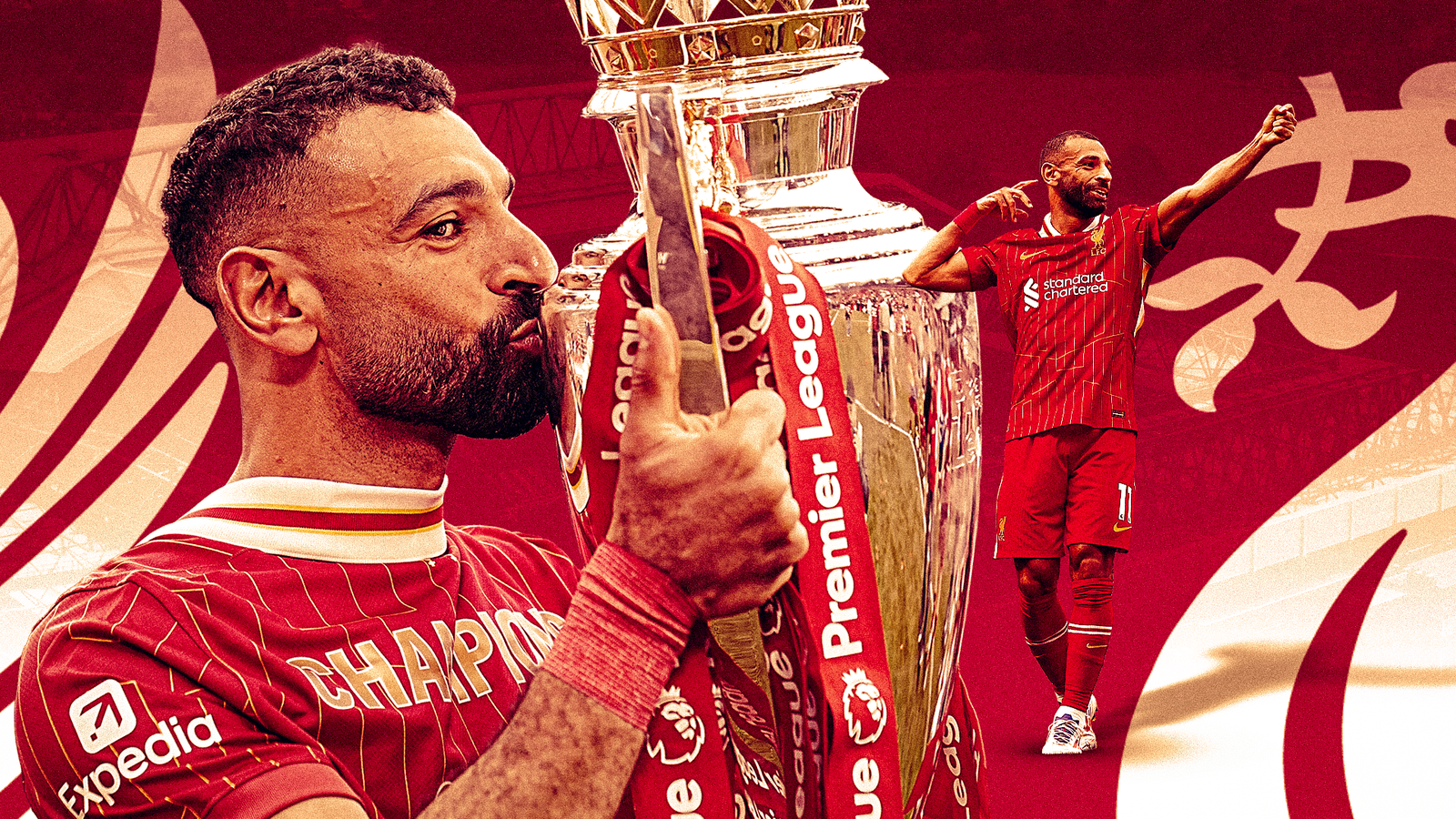
Mohamed Salah and Liverpool are finally running out of road
The Elephant in the Room
There is an uneasy tension hanging over Anfield these days. It has nothing to do with the immediate results on the pitch or the shifting tactical setups. It is entirely about the number eleven.
Mohamed Salah has been the defining wide forward of his generation in the Premier League. Nobody is debating his legacy. But as we sit here in late March 2026, the conversation has grown stale. The relentless speculation surrounding his next move has become a heavy blanket thrown over the entire club.
Sky Sports recently posed the question bluntly: Where does Salah go next? It is a headline that match-going fans are thoroughly exhausted by. The uncertainty is no longer a background murmur. It is an active distraction.
Football operations run on absolute certainty. Sporting directors need to project their wage bills years in advance. Managers need to know who their tactical anchors are going to be. Right now, Liverpool possess neither when it comes to their highest earner.
Every time Salah receives the ball on the touchline, there is an underlying current of finality. Supporters watch him cut inside onto his left foot, silently wondering if they are witnessing the closing scenes of a long-running movie. It is emotionally draining for everyone involved.
The Tactical Reality
We need to talk about what Salah actually offers on the pitch right now. He is not the same explosive runner who terrified full-backs in 2018. That version of the player is gone.
What remains is a highly intelligent, incredibly efficient final-third operator. He has evolved into a playmaker as much as a primary goalscorer. His expected assists (xA) consistently rank among the highest in Europe's top leagues. He finds pockets of space that simply do not exist for lesser players.
But this evolution comes with a structural cost. Liverpool's right side has to be heavily compensated to mask his declining pressing numbers. You cannot ask a player well into his thirties to sprint back and cover the transition with the same intensity he once did.
The central midfielders are forced into wider, more demanding coverage areas. The right-back is often left exposed on the counter. Opposing managers have figured this out. They actively target the space behind Salah when Liverpool lose possession.
We saw this exact flaw exploited in recent high-profile matches. Teams gladly bypass the initial press because they know the right flank lacks the defensive bite it once possessed. It is a calculated risk that opponents are increasingly willing to take.
This is where the criticism needs to be pointed squarely at the front office. Michael Edwards and Richard Hughes built their reputations on ruthless efficiency. They sell players a year early rather than a year late. Why has Salah been the exception to this golden rule?
Allowing this saga to drag on into the spring of 2026 is a glaring failure of squad management. It projects weakness in the transfer market. It tells selling clubs that Liverpool might be desperate for a right-sided forward very soon.
The Ripple Effect on the Attack
The fixation on Salah's future is also stunting the growth of the rest of the attacking unit. Look at Darwin Nunez, Cody Gakpo, and Luis Diaz. They are frequently asked to mold their games around the specific needs of the right flank.
When you have a dominant, high-usage player occupying one side of the pitch, the entire attacking structure tilts in his direction. The build-up play becomes heavily skewed. The patterns of penetration become predictable.
If Salah were to depart, it would force a massive decentralization of the Liverpool attack. The goalscoring burden would have to be shared more evenly across the front three. It might actually unlock the true potential of players who have been operating in his shadow.
Nunez, in particular, thrives in a more chaotic, vertical system where he is the primary focal point. As long as Salah is demanding the ball to feet on the right, Nunez's chaotic runs in behind are often secondary options.
We are watching a team caught between two distinct eras. They are trying to integrate a younger, more dynamic forward line while still catering to the specific needs of their aging superstar. You cannot successfully do both at the highest level of European football.
The Saudi Question
You cannot discuss Salah's future without addressing the massive financial presence across the globe. The Saudi Pro League has never hidden its desire to make him the face of their project. They view him as the ultimate marquee signing.
We all remember the astronomical £150m verbal offer that was waved away in the past. At the time, keeping him made sporting sense. Liverpool were still competing on all fronts and could not afford to lose their primary source of goals.
The math looks very different today. FSG operate on a strict self-sustaining model. They do not inject external capital to fund massive squad overhauls. Player sales dictate spending power.
If a Saudi club arrives with a serious, nine-figure bid this summer, Liverpool absolutely have to take it. Sentimentality has no place in modern football finance. Refusing that kind of money for an aging forward would be corporate negligence.
Think about what those funds could rebuild. You could acquire a young, aggressive right-winger and still have change left over to reinforce the defensive line. You reset the wage structure instantly.
Furthermore, it removes the headache of a massive contract extension. Offering a four-year deal on world-class wages to a player in his mid-thirties is a surefire way to cripple your wage bill. It is the exact mistake Arsenal made with Pierre-Emerick Aubameyang.
Searching for the Heir
Identifying a successor is where the real anxiety lies. There is no direct replacement for Mohamed Salah. You do not just go to the market and buy a guaranteed 20 goals a season from the wide right position.
The scouting department will have a shortlist, but every name carries significant risk. Take Bryan Mbeumo at Brentford. He knows the league, presses relentlessly, and has brilliant underlying numbers. But can he handle the psychological weight of the Anfield crowd?
Then you have options like Johan Bakayoko or Mohammed Kudus. Both offer flashes of pure brilliance and elite ball-carrying metrics. Yet neither provides the robotic, terrifying consistency that Salah has normalized over the last eight years.
Replacing him might require a complete tactical shift. Instead of relying on a dominant inside forward, Liverpool might have to spread the attacking burden across a more fluid front three. This means completely rethinking how they build out from the back.
The club has managed successful transitions before. When Philippe Coutinho left, they reinvested the funds into Alisson and Virgil van Dijk, fundamentally transforming the team's ceiling. A Salah departure could trigger a similar structural evolution.
The Dressing Room Dynamic
Beyond the tactics and the balance sheet, there is the human element. The dressing room is acutely aware of the situation. Players read the same articles we do. They know when the alpha dog of the squad is potentially heading for the exit.
It creates a strange power dynamic. Younger players naturally look to him for leadership, but how do you follow a leader who has one foot out the door? The lack of clarity breeds subtle fractures in team cohesion.
We have seen this happen at other top clubs. When Arsenal dragged out the Alexis Sanchez contract drama, it poisoned the atmosphere for months. Manchester United suffered similarly with Paul Pogba's endless cycle of vague comments and agent whispers.
Liverpool have historically been fantastic at avoiding these circuses. Sadio Mane was sold quietly and efficiently. Roberto Firmino announced his departure with plenty of time for a proper farewell. The Salah situation is unusually messy by their own high standards.
Every press conference features the same tired questions. Every mixed zone interview involves teammates awkwardly dodging inquiries about his future. It drains energy from a squad that needs maximum focus for the Premier League run-in.
A Decision Is Overdue
The time for kicking the can down the road has long passed. The upcoming summer window is going to define the next half-decade of Liverpool Football Club. They cannot enter it with their hands tied by Salah's contract status.
If the decision is to keep him, offer him a realistic, performance-based extension right now. Put the pen to paper, announce it to the world, and kill the noise completely. Force the Saudi clubs to look elsewhere for their flagship star.
If the decision is to sell, the groundwork must be laid immediately. The PR machine needs to start spinning the narrative of a beautiful conclusion to a legendary run. The recruitment team needs to have their targets locked in before the transfer fee is even officially agreed.
Straddling the fence is no longer an option. The hesitation is actively hurting the team's ability to evolve tactically. Opponents are exploiting the defensive imbalances he creates, and the front office is visibly paralyzed by his financial shadow.
The Final Whistle
Mohamed Salah owes Liverpool nothing. He has delivered every major trophy possible, broken records that stood for decades, and scored goals at a rate that beggars belief. He is an undisputed icon of the modern era.
Conversely, Liverpool owe him nothing but respect. They provided the platform, the elite coaching environment, and the tactical system that allowed him to ascend from a talented Roma winger to a global superstar.
It has been a mutually beneficial marriage of epic proportions. But all marriages evolve, and some run their natural course. The reluctance to admit that the end might be arriving is currently the biggest obstacle to Liverpool's future success.
Whatever happens next, it needs to happen decisively. The club is bigger than any single player, even one as transformative as the Egyptian King. It is time for the hierarchy to prove that they still possess the ruthless edge that built their reputation.
The waiting game is officially over. The reality of a post-Salah Liverpool might seem terrifying to the fanbase, but it is vastly superior to the slow, agonizing fade of the current limbo. Rip the bandage off and start building for tomorrow.
Read Next
- Why Liverpool's £121m plan to replace Mo Salah is a massive gamble
- Salah's looming Saudi exit is the distraction Liverpool cannot afford
- Top 10 Destinations For Mohamed Salah After Liverpool Exit
- Mo Salah confirms Liverpool exit: The massive £121m Olise replacement plan
- 🇪🇬 Egypt World Cup 2026 — Salah's Last Dance
The Age of Football: Soccer and the 21st Century by David Goldblatt
A deep dive into the global impact of the beautiful game.
Frequently Asked Questions
Why is Mohamed Salah's future currently a distraction for Liverpool?
How has Mohamed Salah's playing style evolved recently?
What is the structural cost of keeping Salah on the pitch?
How are opposing teams exploiting Liverpool's right flank?
Why is the Liverpool front office facing criticism over Salah?
More Coverage

Raheem Sterling's arrest is a disaster for his career timeline
3 hours ago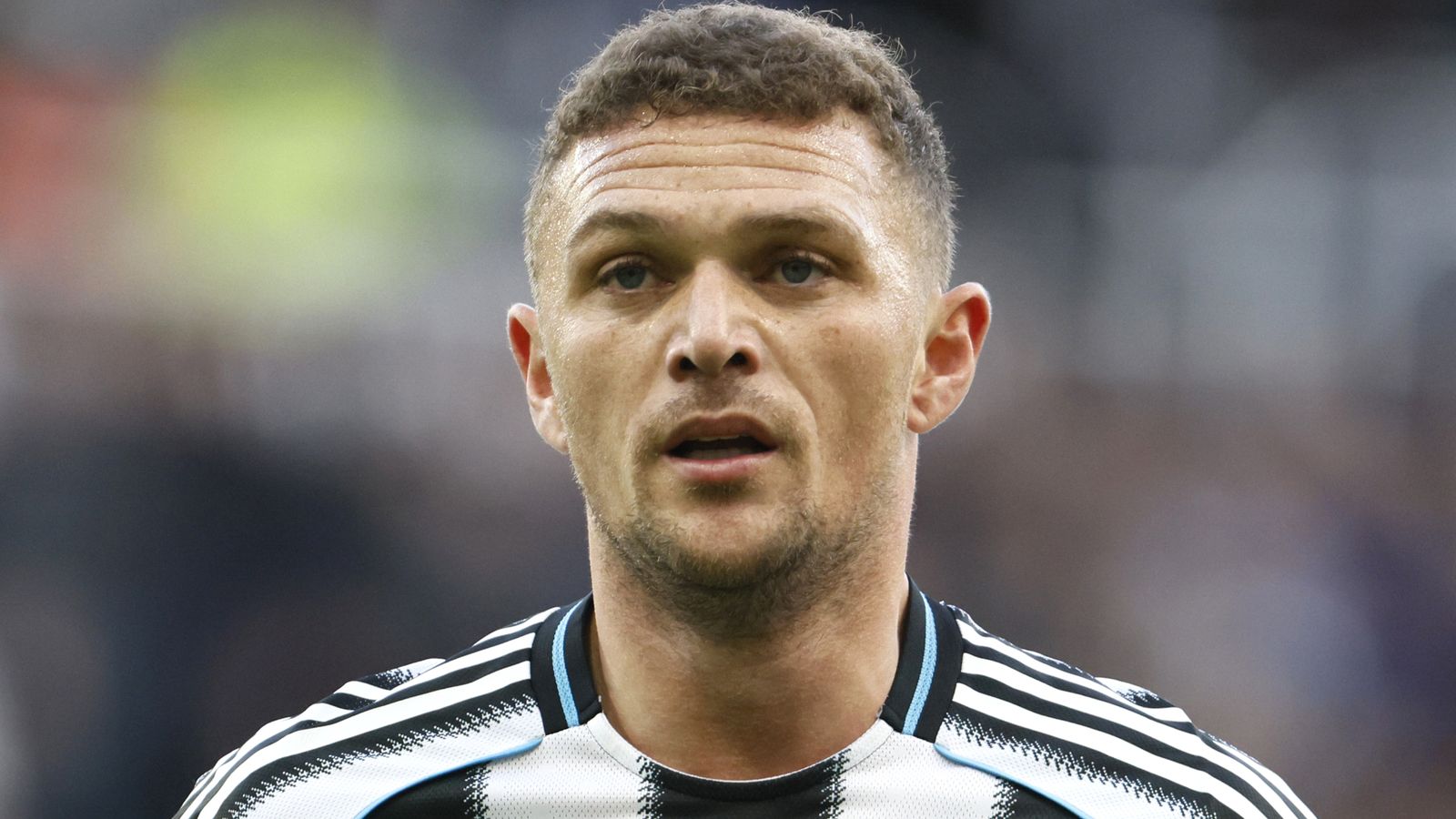
Kieran Trippier is the exact veteran Wolves need right now
3 hours ago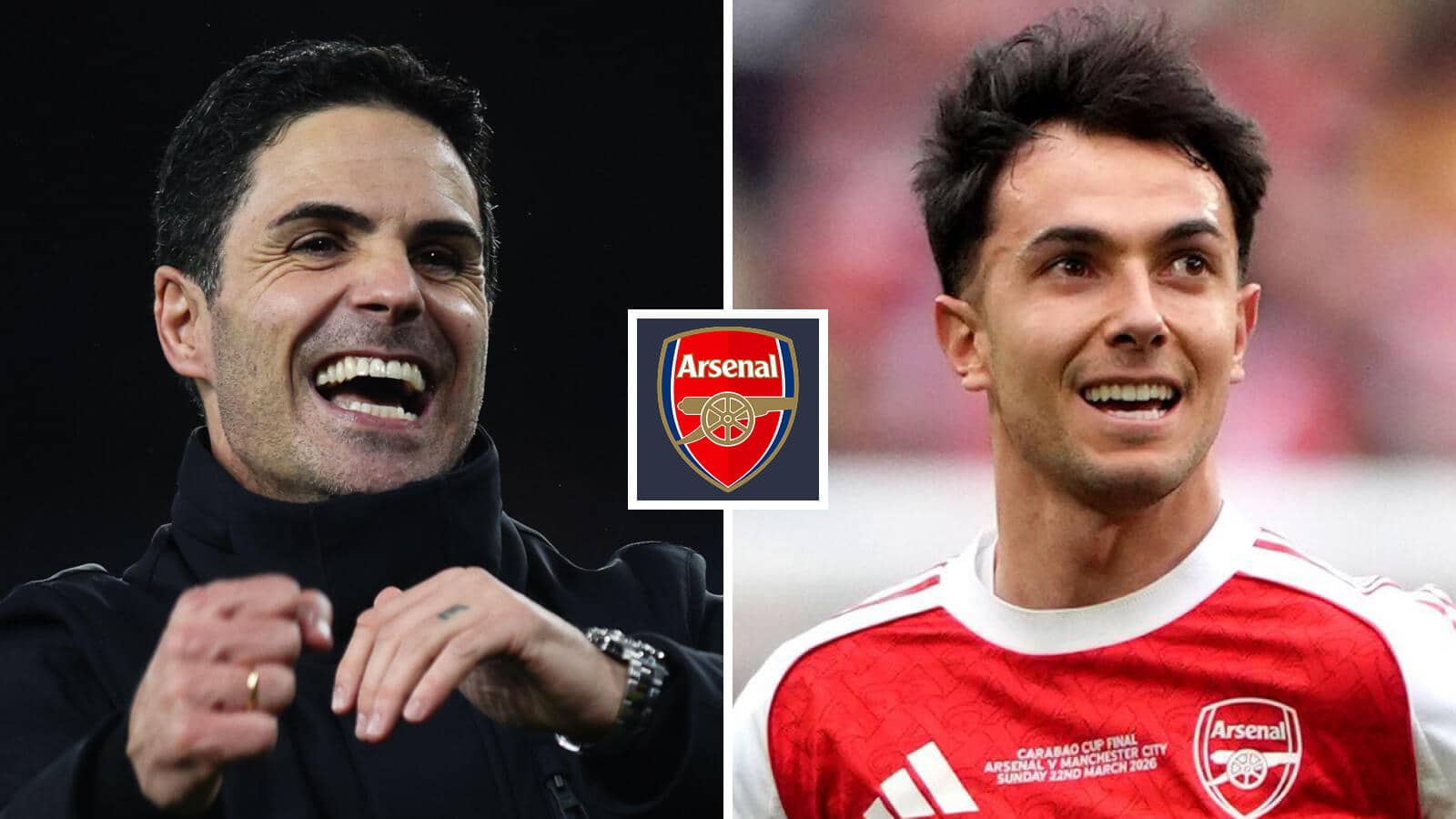
Adam Wharton emerges as top summer target for Arsenal's midfield evolution
3 hours ago
Manchester United’s Summer Obsession: Why Inconsistency Defines the Strategy
3 hours ago
Liverpool chasing Yan Diomande in high-stakes €150m transfer scramble
3 hours ago
Scotland’s path through group stage hinges on the Haiti opener
4 hours agoMore Analysis
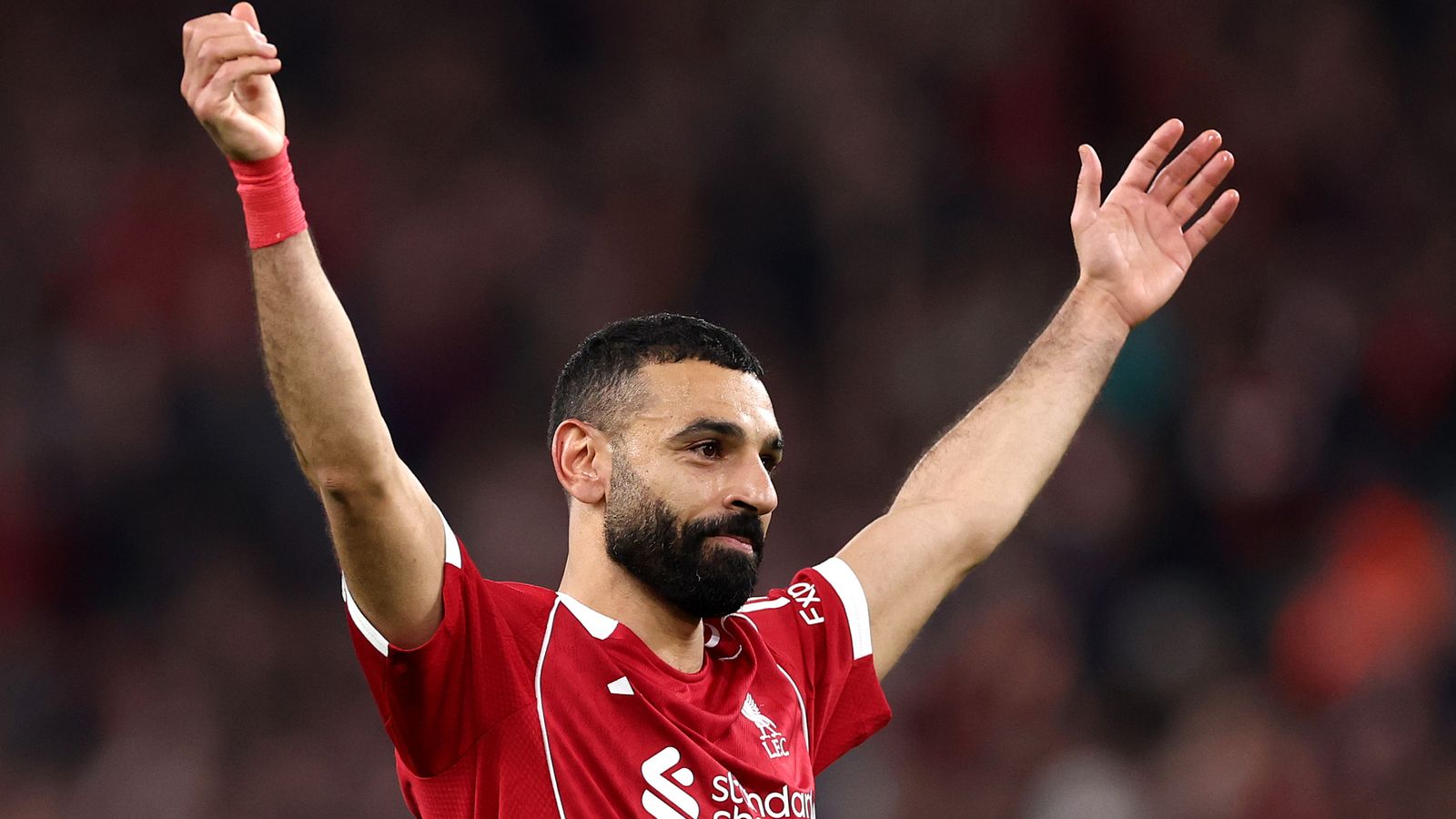
Mohamed Salah's Liverpool exit is the brutal reality of modern football
2 months ago
Liverpool's goodbye to Salah is a calculated gamble on their identity
3 weeks, 5 days ago
Mo Salah's farewell tour is masking a harsh tactical reality for Liverpool
2 months ago
Liverpool are entering a dangerous post-Salah era
1 month, 4 weeks ago
Liverpool's final ride with Mohamed Salah is their biggest tactical test yet
2 months ago