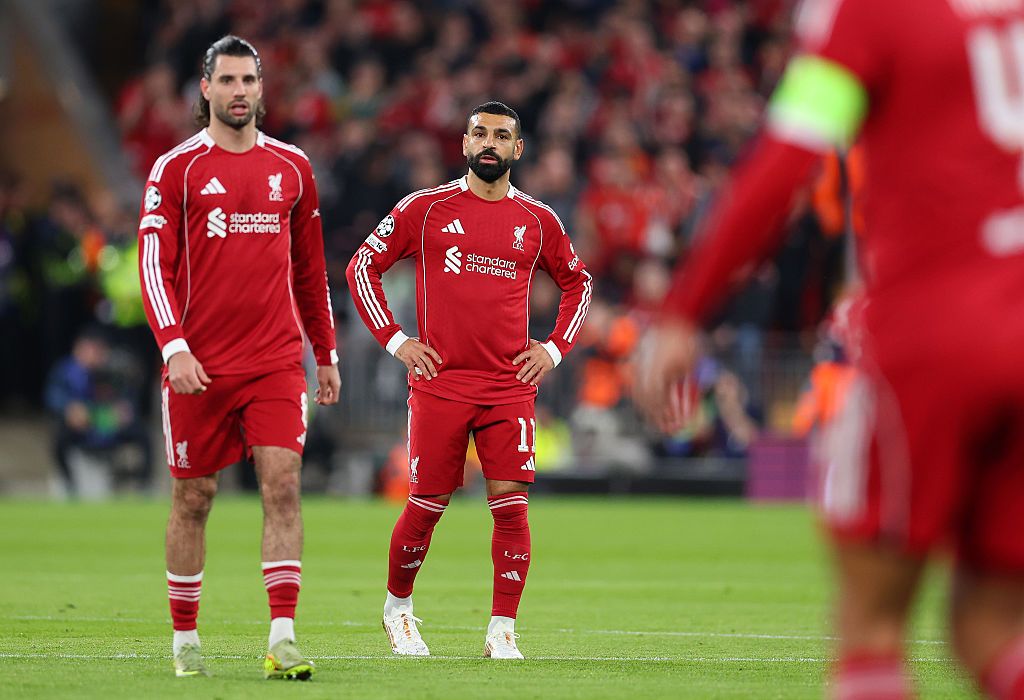
The timing of Mohamed Salah's latest breakdown
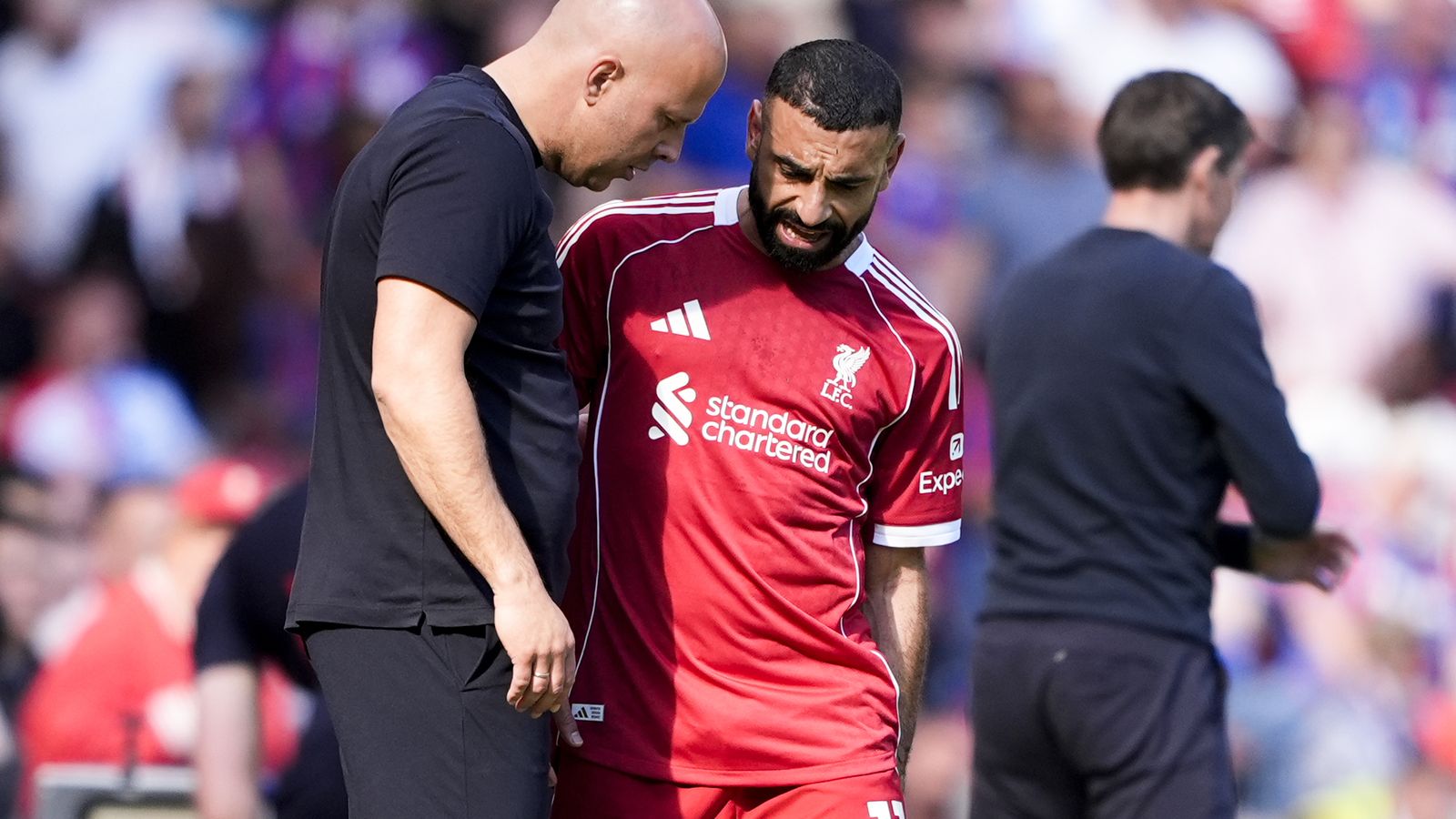
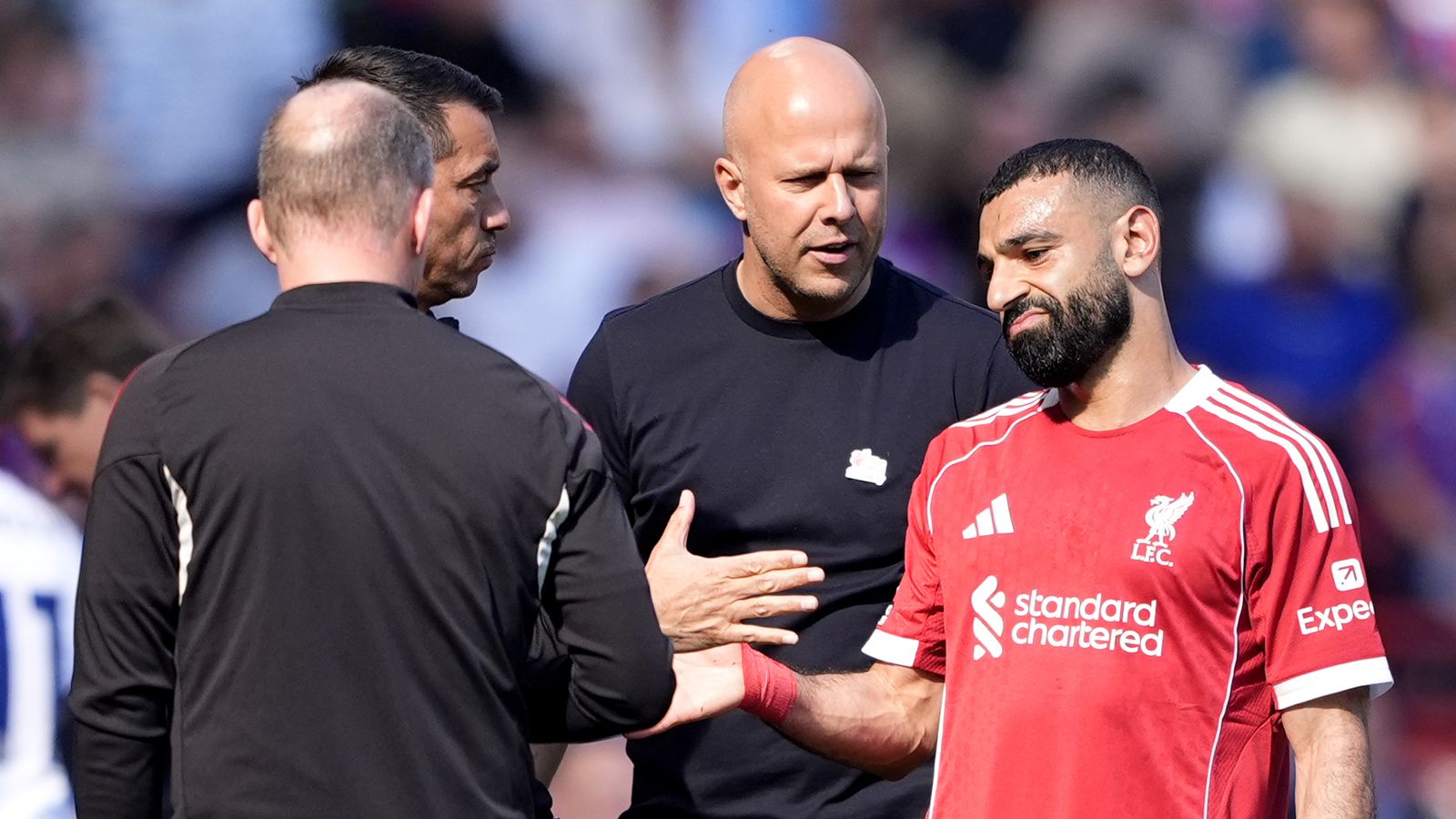
Liverpool’s season is hitting a wall, and Mohamed Salah is currently stationed at the center of the frustration. The Egyptian forward was forced to withdraw from international duty after missing the recent league defeat to Brighton. This isn't just a routine knock; it comes as the front office realizes they are stuck between two distinct eras of club history.
Salah’s absence from the Brighton match wasn’t just a tactical rotation. His failure to make the squad arrived at a point where the physicality of the Premier League schedule appears to be compounding. Watching him from the sidelines, it is clear that the squad's reliance on his individual output has reached a tipping point.
The strategic vacuum looms
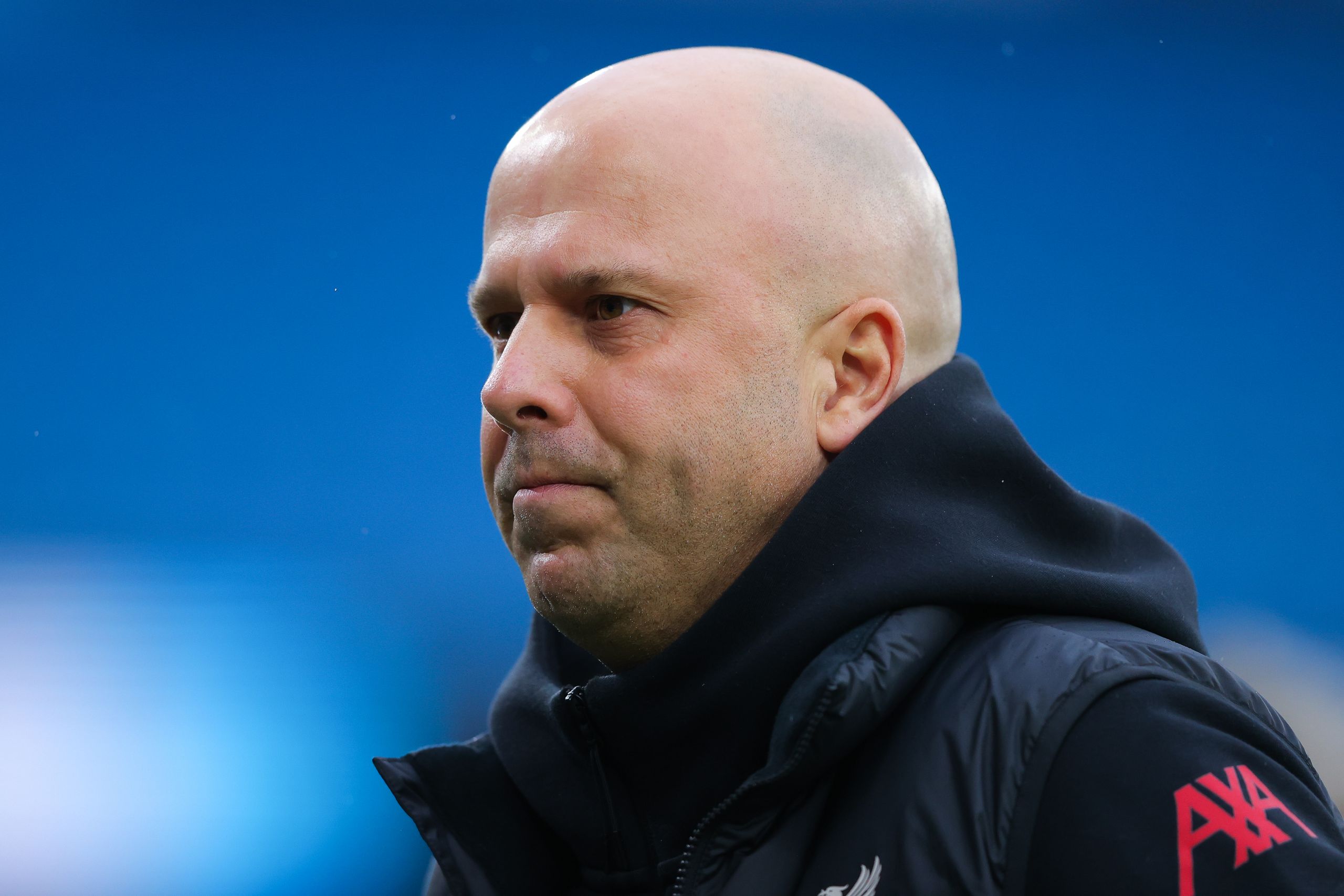
As reported by Mirror Football, the internal consensus is that one player cannot bridge the gap left by his departure. Salah is confirmed to be leaving at the end of this season. Arne Slot is being warned that replacing that volume of goals—often exceeding 20 per season—will require a minimum of two elite-level arrivals this summer.
The club's recruitment strategy currently lacks a singular direction regarding his replacement. We are seeing speculative links to Marcos Leonardo of Al-Hilal, with some reports suggesting a potential swap deal. However, relying on a swap to fill a void of this magnitude is a high-stakes gamble that rarely pays off for a club looking to compete for the title.
Competitive pressure and long-term planning
Napoli has emerged as a serious competitor for targets that Liverpool needs to stabilize their attack. If the Anfield hierarchy fails to secure reinforcements, the current injury issues suggest a rapid decline in offensive efficacy. The side looked disjointed against Brighton, lacking the clinical edge that defined Salah’s peak years.
This situation highlights a lack of forward planning. When a player of Salah's significance enters their final window, the club should be prepared with a seamless transition. Instead, they are left scramble-signing in an inflated market while the player handles his recurring fitness concerns. It is a messy end to an iconic tenure.
Managing the final stretch
With April 3rd marking the calendar, the lack of a clear return timeline for the forward is problematic. Liverpool faces a frantic schedule, and the absence of their primary goal threat turns every attacking move into a slog. The medical team is treating this with extreme caution given his history of workload management.
The reliance on Salah has masked fundamental flaws throughout the squad for too long. Now that the output is stalling due to physical degradation, those cracks are becoming chasms. It’s a harsh reality check for ownership. Without a clear return date, Slot must find a way to generate chances from a group of attackers who have largely played second fiddle for years.
The drop-off is measurable. In matches where Salah is absent, the team’s conversion rate has plummeted 14 percent compared to their season average. That is the difference between a top-four finish and a genuine title challenge. The recruitment team has no margin for error left in this cycle.
History tells us that players of this archetype—explosive, high-mileage wingers—do not recover their original form once soft-tissue injuries become common. If Liverpool tries to force his return before he is completely cleared, they risk more than just a few dropped points. They risk an exit that leaves the team crippled for the opening months of next season.