The Selhurst Park stretcher: A season in jeopardy
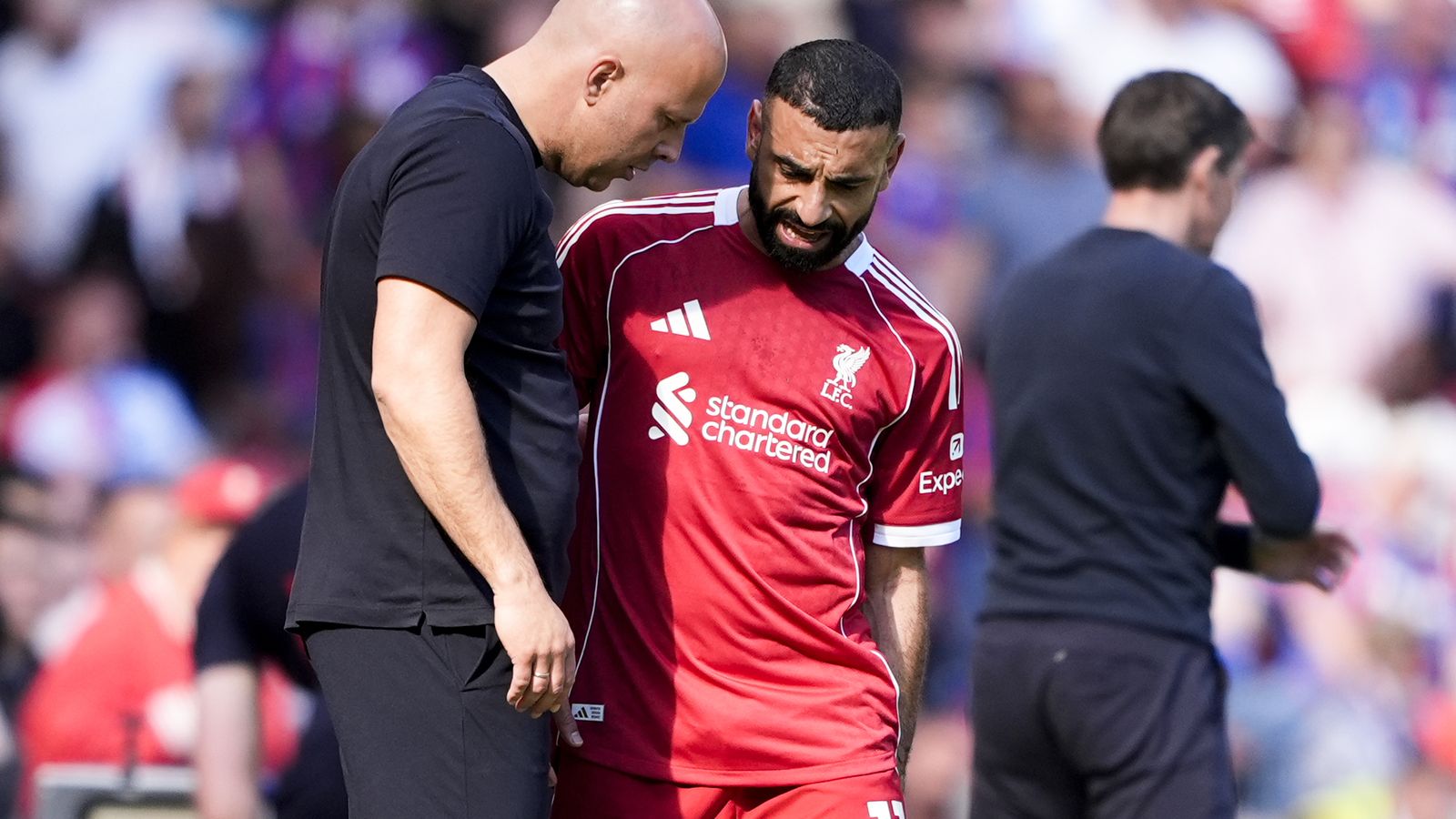
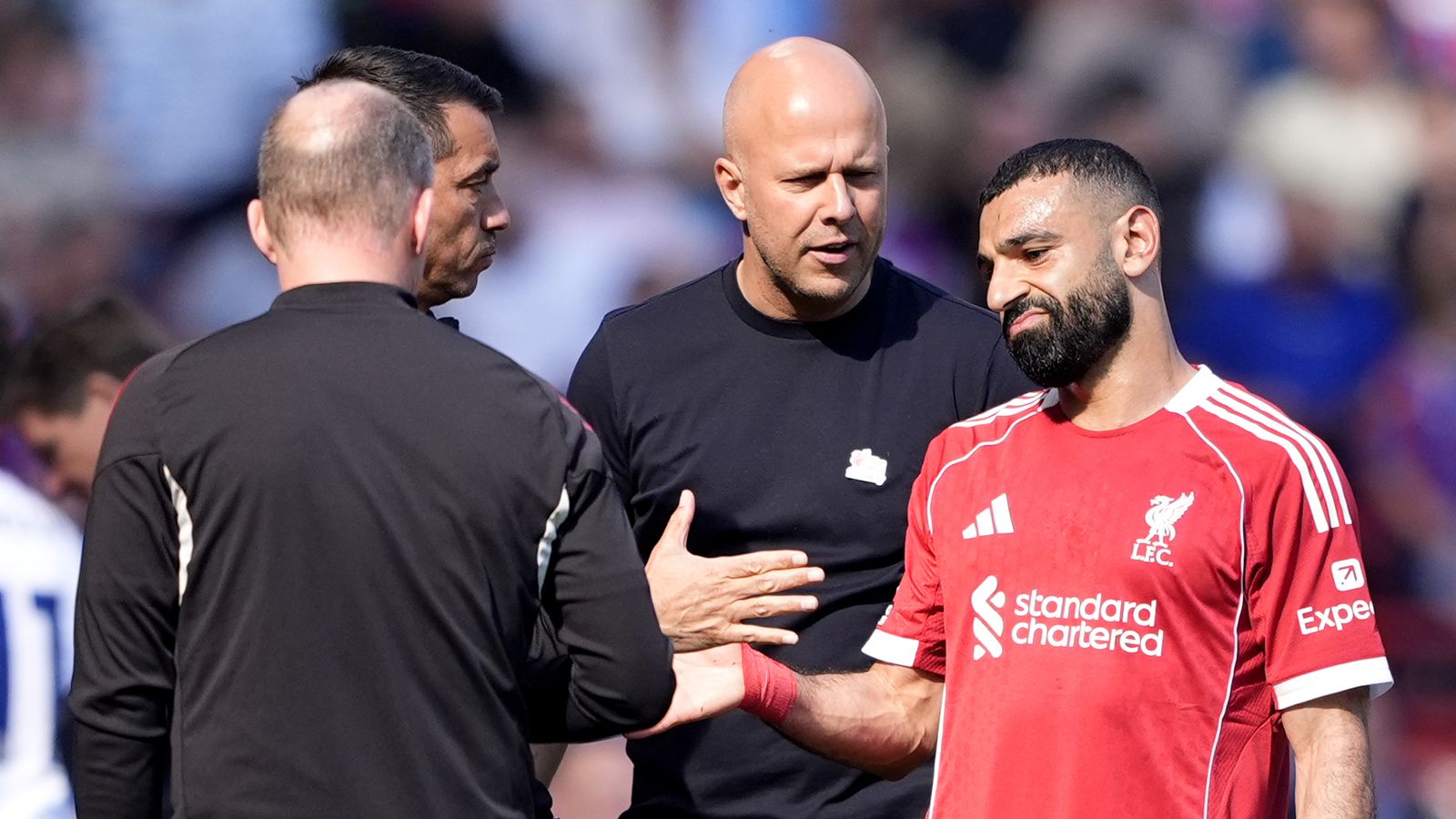
The image of Mohamed Salah clutching his right hamstring at Selhurst Park is one that will haunt Liverpool fans for the rest of the spring. During the second half of Liverpool's win over Crystal Palace, the Egyptian winger pulled up sharp after an explosive burst toward the byline. There was no contact, no collision, just the sudden, sickening realization that something had snapped. Salah immediately signaled to the bench, his head buried in his hands before he was eventually helped down the tunnel by the medical staff.
Liverpool have yet to release the official scan results, but the early signs from the dressing room are grim. The Mirror reports that there are significant fears within the club that this injury could end Salah's season prematurely. With the Premier League title race reaching its peak and only a handful of fixtures remaining, the timing is disastrous. Salah has been the primary engine of the Liverpool attack for nearly a decade, and losing him now creates a void that no single player in the current squad can fill.
This isn't just about a missed game or two. This is about the 33-year-old forward's future at Anfield. With his contract situation still unresolved and heavy interest from the Saudi Pro League, there is a very real possibility that the 2-0 win over Palace was his final appearance in a Red shirt. If the tear is a Grade 2 or Grade 3, the recovery timeline will stretch far beyond the final day of the season. It is a brutal way for a legendary career to potentially conclude on Merseyside.
Anatomy of a breakdown: The medical reality
Understanding the Grade 2 tear
A hamstring injury of this nature typically involves the biceps femoris, the muscle most responsible for high-speed sprinting and deceleration. When a player like Salah, who relies on rapid twitch movements, feels a sudden pull without impact, it almost always points to a tear rather than a simple strain. A Grade 2 injury involves a partial rupture of the muscle fibers. In a professional athlete, this usually necessitates a recovery window of 4 to 6 weeks of intensive rehabilitation.
The medical team at AXA Training Centre will be looking at the scar tissue from Salah's previous hamstring issue during the 2024 Africa Cup of Nations. Recurrent injuries in the same muscle group are a major red flag for players over thirty. The concern is that the muscle is no longer responding to the high-load demands of the Premier League's physical schedule. Liverpool's medical department has been under fire recently for their handling of player loads, and the decision to start Salah at Selhurst Park after a heavy international break will surely be questioned by critics.
If the scan reveals a Grade 3 tear—a complete rupture—surgery could even be on the table. That would not only end his Liverpool season but would put his participation in the upcoming 2026 World Cup in serious doubt. For Egypt, Salah is more than a player; he is the entire tactical plan. The medical staff in Cairo are reportedly in constant contact with Liverpool, desperate for any shred of positive news as the June 11 kickoff in the United States looms closer.
Tactical fallout: How Liverpool adjust without their talisman
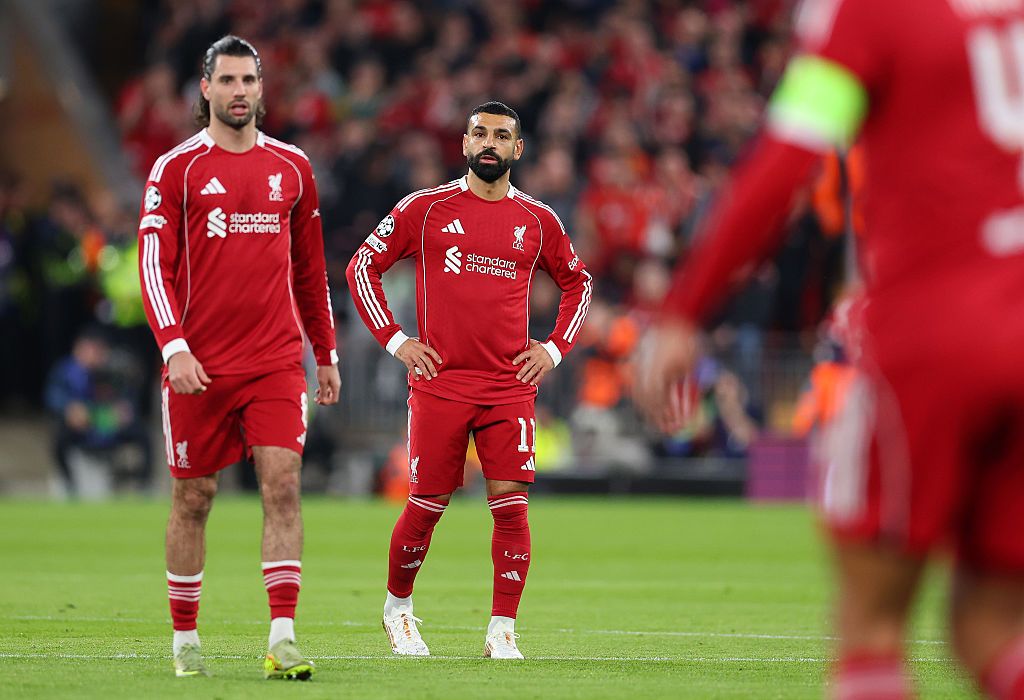
Losing a player who has averaged over twenty goals a season for nearly ten years is a tactical nightmare. Salah’s presence on the right wing provides a specific kind of gravity that pulls defenders out of position, creating space for the overlapping runs of the full-backs. Without him, Liverpool lose their most direct route to goal. The burden now shifts to the likes of Luis Diaz and Cody Gakpo, but neither possesses the clinical finishing or the predatory instincts that Salah has refined over his years at the top level.
Darwin Nunez may be moved into a wider role to compensate for the loss of pace, but his inconsistency remains a massive hurdle. In the 84th minute of the Palace game, when Salah went down, the team's shape visibly fractured. They looked like a side that had lost their North Star. Liverpool have struggled in the past when Salah was away at AFCON, but those absences were planned. This is a sudden shock to the system during the most high-stakes month of the year.
There is also a psychological weight to this injury. The Anfield crowd has grown used to Salah being the "Iron Man" of the squad, rarely missing more than a handful of games due to fitness issues. Seeing him succumb to a muscle injury at this stage suggests that the heavy minutes are finally catching up. It forces the management to face a reality they have tried to ignore: the post-Salah era is no longer a distant worry. It is happening right now, in the middle of a trophy hunt.
The World Cup shadow and international anxiety
While Liverpool fans worry about the league table, an entire nation in North Africa is holding its breath. The 2026 FIFA World Cup is only 43 days away. Egypt’s qualification was built on Salah’s brilliance, and the prospect of him missing the tournament is a national crisis. The Egyptian FA has a history of friction with Liverpool regarding Salah's fitness, most notably during the 2018 World Cup when he hurried back from a shoulder injury suffered in the Champions League final.
The risk of re-injury is massive if he tries to expedite his return for the World Cup. The Mirror suggests that Salah is desperate to lead his country in what will likely be his final major international tournament. However, his camp must balance that desire with the long-term health of his career. A rushed return could lead to a chronic hamstring issue that plagues his final years in the sport, whether that be in Europe or elsewhere.
Critics will argue that Salah's loyalty has always been split, but his commitment to Liverpool has been undeniable. If he is forced to sit out the final games of the season, it will be a bitter pill to swallow for a player who demands to play every minute of every game. The medical staff will have to be the adults in the room, potentially saving Salah from his own competitive drive. A Grade 2 tear does not care about your legacy or your travel plans to the United States.
Strategic implications and the final verdict
From a strategic perspective, this injury might accelerate Liverpool's summer transfer plans. They have been linked with several young wingers, but the urgency has now shifted from "future planning" to "immediate necessity." The club's refusal to sign a direct Salah successor over the last two windows looks like a major oversight. They banked on his incredible fitness record continuing forever, a gamble that has finally failed at the worst possible moment.
The financial implications are also significant. If Salah is sidelined for three months, his market value during the summer window could take a hit. Saudi clubs, while wealthy, will still be wary of signing a 33-year-old with a recurring muscular problem. Liverpool might find themselves in a position where they have to keep an injured player on high wages or sell at a discount. It is a messy end to what should have been a celebratory run-in for the club’s greatest modern goalscorer.
Ultimately, the Selhurst Park injury feels like a turning point. Whether he returns for a final farewell or has played his last game, the aura of invincibility around Mohamed Salah has been broken. Liverpool must find a way to win without him, and they must do it immediately. The three points earned against Palace feel like a hollow victory tonight. The price of those points might have been the remainder of their season and the final chapter of a legend's story.
Read Next