Nottingham Forest are playing with fire in the final stretch

The statistical mirage of the draw
Nottingham Forest walked away from their latest fixture with a point, but a rigorous tactical review suggests they are essentially running on fumes. While Nuno Espirito Santo remains vocal about the value of the result, the numbers behind the performance reveal a concerning lack of offensive potency. A draw is rarely a neutral outcome when survival is effectively on the line; it is a delay of the inevitable if the underlying metrics remain stagnant.
As reported by Sky Sports, the dressing room sentiment led by Pereira suggests a sense of optimism regarding their home form. However, possession in isolation tells us very little about match control. Forest have struggled to convert half-spaces into meaningful gravity, often forcing players into crowded central channels where defensive density becomes an insurmountable variable.
The math problem at the City Ground
To stay up, you need to turn high-quality expected goals (xG) into tangible margins. Currently, the team is struggling to generate a shot profile that troubles goalkeepers with any consistency. Their crossing frequency remains high, but the accuracy drops significantly once the opposition drops into a low block. That isn't tactical nuance; that is a lack of technical execution under pressure.
The reliance on individual snapshots of brilliance has left the team vulnerable to sudden turnover transitions. When an attacking wing-back overlaps aggressively, the space left behind becomes an invitation for a counter-attack. Against elite pressing sides, this structure collapses with alarming frequency, leaving center-backs isolated in 1v1 scenarios. They have allowed 14 goals inside the final twenty minutes of matches this season, which is essentially a surrender of concentration.
The reality of the final home stretch
Optimism is a necessary component of the squad dynamic, but it cannot be a substitute for defensive integrity. If they intend to maximize their points tally at home, the spacing between the midfield pivot and the backline needs immediate calibration. The defensive line currently sits too deep, which invites unnecessary pressure and minimizes their ability to sustain attacks in the final third.
The upcoming schedule will not grant them the grace of slow-paced opposition. If they continue to rely on the current tactical setup, they are asking for a 5-10% conversion rate to carry them through the remaining games, which is a statistical death sentence. The coaching staff must prioritize a more compact defensive transition to ensure they are not caught out by teams looking to exploit high-pressing errors. Managing the game clock is not about sitting back; it is about keeping the ball, which has been their most glaring weakness since the mid-season turn.
"Draw is a good result - let's see what we can do at home," Pereira stated.
Pereira is right to point toward their home form, but the math does not lie. They are currently averaging less than a point per game when trailing after the first sixty minutes. If they cannot fix the structural fatigue manifesting in the latter stages of matches, the conversation will shift from survival to the inevitability of the drop. They have the personnel for a mid-table push, but the tactical discipline currently on display is a far cry from a mid-table standard.
Ultimately, professional football rewards structure over sentimentality. The decision to prioritize safety in recent weeks has created a ceiling on their offensive potential that they cannot afford at this juncture. If they are to save the campaign, they need to take calculated risks rather than simply hoping for a favorable bounce inside the box. Hope is not a strategy, and their current defensive posture is proof that sitting back is the most dangerous play they can make.
adidas Unisex-Adult FIFA World Cup 2026 Competition Soccer Ball
Get ahead of the hype with the official look of the 2026 tournament.
Frequently Asked Questions
Why are Nottingham Forest struggling to create offensive chances?
What defensive issues are causing Forest to concede late goals?
How should Nottingham Forest improve their current tactics?
What is the primary flaw in Nottingham Forest's current game management?
Why does the author describe Forest's current metrics as a statistical mirage?
More Coverage

Anthony Gordon to Barcelona is a high-stakes gamble for all involved
2 minutes ago
Why England must fear Panama's disciplined low block
53 minutes ago
Anthony Gordon to Barcelona marks a high-stakes gamble
an hour ago
Arsenal vs PSG: Why tactical rigidity will determine the European champion
an hour ago
Arsenal's 104 million gamble on Julian Alvarez is pure chaos
an hour ago
Top 10: The Definitive Arsenal Moments of the 2025/26 Season
3 hours agoMore Analysis

Why Nottingham Forest will beat the drop despite their defensive flaws
1 month ago
Nottingham Forest are sleepwalking into a relegation disaster
1 month, 1 week ago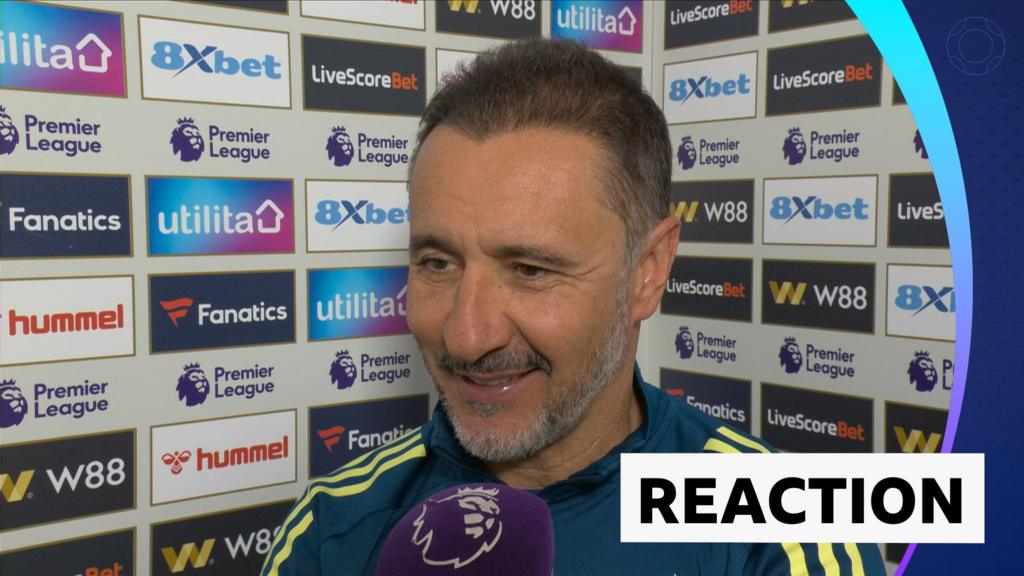
Nottingham Forest are chasing safety through pure aggression
1 month ago
Nottingham Forest are playing with fire in Europe
1 month, 1 week ago
Forest head to Stamford Bridge fighting for their Premier League lives
3 weeks, 4 days ago