The burden of a result at the Dragão
Entering the second leg of a Europa League quarter-final with a 1-1 draw secured in Portugal should feel like a triumph. For Nottingham Forest, however, it represents a tactical paradox that will define their season tonight at the City Ground. The goal scored in Porto wasn't just a statistical advantage; it was a demonstration of a very specific, high-intensity transition model that works best when Forest are allowed to cede territory.
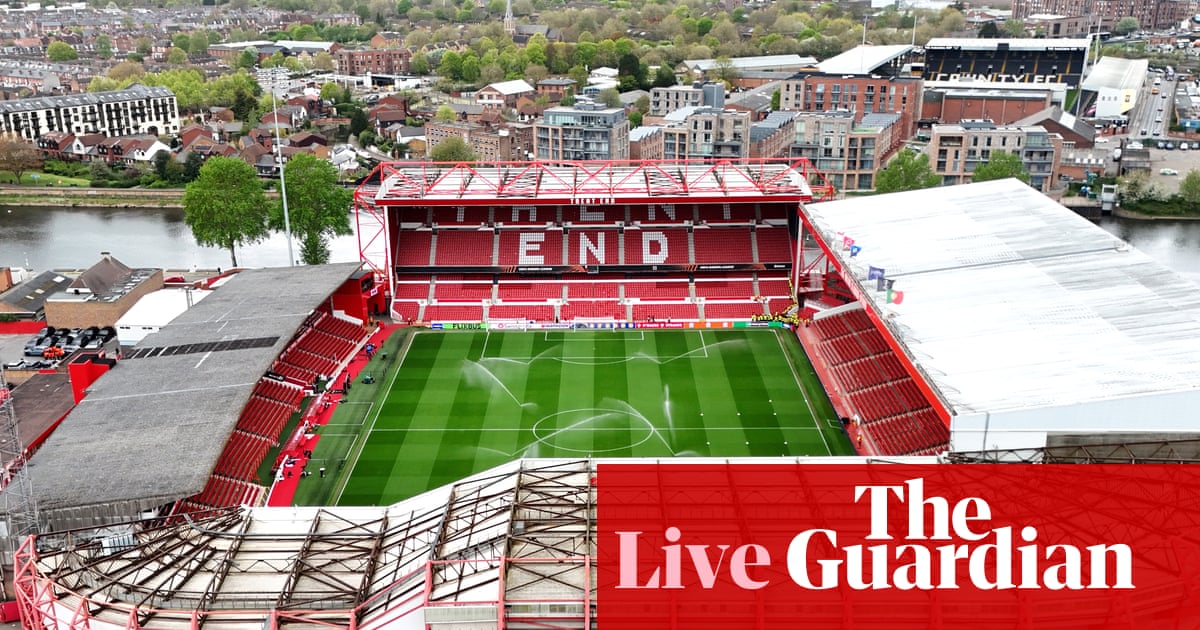
As The Guardian reported in their live coverage, the 8pm BST kick-off brings with it the weight of history and the noise of a crowd that has waited decades for this level of continental relevance. But noise does not win matches against Sérgio Conceição’s Porto. This is a side that treats away legs like a cold-blooded auditing process, waiting for the home side to overextend before punishing the structural gaps that inevitably appear.
The first leg was a cagey affair where Forest managed to limit Porto to an xG of just 0.84, yet they conceded through a lapse in concentration during a second-phase set piece. That single goal exposed the primary concern for tonight. If Forest attempt to 'manage' the game rather than attack it, they risk falling into the same trap that has seen more experienced European sides dismantled by Porto's pragmatism.
The geometry of the transition
Forest’s success tonight hinges on the verticality of their midfield. In the first leg, the decision to play a narrow diamond in the second half successfully choked Porto’s lateral ball circulation. By forcing the Portuguese side into the wide areas, Forest effectively neutralized their creative engine. The problem arises when Porto’s full-backs, usually adventurous and technically proficient, start to invert and create overloads in the half-spaces.
Tactically, we should expect Porto to utilize a 4-2-2-2 block that shifts into a 2-4-4 when in possession. This puts immense pressure on Forest’s pivot players to cover the lateral distance between the touchline and the center of the pitch. If the 1-1 scoreline remains level until the hour mark, the physical toll on Forest’s engine room will become the deciding factor. We saw this fatigue manifest in the 74th minute of the first leg, where the pressing triggers became delayed by nearly two seconds.
Porto’s ability to recycle possession under pressure is their greatest weapon. They averaged a pass completion rate of 88% in the first leg, even while Forest were hunting them in packs. Tonight, they will look to silence the City Ground by keeping the ball in the middle third, effectively boring the crowd and the Forest players into a state of tactical lethargy before striking with a sudden vertical pass through the lines.
Porto's low-block trap
There is a danger that Forest will see their home advantage as a mandate to dominate possession. This would be a catastrophic error. Porto are arguably the best team in Europe outside of the elite Champions League bracket at defending a lead or a level scoreline while sitting in a deep block. Their defensive lines are rarely separated by more than 12 meters, making it nearly impossible for creative players to operate between the lines.
The critical flaw in Forest's late-game management
One cannot ignore the negative trend in Forest's recent defensive statistics. They have conceded 40% of their goals this season in the final fifteen minutes of matches. This isn't just a matter of fitness; it's a psychological retreat. When the pressure mounts, the defensive line drops five yards deeper, creating a 'dead zone' in front of the penalty area that Porto’s midfielders are masters at exploiting.
This lack of composure in high-leverage moments is the missing piece of the Forest puzzle. Against a team with Porto's European pedigree, dropping deep is essentially an invitation for a late, agonizing exit. If they don't maintain a high line and force Porto into long-ball situations, they will eventually crumble under the sheer weight of technical superiority. The 87th minute goal they conceded against Aston Villa last month serves as a haunting reminder of this specific vulnerability.
What to watch for at 8pm
The first twenty minutes will dictate the rhythm of the entire night. Forest need to utilize the frantic energy of the City Ground to disrupt Porto’s build-up play before they can settle. This means committing fouls in the attacking third—tactical disruptions to prevent Porto from finding their passing cadence. It's an ugly way to play, but it's the only way to beat a team that thrives on rhythm.
- The duel between Forest's left-back and Porto's right-sided winger will be the primary battleground.
- Watch for Porto’s goalkeeper to act as a 'libero' to bypass Forest's initial press.
- Forest's reliance on set-piece delivery, which accounted for 60% of their chances in the first leg.
Six months ago, a similar European night at the City Ground showed that Forest could outmuscle technically superior opposition. That night, they recorded 22 tackles in the opposition half—a staggering figure that showed their commitment to the press. They will need to replicate that intensity tonight without losing their defensive shape. The margin for error is non-existent when you are playing against a side that has won this competition twice.
Prediction: This will be a grueling, unattractive match defined by mid-block wrestling and cautious substitutions. Porto will score first, likely from a deflected effort or a set-piece scramble, forcing Forest to chase the game. The City Ground will eventually see a Forest equalizer in the second half, but the tactical discipline of the visitors will see them through in the end. I am calling a 1-2 victory for Porto after extra time, a result that will feel incredibly harsh on a Forest side that has punched well above its weight this season.