The shadow of Graham Potter's Swedish success
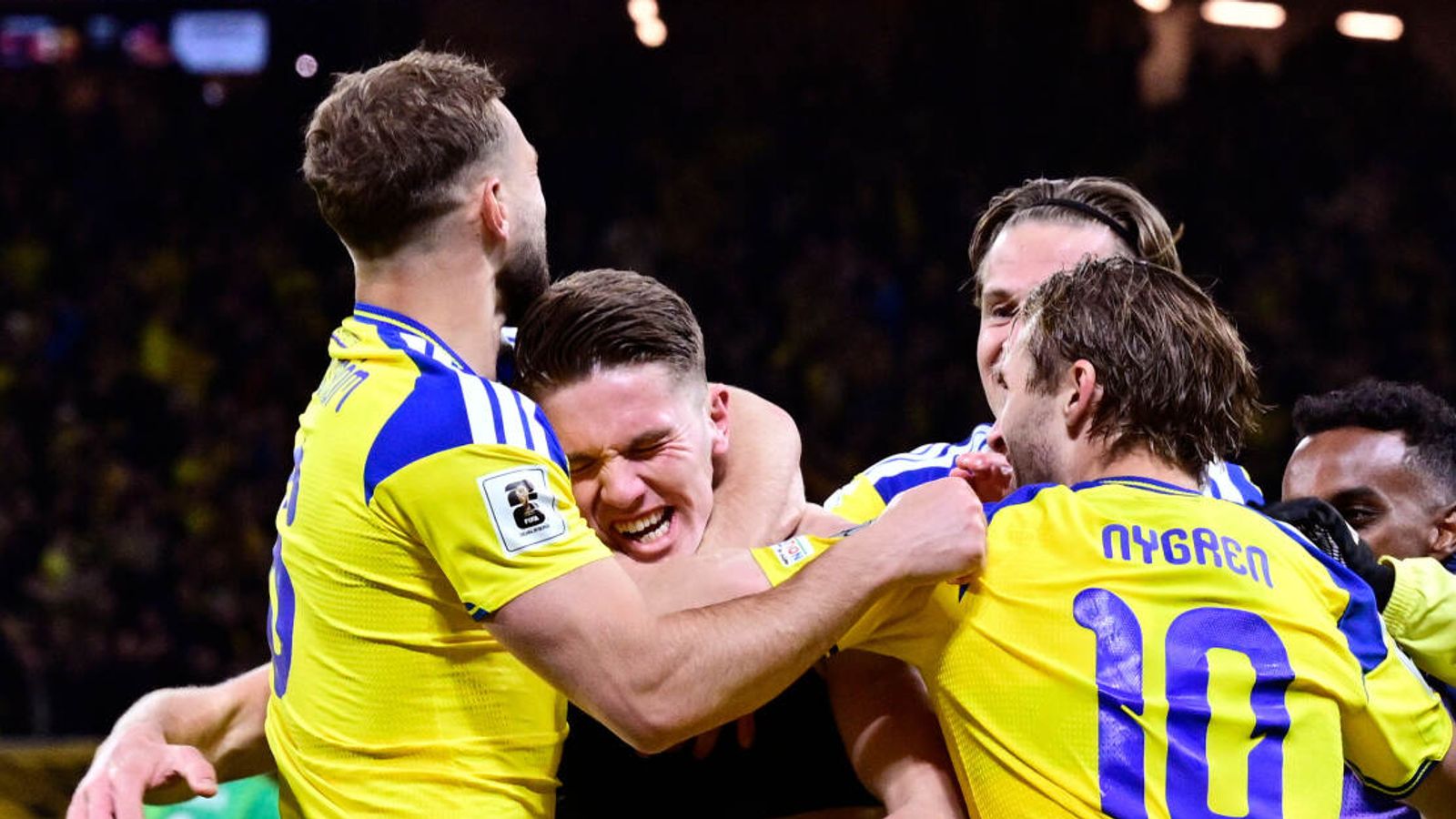
The timing could not be worse for the West Ham board. As the London Stadium prepares for the arrival of Wolves, the news cycle is dominated by a man who left this club just six months ago. Graham Potter, once the target of terrace frustration in East London, has just secured a World Cup berth for Sweden in spectacular fashion.
The Daily Mail reports that Potter’s side dismantled Ukraine 3-1 before a dramatic 3-2 victory over Poland. Viktor Gyokeres provided the decisive blow, but the tactical fingerprint was unmistakably Potter’s. It is a stark contrast to the tactical paralysis currently gripping West Ham.
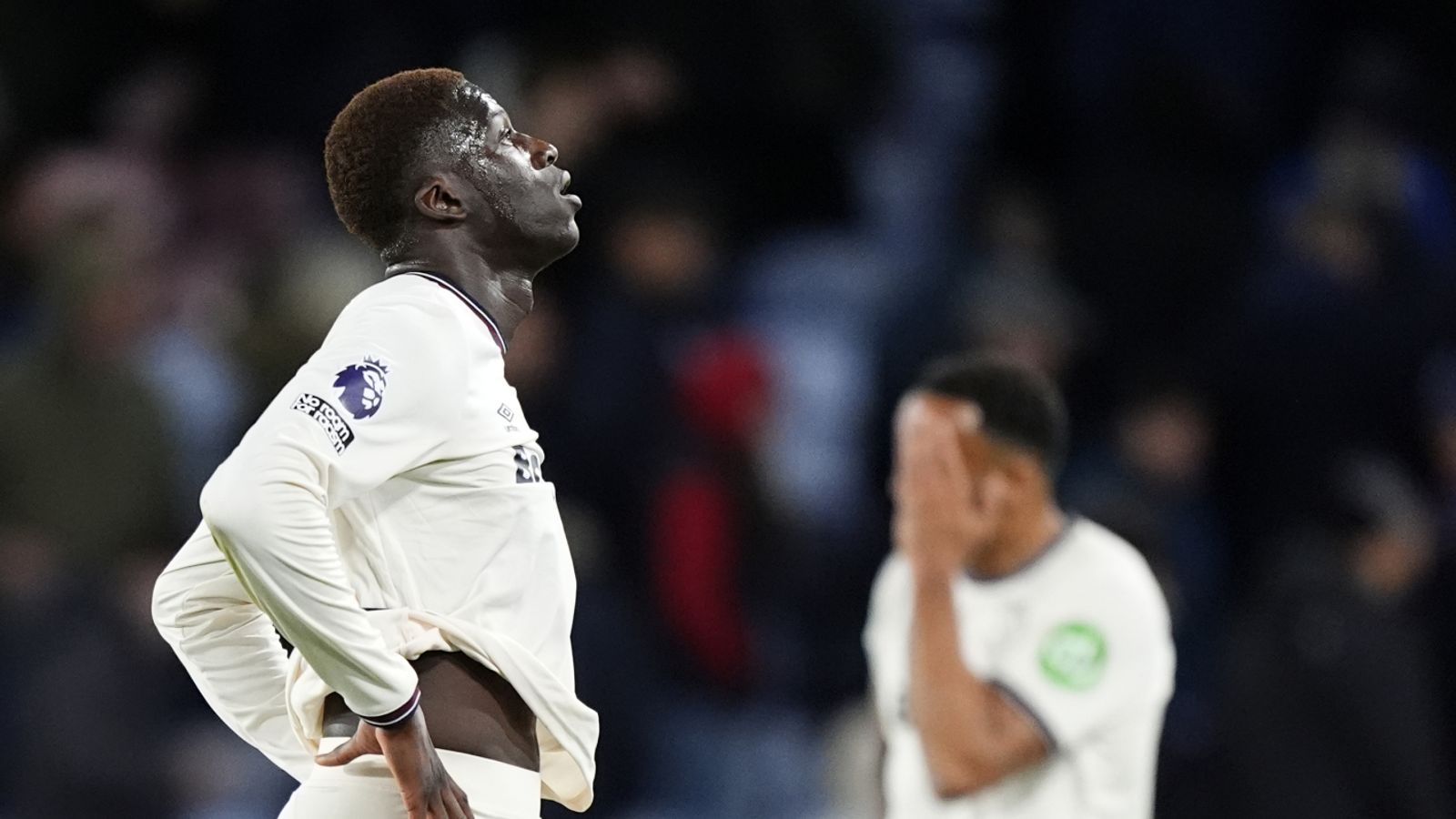
While Potter is being toasted in Stockholm, West Ham fans are left wondering why that same fluidity never quite clicked in the Olympic Park. The Hammers are currently a side caught between identities. They lack the defensive resolve of the Moyes era and the surgical possession of Potter’s best Brighton days. Now, they face a Wolves side that specializes in exploiting exactly this kind of structural uncertainty.
The Summerville factor and breaking the low block
There is a glimmer of tactical hope for the home side. Sky Sports reports that the medical staff are hopeful regarding Crysencio Summerville’s availability. His return is not just about personnel; it is about the fundamental way West Ham attack the final third.
Without Summerville, West Ham’s ball progression has become alarmingly predictable. They have averaged a dismal 12 entries into the opposition penalty area over their last three matches. They rely too heavily on lateral recycling between the center-backs and a holding midfielder who is often marked out of the game. Summerville changes the geometry of the pitch because he demands a double-team on the flank.
When Summerville isolates a full-back, he forces the opposition’s nearest central midfielder to vacate the half-space. This creates the exact pocket of air that Mohammed Kudus needs to operate. If Summerville is fit, Wolves cannot simply sit in a compact 5-4-1 and dare West Ham to cross. He forces them to move, and movement creates the defensive fractures that have been missing from the Hammers' play lately.
Wolves and the art of the transition
Wolves arrive in London with a very clear blueprint. They are not interested in winning the possession battle. They are interested in winning the spaces left behind by over-eager full-backs. Their transition speed remains their most potent weapon, and West Ham’s rest defense has been shambolic of late.
In the recent defeat to Everton, West Ham’s defensive line was caught twice in the first half because the central midfielders failed to provide a screening presence. Wolves will look to bait West Ham into commitng numbers forward. Once the ball is won in the middle third, they trigger vertical sprints that bypass the Hammers’ disorganized press. This is a match that will be won or lost in the four seconds immediately following a turnover.
If West Ham cannot manage their defensive distances, Wolves will have a field day. The visitors have shown a cynical efficiency this season, often scoring from their first clear opening. They don't need volume; they need one lapse in concentration from a West Ham defense that looks increasingly fatigued. The Hammers' tendency to drop their intensity in the 65th minute has already cost them nine points from winning positions this season.
Structural flaws and the pressure of expectation
The primary issue at West Ham remains the disconnect between the back four and the attacking trio. Too often, the team splits into two distinct blocks of five. This leaves a massive void in the center of the pitch that a disciplined Wolves midfield will ruthlessly occupy. There is a lack of verticality that makes every West Ham attack feel like a chore rather than a threat.
The fans are already restless. The atmosphere at the London Stadium has turned toxic early in recent home games. If Wolves manage to stifle the opening twenty minutes, the grumbles will start, and the players will tighten up. It is a psychological trap that the team hasn't shown the mental fortitude to escape. The absence of a clear leader in the defensive line is glaring.
Even the return of Summerville might not be enough if the systemic issues aren't addressed. West Ham’s PPDA (Passes Per Defensive Action) has dropped significantly over the last month. They are allowing opponents too much time on the ball in non-threatening areas, which eventually allows teams like Wolves to find their rhythm and control the tempo without actually having the ball.
Tactical Prediction: A war of attrition
This will not be a classic. Wolves will be content to play for a 0-0 and wait for the inevitable West Ham mistake. The Hammers will dominate the ball but struggle to do anything meaningful with it. Much depends on whether Summerville can provide that one moment of individual brilliance to break the deadlock.
I expect West Ham to struggle with Wolves' low block for the majority of the afternoon. The Hammers' build-up play is currently too slow to catch a well-drilled defense out of position. Unless there is a significant shift in the speed of their passing, this is going to be a long, frustrating watch for the home faithful. The pressure on the manager will only intensify if they fail to break down a side they should, on paper, be beating comfortably.
My call is a 1-1 draw. West Ham will find a way through late in the second half, likely via a set-piece or a Summerville solo run, but their defensive fragility will allow Wolves to snatch a point on the counter. It is the kind of result that satisfies no one in East London and only keeps the Graham Potter comparisons alive. West Ham are a club in desperate need of a win, but they lack the tactical cohesion to earn one right now.