The Breaking Point
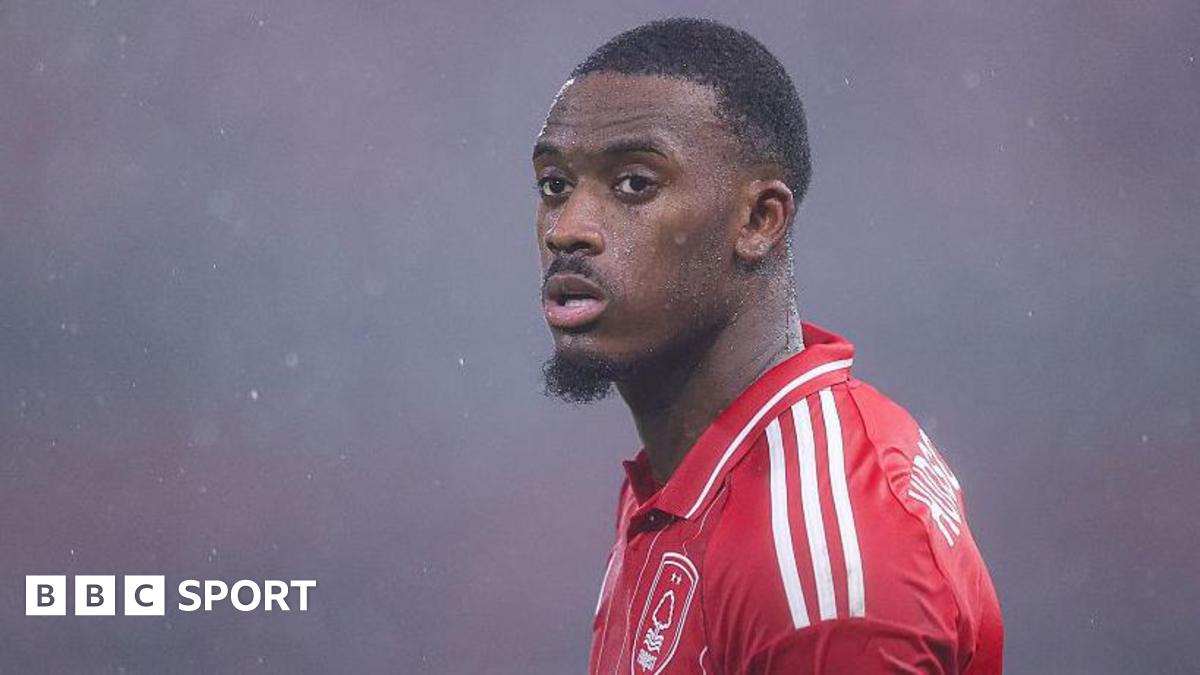
Nottingham Forest’s season just hit a catastrophic roadblock. Callum Hudson-Odoi is officially out for the remainder of the campaign. Sky Sports confirmed the winger has suffered a "serious injury," abruptly ending his season with just weeks remaining. With the Premier League entering its defining stretch, the timing is an absolute disaster for both the club and the player.
The immediate fallout on the pitch will be severe. Forest rely heavily on Hudson-Odoi’s ability to relieve defensive pressure. When operating in a low block, his ball-carrying acts as an essential out-ball. He buys his defenders time to breathe. Losing him now forces a complete tactical rethink at the worst possible moment.
The Medical Reality of Late-April Setbacks
When a medical department declares an injury "serious" in late April, the implications stretch far beyond the current season. There are roughly five weeks left in the domestic calendar. Missing the run-in is devastating, but the real danger lies in the impact on the upcoming summer pre-season.
Players suffering major structural injuries at this stage—whether ligament damage or severe muscular tears—almost inevitably miss the essential July conditioning period. The timeline for a major injury usually mandates a minimum of three months of rehabilitation. This means Hudson-Odoi is fighting an uphill battle just to be fit for the start of the 26/27 campaign.
Hudson-Odoi is sadly no stranger to the grueling realities of long-term rehabilitation. His Achilles rupture in 2019 fundamentally altered his early career trajectory at Chelsea. He spent years battling the physical limitations and psychological aftershocks of that massive setback.
He finally looked entirely settled and explosive again at the City Ground. To suffer another major breakdown now is a brutal pill to swallow. He had successfully rebuilt his reputation in the top flight, only to have his body fail him again.
The Ghost of Munich
To understand the gravity of this setback, you have to look at Hudson-Odoi’s career arc. Just a few years ago, he was the subject of aggressive, sustained transfer bids from Bayern Munich. The German giants saw a generational talent, a winger capable of anchoring their attack for a decade.
Chelsea fought desperately to keep him. They handed him a massive contract to ward off the European heavyweights. Then the Achilles injury happened. That single moment derailed his momentum entirely. He lost a fraction of his top-end pace and spent subsequent seasons at Stamford Bridge struggling to regain the trust of a revolving door of managers.
A loan spell at Bayer Leverkusen provided mixed results, but it was the permanent move to Nottingham Forest that finally reignited his spark. He had reinvented himself. He wasn't the raw teenager Bayern wanted, but a smarter, more efficient Premier League winger. He learned how to pick his moments, relying on timing and technique rather than pure, unadulterated pace. Seeing that hard-won progress halted by another severe injury is a devastating blow.
A Hard Look at Squad Management
This injury exposes a glaring flaw in Forest's squad construction. Despite their notoriously aggressive recruitment strategy over recent transfer windows, the drop-off in quality behind their starting wingers remains stark. The front office focused heavily on stockpiling central midfielders and defensive options.
They left the wide attacking areas surprisingly thin and vulnerable to exactly this scenario. Relying on a player with Hudson-Odoi's specific medical history to play relentless minutes in a highly demanding, counter-attacking system was always a calculated risk. Managerial decisions regarding rotation, substitution timing, and overall workload management are now firmly under the microscope.
Could this breakdown have been prevented with more conservative load management? The sports science and medical departments at the City Ground will be facing uncomfortable questions from the board this week. When a player with a history of severe lower-body injuries breaks down late in the season, it rarely happens in a vacuum. It points to a failure in tracking fatigue markers or an over-reliance on a single individual out of tactical desperation.
The Tactical Void on the Left Flank
Forest's attacking structure is highly dependent on isolation play. They actively engineer situations to get Hudson-Odoi into one-on-one matchups against isolated fullbacks. Without his explosive acceleration and his elite ability to cut inside and shoot or create, the attack instantly becomes more predictable.
Anthony Elanga will now have to shoulder significantly more of the offensive burden on the flanks. However, Elanga offers a distinctly different profile. He thrives on running into space behind a high defensive line rather than receiving the ball to feet and beating a defender from a standing start.
This tactical shift places an enormous creative burden heavily onto the shoulders of Morgan Gibbs-White. Opposing defenses will adjust their scouting reports immediately. Without the dual, symmetrical threat of Hudson-Odoi and Elanga stretching the pitch on opposite wings, teams can afford to cheat inside. They will compress the central channels and attempt to smother Gibbs-White, knowing the left wing no longer presents the same dynamic threat.
The Wider Industry Trend
This situation is not an isolated incident within the league. The modern Premier League demands an unprecedented physical toll from wide players. The high-intensity pressing metrics and top-speed sprint counts are rising exponentially every single season. Consequently, dynamic wingers are breaking down at an alarming rate across the division.
Clubs find themselves trapped in a vicious cycle. The modern tactical setups require extreme physical outputs to remain competitive, but the congested fixture list routinely denies players the necessary recovery time between matches. We are witnessing a clear spike in soft-tissue and joint injuries as cumulative fatigue peaks in the final months of the season.
Hudson-Odoi is simply the latest high-profile casualty of a footballing calendar that shows zero mercy to the athletes. With the expanded formats of international tournaments and European competitions further squeezing the off-season break, player welfare is rapidly becoming the most pressing talking point in the sport. The physical demands have outpaced human physiology.
The Long Road Back
Forest must now navigate their decisive final fixtures without their most reliable and creative wide outlet. The coaching staff will likely have to shift to a more conservative, pragmatic formation. We can expect to see them pack the midfield, concede possession, and rely even more heavily on set-pieces to scrape points in May 2026.
For Hudson-Odoi, the focus shifts entirely from the pitch back to the treatment room. He faces another lonely summer in the gym while his teammates conclude the season and head off on vacation. While the club has not yet confirmed the exact medical diagnosis or the timeline for potential surgery, the initial prognosis is grim.
Forest lose a key attacking weapon precisely when they need him most. Hudson-Odoi faces another grueling, exhausting comeback trail. The lingering questions about squad depth, medical oversight, and tactical over-reliance will shadow the club long into the summer transfer window.