The scrutiny on the Villa forward
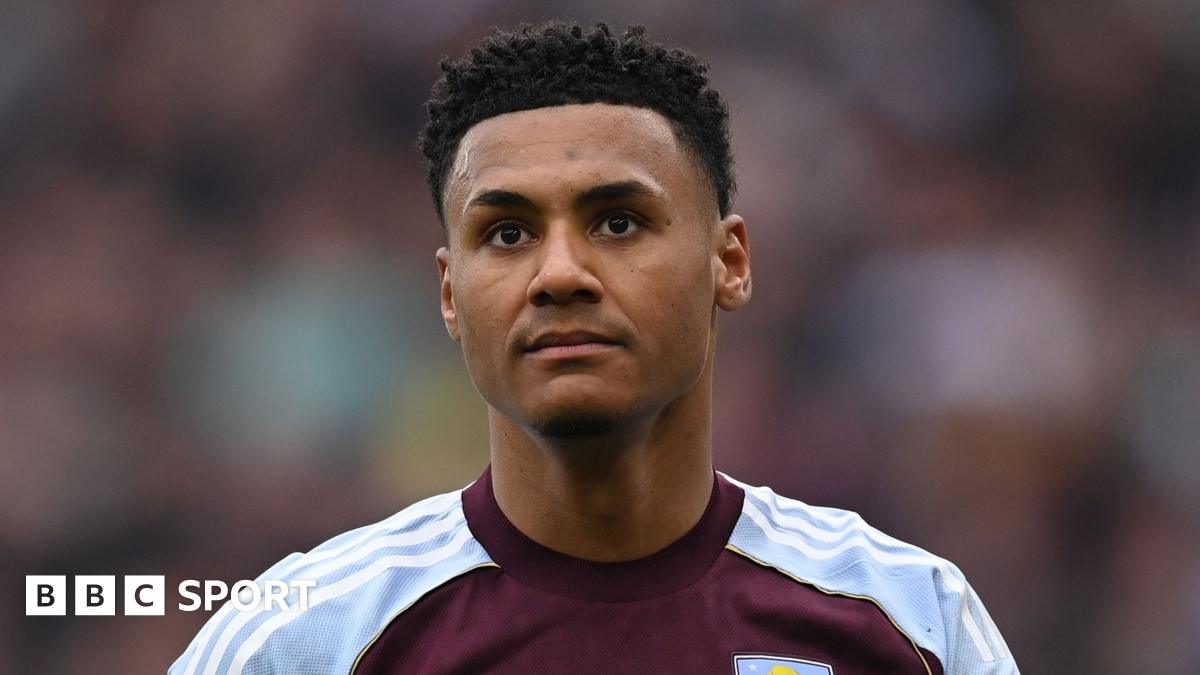
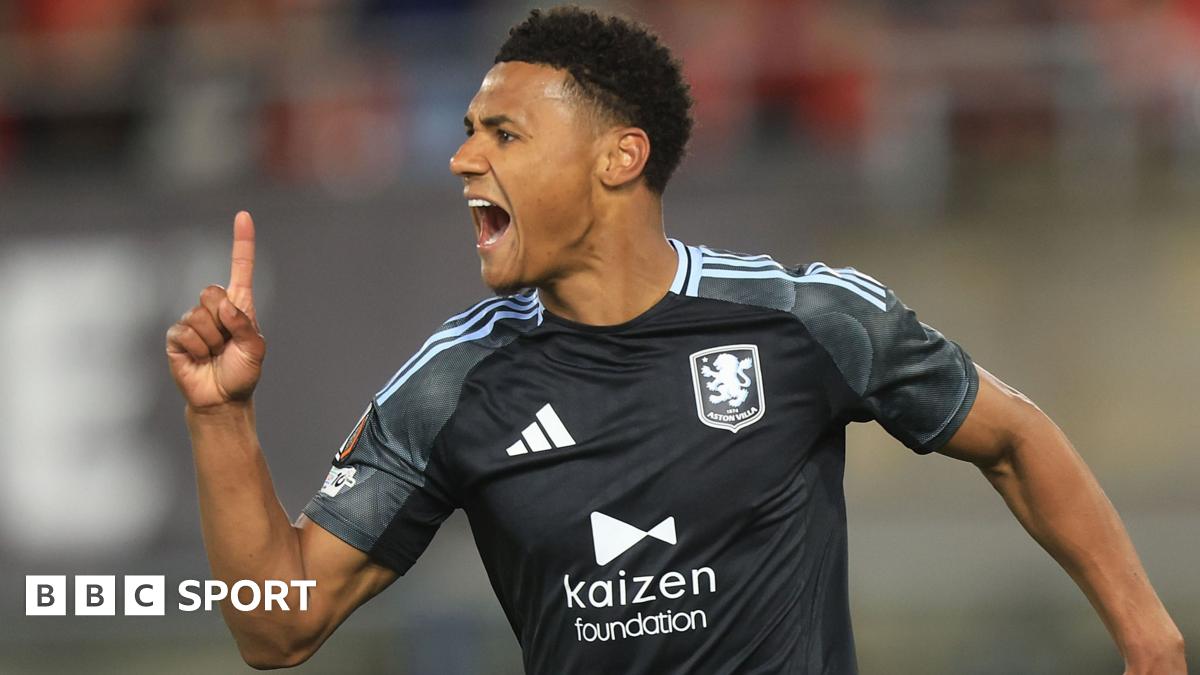
Ollie Watkins enters this friendly window under the watchful eye of the England coaching staff. With FIFA World Cup 2026 kick-off occurring in just five days, every touch, movement, and conversion rate is being indexed. During the opening stages of the match against New Zealand, Watkins spurned a high-value opportunity that should have been buried. In a tournament squad where bench minutes are sparse, missed sitters are not mere footnotes.
Reports suggest his tactical fit remains a secondary concern to his finishing clinicality. Harry Kane remains the undisputed focal point, giving England the lead as confirmed by live coverage from Sky Sports, but the backup striker role is contested. Watkins needs to offer more than just high-pressing energy if he expects to be more than a late-game substitution in North America.
Tactical friction and the 11-man shuffle
England opted for a radical experiment at the interval, making 11 changes. This move suggests Gareth Southgate is prioritizing individual data points over cohesive rhythm. While these friendlies satisfy the need to manage fitness, they inherently degrade the tactical clarity expected at the final stage of training camp. The team laboured to finish the game against a resolute New Zealand side, a performance that indicates a lack of consistency in the final third.
Critically, the reliance on statistical models to drive hype—like those seen in Mirror Football regarding potential outcomes—often masks the erratic reality on the pitch. Relying on a machine to predict a 10/1 goal-scoring outcome is one thing, but producing them against a organized defensive block is quite another. Watkins must prove he can translate his domestic form to the international stage when the defensive intensity spikes.
The squad hierarchy
Contractually and tactically, Watkins is at a crossroads of career trajectory. Competing with the established Kane, he lacks the luxury of a bedding-in period. If he cannot find the net against these opponents, his selection as the reliable alternative becomes increasingly flimsy. Managers do not like uncertainty five days before the opening ceremony.
The current climate implies that while he is part of the squad, his standing is volatile. Missing an early chance against New Zealand is the kind of error that stays in a manager's notebook. He is essentially playing a series of auditions this month. Failure to secure his footing now could result in a relegation to the standby list if personnel needs shift rapidly.
Probability and outlook
The probability that Watkins is a starter in the opening fixture of the World Cup remains very low. The current probability of the coaching staff shifting their reliance away from Kane to a high-volume rotational striker model is low. The timeline is fixed; the technical committee has to finalize the registry almost immediately.
If Watkins fails to perform under this pressure, look for external calls for a different profile of forward to become louder. His versatility is useful, but international football is often determined by the ability to score exactly when it counts. As The Mirror reported, this is the first of two final friendlies. The clock is ticking on his ability to convince the skeptical onlookers and his own teammates to look for him when the ball presents an opening.
His impact if successful? A functional secondary scoring threat that allows England to press higher for longer periods. His failure? Continued reliance on single-striker tactics that stifle creativity when Kane is marked out of the game. The 11-man change strategy at half-time was unconventional, but it provided a stark reminder that no one is guaranteed a starting position before June 11.
Read Next
- Harry Kane injury scare looms over England ahead of World Cup opener
- Harry Kane is still the central pivot for England's World Cup hopes
- England's World Cup warm-up in Tampa exposed some ugly truths
- Harry Kane's fitness is now a major concern for England's World Cup run
- 🏴 England World Cup 2026 — Three Lions Hub