Geopolitical hurdles force a referee out of the World Cup
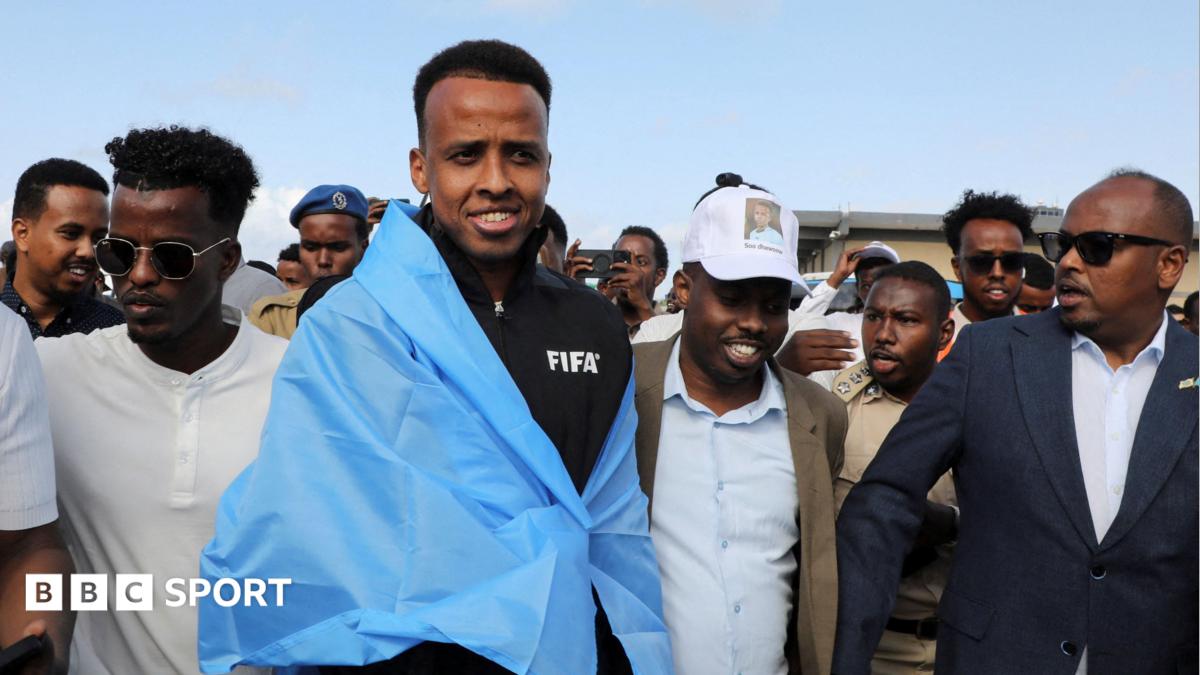
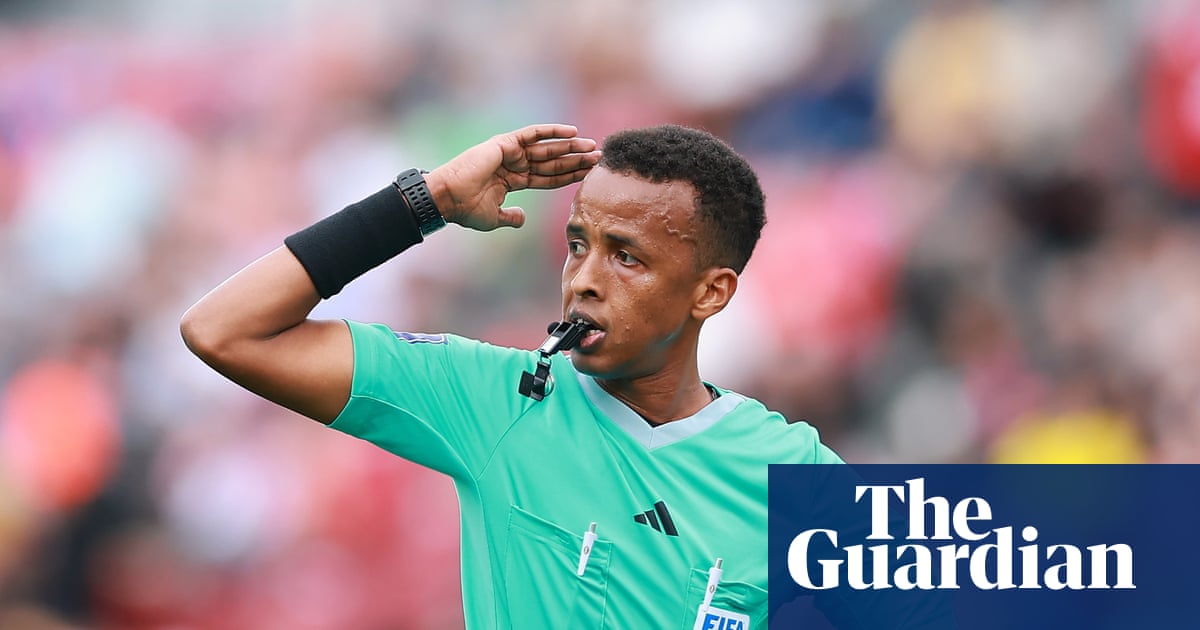
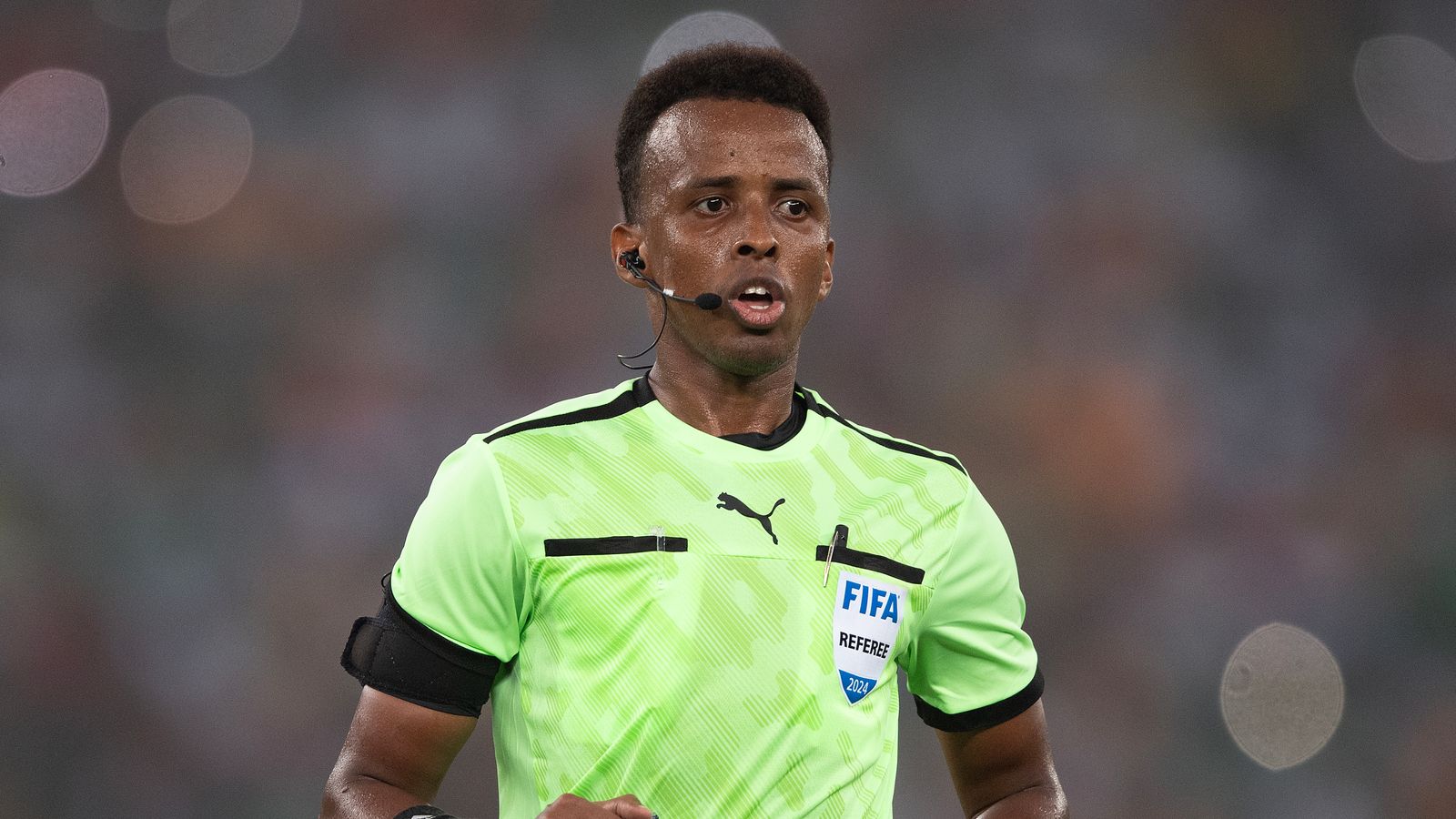
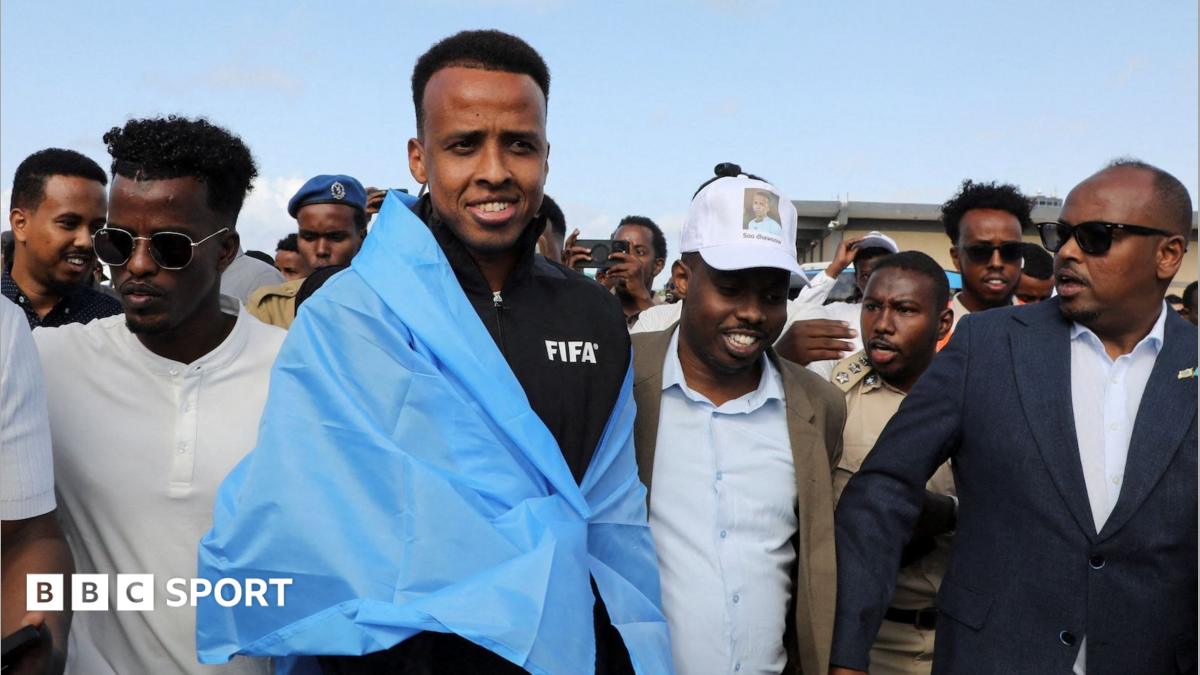
The 2026 FIFA World Cup kicks off in one day, but one notable figure will be conspicuously absent from match-day rotations. Somali referee Omar Artan has been denied entry into the United States, effectively ending his participation in the tournament before the first whistle blows. He has already traveled back to Somalia following the disqualification.
The security justification
US officials are not citing performance concerns for Artan’s removal from the officiating pool. Instead, the BBC has reported that the decision stems from documented associations with suspected members of terror organizations. This is an unprecedented administrative barrier for a match official in the modern era of global football.
While FIFA maintains strict vetting processes for its international pool, national border security protocols take legal precedence over organizational assignments. When regional security vetting clashes with tournament eligibility, the individual is left without a path to host-nation entry. The severity of the claim from US authorities makes any potential appeal process functionally impossible.
Operational impact on the tournament
FIFA’s officiating team now has fewer options as they navigate the logistical pressures of a tournament spanning dozens of stadiums across three countries. Replacing high-level referees on 24 hours' notice creates a ripple effect. Assistant referees and VAR crews often train in specific regional cliques, meaning Artan’s departure may disrupt the flow of communications for his intended squad.
Historically, officiating controversies at major tournaments usually hover around controversial red cards or disputed offside calls. As US officials noted, the basis for this specific denial lies in high-level security screenings. This sets a dangerous, albeit pragmatic, precedent for FIFA. If national security authorities possess information disqualifying an official, FIFA’s vetting process is effectively compromised.
Artan's future and the bigger picture
Artan has publicly stated his intent to target the 2030 World Cup for his return to the world stage despite these current events. However, his future eligibility remains in a precarious position depending on whether international football authorities launch their own independent inquiry into the claims made by US officials. A domestic ban within Somalia or a suspension from the Confederation of African Football could follow.
This situation serves as a stark reminder of how global sports organizations are increasingly beholden to the individual entry requirements of host nations. While we expect fair play and neutral officiating on the grass, the politics of the venue often dictate who is permitted to stand on it. The focus now shifts back to the remaining officiating corps, who must now process the loss of a colleague while preparing for the immense pressure of opening-match officiating.
A critical failure in oversight
The most alarming aspect of this situation is not the outcome itself, but the lack of clarity regarding when this information was first available to FIFA leadership. If the governing body was unaware of these associations during the initial selection phase, their vetting process is effectively broken. If they were aware and chose him anyway, the decision to allow him to travel at all shows a baffling disregard for the tournament host's entry laws.
The tournament is defined by stability and consistency in officiating. Losing a member of the elite rotation just before kickoff is never a positive development. It destabilizes the preparation process and forces a last-minute scramble to fill roles. FIFA must now clarify how they plan to vet non-playing staff in future cycles to ensure this disruption does not become a recurring theme in mid-tournament operations.
Read Next