Diplomatic bureaucracy defeats the beautiful game
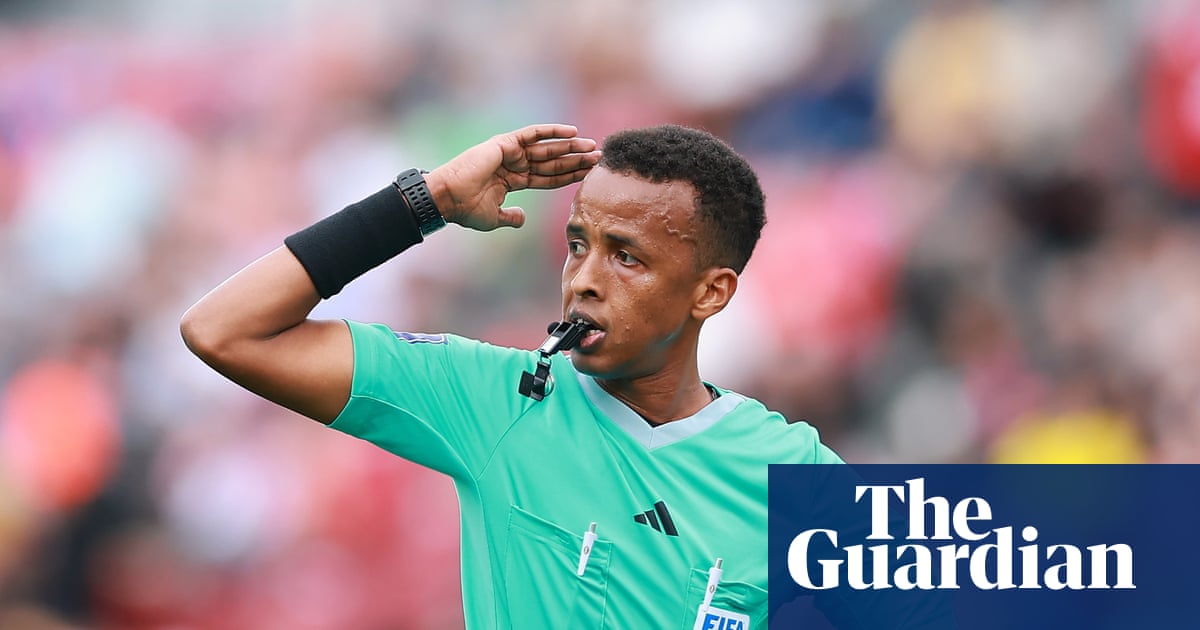
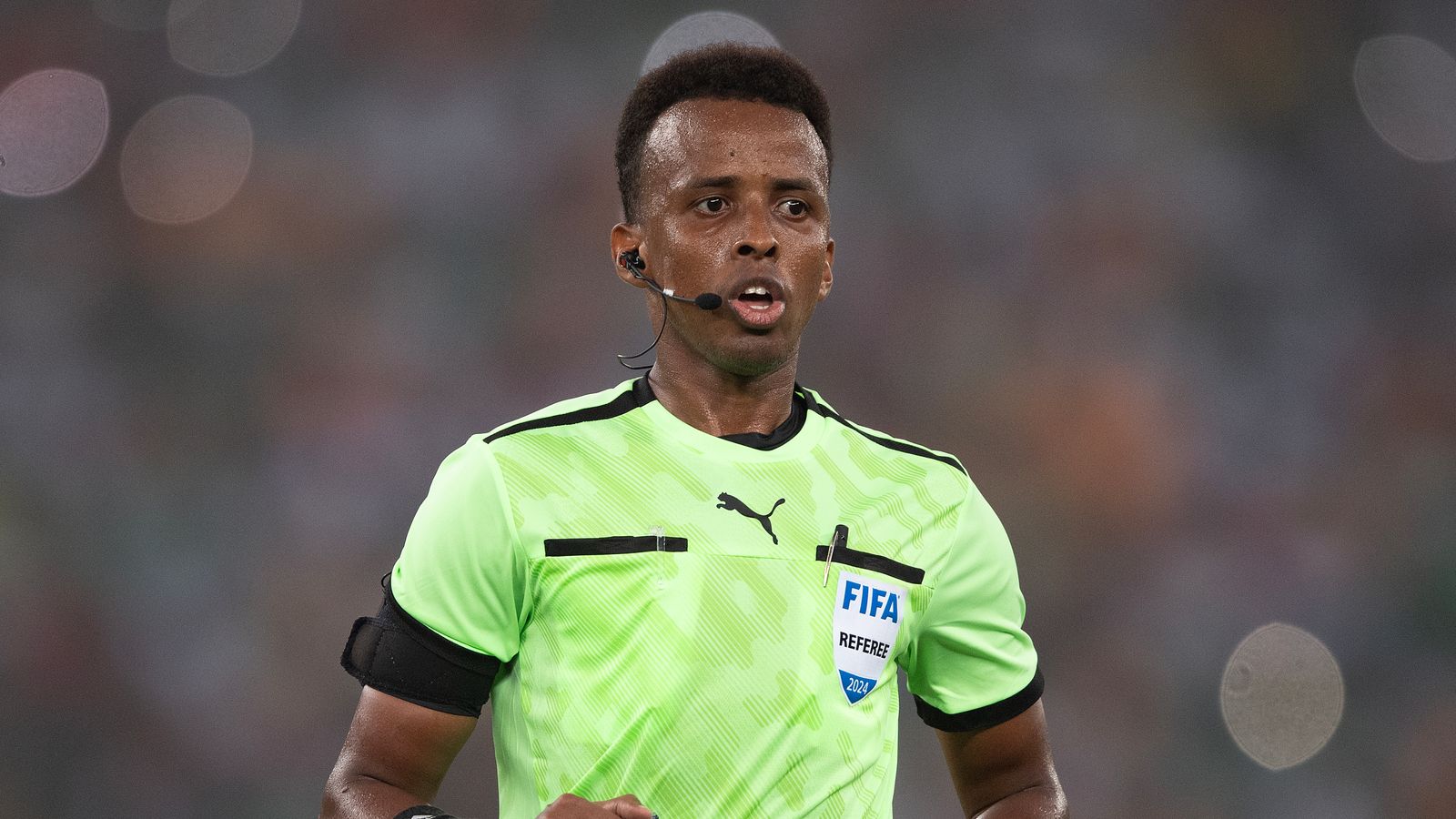
Omar Artan was slated to become the first Somali referee to officiate at a FIFA World Cup. Instead, he arrived in Mogadishu on Wednesday to a crowd of supporters after being denied entry to the United States. FIFA’s selection process identifies the top 0.01% of officials, but international travel laws remain an unyielding obstacle for athletes and staff from specific regions.
Artan’s absence highlights the volatility of tournament logistics when host nations maintain strict border controls. While the 2026 tournament features 48 teams, the back-office infrastructure often fails to account for individual visa complexities. This isn't just a scheduling hiccup; it is a breakdown in the mobility required to run a global competition.
The math of global officiating
FIFA operates on an expansive selection roster for the 2026 World Cup, drafting 104 referees and assistant referees from across 80 different countries. This diversity is designed to prevent bias and ensure representation, yet the reliance on host nation entry compliance creates a single point of failure. When an official like Artan is blocked, the pressure shifts to the 103 remaining spots, thinning the bench for injury or performance-based rotation.
The administrative goal for 2026 involved unprecedented integration of local governing bodies into the global tournament framework. Artan, who has officiated high-stakes matches in the Somali Premier League and regional qualifiers, was vetted by FIFA’s technical department after years of consistent performance. His exclusion suggests that the logistical planning between tournament organizers and immigration authorities was insufficient for early-cycle arrivals.
The cost of the missed call
Officiating at this level requires immense preparation, often involving months of regional workshops and physical conditioning protocols. Artan missed dozens of hours of tactical briefings in the host country, rendering his participation impossible regardless of last-minute appeals. As reported today, his arrival in Mogadishu was marked by fanfare, but the long-term impact on his career path remains uncertain. He has publicly vowed to target the 2030 tournament, though the professional window for elite referees is narrow.
We are seeing the consequences of rigid bureaucratic frameworks clashing with the sport's global reach. The 2026 World Cup committee projected an attendance exceeding 5.5 million fans across multiple host nations. Managing the movement of personnel should have been treated with the same precision as the ticketing or stadium security plans. Failing to clear a selected official who is part of such a limited pool is a significant operational oversight.
- Artan was intended to be the first Somali referee in tournament history.
- The current roster includes 104 referees and assistants.
- The tournament will host 48 teams across 16 iconic North American stadiums.
- Qualification spans 211 member associations, yet access remains unequal.
The reception in Mogadishu proves that Artan remains a source of national pride, yet national pride doesn't balance the ledger for the tournament’s officiating credibility. Relying on host-nation discretion creates a dangerous precedent where qualification for professional service is contingent on the political climate of the host country. If FIFA intends to expand the global scope of the game, they must negotiate immunity or streamlined pathways for officials as part of the bid requirement.