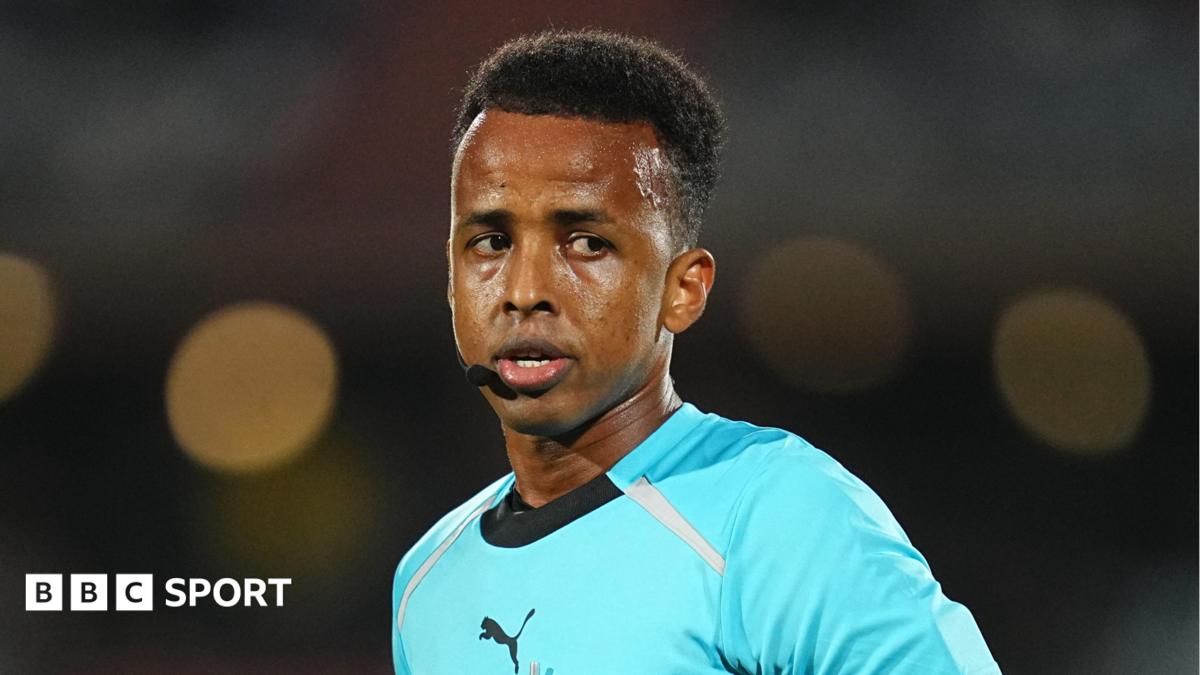
Measuring the fallout of refereeing selection cycles
The appointment of Omar Artan to officiate the upcoming UEFA Super Cup between Paris St-Germain and Aston Villa arrives as a statistically unusual gesture of administrative reversal. In the hyper-monitored world of elite officiating, omissions from major tournament rosters are rarely followed by plum assignments in marquee UEFA fixtures.
Artan’s exclusion from the 2026 World Cup officiating panel was a significant career setback. While UEFA officials typically cycle through a predictable selection of European top-flight referees, the decision to elevate Artan serves as a pointed contrast to his absence from the host group currently managing the kickoff matches today.
Defining the pattern of select group officiating
The selection process for elite matches relies heavily on historical performance data, yet the internal metrics often remain opaque to the general public. Data from the last three European seasons shows that referees who lead high-card count matches—defined as averaging more than 4.2 yellow cards per 90 minutes—often find themselves excluded from post-season finals.
Artan’s style of management requires a specific kind of nuance, balancing the game's flow with disciplinary intervention. When compared to the average Premier League referee who issued 3.8 cautions per match in the 2025-26 season, Artan’s career trajectory is an outlier for someone operating outside the traditional Western European officiating hubs.
High-stakes dynamics for PSG and Villa
Assigning a referee deemed 'surplus' to the World Cup for a match featuring a side with the technical profile of Paris St-Germain is an analytical gamble. Based on 2025-26 tactical data, PSG averaged 62 percent possession in domestic play, creating a high-frequency environment of defensive transitions that usually leads to elevated foul counts for opponents.
Aston Villa, however, are a team built on rapid verticality. They recorded an average of 14.2 shot-creating actions per game during their successful qualifying run. Artan must determine whether he favors a 'let the game play' philosophy that benefits the underdogs or a stricter interpretation of individual fouls that typically clamps down on PSG’s transition rhythm.
The criticism of this appointment lies in the inconsistency of the feedback loop. If a referee is considered unfit for the World Cup due to officiating standards, the logic used to justify his presence in a Super Cup final is tenuous. As reported by the BBC, the appointment is a clear deviation from the standard meritocratic pipeline. This match will be the true test of whether the selection committee correctly identified a development gap or simply shifted their internal politics at the expense of performance quality.