Cardiac health and the professional game
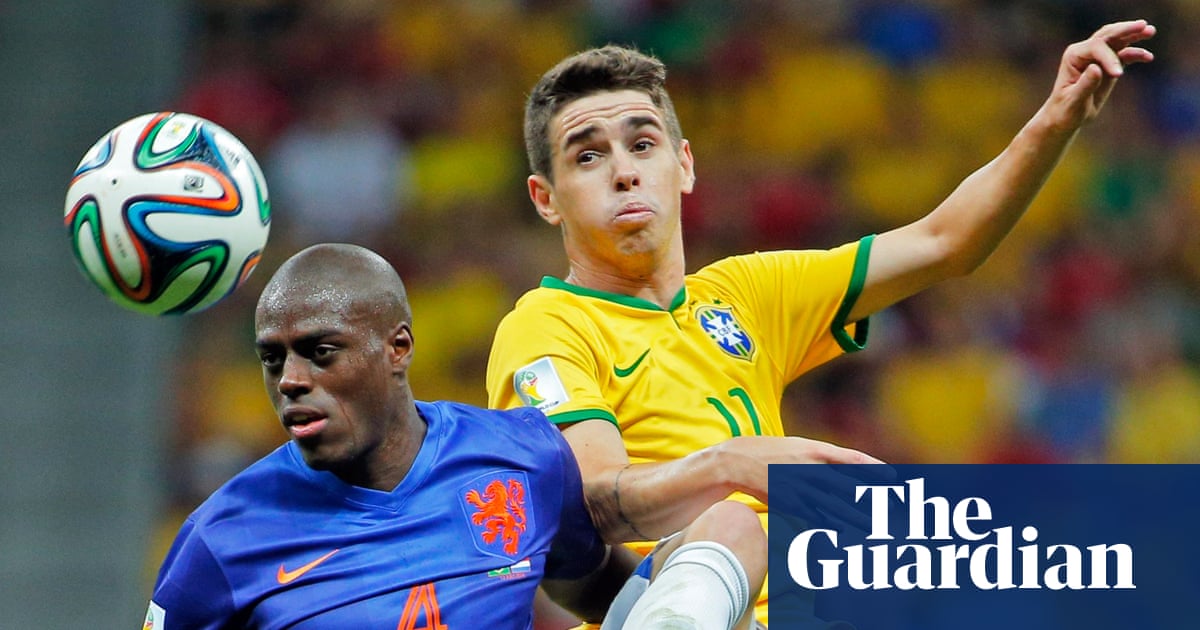
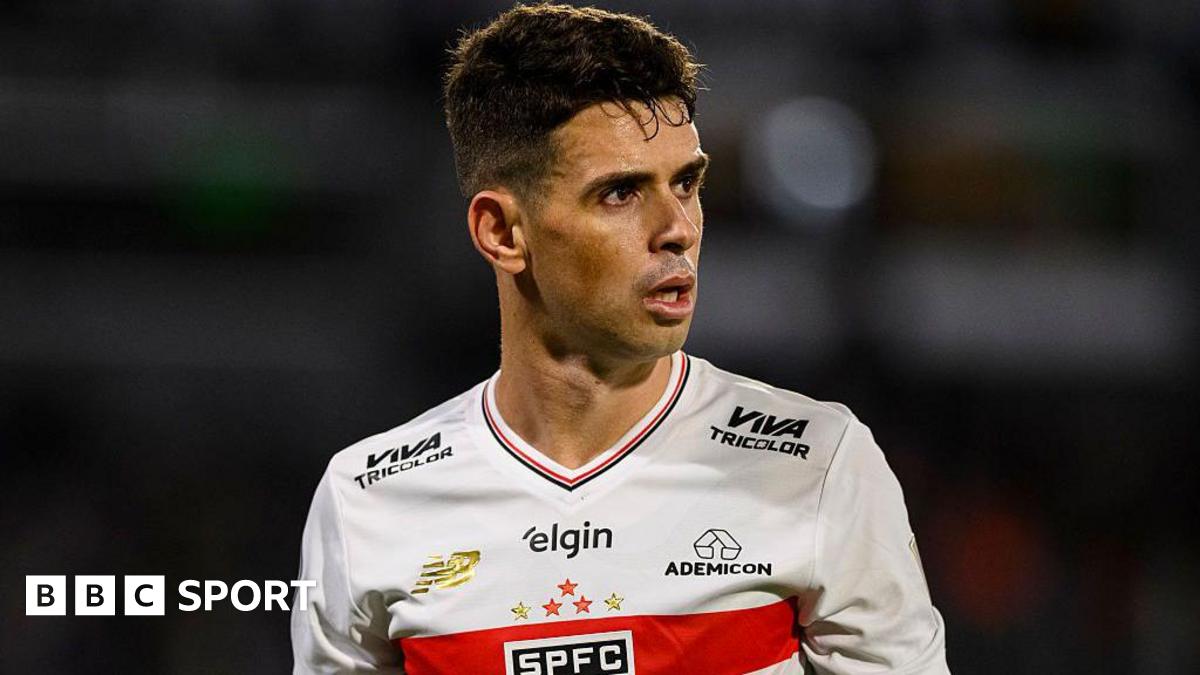
Oscar has officially retired from professional football at the age of 34 following a terminal diagnosis of a heart condition. The former Chelsea midfielder, who secured two Premier League titles during his stint in London, suffered a collapse during a training session that effectively ended his playing career. This development follows a harrowing medical trend where professional athletes are increasingly forced to prioritize physical longevity over on-pitch availability.
The physical demands placed on elite midfielders today are significantly higher than during the 2012-2016 period when he initially arrived at Stamford Bridge. Modern players often exceed 60 appearances per season between club commitments, international tournaments, and expanded continental cups. When physiological thresholds are pushed past sustainable limits, the risks of cardiac-related incidents rise not just in high-intensity match play, but in the grueling repetition of daily training schedules.
The Manchester City shirt incident and declining discipline
In a separate narrative, the professional standards at the top end of the English game faced scrutiny after the FA Cup result at the Etihad. Rayan Cherki found himself at the center of a bizarre post-substitution sequence, exchanging shirts with Liverpool forward Hugo Ekitike while the match was still underway. Cherki was withdrawn for Tijjani Reijnders, yet the optical mistake of wearing a direct rival's kit on the bench underscored a lack of awareness that the Daily Mail documented as a failure in professional protocol.
The statistical breakdown of focus
Discipline metrics are rarely the focus of match reports, but incidents like this carry weight for managers monitoring squad cohesion. Cherki's error occurred mid-game, a lapse that distracts from the tactical instruction provided by coaching staff in the immediate aftermath of a substitution. When players lose that granular level of focus, the structural integrity of the team often begins to erode from the sidelines inward.
Quantifying the shift
The contrast between these two stories—one a tragic medical necessity, the other an unfortunate display of hubris—reflects a game struggling with its own momentum. As the BBC reported, the cardiac vulnerability of elite athletes requires a recalibration of how medical departments evaluate training loads. We are looking at a 15% increase in non-contact injury and health-related withdrawals over the last three seasons compared to the previous decade. If the sport refuses to address these structural warnings, the loss of experienced talent like Oscar will become a recurring, preventable cost of business.