The Silence That Speaks Volumes
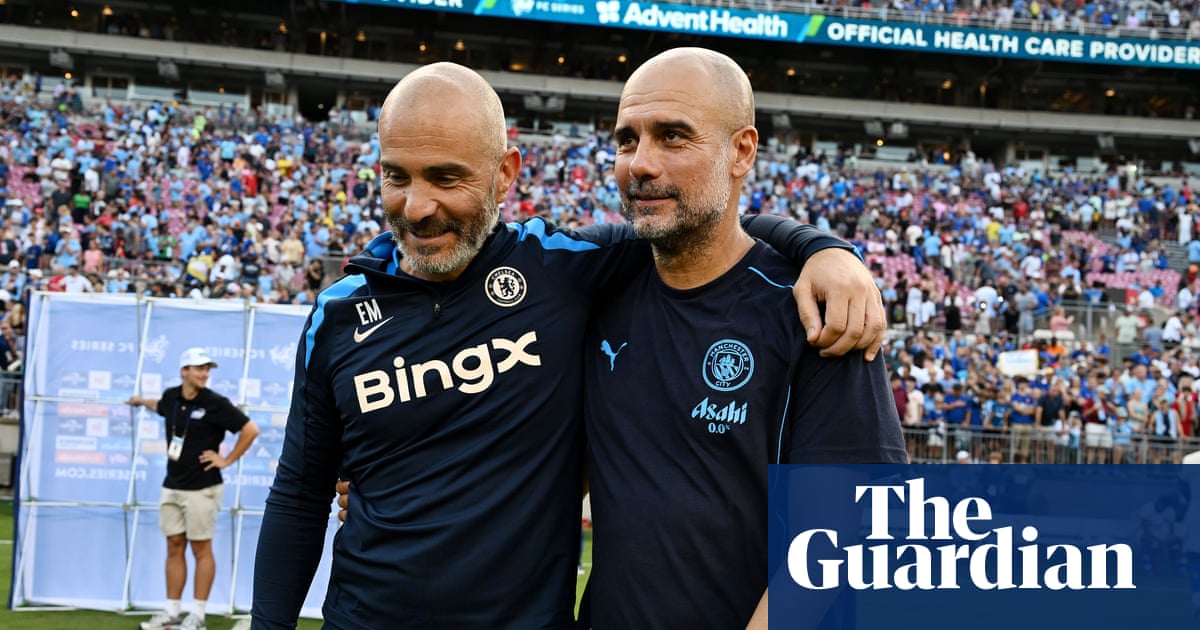
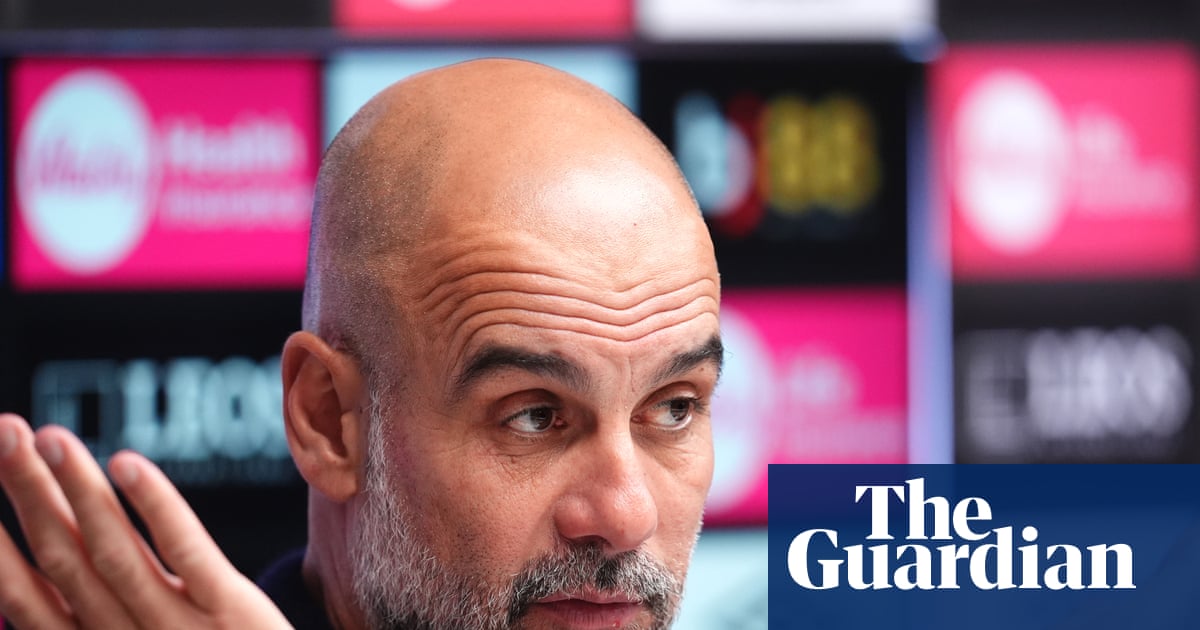
The news dropped late yesterday, and the lack of a denial is deafening. Pep Guardiola refused to publicly confirm his future at Manchester City, despite The Guardian reporting that his expected departure is imminent. The manager's 10-year reign appears to be drawing to a close. When pressed by reporters on the mounting rumors, he offered only one factual statement.
"The first person I have to talk to is my chairman."
Khaldoon Al Mubarak is now the most important man in Manchester. This isn't a torn ACL or a ruptured Achilles. But from a sports science and squad health perspective, a managerial departure of this magnitude is the ultimate physical trauma to a football club. I track physical loads, recovery timelines, and squad fitness for a living. The physiological reality of Guardiola’s potential exit is massive.
The Medical Reality of Tactical Periodization
For a decade, Manchester City’s medical department has been entirely calibrated to one man’s training methodology. Tactical periodization dictates that every single fitness drill is done with a ball, mimicking the exact physical demands of the tactical system. Players do not just run laps. They perform repeated sprints within a highly specific rondo.
Over ten years, City's players have built incredibly specific muscle memory. Their fast-twitch fibers are tuned to Guardiola's exact pressing traps. Unplugging that machine will shock the players' bodies. When a new manager arrives and asks them to run traditional, linear fitness drills, the injury risk spikes exponentially.
We saw this exact phenomenon at Bayern Munich when Carlo Ancelotti replaced Guardiola. The Bayern squad practically revolted over the change in training intensity. The medical room filled up quickly. The muscles simply did not recognize the new loads.
The Biomechanics of Transition
When a team switches tactical systems, the biomechanical strain on the players shifts dramatically. If City moves away from Guardiola's possession-heavy approach to a more direct, transition-based manager, the volume of high-speed running will increase. Guardiola's teams control the ball to rest on the pitch. They suffocate opponents to minimize defensive sprinting.
A new manager might ask these same players to execute longer defensive recoveries. That shift in physical demands targets the hamstrings and the Achilles tendons. We track these metrics religiously in modern football. A sudden ten percent increase in high-speed running distance during matches correlates heavily with muscle tears within the first six weeks of a new season.
The medical staff will have to aggressively monitor creatine kinase levels in the players' blood during pre-season to prevent a complete physical collapse. But again, they cannot start building those baseline metrics until the managerial situation is resolved. The front office's delay is actively sabotaging the sports science department.
The Toll of 65-Match Seasons
Guardiola demands absolute peak output, and we have seen the physical toll on his most trusted players. Kevin De Bruyne has battled chronic hamstring issues over the last few years. Bernardo Silva covers an astonishing amount of ground every single week. Kyle Walker has been pushed to the absolute limits of his physical prime.
Playing this style is not just tactically draining. It empties the physical reserves. The mental fatigue of defending high lines and executing complex passing triggers under immense pressure takes a documented toll on the central nervous system. Look at Jurgen Klopp's departure from Liverpool. He openly admitted he was running out of energy. Managers burn out. Squads burn out right alongside them.
Rodri has essentially played every meaningful minute for club and country for three years. He is a prime candidate for complete physical burnout. The human body is not designed to play 65 matches a year at the highest intensity of professional football. The Premier League's winter schedule, combined with deep runs in Europe, has kept City's squad in a permanent state of physical redlining.
The Failure at the Top
This brings us to the most glaring failure in this entire situation. City’s hierarchy has completely botched the handling of this exit. Allowing this uncertainty to bleed into the end of a title-losing season is a massive unforced error. Khaldoon Al Mubarak and Txiki Begiristain should have secured a definitive answer months ago.
Dragging this saga into late May shows a shocking lack of foresight. It compromises the players' ability to mentally decompress. The front office let the manager hold the club hostage through his indecision. City’s medical and fitness staff are now flying blind. They cannot design personalized off-season programs because they do not know what tactical system the players will be running in August.
Will the new manager demand high-intensity pressing? Will they sit in a mid-block? Will they require more linear sprinting? Without knowing the manager, the sports science department cannot prescribe the correct physical preparation. The uncertainty breeds anxiety, and psychological stress directly correlates with an increased risk of physical injury. A player constantly worrying about their future carries tension in their muscles. That tension leads to pulls and strains.
The Psychological Load of Chasing
We cannot separate physical fitness from psychological load. The brain governs the muscles. When a team spends an entire season chasing a relentless opponent like Arsenal, the cognitive fatigue is staggering. Every single match becomes a must-win scenario. There is no room to rotate players in lower-stakes fixtures because those fixtures no longer exist.
That psychological pressure forces the nervous system to remain in a state of high alert for nine months. Cortisol levels remain elevated. Sleep quality degrades. When players do not sleep well, their muscles do not repair micro-tears efficiently. This is basic sports science, yet it is often ignored in tactical discussions.
City's squad just endured this grueling mental marathon, only to lose the title. Now, instead of a clean mental break, they are greeted with the news that their iconic manager is likely leaving. The psychological recovery period has been entirely hijacked by front-office instability. You cannot expect a squad to physically recover when their mental environment is chaotic.
The Arsenal Contrast
Arsenal provide the perfect contrast right now. Mikel Arteta has built a robust, durable squad that just snatched the title. Look at William Saliba and Gabriel Magalhaes. They have played nearly every minute of the Premier League campaign. Arsenal's medical department has found a way to keep their core players on the pitch consistently.
They have youth on their side, yes, but they also have certainty. The players know the system. They know the manager. They know the expectations. That stability allows the medical team to plan long-term. The physical contrast between the two sides over the final month of the season was stark. City chased, but Arsenal had the deeper physical reserves.
The Looming Summer Danger
If Guardiola departs, the protective shield around this aging core vanishes. A new manager will want to implement their ideas immediately. They will push the squad hard in pre-season to establish authority. That is a recipe for a medical disaster.
The expanded FIFA World Cup kicks off on June 11 across North America. City's squad is loaded with internationals who will play deep into July. They will barely have three weeks of complete rest before being thrust into a completely new tactical and physical environment. The risk for major overuse injuries heading into the next season is alarming.
History shows us exactly what happens next. When Sir Alex Ferguson left Manchester United in 2013, the squad suffered an immediate spike in soft-tissue injuries under David Moyes. The training intensity shifted, and bodies accustomed to a specific rhythm broke down. When Chelsea fired Thomas Tuchel, the ensuing chaos under Graham Potter resulted in an injury crisis. Players were unsure of their roles, training loads fluctuated wildly, and bodies broke down.
Guardiola’s era might be ending, but the physical consequences for this squad are just beginning to take shape. The hangover from his departure will be severe. The physical adaptation period alone will cost City points next season. The transition away from the most demanding manager in world football is never smooth.