The Silence That Says Everything
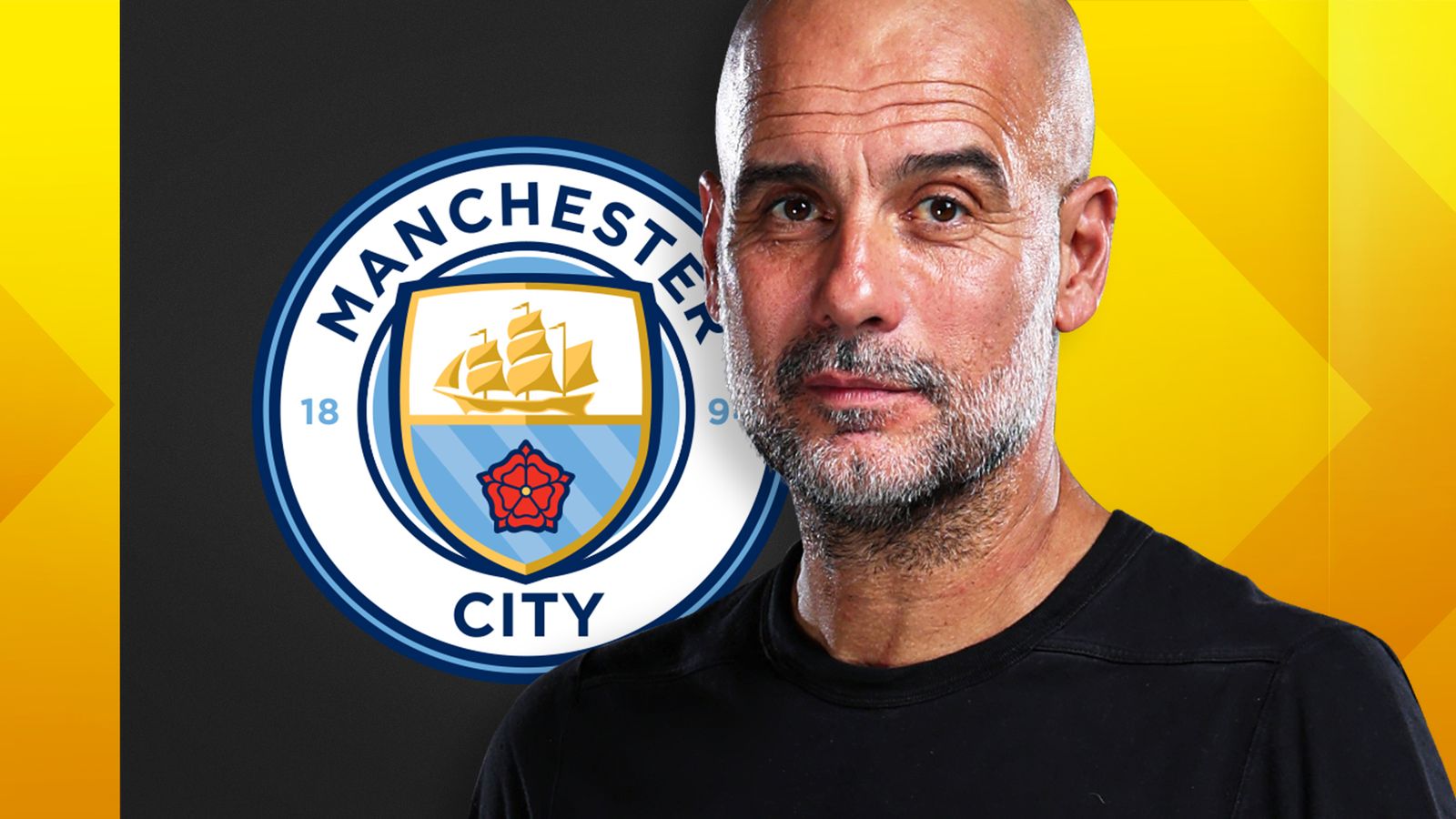
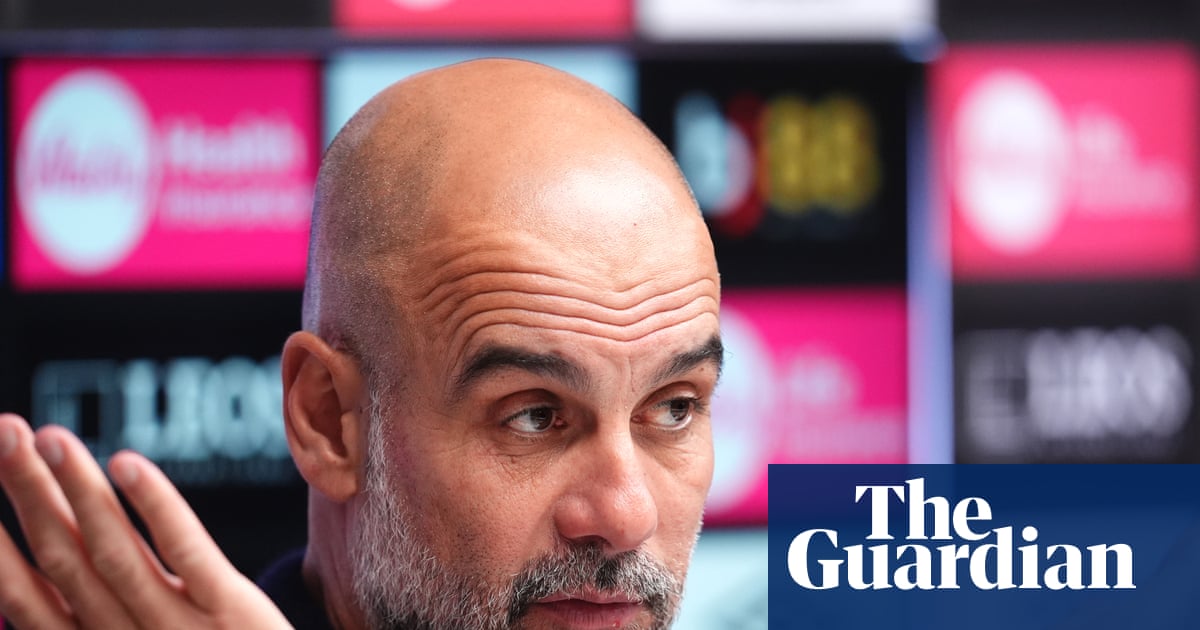
The refusal to deny a rumor is often louder than any confirmation. Late yesterday, reports from The Guardian broke the news that Pep Guardiola’s historic ten-year reign at Manchester City is coming to an end. When pressed on the matter, the Catalan manager offered nothing but deflection. There was no fierce defense of his tenure. There was no commitment to the future. He simply stated that his first conversation must be with his chairman.
That is not how a manager operates when he plans to stay. Guardiola has always been fiercely protective of his squad’s focus. If this report were false, he would have killed it instantly to prevent the media circus from derailing their run-in. Instead, he let it breathe. He let the uncertainty hang over the Etihad.
This approach has a timeline. Guardiola knows he cannot string the club along through the summer. The transfer window demands certainty. Players demanding contract renewals require clarity on who will be shouting from the touchline next season. The resolution to this standoff will likely arrive within days, not weeks, directly following his planned meeting with the club hierarchy.
The Chain of Command
Guardiola’s exact words were deliberate.
"The first person I have to talk to is my chairman,"he told the press. This is a classic Guardiola maneuver. It shifts the burden of the announcement from the pitch to the boardroom.
Khaldoon Al Mubarak, the City chairman, has built the entire modern Manchester City apparatus around Guardiola’s specific genius. From Txiki Begiristain in the director of football role to the sports science department, everything flows from the manager's philosophy. Removing Guardiola doesn't just mean finding a new coach. It means ripping out the processor of a highly complex machine.
The delay in an official announcement feels like a managed exit strategy. City’s PR department is notoriously tightly controlled. A leak to a major national newspaper doesn't happen by accident. It softens the blow for the fanbase, preparing them for the inevitable before the club issues a sterile, heavily workshopped press release.
It is worth noting that Guardiola has managed his own exits meticulously in the past. At Barcelona, he announced his departure at the end of the season after the physical and emotional toll became too immense. At Bayern Munich, the timeline was similarly controlled. However, this situation feels different. By allowing the story to break via The Guardian without an immediate follow-up plan, City have surrendered control of the narrative.
The Medical Reality of Managerial Burnout
From a physiological and psychological standpoint, ten years is an eternity in modern football. The physical and mental demands of managing at the absolute peak of the Premier League break most men in three. Jurgen Klopp cited a profound lack of energy when he walked away from Liverpool. Guardiola has looked increasingly weary on the touchline this season, his usual manic energy replaced by moments of hollow staring.
You cannot sustain that level of neurological intensity forever. The tactical innovations, the constant demand for perfection, the ruthless discarding of players who drop their fitness standards by even a fraction of a percent—it drains the manager as much as the squad. The sheer volume of matches, heavily criticized by Guardiola himself, accelerates cognitive fatigue.
He transitioned from the Aguero-Kompany-Silva era into the De Bruyne-Sterling-Fernandinho iteration, and finally to the current Haaland-centric juggernaut. Doing that requires a monstrous amount of emotional energy. Chronic stress elevates cortisol levels, disrupts sleep patterns, and eventually forces the body to shut down. It is entirely plausible that he simply has nothing left in the tank to offer them.
Historical Context: The Vacuum Left Behind
We have seen this movie before. When Sir Alex Ferguson retired from Manchester United in 2013, the club fell off a cliff. They haven't won a Premier League title since. When Arsene Wenger finally relinquished his grip on Arsenal, it took the club half a decade and multiple failed managerial appointments to find their footing again with Mikel Arteta.
City will argue their setup is more robust. They have the City Football Group, a global scouting network, and endless financial resources. But football is ultimately played on grass, and managed by human beings in the dressing room. You cannot replicate Guardiola's aura with an algorithm or a blank checkbook.
The players currently in that squad signed up to play for him. Erling Haaland didn't just choose Manchester City for the wages; he chose them for the elite medical staff, the service, and the tactical setup. If Guardiola walks, the gravity of the club changes instantly. It becomes a harder sell to elite talent.
Even looking outside of England, the departure of a generational manager often triggers a multi-year slump. Real Madrid struggled to find immediate stability after Zinedine Zidane's first exit. Barcelona's identity crisis post-Guardiola took years to fully resolve. City do not have a Messi to mask their flaws. They have a brilliant system. When the architect of that system leaves, the blueprint suddenly becomes much harder to read.
The Ripple Effect Across the Premier League
The reaction in North London and Merseyside will be one of barely concealed glee. Arsenal have spent the last few years pushing City to the absolute brink, only to be denied by the sheer robotic consistency of Guardiola’s squad down the final stretch of the season. Mikel Arteta, Guardiola's former understudy, will view this as his ultimate opening.
Liverpool, adjusting to life post-Klopp, will also sense an opportunity to reclaim their spot at the summit. The psychological barrier of facing a Guardiola-led City has beaten teams before they even step onto the pitch. Remove him, and the aura of invincibility shatters. City become just another very wealthy football club with a talented squad.
This is where the timing of the leak is so dangerous for City. With massive fixtures remaining, the focus shifts entirely from the pitch to the dugout. Every dropped point will be framed as a symptom of the manager's impending exit. Every minor muscle injury will be blamed on a distracted medical department.
Strategic Implications for the Board
The immediate challenge for Txiki Begiristain and Khaldoon Al Mubarak is monumental. Who do you hire to replace the irreplaceable? The market for elite managers is surprisingly thin. Do you go for a continuity candidate, someone deeply embedded in the City Football Group methodology? Or do you make a splashy hire from outside to reset the culture?
The new manager will inherit a squad built for a very specific style of play. Fullbacks who invert into midfield, center-backs who dictate tempo, a striker who requires highly specialized service. A new coach with a different philosophy will demand significant squad turnover. That costs money, time, and invariably leads to a drop in performance levels.
Furthermore, the looming shadow of the 115 Premier League charges cannot be ignored. The uncertainty surrounding the club's legal and financial status makes it a uniquely challenging job to pitch to a top-tier manager. Guardiola has shielded the footballing side of the operation from the boardroom chaos brilliantly. A new manager will not have that same protective shield.
The Verdict: An Inevitable Decline?
Guardiola’s silence is the starting gun for the most chaotic transition period in Manchester City’s modern history. They have had it entirely their own way for a decade. The domestic dominance has been absolute. The Champions League monkey is off their back. He has completed football in Manchester.
But the lack of a clear succession plan, combined with an aging core of key players like Kevin De Bruyne who are increasingly prone to muscular injuries, points toward a painful rebuild. The reliance on Guardiola’s sheer force of will has masked minor cracks in the squad building over the past two seasons. Without him to paper over those cracks, the structural integrity of the entire project will be tested.
This is the ultimate test of the setup City executives have constantly boasted about. If they stumble, if the next appointment fails to maintain a staggering 90-point average, the narrative will instantly shift. Guardiola's genius will be elevated even further, while the executives who failed to replace him will face unprecedented scrutiny.
The chairman meeting will happen. The announcement will follow. But the reality is already here. The Pep Guardiola era is ending, and the Premier League power dynamic is about to shift violently for the first time in ten years. Manchester City must now prove they are a great club, rather than just a club that had a great manager.