The silence from the dugout speaks volumes
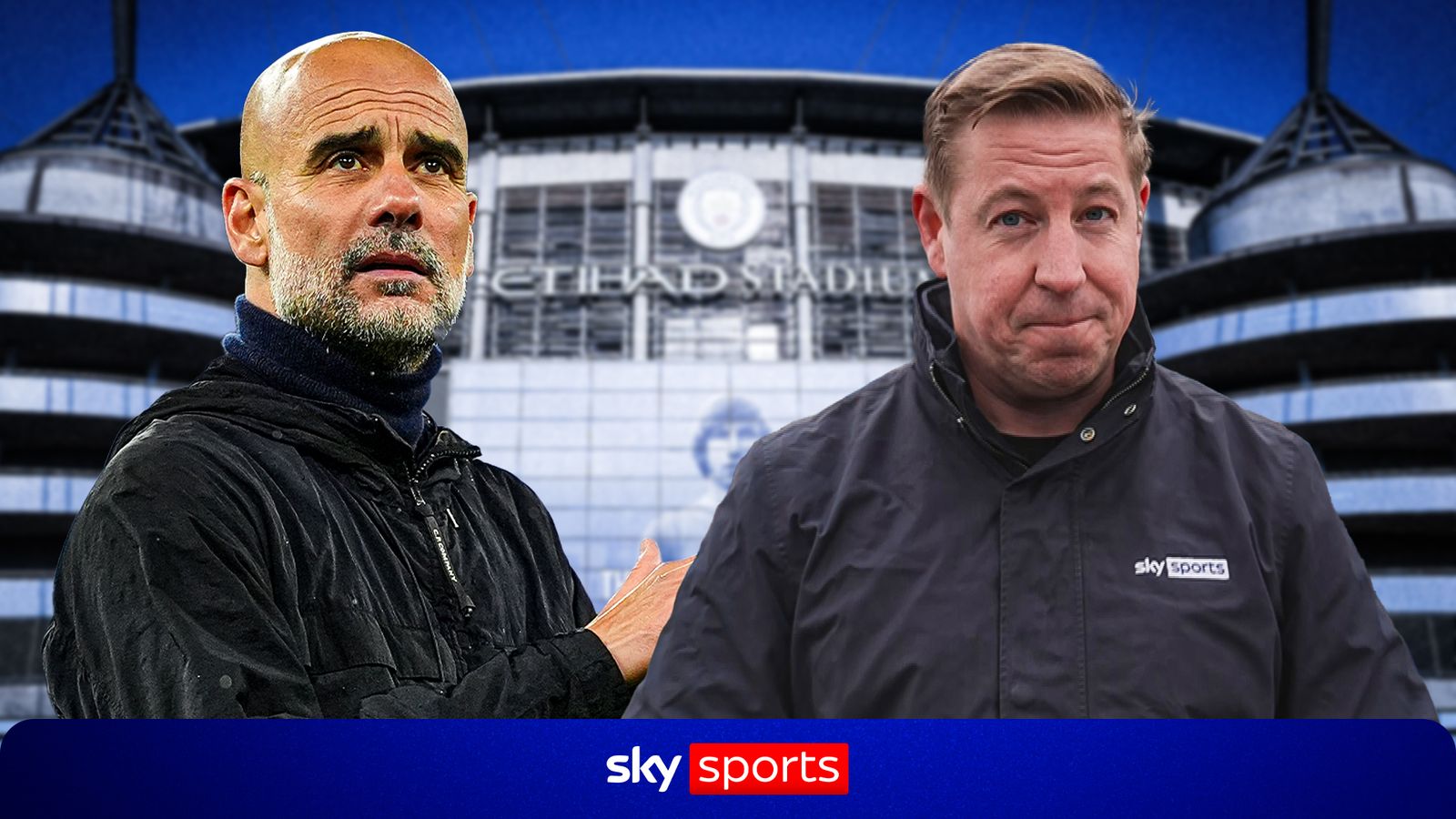
The Sky Sports graphics department has been working overtime this week, but they didn’t need to. Everyone in Manchester already knew. As Sky Sports reported this week, the worst kept secret in English football is finally spilling into the open: Pep Guardiola is packing his bags. The broadcast segment dropped the bombshell that everyone had been whispering about since the winter break. It is the end of an era, and it is playing out in real-time right in front of us.
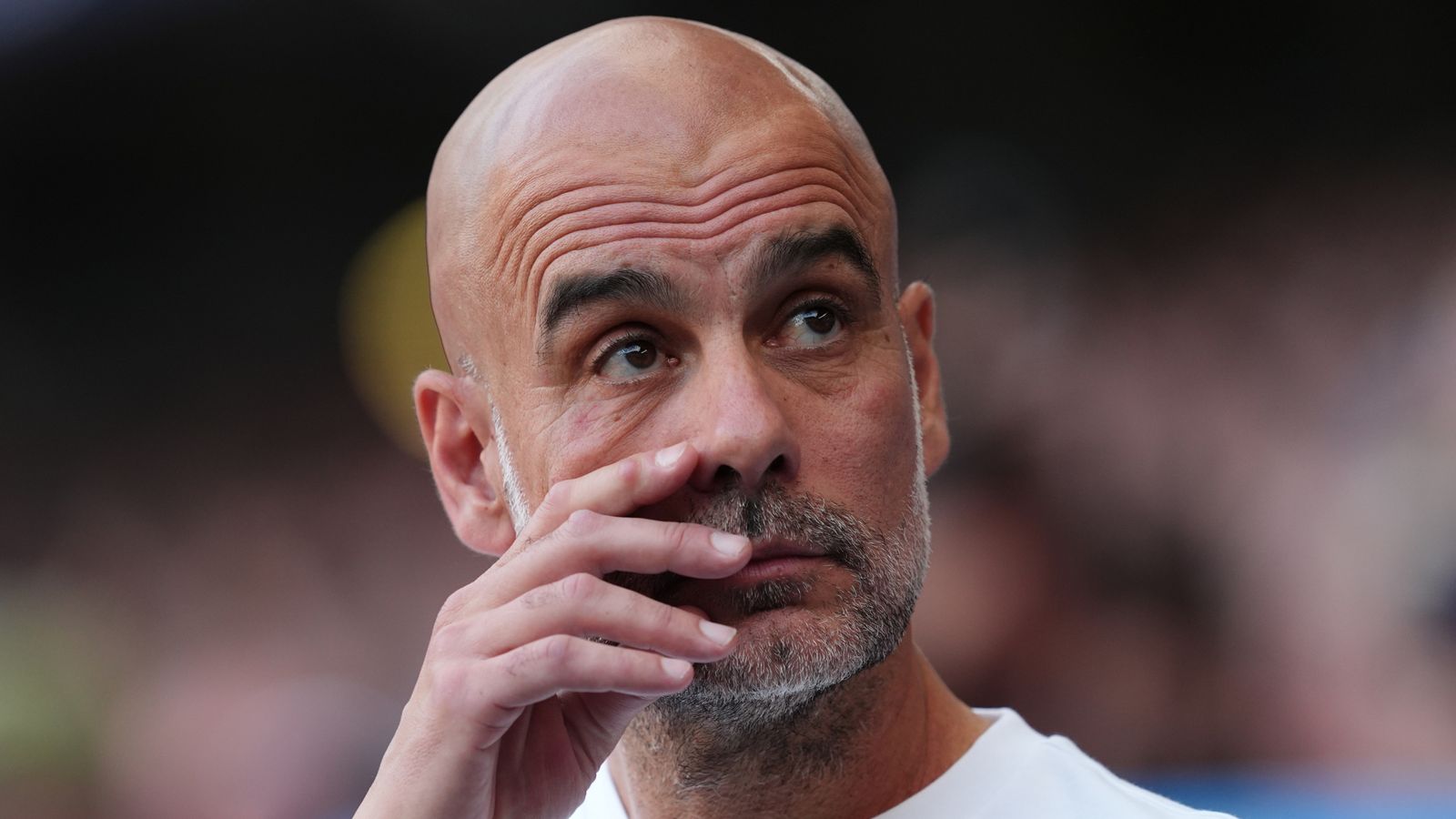
You can see it in the body language. Watch the touchline footage from their last three fixtures. The frantic, animated gesticulations—the manic obsession with adjusting a winger’s positioning by three inches—have been replaced by a quiet, almost resigned observation. He knows the project is complete. The system has reached its absolute ceiling. The problem? The season isn't over yet.
Manchester City are heading into this weekend's match with a cloud of uncertainty hanging heavy over the Etihad. This isn't the controlled, sterile environment Guardiola demands. It's messy. It's inherently human. And it is going to tangibly affect the 90 minutes on the pitch. When the orchestrator is contemplating his exit strategy, the orchestra inevitably misses a beat.
When the tactical structure loses its emotional anchor
Guardiola's football relies on intense, almost unnatural psychological conditioning. To play the 3-2-4-1 system effectively, the pressing triggers have to be entirely instinctual. There is no room for conscious thought. The moment Rodri steps out of the pivot space to engage a loose ball, the back line must squeeze up to compress the pitch. The wingers must tuck in to cut off the passing lanes.
But what happens when the architect is halfway out the door? We saw it late in Jurgen Klopp's final season at Liverpool. The physical output remains high, but the micro-second of hesitation creeps in. City's rest-defence has looked unusually porous in transition lately. They are caught between two minds: the muscle memory of the high press and the subconscious realization that the era is ending.
When opponents bypass the initial counter-press, City are leaving massive, uncharacteristic gaps in the half-spaces. Manuel Akanji has been dragged out of position twice in the last three games by simple decoy runs from opposition strikers. That doesn't happen when Guardiola is micromanaging every blade of grass. The defensive shape is fracturing because the relentless mental pressure applied by the manager is naturally waning.
The tactical flaw in the current setup
If we are being brutally honest, City have been getting away with it for weeks. Their underlying numbers are dropping. The xG conceded from fast breaks has spiked dramatically since April. Guardiola's insistence on pushing the defensive line to the halfway line while playing an inverted fullback on the opposite side of the ball is essentially suicidal when the pressing structure fails.
Against aggressive transition teams, this flaw becomes fatal. Opposing managers have realized that if you bypass Rodri, there is nothing but green grass in front of the back three. John Stones cannot cover the space of two men in the right channel anymore. The distances are simply too vast.
They are relying entirely on Ederson's sweeping to bail them out. It's a high-wire act that feels entirely unsustainable for a team trying to close out a domestic campaign. The manager's impending exit seems to have dulled the edge of a team that usually peaks in May. They look tired. They look like a squad that has heard the news and started looking towards the summer holidays.
De Bruyne, Foden, and the burden of creation
The attacking dynamics are suffering from the same lethargy. Erling Haaland is routinely being marshalled by two center-backs, which is nothing new. But the creative burden now falls entirely on Phil Foden and Kevin De Bruyne, and the mechanics of their partnership are stalling.
De Bruyne's delivery has been slightly off-kilter this month. He's forcing passes through non-existent windows, perhaps feeling the individual pressure of delivering one last monumental performance for his departing manager. Instead of recycling possession to maintain the structural integrity of the attack, he is launching low-percentage crosses into a crowded penalty area.
This is where City usually rely on their systemic superiority. They grind teams down through sheer passing volume until a crack appears. But the rhythm is stuttering right now. The ball speed is down significantly. The rotations on the left flank between Josko Gvardiol and Jack Grealish lack their usual fluidity, often resulting in isolated one-on-one situations that slow the attack to a crawl.
The historical precedent of a Guardiola exit
We have seen this movie before, and the final act is rarely a smooth transition. When Guardiola announced his departure from Barcelona, the team looked emotionally exhausted, dropping massive points in La Liga and crashing out of the Champions League to Chelsea. The tactical intensity that defined his legendary tenure simply evaporated in those final weeks.
At Bayern Munich, the scenario was strikingly similar. The domestic dominance was already secured, but the European campaign ended in a messy, disjointed semi-final defeat. His teams are built on a knife-edge of tactical precision and extreme mental endurance. The moment the psychological tension is released by the knowledge of his exit, the whole operation begins to sag.
Manchester City are now fighting against that exact same historical gravity. The players are being asked to maintain a level of focus that is frankly unnatural, knowing that the man demanding it will be gone in a matter of weeks. You can see the heavy legs and the tired minds. They are playing like a team that desperately needs a reset, but they are trapped in the pressure cooker of a late-season run.
The tactical modifications he has made this season—specifically the reliance on four natural center-backs across the defensive line—were supposed to provide defensive solidity. Instead, it has created a strange, sluggish build-up phase. Without the overlapping runs of a traditional full-back to stretch the opposition defense, City are increasingly relying on central combinations that are easily congested. When those combinations break down, the counter-attack is instantly on.
The psychological toll on the dressing room
You cannot separate the tactical execution from the psychological state of the dressing room. Players are fundamentally pragmatic. When they know the manager isn't going to be there next season, the fear of being dropped loses its potency. The intensity drops by two percent, and at the elite level of the Premier League, two percent is the difference between a clean sheet and a chaotic defensive collapse.
There is a genuine risk that City's final matches devolve into an uncoordinated mess. The meticulous patterns of play that Guardiola spent years drilling into this squad require constant, exhaustive reinforcement. Without that manic energy driving them forward from the technical area, the players are reverting to individual decision-making. For a Guardiola team, individualism is tactical poison.
What to watch for this weekend
This upcoming fixture is a massive tactical trap. Facing a low-block that transitions rapidly into a 4-2-4 counter-attack is the exact scenario that exposes City's current vulnerability. They will dominate possession, holding the ball for 75 percent of the match, but the threat of the counter will be constant and terrifying.
Keep a close eye on the left channel. When City lose the ball high up the pitch, watch how quickly the midfield tracks back. If Rodri is left isolated against two runners, the structural collapse is imminent. The opposition will target the space behind the inverted fullbacks, forcing the center-backs into uncomfortable wide areas.
Also, watch Guardiola himself. Will he make the ruthless early substitutions if the game isn't going to plan? Or will he sit back and trust the system that has won him so much, even as it clearly begins to fray at the edges? The tactical flexibility that defined his early years in Manchester has hardened into a rigid ideology, and that rigidity might be their undoing.
The final verdict
Emotion rarely wins tactical battles, but the sudden absence of emotional focus can easily lose them. City will undoubtedly control the ball, but they currently lack the ruthless, clinical edge that defined their relentless runs over the last few years.
The opposition knows this entirely. They will sit deep, absorb the sterile, slow-moving possession, and strike precisely when City's shape expands and fractures. The worst kept secret in football is going to cost them their invincibility when it matters most.
Expect a highly disjointed performance. City will create a handful of chances through individual brilliance, but they will give up high-quality transitions that they simply cannot defend right now. The Guardiola era is ending not with a triumphant tactical masterclass, but with a stuttering, deeply flawed final chapter.
Prediction: A chaotic 2-1 defeat. The opposition exploits the massive gaps in transition, and City's reign ends with a tactical whimper rather than a bang.